
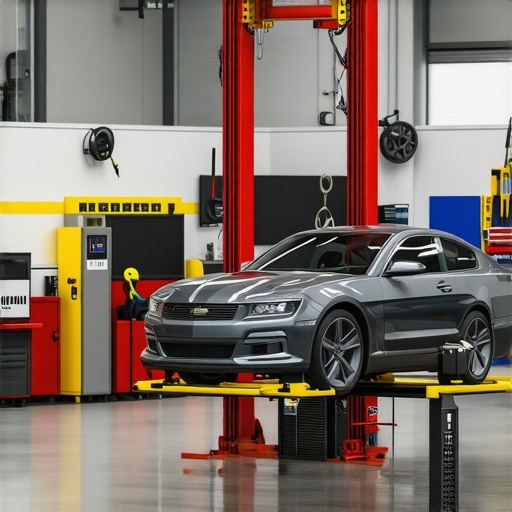
It was a chilly morning when I stalled unexpectedly on my way to work, the engine sputtering and dying right as I turned into the driveway. That moment was a lightbulb flickering on in my mind—my car’s safety and reliability weren’t just about routine maintenance anymore; they were about proactive, smarter strategies. And I realized, many drivers are in the same boat, unknowingly risking their safety because they overlook or misunderstand essential auto repair strategies. Today, I promise to share how I revamped my approach, ensuring my vehicle is safer and more dependable, especially through the crucial updates coming in 2024.
Why Staying Ahead with Auto Repair Strategies Matters More Than Ever
In today’s world, our cars are more than just transportation—they’re lifelines. With the increasing complexity of auto systems and the rising costs of repairs, it’s vital to adopt top-tier repair and maintenance routines. I learned this the hard way early on, making a costly mistake by neglecting my brake system until a squeal turned into a squeal no more, leaving me vulnerable on a busy street. That experience taught me that preventive care isn’t just about saving money; it’s about safety and peace of mind. Experts emphasize that regular, strategic maintenance can prevent accidents and costly breakdowns (source: CollisionRenew’s comprehensive guide). With 2024 bringing new safety standards and technologies, it’s crucial to stay updated and vigilant.
Is Auto Repair Just a Money Pit or a Lifesaver?
When I first started scrutinizing my vehicle’s needs, I thought, “Why bother with all these checkups?” My early approach was reactive—fixing things only after they broke. That’s a common mistake many make, but it’s also the most expensive and dangerous. Engaging in proactive maintenance and understanding core repair principles, like those outlined in expert strategies for brake and transmission care, changed everything for me. Had I just started earlier, I could’ve avoided the panic and potential hazard of brake failure or transmission issues.
Let’s face it—auto repair is confusing, and fear of high costs often discourages folks from staying on top of it. But what if I told you that knowing the right repair strategies could save you a fortune and keep you safer on the road? We’ll dig into practical tips and approaches to make auto repair your ally, not your enemy, in 2024. Ready to transform your vehicle care routine? Let’s go beyond basic checks and start mastering the art of smarter auto maintenance.
Diagnose Before You Dive In
Start with a clear assessment of your vehicle’s issues. Use a garage scan tool or visit a trusted mechanic for a comprehensive diagnostic. Think of this like a doctor ordering tests before prescribing treatment—accurate diagnosis saves time and money.
Prioritize Critical Repairs First
Address safety-related repairs like brakes and transmission before cosmetic fixes. For example, I once replaced my brake pads after a professional inspection revealed uneven wear, preventing potential accidents. Refer to this guide to understand essential brake care strategies.
Schedule Regular Maintenance
Set a routine for oil changes, fluid checks, and component inspections. Use a maintenance calendar or apps to track service dates. Think of your car as a health tracker—consistent care extends its lifespan and performance.
Learn Core Repair Principles
Understanding how systems like brakes and transmissions work helps you better communicate with mechanics and follow repair instructions. For instance, I studied basic brake system components, which empowered me during my last repair visit, ensuring I understood the scope and necessity of the work. To deepen this knowledge, explore expert strategies.
Use Quality Parts and Tools
Invest in high-quality replacement parts and proper tools. Cheaper components may save money upfront but can compromise safety and durability. When I replaced my rotors, choosing OEM parts ensured reliable performance and longevity.
Document Repairs and Maintenance
Keep detailed records of all services. This habit helps track repairs and boosts resale value. I maintain logs with dates, parts, and costs, making future diagnostics quicker and more precise.
Seek Out Professional Guidance When Needed
Not all repairs are DIY-friendly. Know your limits and consult professionals for complex tasks like transmission repairs. Use resources like transmission and brake tips to identify when expert intervention is necessary. I once attempted a DIY brake bleed but ended up needing a professional to correctly finalize the job, saving me from potential safety hazards.
Many car owners proceed with auto repairs like brake service or transmission maintenance under common misconceptions that can lead to costly mistakes. One widespread myth is that all brake pads are created equal—while some believe cheaper parts suffice, using low-quality replacements can compromise safety and durability, especially in 2024 where standards are rising. In reality, investing in OEM or high-quality components ensures optimal performance and faster stopping power, which is crucial for modern safety systems. Another often-overlooked nuance is the timing of fluid changes. Many drivers wait for the dashboard warning light, but proactive scheduling based on manufacturer guidelines is key to preventing transmission or brake failure. This proactive approach becomes even more vital with newer vehicle technologies that require precise maintenance to prevent costly collisions or breakdowns. One trap to avoid is neglecting the calibration of advanced driver-assistance systems (ADAS) after collision repairs. Improper alignment or sensor recalibration can diminish system effectiveness, creating a false sense of security or even safety hazards. Experts stress that comprehensive collisionrenew services include not just body restoration but also digital recalibrations—skipping this step can undermine safety efforts. For those wanting to understand the deeper mechanics, consider questions like: How does sensor misalignment impact adaptive braking or lane-keeping assist? Studies show that improperly calibrated sensors can reduce vehicle safety ratings, which makes thorough post-collision checks indispensable. As vehicle technology advances, so should our repair strategies; relying solely on traditional maintenance routines risks falling behind. Remember, the goal isn’t just to fix what’s broken but to ensure your vehicle’s systems work harmoniously for optimal safety. **Have you ever fallen into this trap?** Let me know in the comments. For detailed repair strategies, check out this comprehensive guide on ultimate auto repair and brake service and avoid these common pitfalls.
Investing in the Right Equipment Makes All the Difference
When it comes to maintaining your vehicle, having the appropriate tools is essential. I personally rely on a high-quality digital multimeter, like the Fluke 115, which provides precise readings of battery voltage and electrical circuits. This investment allows me to quickly diagnose issues like faulty sensors or charging system problems, saving me time and money. Additionally, I use a professional-grade OBD-II scanner such as the BlueDriver, which links to my smartphone and gives comprehensive engine diagnostics. These tools empower me to identify potential problems early and address them before they escalate into costly repairs.
Why Digital Tools Are Game-Changers
Traditional manual diagnostics can be challenging and time-consuming, especially for complex modern vehicles. Digital diagnostics tools streamline the process, providing accurate data that guides repairs effectively. As car technology advances, so does the need for sophisticated equipment. For example, modern collision repairs often require sensor recalibration, which I perform using dedicated calibration kits compatible with my scan tools. This ensures that safety systems like lane-keep assist function correctly after repairs, aligning with industry best practices.
Mastering Preventive Maintenance Techniques
One strategy I swear by is routine inspection of fluid levels and wear components using UV flashlights and mirrors. These inexpensive yet powerful tools let me spot leaks, corrosion, or uneven brake pad wear without lifting the entire vehicle. For instance, I check brake fluid reservoirs regularly, ensuring the fluid isn’t contaminated or low, which can prevent braking issues in the future. Building a maintenance schedule using apps like Car Minder or FIXD helps me stay ahead of potential failures, extending my vehicle’s lifespan and maintaining optimum performance.
Where Do I Keep the Car Moving?
To ensure my car remains in top shape, I also focus on long-term planning using service schedules recommended by vehicle manufacturers. Modern cars often require specific procedures like transmission fluid exchanges or sensor recalibrations after collision repairs. I follow detailed guides like the CollisionRenew body repair tips to align my maintenance efforts with industry standards. Recognizing when to scale services up or down—for instance, increasing transmission fluid change frequency if I tow frequently—helps optimize safety and performance over time.
Anticipate Future Trends in Auto Maintenance
Looking ahead, vehicle technology is heading toward more integrated diagnostics and predictive maintenance. AI-driven systems will analyze sensor data in real time, alerting you to issues before symptoms become evident. As this trend unfolds, equipping yourself with advanced diagnostic tools now sets you ahead of the curve—turning reactive repairs into proactive vehicle care. For now, I recommend trying out a comprehensive scan with a reliable OBD-II tool to see what your vehicle might be telling you. Embracing these tools and strategies will make auto maintenance less daunting and more empowering, ensuring your car remains dependable long into the future.
Hidden Pitfalls That Nearly Cost Me More Than Money
Early on, I believed that ignoring minor warning signs was harmless—until a small squeal led to costly brake repairs. That wake-up call made me realize that dangerous auto repair myths, like assuming cheap parts are just as good, can endanger your safety and drain your wallet. I learned that trusting quality, and understanding the importance of sensor calibration after collision repairs, prevents accidents and costly mistakes.
Toolkit of Trusted Resources That Changed My Perspective
I rely on high-quality diagnostic tools like the BlueDriver OBD-II scanner and a durable digital multimeter, which empower me to diagnose issues accurately at home. My go-to guides include CollisionRenew’s comprehensive auto repair tips, which help me stay informed about keeping my vehicle in top shape. These resources give me confidence and help me address issues proactively, rather than reactively.
Embracing the Power of Proactive Maintenance
The most valuable lesson I discovered is that preventive maintenance isn’t just about saving money; it’s a commitment to safety. Regularly checking fluid levels, scheduling timely services, and not waiting for warning lights can catch problems early—saving lives and preventing breakdowns. Incorporating tools like service apps keeps me accountable and ensures my vehicle’s systems work harmoniously, especially with advanced safety features that require regular calibration.
Are You Ready to Shift Your Vehicle Care Habit?
Taking control of your auto repair routine transforms your relationship with your car from uneasy dependence to empowered stewardship. By applying these strategies and trusting your intuition, you ensure your safety and extend your vehicle’s life. Remember, continuous learning and proactive care are your best insurance on the road ahead.
What’s the first step you’re going to take toward smarter auto repair? Drop your thoughts below—I’d love to hear how you plan to improve your vehicle safety routine.
Comments are closed.