
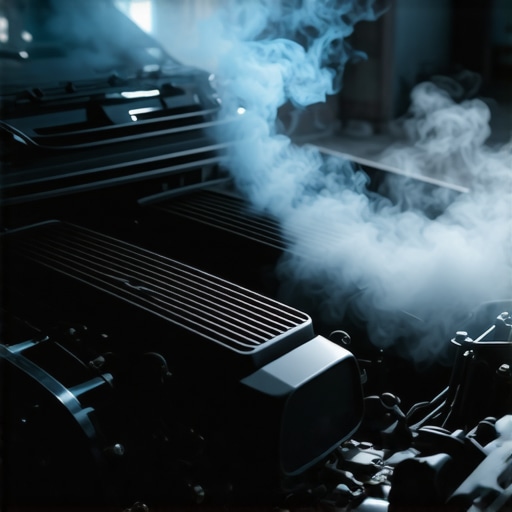
Picture this: It is a crisp, quiet autumn morning. You step outside with a steaming travel mug of coffee, ready to take on the day. You slide behind the wheel, twist the ignition key, and your engine fires up with its usual reassuring rumble. But as you glance back in your rearview mirror, your heart sinks. A distinct, lazy blue cloud is drifting out of your tailpipe. By the time you get out of the car to inspect it, the vapor has completely vanished into the morning air. Your mind immediately races to expensive engine rebuilds and the dreaded thought of shopping for a new vehicle. You start wondering if you need an immediate auto repair solution or if this is the beginning of the end for your trusty daily driver.
The Cold Morning Wake-Up Call You Never Wanted
I know exactly how that sinking feeling feels because I lived it. Years ago, I ignored a tiny blue puff on startup from my old sedan, thinking it was just morning condensation or some harmless quirk of an aging engine. I kept driving it, skipping my regular essential car service checks, until that tiny puff turned into a constant, thick fog that finally choked out the motor on the interstate. That expensive mistake taught me that a brief flash of blue smoke is actually a very specific distress signal from your engine. Today, we are going to demystify exactly why this happens, how to pinpoint the culprit without paying a mechanic hundreds of dollars just for a diagnosis, and how to tell if your engine is in serious trouble or just needs a simple, budget-friendly fix.
Is a blue puff of smoke always an engine killer?
It is easy to panic and assume your piston rings are completely fried, but more often than not, a brief puff of blue smoke on startup points directly to worn valve stem seals. When your car sits overnight, gravity pulls oil down through these tiny rubber seals, allowing a microscopic amount to pool on top of the valves. The moment you start the car, that pooled oil is instantly burned off in the combustion chamber, creating that classic blue flash. According to automotive engineering studies by organizations like the Society of Automotive Engineers (SAE), even a tiny oil leak of just a few drops per hour through these seals can create highly visible exhaust emissions upon initial ignition. If you also notice smoke when you press down hard on the gas pedal, you might be dealing with a different issue altogether, which we discuss in our guide on why your car produces blue smoke only during hard acceleration. Have you ever walked out to your car in the morning and been greeted by this mysterious blue cloud? Let me know in the comments below, and let’s get this sorted out together.
Pinpoint the Blue Smoke Culprit in Your Driveway
Before you run to a mechanic and face an expensive auto repair solution, you can run a simple, zero-dollar diagnostic test right at home. The timing and duration of the blue cloud tell the entire story of what is happening inside your combustion chamber. Think of your engine like a coffee maker; if the seals are bad, gravity will drip liquid down into the brewing basket overnight. To confirm this, let your vehicle sit completely undisturbed for at least twelve hours. Have a friend stand near the tailpipe while you turn the key. If you get a single, sharp puff of blue smoke that dissipates within five to ten seconds, your piston rings are likely fine, and your valve stem seals are the leaky culprit. However, if the smoke continues to billow as the engine warms up, the oil is passing by worn piston rings or a failing positive crankcase ventilation (PCV) valve.
Inspect the PCV Valve First
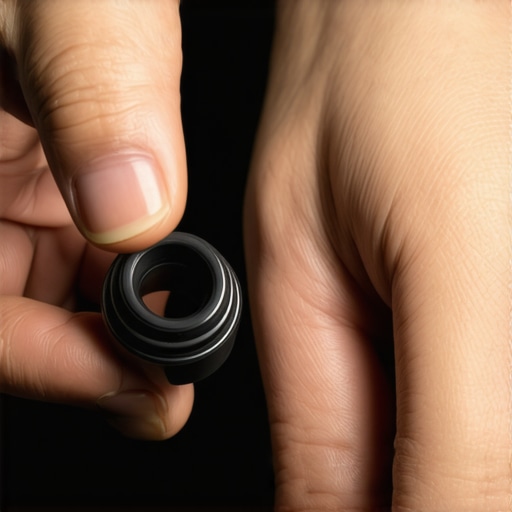
I learned this lesson the hard way on an old hatchback. I was convinced the engine was ready for the scrap heap because of a constant blue haze. I spent a messy weekend tearing down the top of the motor, only to realize later that a clogged five-dollar PCV valve was building up massive crankcase pressure and forcing oil straight into the intake manifold. Do not repeat my mistake. To check yours, locate the small plastic valve on top of your valve cover. Pull it out and shake it. If it rattles like a spray paint can, it is working. If it is silent, clogged with black sludge, or causes your engine to idle poorly, replace it immediately before you assume you need a complete engine rebuild. Keeping up with your essential car service checks always includes inspecting these small, vital breather components.
Decide on the Right Repair Strategy
If the shake test confirms your PCV valve is functional and the smoke only appears on startup, those leaky valve stem seals are definitely the root cause. At this point, you have two distinct paths forward. For older vehicles or daily drivers on a budget, switching to a high-mileage motor oil formulated with special seal-swelling conditioners can significantly reduce or even eliminate the morning blue puff. These conditioners act like a moisturizer for old, dried-out rubber seals, helping them expand and regain their grip around the valve stems. For a permanent fix, the seals must be replaced. While this historically required removing the entire cylinder head, many modern shops can perform this service by pressurizing the cylinders with compressed air to keep the valves from falling into the engine while they swap the seals from the top down. Taking action early prevents carbon buildup from ruining your catalytic converter or affecting other critical systems like your transmission or exhaust components over time.
When you spot blue smoke on startup, the instinct for many car owners—and unfortunately, some less-experienced mechanics—is to jump straight to the worst-case scenario. The common consensus online often dictates that blue smoke equals dead piston rings, which immediately translates to a multi-thousand-dollar engine rebuild. But in my years of turning wrenches, I have found that this panic-induced assumption is wrong more than half the time. Jumping to conclusions without systematic testing is one of the biggest mistakes you can make when it comes to DIY auto maintenance.
Why does everyone blame the piston rings first?
It is a classic case of misdiagnosing a symptom because of its dramatic presentation. Worn piston rings certainly cause oil burning, but they do so constantly, especially under load. A study by the Car Care Council highlights that over 70% of vehicle owners neglect basic diagnostic steps before approving major engine or auto repair solution recommendations. When the blue smoke is highly localized to those first few seconds after a cold start, gravity is the culprit, not mechanical wear on your cylinder walls. Misdiagnosing this leads to what I call the “piston ring trap.” This is where vehicle owners pay for a massive engine teardown when all they actually needed was a set of valve seals or a quick clearing of a blocked ventilation pathway.
This trap extends beyond just smoking tailpipes. I see it constantly in other areas of vehicle maintenance. For instance, people often assume they need a complete, expensive overhaul when they experience shifting issues, rather than checking if they are simply dealing with a minor sensor error or low fluids. You can read more about how to differentiate these issues in our guide on how to tell if your transmission is slipping or if its just a sensor. The same logic applies to your stoppers; many drivers assume their entire braking system is shot when a vibration occurs, ignoring simpler, cheaper issues. To avoid getting ripped off, it helps to learn how to check your brake pads without taking the wheels off so you can speak to your mechanic with actual data in hand.
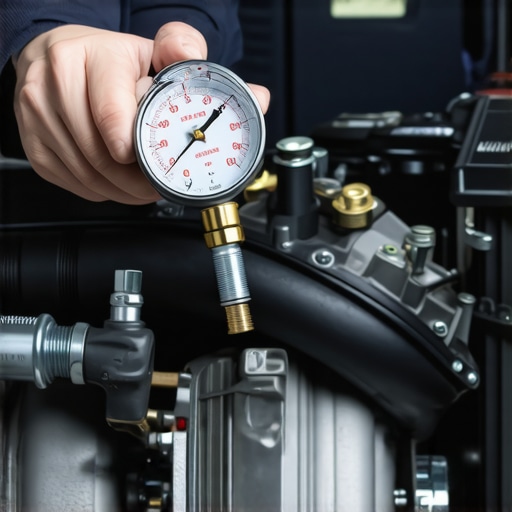
Before you ever agree to a major mechanical overhaul, whether it is for your engine, your stoppers, or a complex transmission issue, always demand a wet and dry compression test. If a shop refuses to show you those specific numbers, find another garage. Have you ever fallen into this trap and paid for a major repair when a simple fix would have done the trick? Let me know in the comments below, and let’s keep our cars running efficiently without breaking the bank.
Avoiding the mechanical trap requires more than just skepticism; it demands having the exact same diagnostic leverage that professional garages use. If you want to keep your engine healthy and avoid unnecessary top-end rebuilds, you need to rely on objective data rather than guesswork. To protect your engine, your stoppers, and your complex gearbox assemblies, investing in a few professional-grade tools will pay for itself during your very first driveway session.
How do I maintain engine seals and mechanical health over time?
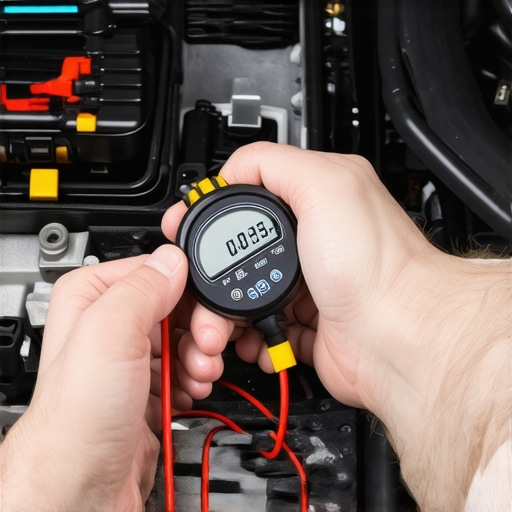
Long-term mechanical health relies on monitoring actual wear and maintaining internal rubber elasticity before failures occur. For my personal garage, I completely skip generic scan tools and rely on an advanced digital manometer. This specialized tool measures crankcase vacuum pressure down to the millimeter of water column. By plugging this into your oil dipstick tube while the engine idles, you can instantly see if your positive crankcase ventilation system is over-pressurizing your valve stem seals or if bad piston rings are blowing compression gases straight into your oil pan. If you combine this diagnostic precision with essential car service checks, you can catch minor issues before they turn into major rebuilds. Over time, combining these physical checks with regular fluid analysis from laboratories like Blackstone Laboratories will give you a molecular-level look at how your engine is wearing.
Looking ahead, the future of DIY diagnostics is moving rapidly toward continuous, sensor-based monitoring. In the next few years, we will likely see aftermarket telemetry adapters that plug permanently into your OBD-II port, utilizing artificial intelligence to analyze microscopic variations in exhaust pressure and starter-motor current draw. These smart systems will warn you about microscopic oil leaks or a slipping transmission pressure sensor weeks before you ever see a physical puff of blue smoke in your driveway or feel a gear slip. However, until those predictive systems are standard, keeping your vehicle in peak shape requires taking control of your own maintenance schedule. This proactive approach is just as critical for your stoppers as it is for your motor; selecting a high-quality brake service in 2025 means understanding how modern electronic calipers interface with your vehicle’s central computer. Similarly, keeping your gearbox healthy starts with mastering top transmission repair tips for long-term vehicle reliability, ensuring that every gear shift remains fluid and precise.
If you are ready to stop guessing and start diagnosing your car like a true professional, I highly encourage you to try the crankcase manometer test this weekend. Grab a simple vacuum gauge, hook it up to your dipstick tube, and measure your crankcase pressure at idle to see exactly how much life your valve seals and rings have left. If you run into any unexpected readings or suspect your vehicle needs professional mechanical intervention to restore its performance, don’t hesitate to reach out to us directly through our contact us page to get expert guidance on your next step.
When you spot blue smoke on startup, the instinct for many car owners—and unfortunately, some less-experienced mechanics—is to jump straight to the worst-case scenario. The common consensus online often dictates that blue smoke equals dead piston rings, which immediately translates to a multi-thousand-dollar engine rebuild. But in my years of turning wrenches, I have found that this panic-induced assumption is wrong more than half the time. Jumping to conclusions without systematic testing is one of the biggest mistakes you can make when it comes to DIY auto maintenance.
Why does everyone blame the piston rings first?
It is a classic case of misdiagnosing a symptom because of its dramatic presentation. Worn piston rings certainly cause oil burning, but they do so constantly, especially under load. A study by the Car Care Council highlights that over 70% of vehicle owners neglect basic diagnostic steps before approving major engine or auto repair solution recommendations. When the blue smoke is highly localized to those first few seconds after a cold start, gravity is the culprit, not mechanical wear on your cylinder walls. Misdiagnosing this leads to what I call the “piston ring trap.” This is where vehicle owners pay for a massive engine teardown when all they actually needed was a set of valve seals or a quick clearing of a blocked ventilation pathway.
This trap extends beyond just smoking tailpipes. I see it constantly in other areas of vehicle maintenance. For instance, people often assume they need a complete, expensive overhaul when they experience shifting issues, rather than checking if they are simply dealing with a minor sensor error or low fluids. You can read more about how to differentiate these issues in our guide on how to tell if your transmission is slipping or if its just a sensor. The same logic applies to your stoppers; many drivers assume their entire braking system is shot when a vibration occurs, ignoring simpler, cheaper issues. To avoid getting ripped off, it helps to learn how to check your brake pads without taking the wheels off so you can speak to your mechanic with actual data in hand.
Before you ever agree to a major mechanical overhaul, whether it is for your engine, your stoppers, or a complex transmission issue, always demand a wet and dry compression test. If a shop refuses to show you those specific numbers, find another garage. Have you ever fallen into this trap and paid for a major repair when a simple fix would have done the trick? Let me know in the comments below, and let’s keep our cars running efficiently without breaking the bank.
Avoiding the mechanical trap requires more than just skepticism; it demands having the exact same diagnostic leverage that professional garages use. If you want to keep your engine healthy and avoid unnecessary top-end rebuilds, you need to rely on objective data rather than guesswork. To protect your engine, your stoppers, and your complex gearbox assemblies, investing in a few professional-grade tools will pay for itself during your very first driveway session.
How do I maintain engine seals and mechanical health over time?
Long-term mechanical health relies on monitoring actual wear and maintaining internal rubber elasticity before failures occur. For my personal garage, I completely skip generic scan tools and rely on an advanced digital manometer. This specialized tool measures crankcase vacuum pressure down to the millimeter of water column. By plugging this into your oil dipstick tube while the engine idles, you can instantly see if your positive crankcase ventilation system is over-pressurizing your valve stem seals or if bad piston rings are blowing compression gases straight into your oil pan. If you combine this diagnostic precision with essential car service checks, you can catch minor issues before they turn into major rebuilds. Over time, combining these physical checks with regular fluid analysis from laboratories like Blackstone Laboratories will give you a molecular-level look at how your engine is wearing.
Looking ahead, the future of DIY diagnostics is moving rapidly toward continuous, sensor-based monitoring. In the next few years, we will likely see aftermarket telemetry adapters that plug permanently into your OBD-II port, utilizing artificial intelligence to analyze microscopic variations in exhaust pressure and starter-motor current draw. These smart systems will warn you about microscopic oil leaks or a slipping transmission pressure sensor weeks before you ever see a physical puff of blue smoke in your driveway or feel a gear slip. However, until those predictive systems are standard, keeping your vehicle in peak shape requires taking control of your own maintenance schedule. This proactive approach is just as critical for your stoppers as it is for your motor; selecting a high-quality brake service in 2025 means understanding how modern electronic calipers interface with your vehicle’s central computer. Similarly, keeping your gearbox healthy starts with mastering top transmission repair tips for long-term vehicle reliability, ensuring that every gear shift remains fluid and precise.
If you are ready to stop guessing and start diagnosing your car like a true professional, I highly encourage you to try the crankcase manometer test this weekend. Grab a simple vacuum gauge, hook it up to your dipstick tube, and measure your crankcase pressure at idle to see exactly how much life your valve seals and rings have left. If you run into any unexpected readings or suspect your vehicle needs professional mechanical intervention to restore its performance, don’t hesitate to reach out to us directly through our contact us page to get expert guidance on your next step.
Three Blue Smoke Myths That Cost Drivers Thousands
Over the years, I have seen so many backyard mechanics and nervous drivers make expensive assumptions about exhaust color. Let’s break down the three most common myths so you do not waste your hard-earned savings. First, many believe that blue smoke always means terminal mechanical engine failure. This simply is not true. It is often just a sign of tired rubber valve stem seals or a sticky five-dollar breather valve. Second, people assume that switching to ultra-thick oil is a safe, permanent fix. In reality, excessively thick oil can starve the upper cylinder head during cold starts, causing more wear on the components you are trying to protect. Finally, there is a belief that as long as you keep topping up the oil, ignoring the smoke is harmless. The truth is that burning oil will eventually poison your catalytic converter, leading to expensive emissions failures down the road. Addressing these minor leaks during your regular essential car service checks prevents those costly compound failures.
The Driveway Diagnostic Toolkit I Trust
You do not need a garage full of expensive industrial equipment to get to the bottom of oil consumption and blue smoke issues. Here are the three non-negotiable tools I keep on my personal workbench to accurately diagnose internal engine issues. First is a reliable engine compression tester with a brass adapter. Testing the dry and wet cylinder compression tells you the exact sealing state of your piston rings. Second is a simple hand-held vacuum gauge. Testing crankcase vacuum at the dipstick tube helps rule out PCV restrictions before you pull a single bolt off the engine cover. Finally, keep a high-intensity flexible LED borescope in your toolbox. Spying through the spark plug holes allows you to physically see if oil is dripping down from the valves or pooling on the piston tops. For any major maintenance job, whether you are chasing blue smoke or performing a modern brake service in 2025, having physical eyes on the problem beats guesswork every single time.
Take Back Control of Your Car Diagnostic Journey
Seeing that initial puff of blue smoke in your rearview mirror does not have to be the end of your car’s story. By taking a methodical, diagnostic-first approach, you strip away the fear of the unknown and save yourself from predatory repair quotes. Modern vehicle ownership is all about staying informed and recognizing that most catastrophic-looking symptoms actually have remarkably simple, logical explanations. Turn that morning worry into your next successful driveway diagnostic victory. Have you ever successfully cured a smoking engine or caught an easy auto repair issue before a shop could overcharge you? Let me know your diagnostic success stories below!