
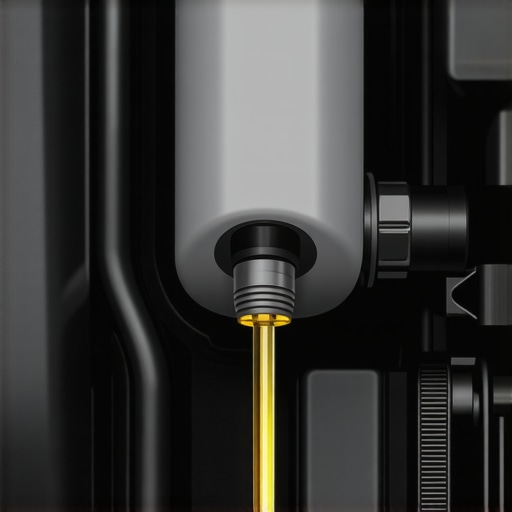
It was a cold Tuesday evening when I pulled my sedan into the garage, shut off the engine, and noticed that dreaded, glowing amber brake warning light on my dashboard. I popped the hood, unscrewed the reservoir cap, and sure enough, my fluid level was sitting right at the minimum line. Naturally, I grabbed a flashlight and slid under the chassis, expecting to find a telltale puddle of slick, amber fluid near the wheels or dripping down the firewall. Nothing. The garage floor was bone dry, the calipers looked clean, and the lines were spotless. I remember feeling completely baffled, wondering if my car was somehow evaporating hydraulic fluid into thin air.
The Mystery of the Disappearing Hydraulic Fluid
When you are dealing with a sealed system, logic dictates that a drop in fluid level must mean there is a hole somewhere. But early in my DIY journey, I made the classic mistake of immediately buying three bottles of DOT 4 and frantically hunting for a puncture that simply did not exist, wasting hours in the process. What I did not realize then is that your braking system has a built-in way of letting you know your friction materials are wearing down. Before you panic and assume your master cylinder is shot, you need to understand how these components interact over time.
As your brake pads gradually wear away from thousands of stops, the caliper pistons have to travel further outward to press those pads against the rotors. To compensate for this extra travel distance, brake fluid is drawn down out of the master cylinder reservoir and into the caliper bores. This is a completely normal, self-adjusting feature of modern disc brakes. If you have noticed other strange behaviors, like why your brake pedal goes all the way to the floor, or if you suspect your system needs a professional eye, it might be time for a comprehensive brake service to measure your remaining pad thickness.
Are worn brake pads actually enough to trigger a dashboard warning?
Absolutely. Many drivers do not realize that the distance between brand-new brake pads and metal-on-metal backing plates can equal a significant volume of fluid inside your reservoir. According to safety data compiled by the National Highway Traffic Safety Administration (NHTSA), neglecting basic brake friction wear is one of the leading causes of preventable mechanical highway accidents. When your pads are thin, the fluid level drops naturally to fill the void, often dipping just low enough to trip the sensor. If you top it off now, you might actually cause an overflow later when you compress the pistons to install fresh pads. This is why keeping up with essential car service checks is so critical for your vehicle’s lifespan.
Have you ever popped your hood only to find a low reservoir without a single drop of fluid on your driveway? Let me know in the comments below! If you want to handle this yourself, we will dive next into how to check your components safely, or you can read up on how to check your brake pads without taking the wheels off to see if worn friction material is indeed your silent culprit.
How to Track Down the Hidden Fluid Loss Yourself
To understand why your reservoir is low when your driveway is dry, think of your braking system as a simple hydraulic syringe. When you push the plunger on one end, the fluid has to go somewhere. In your car, that fluid is pushed down into the caliper pistons. As your brake pads wear thinner, those pistons stay pushed out permanently, acting like an expanded syringe that holds more fluid than it did when the pads were brand new. To verify this is what is happening, you need to execute a systematic inspection under the hood and behind the wheels.
I remember a messy Saturday afternoon working on my old hatchback when I made the classic rookie mistake of topping off a low reservoir without checking my pads first. Two weeks later, I went to change the pads, forced the caliper pistons back into their bores with a C-clamp, and watched in horror as corrosive DOT 4 fluid overflowed the reservoir, stripping the paint right off my inner fender well. That costly clean-up taught me to always measure pad thickness before touching a bottle of brake fluid.
Measure Your Brake Pad Material First
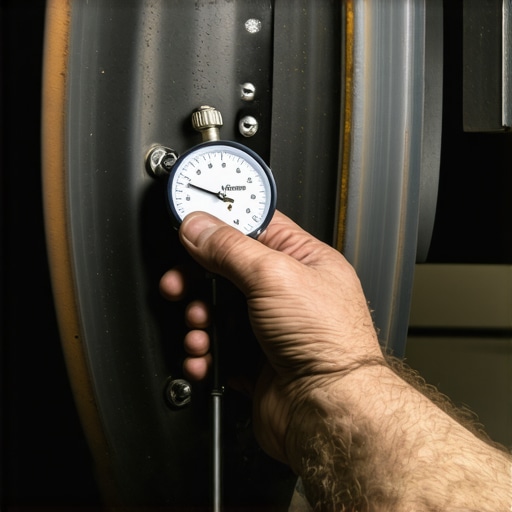
Your first step is to get a visual on your actual friction material. Grab a flashlight and peer through the spokes of your wheels. If your wheels have a tight design, you can learn how to check your brake pads without taking the wheels off using a simple inspection mirror or your smartphone camera. You are looking for the thickness of the pad material relative to its metal backing plate. If the pad material is less than three millimeters thick, your pistons are extended far out, which perfectly explains why your reservoir level has plummeted.
Inspect the Hidden Crevices for Slow Seepage
If your brake pads actually have plenty of life left, you have to look for the tiny, slow seeps that evaporate before they ever drip onto the ground. This is a critical part of your ultimate guide to auto repair to keep your vehicle operating safely. Pull back the rubber dust boots on your brake calipers. If you find wet, greasy sludge inside the boot, the internal piston seal is failing, allowing fluid to slowly bypass the piston and burn off from the extreme heat of braking. Next, trace the flexible rubber brake lines up to where they meet the rigid steel lines. Look closely at the crimp fittings; dirt and road grime love to stick to slow, oily leaks here, creating a dark, crusty buildup rather than an obvious puddle.
Look Inside Your Cabin Near the Pedals
When the exterior lines and calipers are dry but you are still losing fluid, the culprit is often hiding right inside the cabin. Slide your driver’s seat all the way back, crawl into the footwell with a flashlight, and look up at the pushrod that connects your brake pedal to the firewall. If the rear seal of your master cylinder fails, fluid will slowly leak out of the back of the cylinder, run down the inside of the firewall, and get absorbed directly by the thick carpet padding under your feet. A damp, sticky spot on the carpet near the pedals is a dead giveaway that your master cylinder needs an immediate replacement. If you notice other strange performance issues alongside this, like your vehicle pulling hard after striking road debris, you should investigate why your car pulls hard to one side after hitting a pothole to ensure your steering rack and suspension components are still structurally sound.
While many home mechanics think a low reservoir simply requires a quick pour of DOT fluid, they are missing a critical nuance of modern hydraulic systems. In my years of troubleshooting under the hood, I have realized that simply topping off your fluid without measuring your friction material is actually a major disservice to your vehicle. Many drivers operate under the myth that brake fluid is a consumable resource like engine oil or windshield washer fluid. It is not. In a healthy vehicle, the fluid level should only drop as a direct indicator of pad wear. When you artificially raise that level, you mask the natural warning signs your car is trying to send you.
Why does adding brake fluid mask deeper mechanical issues?
When you constantly add fresh fluid to keep the reservoir at the maximum line, you lose your built-in pad wear gauge. According to technical bulletins from the National Institute for Automotive Service Excellence (ASE), overfilling or repeatedly topping off hydraulic reservoirs without replacing worn friction components frequently leads to caliper damage and system over-pressurization. By forcing extra fluid into the system, you run the risk of blowing out seals when the calipers are finally compressed during a future brake swap. If you want to keep your car operating safely, it is far better to consult the ultimate guide to auto repair or seek out a professional brake service rather than relying on a temporary, chemical band-aid.
This same dangerous shortcut mirrors another common DIY mistake: trying to patch a leaking gearbox with cheap additives. Just like relying on a bottle of fluid to fix a hydraulic drop, trying to resolve a slipping gearbox with stop-leak products is a recipe for disaster. If you want to avoid destroying your internal clutches, you should understand why relying on transmission leak repair fluid is often a costly mistake. True mechanical fixes require physically inspecting the hardware, not pouring thickeners into your reservoirs.
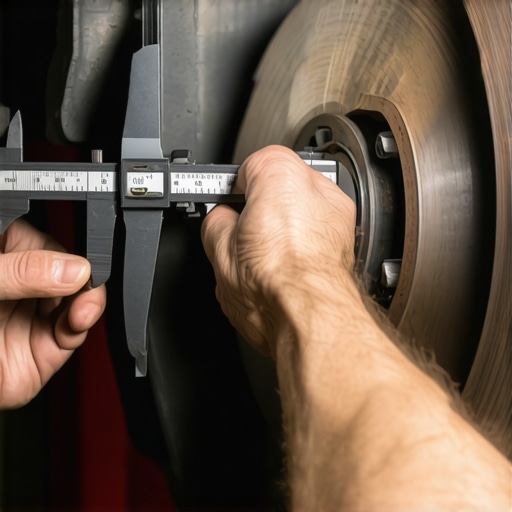
Before you reach for that bottle of DOT 3 or DOT 4 next Saturday, take five minutes to pull your front wheels and check your pads. Have you ever fallen into the trap of topping off your fluid only to have it overflow later when changing your brakes? Let me know in the comments below! If you are ever in doubt about the health of your hydraulic lines or master cylinder, it is always best to let professionals run a diagnostic sweep on your entire chassis to protect your investment for the long haul.
When you transition from basic driveway maintenance to serious, long-term vehicle care, you quickly realize that standard hand tools only get you so far. To stop chasing phantom hydraulic issues and start accurately tracking your system’s health, you need to upgrade your diagnostic arsenal. I used to rely on visual guesswork and cheap plastic calipers until I realized that precision is the only thing standing between a firm, reassuring pedal and a terrifying mechanical failure.
How do I maintain my hydraulic brake system over time?
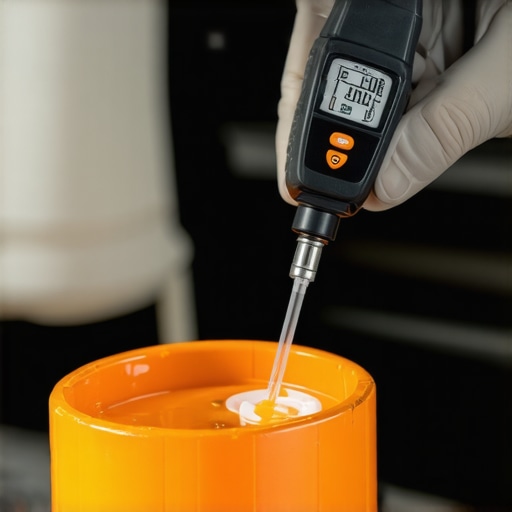
True long-term hydraulic maintenance relies on tracking moisture content and ensuring physical components move without binding. Over time, glycol-based brake fluid naturally absorbs moisture from the air, which lowers its boiling point and causes internal corrosion. Rather than relying on arbitrary mileage intervals, I personally use a digital pen-style brake fluid tester that measures electrical conductivity to determine exact water percentage. If the tester shows more than 2% water content, it is time to perform a full system flush. Keeping your fluid pristine is one of those essential car service checks that prevents expensive master cylinder failures down the road.
For the mechanical side, my absolute favorite tool is a high-quality sliding caliper pin grease containing pure silicone or ceramic solids. Standard petroleum chassis grease will swell the rubber slider boots, trapping moisture and causing the calipers to seize. Once a year, I slide under my car, pull the guide pins, clean them with brake parts cleaner, and apply a thin layer of specialized silicone lubricant. This simple habit prevents uneven pad wear and stops you from wondering why your brake rotors keep warping every few months due to localized overheating.
Looking ahead, the future of brake maintenance is shifting rapidly toward brake-by-wire systems, which are already becoming standard on electric vehicles and high-end hybrids. In these systems, the physical connection between your foot and the master cylinder is replaced by travel sensors and high-speed actuators. According to the technical service manuals published by Bendix Commercial Vehicle Systems, future diagnostics will rely heavily on software-driven calibration sweeps to verify actuator pressure rather than traditional manual bleeding. However, even with advanced electronic controls, the physical caliper pistons, slider pins, and friction materials will still require manual lubrication and inspection to prevent mechanical drag.
If you want to take control of your vehicle’s safety and longevity, I highly encourage you to try one specific advanced tip this weekend: invest in a digital brake fluid refractometer or electronic pen tester. Pop your hood, test your reservoir fluid, and find out exactly how much moisture is hiding inside your lines before you plan your next major brake service.
Over years of working in grease-stained garages, I have come to realize that the most baffling automotive issues are rarely the ones that make the loudest noises. It is the quiet, invisible shifts—like a slowly dropping reservoir with dry pavement beneath—that teach us how our vehicles actually breathe and wear.
The Hardest Lessons I Learned Troubleshooting My Own Brake System
In my early DIY days, I treated my car like a collection of isolated parts. Experience has taught me three fundamental truths that completely changed how I approach maintenance:
- Your reservoir is a wear gauge, not a cup holder: Constantly topping off a low reservoir without checking the physical pads is a recipe for messy overflows and masked problems. Trust the system’s built-in physics.
- Moisture is the silent killer of stopping power: You cannot see water contamination in your lines, but you will absolutely feel it when your pedal turns to mush on a hot summer afternoon. If you have done a flush and still feel a soft response, you should investigate why your brakes feel spongy even after bleeding the lines.
- Never ignore a dry fluid drop: Before you spend hundreds on new parts, crawl underneath or check inside. If your cabin floor smells slightly sweet or feels damp near the pedals, your master cylinder has likely given up its internal seal.
The Diagnostic Tools I Always Keep in My Top Drawer
You do not need a commercial shop to perform professional-grade diagnostics. To keep my vehicles operating flawlessly, I rely on a few highly specific, inexpensive tools that remove all the guesswork:
- Digital Brake Fluid Pen Tester: This pocket-sized tool measures the electrical conductivity of your fluid to reveal exact moisture levels in seconds. It is a vital part of keeping up with your essential car service checks to extend your vehicles life.
- Pure Silicone Slider Pin Lubricant: Never use standard chassis grease on your caliper guide pins. I trust high-temp silicone paste because it will not degrade the delicate rubber boots, saving you from uneven pad wear and sticky calipers.
- Visual Inspection Mirror: A telescoping mirror allows you to read inner pad thickness and examine hidden line crimps without having to lift the vehicle and pull the wheels off every single time.
Take Control of Your Hydraulic Health This Weekend
The transition from a driver who reacts to dashboard warnings to one who anticipates mechanical wear is incredibly rewarding. Do not let hidden hydraulic drops keep you guessing. Pop your hood this weekend, measure your pad thickness, test your fluid’s moisture content, and give your car the precise attention it deserves. If you ever run into a complex issue that requires a professional hydraulic sweep, seeking a high-quality brake service is the smartest way to protect your investment and keep your family safe on the road.
Have you ever spent hours hunting for a hydraulic leak only to realize your brake pads were just naturally wearing down? Let me know in the comments below!