
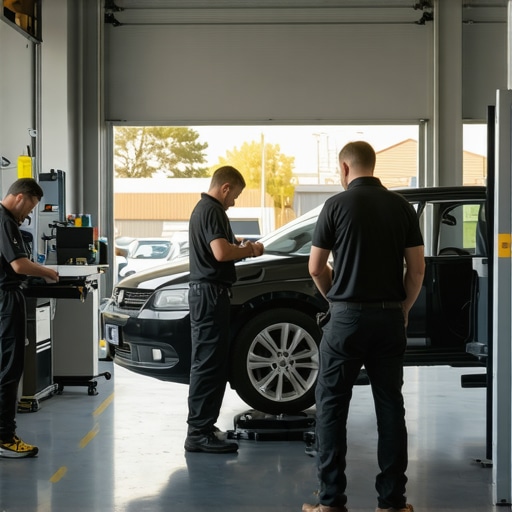
One morning, I turned the ignition and heard that dreadful clunk—a sound I knew all too well. It was a jarring reminder that neglecting my car’s health could lead to expensive repairs or safety issues on the road. That lightbulb moment made me realize I was taking my vehicle’s maintenance for granted, thinking it could wait. But in the world of auto repair, procrastination often comes at a steep price.
Why Staying Ahead of Auto Repair Is Crucial in 2024
Today, more drivers are realizing that preventive maintenance isn’t just about avoiding breakdowns—it’s about ensuring safety, saving money, and maintaining vehicle value. As collision renewal experts have observed, regular service can significantly reduce the risk of major issues down the line. According to the National Highway Traffic Safety Administration, vehicles properly maintained are 50% less likely to be involved in accidents caused by mechanical failure. That’s a compelling reason to prioritize your car’s health now, before small problems become costly emergencies.
Is Promising Your Car’s Safety Actually Worth the Hype?
Early in my auto repair journey, I made the mistake of skipping routine brake inspections. What seemed like a minor oversight ended with a sudden brake failure that could have turned disastrous. Looking back, I see how that mistake not only jeopardized my safety but also led to more expensive repairs than if I’d been proactive. Trust me—skipping essential services like brake and transmission checks isn’t just irresponsible; it’s risky. For expert insights on keeping your vehicle in top shape, check out these essential services for 2024.
So, what can you do today to avoid becoming another statistic? Read on as I share practical tips and strategies that have helped countless drivers stay ahead of auto issues, saving money and lives in the process. Because when it comes to your vehicle—and your safety—proactive care is always the best choice.
.
Schedule Regular Inspections
The first step towards proactive auto care is setting up a consistent inspection routine. Think of your car as a health check-up—just like visiting a doctor, periodic checks catch issues early. For instance, I once scheduled a brake check after noticing a slight squeal. The mechanic detected early signs of wear, allowing me to replace brake pads before any serious problem arose. To keep your vehicle in top shape, refer to this guide on essential auto services.
Prioritize Fluid and Filter Replacements
Fluids and filters are the lifeblood of your vehicle’s systems. Neglecting these is like ignoring your own blood work; problems may manifest later as costly repairs. I learned this the hard way when I delayed an oil change, resulting in engine sluggishness. Regularly replacing oil, transmission fluids, and filters ensures smooth operation and extends component lifespan. Schedule these based on your vehicle’s manual and consider professional service to get precise replacements, especially for transmission and brake fluids. For detailed strategies, see this comprehensive maintenance checklist.
Monitor Wear and Tear with Diagnostic Tools
Modern vehicles come equipped with diagnostic systems, but manual checks remain crucial. Use a OBD-II scanner or visit your mechanic for diagnostics. I once used a scanner to check for engine error codes myself, saving time and catching issues early. Diagnostics help identify problems with sensors, brakes, or transmission that are not immediately visible. Regular diagnostics prevent small glitches from escalating, and many auto repair shops offer a quick scan for a reasonable fee. For details on effective diagnostics, consult this expert advice.
Maintain Critical Components Vigilantly
Focus on parts that impact safety directly, like brakes, tires, and transmission. For example, I was negligent about brake pad thickness, which nearly led to failure on a long trip. Routine brake service involves checking pad wear, rotor condition, and fluid levels—these are vital for safe stopping. In addition, transmission health is key; a slipping transmission can be disastrous. Schedule regular transmission check-ups and be alert for signs of slipping or strange noises. Keeping these parts in check takes minimal effort but offers maximum safety dividends.
Adopt a Consistent Maintenance Routine
Build auto maintenance into your calendar, much like appointments. Use reminders for oil changes, tire rotations, and fluid replacements. I set monthly alerts on my phone, which prompted me to follow through even during busy weeks. Consistency prevents neglect and prolongs service intervals. Remember, a well-maintained vehicle isn’t just about longevity—it’s about safety every time you turn the key. For tailored advice, see this maintenance strategy.
The Hidden Nuance Behind Car Service and Repairs
Many car owners approach vehicle maintenance with misconceptions that can lead to costly mistakes. A common myth is that routine auto repairs, like brake or transmission services, are always synonymous with expensive, unnecessary procedures. In reality, understanding the nuanced needs of your vehicle can prevent overpaying and ensure optimal safety. For instance, some believe that replacing brake pads prematurely offers no real benefit; however, early intervention, based on expert diagnostic checks, can save you from rotor damage or even compromised safety. It’s a misconception that all repairs need to be drastic or immediate, but advanced diagnostics reveal that timely, minor fixes often extend your vehicle’s lifespan and improve safety.
What Are the Risks of Ignoring Specific Vehicle Nuances?
Overlooking the subtleties of auto maintenance can trap you in costly repair cycles. For example, assuming that trans fluid replacement isn’t urgent can lead to transmission slippage or failure, especially if overlooked in high-mileage vehicles. A study from the Automotive Service Association indicates that many drivers neglect vital systems because of misinformation about their longevity or necessity, resulting in increased repair costs down the line. To stay ahead, proactive strategies like scheduled transmission and brake services are crucial. Recognizing the critical signs of wear, such as unusual noises or delayed responses, helps prevent small issues from becoming emergencies.
Another trap is the belief that all parts wear out simultaneously, leading drivers to wait until multiple issues stack up before addressing them. In fact, components like brake systems or transmission parts often degrade at different rates, influenced by driving habits and environmental conditions. Regular inspections tailored to your vehicle’s specific usage can catch these issues early—saving costs and ensuring safety.
Why Do Experts Emphasize Routine Diagnostics for Advanced Drivers?
Modern vehicles come with sophisticated diagnostic systems, but relying solely on dashboard warning lights is insufficient. Advanced diagnostics, such as professional diagnostics tools, can uncover underlying issues invisible to the untrained eye. This is especially vital for high-mileage or complex vehicles where sensor malfunctions or minor irregularities could compromise safety. Skipping these checks often results in unforeseen breakdowns, which can be far more costly and dangerous. Regular diagnostic assessments act as a safeguard, ensuring that systems like brakes and transmission are operating within safe parameters.
In conclusion, understanding the nuances in auto repair and maintenance can save you money and protect your safety. Don’t fall into the trap of general assumptions or myths. Instead, invest in expert guidance and tailored solutions—your vehicle and your wallet will thank you. Have you ever fallen into this trap? Let me know in the comments.
Maintaining your car’s health over time requires a combination of reliable tools, consistent routines, and a good understanding of your vehicle’s needs. Personally, I rely on a few key pieces of equipment that empower me to keep my car safe and efficient, even between professional services. One indispensable tool I’ve found is the OBD-II scanner. Unlike basic dashboard warning lights, this device allows me to access detailed error codes, pinpoint issues with sensors, brakes, or transmission, and address minor problems before they escalate. I personally use the BlueDriver brand because of its comprehensiveness and user-friendly app, which makes diagnostics accessible for both novices and seasoned enthusiasts.
In addition to diagnostics, I invest in quality wrench sets and socket tools from brands like Snap-On. Having a dedicated toolkit ensures I can perform routine inspections—such as checking brake pad thickness or replacing filters—without waiting for scheduled mechanics. These tools are robust, ergonomic, and durable enough to handle finishing touches on complex parts, making routine maintenance less daunting.
How do I maintain long-term vehicle health over time?
One strategy I highly recommend is keeping a detailed maintenance log. With digital tools like AutoMate or simply a well-organized spreadsheet, I track oil changes, fluid replacements, and inspections. This habit ensures I don’t overlook critical intervals, especially for essential components like transmission and brake systems, which you can learn more about here. By proactively planning these, I avoid costly emergency repairs and extend the lifespan of my vehicle significantly.
Looking ahead, I predict that the integration of smart diagnostic tools and predictive maintenance algorithms will revolutionize car care. Future vehicles might alert drivers about issues weeks or months in advance, based on data analytics, much like health apps on smartphones. To stay ahead, embracing advanced diagnostics and routine checks now will prepare you for this evolving landscape.
For instance, regularly using an OBD-II scanner to monitor sensor data can spot irregularities early. I suggest trying out the FIXD scanner, which connects to your smartphone and provides easy-to-understand diagnostics. This small investment can save you hundreds in repair costs and increase safety.
Maintenance isn’t just about fixing problems—it’s about understanding your vehicle’s nuances and acting promptly. By combining quality tools, disciplined routines, and active diagnostics, you create a personal auto care system that is both proactive and cost-effective. Remember, cars are complex machines, but with the right approach, you can keep yours running smoothly for years to come.

What I Wish I Knew About Auto Care Early On
- Never underestimate the power of consistent diagnostics; catching issues early with tools like an OBD-II scanner can save thousands and prevent dangerous breakdowns.
- Building a maintenance routine isn’t just about ticking boxes — it’s about creating a safety net that adapts to your driving habits and environmental conditions, avoiding costly surprises.
- Embracing modern technology, such as smartphone-connected diagnostic tools, turned my auto repair approach from reactive to proactive, giving me peace of mind on the road.
Tools and Resources That Keep Me Ahead
- The BlueDriver OBD-II scanner helped me identify hidden sensor issues before they became urgent problems, making diagnostics accessible and affordable.
- My dedicated toolkit from Snap-On allows me to perform routine checks, like brake pad inspections, without waiting for scheduled appointments, saving time and money.
- Following expert advice from collisionrenew.com keeps my maintenance strategies sharp and aligned with the latest safety standards.
- Utilizing digital maintenance logs helps me track service intervals, ensuring I don’t overlook critical replacements like transmission fluids and brake components.
Keep Accelerating Towards Safer, Smarter Vehicle Care
Your vehicle’s health is a long-term investment in safety and peace of mind. With the right tools, knowledge, and consistent habits, you can transform auto maintenance from a chore into a strategic advantage. Remember, every proactive step you take today enhances your driving experience tomorrow—so stay curious, stay informed, and keep your car—and yourself—safe on the road. Are you ready to take control of your auto care routine and experience the difference? Let me know your thoughts below.