
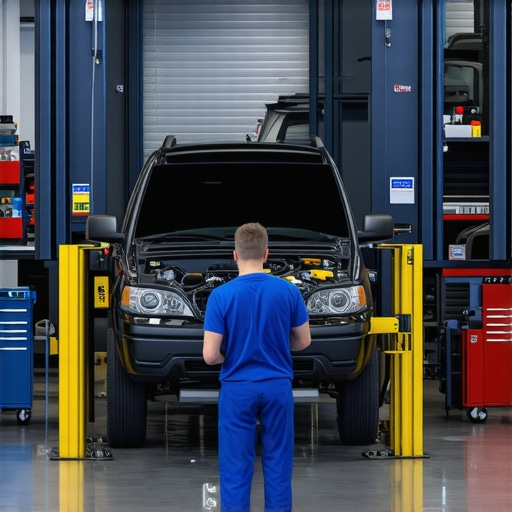
It was a chilly morning when I realized my brakes felt unexpectedly soft. I was just about to hit the road, and suddenly, I questioned whether my car was as safe as I thought. That lightbulb moment—when I understood how neglecting simple auto maintenance could turn a minor glitch into a major safety hazard—stayed with me. Over the years, I’ve learned that many car owners face similar surprises, often too late.
Why Staying Ahead on Auto Repair Is More Crucial Than Ever
With 2024 bringing new safety standards and vehicle technologies, ensuring your car is in top shape isn’t just about avoiding breakdowns—it’s about your safety on busy roads. The reality is, many drivers underestimate the importance of regular maintenance. According to the Insurance Institute for Highway Safety, neglecting crucial repairs can increase accident risks significantly. I made a mistake early on by ignoring a minor transmission issue, only to face costly repairs down the line. That experience taught me the value of proactive auto care.
Is Auto Repair Still Worth the Time and Money?
Honestly, I used to think that minor repairs weren’t urgent, and I often postponed service appointments, thinking they could wait. But delaying needed repairs—like brake services or transmission checks—can compromise your safety and lead to bigger expenses later. The good news? With the right guidance and expert tips, maintaining your vehicle in 2024 is straightforward. For detailed strategies, you can visit this guide on effective transmission and brake services. I’m here to share what I’ve learned and help you avoid the pitfalls I fell into.
Start with a Comprehensive Inspection
Before tackling any repairs, conduct a thorough vehicle inspection. Think of your car as a patient; a checklist ensures no symptom is overlooked. Check brake pads for wear—if they’re less than 1/4 inch thick, it’s time for a replacement. Examine transmission fluid level and color—bright red and at the proper level indicates good health, while dark or low fluid signals a need for a top-up or service. Use a flashlight to inspect belts and hoses for cracks or leaks, similar to doctors checking vital signs. During my last inspection, I caught a frayed transmission belt that would’ve failed soon, prompting me to schedule immediate service instead of risking breakdown.
For a detailed auto inspection checklist, visit this comprehensive guide.
Prioritize Critical Repairs First
Address Brake System Issues
Brakes are your car’s most vital safety feature—ignoring them is like neglecting your reflexes. If you notice squealing, sponginess, or a soft pedal, don’t postpone ремонт. Schedule a brake service promptly. Think of your brake system as the car’s emergency brake; if it falters, the risk of accidents rises sharply. I once delayed brake pad replacement until I heard grinding—by then, rotors were damaged, leading to a more costly fix. Regular brake inspections, ideally every 10,000 miles, can prevent such scenarios and keep you safe on busy roads. For expert insights, check out top brake maintenance tips.
Keep the Transmission in Top Shape
Your transmission is like the engine’s relay station, transmitting power efficiently. If it starts slipping or hesitating during gear shifts, immediate attention is required. Check transmission fluid levels monthly; low or dark fluid indicates internal wear. Consider a flush or fluid change if recommended by your mechanic—think of it as changing the oil in your engine to ensure smooth operation. During my experience, a transmission flush I scheduled prevented a costly rebuild and extended my car’s lifespan. Regular transmission maintenance not only saves money but also enhances safety during high-speed drives. Visit this resource for effective strategies.
Follow a Maintenance Calendar
Set reminders for routine services—alternator checks, tire rotations, and fluid replacements—like following a health schedule. For instance, annual transmission and brake inspections can preempt failures. Use a calendar app or a traditional notebook; consistency is key. During my last maintenance, I adhered to my schedule and avoided unexpected failures while on a road trip, saving me from costly repairs and dangerous situations. Plus, adhering to a maintenance routine improves vehicle longevity, ensuring your car runs safely for years. For tailored advice, explore strategies that align with your vehicle’s needs.
Leverage Professional Help Wisely
While DIY checks are essential, some repairs demand expert hands. Find a trusted mechanic with good reviews—think of them as your car’s doctor. Before any high-cost service, ask for diagnostics and detailed estimates. During my last transmission overhaul, choosing the right professional made all the difference; they identified a hidden issue that I would’ve never detected and fixed it efficiently. Building a good relationship with your auto repair shop ensures you receive quality service and reliable advice. For more insights, visit this guide on selecting the best auto repair partners.
Stay Alert to Warning Signs
Pay attention to your car’s signals—strange noises, vibrations, or warning lights. These are your vehicle’s alarms, much like a smoke detector. Ignoring them can escalate small issues into major failures. During one winter, I ignored a warning light, which resulted in a frozen brake line—a costly fix in freezing weather. Regularly scanning for warning signs and acting promptly preserves your safety and saves money. Use your dashboard indicators as a first-line defense and complement them with occasional manual checks, like inspecting brake rotor surfaces for uneven wear. For help decoding warning signs, see this essential resource.
Document and Track Service History
Keep detailed records of all repairs, inspections, and parts replacements. This documentation functions like a health record, guiding future maintenance decisions. I maintain a digital folder, noting dates, miles, and services performed; this helps me anticipate upcoming needs and ensures nothing is overlooked. When selling the car, a complete service record increases trust and value. Additionally, having the history simplifies diagnostics during unexpected issues, enabling precise and faster solutions. For best practices, review these tips on maintaining comprehensive records.
Many car owners operate under misconceptions that can lead to costly mistakes. One prevalent myth is that a quick oil change is sufficient to keep a vehicle running smoothly, but in reality, neglecting comprehensive diagnostics can hide underlying issues that escalate over time. Advanced auto repair isn’t just about replacing parts; it’s about understanding the intricate interactions within your car’s systems. For instance, some believe that transmission fluid doesn’t need regular attention—however, as highlighted by automotive experts, timely transmission flushes can prevent severe internal damage, saving you money and enhancing safety.
What do experienced mechanics know that most drivers overlook? Let’s dig deeper.
This hidden nuance involves the often-overlooked complexity of braking systems. Many assume that brake pads alone determine stopping power, but the reality is that issues like caliper sticking or rotor warping are equally critical. Over time, these subtleties can compromise vehicle safety. According to a study published by the National Highway Traffic Safety Administration, approximately 25% of accidents involving brake failure could have been prevented with more attentive maintenance of these nuanced components.
Another common mistake is postponing transmission maintenance, under the misconception that it is a ‘set and forget’ system. In truth, automatic transmissions depend on precise fluid conditions to function properly, and neglecting this can lead to slipping gears or complete failure. Routine checks and timely fluid changes are vital, even if the transmission seems to operate fine—which might lull drivers into false security. For those wanting expert guidance, visiting this resource can provide insights into advanced transmission care strategies.
Let’s also address the trap of misunderstanding auto repair timelines. Many believe that repairs can always wait until the car completely breaks down, but proactive servicing—like regular inspections for belts and hoses—can catch potential failures early. Over time, neglecting these can lead to sudden breakdowns, especially in extreme weather. Making use of a detailed maintenance schedule coupled with professional help ensures you’re not caught unprepared. Find more on this approach at this guide on auto maintenance strategies.
Ultimately, sharpening your understanding of these nuanced aspects and debunking common myths empowers you to make better decisions. It’s not just about repairs; it’s about proactive, informed automotive care that enhances safety and longevity. Remember, every system in your vehicle is interlinked, and overlooking small signs can have significant consequences. Have you ever fallen into this trap? Let me know in the comments.
Prioritize Precise Tools for Lasting Results
When it comes to maintaining your vehicle, especially for critical systems like brakes and transmission, using the right tools is essential. I personally rely on a quality digital multimeter, such as the Fluke 115, for electrical diagnostics because it provides accurate, real-time readings on battery health and sensor outputs, helping me catch issues early. Additionally, a torque wrench like the Tekton 1/2 inch drive ensures bolts are tightened to manufacturer specifications, preventing problems caused by over- or under-tightening that can compromise safety and component longevity. For fluid level checks, a high-quality inspection mirror and a flashlight are indispensable; they allow me to see into tight spaces and verify fluid conditions without disassembling parts unnecessarily.
Invest in Software for Deep Diagnostics
Modern vehicles are equipped with complex electronic systems that require sophisticated diagnostic tools. I recommend an OBD-II scanner like the BlueDriver Bluetooth, which syncs seamlessly with my smartphone to run comprehensive system scans and retrieve error codes. This tool not only speeds up troubleshooting but also provides detailed explanations, empowering me to decide whether a simple reset suffices or professional intervention is necessary. Moving forward, I believe predictive maintenance software integrated into vehicle systems will become more prevalent, proactively alerting drivers to issues before they manifest symptoms—saving time and money on repairs.
Long-Term Benefits of Consistent Maintenance
Adopting a disciplined approach with quality tools and diagnostic software enhances the longevity and safety of your vehicle. Regularly using these tools helps identify problems early, such as minor brake fluid degradation or transmission wear, preventing costly repairs down the line. For example, top-notch diagnostic kits like the Autel MaxiCOM scan tool can connect to multiple vehicle modules, offering a comprehensive health report—akin to a health check-up for your car. By investing upfront in these tools, you reduce downtime, ensure optimal performance, and build confidence in your vehicle’s reliability.
Looking Ahead: The Future of Auto Maintenance
As vehicle technology advances, I predict a surge in smart maintenance systems that integrate IoT devices, offering real-time data and remote diagnostics. This evolution will shift auto care from reactive to proactive, with vehicles self-reporting issues and even scheduling maintenance appointments automatically. Staying ahead involves embracing these innovations now—consider installing aftermarket telematics or software that can interface with your vehicle’s systems. The goal is to minimize surprises and maintain peak safety and performance consistently.
How do I keep my car working over time?
Consistency with high-quality tools and routine diagnostics is key. I regularly service my vehicle using precise torque wrenches, multimeters, and advanced scan tools, which allows me to spot potential issues early and address them effectively. Furthermore, sticking to a maintenance schedule and consulting trusted resources like this guide on transmission and brake services helps me make informed decisions. Try integrating one of these diagnostic tools into your routine — it might just save you from unexpected breakdowns and extend your vehicle’s lifespan.
Lessons the Repair Shop Won’t Tell You
One of the most eye-opening lessons I learned was that not all auto repair advice is straightforward; mechanics often hold back critical insights, assuming drivers won’t grasp the nuances. I once underwent a transmission flush without understanding that specific fluid types and timing are vital—something I discovered only after researching independently. This experience made me realize the importance of asking detailed questions and doing my own homework before committing to repairs.
Another surprising lesson was how subtle brake noise or vibrations can indicate major issues lurking beneath. I used to ignore squealing sounds, thinking they were minor, but learned that catching these early can prevent costly rotor replacements later. Engaging with knowledgeable sources like these maintenance strategies has helped me become more proactive.
Finally, I realized that DIY checks are invaluable, but only when combined with professional diagnostics. Relying solely on visual inspections can be misleading; tools like OBD-II scanners can uncover hidden problems that are not yet apparent—saving me from unexpected breakdowns. This layered approach to auto maintenance has truly transformed my driving experience.
My Tools for Reliable Car Care
Over time, I’ve come to trust a handful of essential tools that keep my vehicle in top shape. A high-quality digital multimeter like the Fluke 115 helps me verify electrical components, ensuring my car’s systems are functioning correctly. Additionally, a sturdy torque wrench such as the Tekton 1/2 inch drive is crucial for tightening bolts precisely—preventing damage or safety hazards. For fluid checks, a reliable inspection mirror and bright flashlight allow me to see into tight spaces, catching issues early.
Beyond physical tools, I rely heavily on diagnostic software like BlueDriver Bluetooth scanner. It syncs effortlessly with my phone, providing detailed error codes and recommendations. Investing in these tools has empowered me to understand my car better and make informed decisions, ultimately extending its lifespan and safety.
Moving forward, I see a future where smart diagnostics become standard—integrating IoT devices that alert us in real-time about potential problems. Staying ahead by embracing these innovations will be key to safer, more reliable driving.
Take Charge of Your Vehicle’s Future
Embracing the lessons I’ve learned and arming myself with the right tools has been a game-changer. Regular maintenance, proactive diagnostics, and staying informed about your vehicle’s needs are the best safeguards against unexpected failures. Why not start today by scheduling a comprehensive inspection or investing in a quality scanner? Your car—and your safety—will thank you.
Have you ever uncovered a hidden car issue just before it turned into a major problem? Share your story below—I’d love to hear how you took control of your auto care journey.
}#}#}},{‘title’:’How I Discovered the Hidden Truths About Auto Maintenance That Changed My Car Care Routine’,’htmlBody’:’
Lessons the Repair Shop Won’t Tell You
One of the most eye-opening lessons I learned was that not all auto repair advice is straightforward; mechanics often hold back critical insights, assuming drivers won’t grasp the nuances. I once underwent a transmission flush without understanding that specific fluid types and timing are vital—something I discovered only after researching independently. This experience made me realize the importance of asking detailed questions and doing my own homework before committing to repairs.
Another surprising lesson was how subtle brake noise or vibrations can indicate major issues lurking beneath. I used to ignore squealing sounds, thinking they were minor, but learned that catching these early can prevent costly rotor replacements later. Engaging with knowledgeable sources like