

Picture this. It is 2:00 AM on a desolate stretch of highway somewhere between Denver and nowhere. The rain is pouring down, the kids are fast asleep in the back, and suddenly my steering wheel starts vibrating like a cheap massage chair. Ten minutes later, a loud pop echoes from the undercarriage. We were stranded. My dream family vacation instantly devolved into an expensive, stressful nightmare, all because I assumed my daily commuter was magically ready to handle a grueling, multi-state journey without any prep work. I made a classic mistake back then, relying on luck instead of a systematic inspection. Now, I never cross state lines without walking through a strict personal inspection protocol to avoid catastrophic breakdowns.
Why Skipping a Pre-Trip Check is a Recipe for Disaster
We often treat our cars like appliance refrigerators. We expect them to run forever just because they get us to the local grocery store and back. But a long-distance haul is a completely different beast. Continuous high-speed driving builds immense thermal stress, putting your engine, gearbox, and suspension through a relentless workout. Many travelers do not realize that minor underlying issues, like a tiny fluid leak or a slightly worn belt, quickly escalate into complete mechanical failures under the heat of a six-hour driving stint. Taking the time for proactive essential car service checks before you pack your bags is the only way to guarantee you actually reach your destination. I learned the hard way that ignoring the warning signs, like when your steering wheel feels heavy even with power steering fluid, can leave you helpless on the side of the interstate.
Are road trip checklists actually worth the extra hassle?
I get the skepticism. You are busy packing suitcases, booking hotels, and trying to clean out the cooler. Spending an hour checking hoses or testing battery voltage feels like an unnecessary chore. Plus, if your car drives fine around town, why worry? The truth is that highway driving subjects your vehicle to unique physical forces. For instance, a tire that seems perfectly fine during a five-mile commute can rapidly overheat and fail at seventy miles per hour. According to data compiled by the National Highway Traffic Safety Administration (NHTSA), tire-related crashes cause hundreds of fatalities annually, many of which could be prevented with simple pressure and tread depth checks. Taking a few minutes to inspect your rubber, or learning how to survive a tire blowout on the highway, is not just about avoiding inconvenience; it is about protecting your family.
The Core Areas You Must Inspect Before Turning the Key
Before you hit the road, you need to look at your car through the eyes of a professional technician. This means checking your stopping power, your engine health, and your steering components. Have you ever noticed your car pulling slightly to one side during your daily commute? On a long trip, that minor annoyance can cause severe uneven tire wear and physical driver fatigue. You should also pay close attention to your stoppers; if you notice your brake pedal goes all the way to the floor or feels unusually soft, you absolutely must address it before tackling mountain passes. Have you ever had a close call on a road trip because you skipped basic maintenance? I would love to hear your stories in the comments below. Let us make sure your vehicle is truly road-ready before you start the ignition.
How to Execute Your Road-Ready Inspection Protocol
Checking your vehicle before a long journey is not about glancing at your dashboard and hoping for the best. It requires a systematic, physical walk-through. Think of your car as an athlete preparing for a marathon; you would not expect a runner to perform without checking their joints and hydration levels. Your vehicle requires the exact same level of preparation before enduring hours of high-speed pavement pounding.
Take Command of Your Braking System First
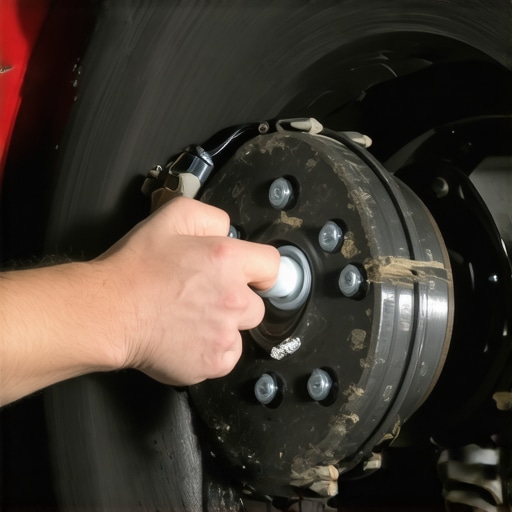
Your brakes are your primary safety net. When I was preparing for a trek through the Appalachian Mountains last year, I noticed my stopping power felt slightly soft. Instead of ignoring it, I decided to inspect the system. Good thing I did, because one of my inner pads was almost entirely worn down to the metal backing plate. To prevent this, you need to know how to check your brake pads without taking the wheels off so you can verify how much friction material you actually have left. If you feel any pulsing when coming to a stop, or if you suspect your rotors are warped, you must prioritize getting the best brake service in 2025 before you load up your luggage. If you have already bled your lines but the pedal still feels mushy, find out why your brakes feel spongy even after bleeding the lines to rule out a failing master cylinder.
Evaluate Fluid Health and Transmission Integrity
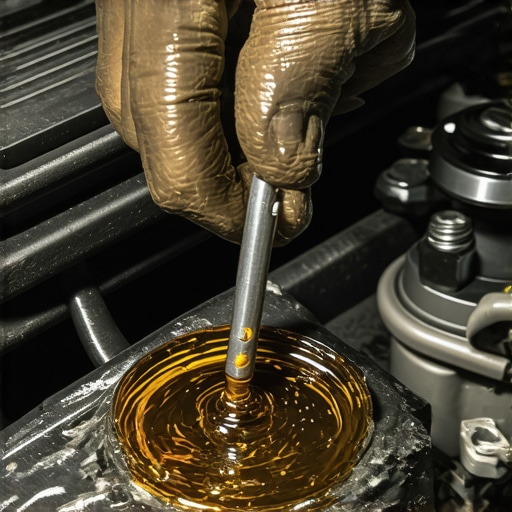
Fluids are the lifeblood of your engine and transmission. Under high thermal stress, old or dirty fluids degrade rapidly, losing their protective properties and causing massive internal friction. Do not just check the engine oil level; pull your transmission dipstick as well. You need to learn how to tell if your transmission fluid is actually burnt, which is a clear indicator that your gearbox is overheating and desperately needs attention. Relying on quick-fix additives is a major gamble when you are far from home. This is why relying on transmission leak repair fluid is often a costly mistake that can lead to a complete mechanical breakdown on the interstate. Instead, verify your fluid levels are correct, clean, and free of metallic debris.
Inspect the Suspension and Steering Connections
Your suspension keeps your tires firmly planted on the road surface. If your ride has felt sloppy or unpredictable lately, look under the wheel wells. Worn-out components will translate directly into dangerous highway handling. If you have noticed that your vehicle wanders or why your car feels loose when driving over bumps, you likely have worn ball joints, tie rods, or control arm bushings. While you are under there, inspect the shock absorbers and struts for any signs of hydraulic oil leakage. Catching a torn steering boot or a leaking strut now prevents a catastrophic control loss at highway speeds.
When preparing for a road trip, many drivers rely on visual inspection shortcuts that actually do more harm than good. I used to believe that if my engine oil was dark, it was instantly time for a change, or if my brake fluid reservoir was full, my stopping system was in perfect condition. But in the world of professional auto repair, these assumptions are often dangerous misconceptions. Let us dig deeper into the nuances that even experienced car owners frequently overlook before embarking on a long journey.
Why does my synthetic oil look dirty so quickly?
The biggest myth in DIY maintenance is that dark oil equals bad oil. Many motorists rush to change their oil prematurely because they notice it darkening after a short trip. According to lubrication experts at the American Petroleum Institute (API), high-quality synthetic lubricants are designed to suspend soot and combustion byproducts, keeping them away from vital engine surfaces. If you want to understand the science behind this phenomenon, you can read more about why your synthetic oil looks dark after only 1000 miles. The truth is, the darkening of the fluid is a sign that the oil is actively doing its job, not that it has failed. Checking the chemical integrity of your fluids is far more critical than judging them solely by color.
Another dangerous trap is relying on quick-fix additives when you notice a small leak under your car. Many drivers buy cheap sealants to stop a transmission drip, hoping to avoid an expensive trip to the mechanic. In my early driving days, I fell for this exact trap, only to find out that those swelling agents permanently damage internal rubber seals. This is why relying on transmission leak repair fluid is often a costly mistake that can ruin your torque converter. To keep your vehicle running smoothly for years, you need a comprehensive, long-term approach to maintenance, like the strategies outlined in the ultimate guide to auto repair keep your car running smoothly.
We also need to talk about the hidden suspension issues that go unnoticed during a standard wheel alignment. Most drivers think a quick alignment fix will solve all their handling problems. However, if your car still feels unstable, you might have bent control arms or worn bushings that a simple alignment machine cannot detect. To avoid uneven tire wear and dangerous handling on the interstate, you must learn about the hidden suspension issues that a standard wheel alignment wont fix. Have you ever fallen into this trap and paid the price on a long road trip? Let me know in the comments below, and let us help each other stay safe on the open road.
To transition from basic DIY checks to true long-term vehicle health, you need the right arsenal in your garage. Relying on the cheap emergency toolkit that came with your spare tire is a recipe for stripped bolt heads and bloody knuckles. I spent years struggling with sub-par gear before realizing that high-quality, specialized tools are what actually bridge the gap between a temporary fix and professional-grade auto repair. If you want your vehicle to survive high-mileage road trips year after year, you must invest in the exact equipment that professionals use to diagnose and repair complex systems before they fail on the highway.
How do I maintain my diagnostic and repair tools over time?
Just like your car, your garage tools require consistent upkeep to stay accurate and safe. I personally calibrate my mechanical torque wrenches after every season of heavy use, storing them at their lowest torque setting to prevent the internal spring from losing its tension. According to the official technical guidelines from Snap-on Industrial, storing a click-type torque wrench under tension is the leading cause of calibration drift, which can lead to dangerously under-tightened wheel lugs or snapped oil pan bolts. Keeping your diagnostic OBD2 scanners updated with the latest firmware is equally crucial for reading manufacturer-specific sensor codes accurately.
For anyone serious about long-term vehicle reliability, my top recommendation is to invest in a high-quality digital multimeter and a dedicated battery tester that measures Cold Cranking Amps (CCA) rather than just simple voltage. When you are tracking down an elusive electrical issue, knowing how to find a parasitic drain thats killing your battery overnight saves you hundreds of dollars in unnecessary alternator and battery replacements. Furthermore, having a professional-grade hydraulic floor jack and heavy-duty jack stands is non-negotiable for safety. This setup allows you to easily get under the vehicle to perform essential car service checks and inspect your chassis components without risking your life on a flimsy scissor jack.

Looking ahead, the future of home garage maintenance is rapidly shifting toward advanced telematics and predictive diagnostics. Within the next decade, I predict we will see affordable, consumer-grade diagnostic tools that utilize artificial intelligence to analyze real-time telemetry data from your car’s onboard computer. Instead of waiting for a check engine light to illuminate, these smart scanners will predict component failures weeks in advance by detecting microscopic changes in sensor voltage. Embracing these advanced diagnostics early on, combined with solid mechanical knowledge, is how you ensure your vehicle always benefits from the ultimate guide to auto repair keep your car running smoothly.
I highly encourage you to try one advanced tip this weekend: do not just check your tire pressure with a cheap stick gauge. Grab a high-quality digital dial gauge, measure your tires when they are completely cold, and then compare those readings to your vehicle’s placard inside the driver’s door jamb. Taking control of these small variables is the first step toward master-level garage maintenance.
What Experts Won’t Tell You About Long-Distance Vehicle Prep
After years of turning wrenches and speaking with seasoned fleet mechanics, I have realized that the standard advice in owner manuals only scratches the surface. There is a massive difference between a vehicle that is merely functional and one that is truly road-ready for a thousand-mile trek. Here are the hard-learned lessons that saved me from catastrophic failures on the road:
- The visual dipstick trap: Simply checking that your transmission oil is at the full line is not enough. You must understand how to tell if your transmission fluid is actually burnt, because fluid that has lost its thermal integrity will cause your gearbox to slip under pressure, regardless of the level.
- Brake pads lie from the outside: Looking through your wheel spokes can be incredibly deceiving. Outer pads often wear much slower than the inner ones. If you want to avoid a metal-on-metal emergency, you must master how to check your brake pads without taking the wheels off by inspect-reading the caliper assembly correctly.
- Alignments do not fix loose joints: Many drivers assume a straight steering wheel means a perfect chassis. However, there are many hidden suspension issues that a standard wheel alignment wont fix, such as worn ball joints or decaying control arm bushings that manifest only when hit with crosswinds on the interstate.
My Essential Gear for the Road-Ready Garage
I do not rely on luck, and I certainly do not rely on the low-grade emergency roadside kits sold at retail stores. Over the years, I have curated a specific selection of diagnostic and safety gear that stays permanently in my trunk or on my main garage shelf. I trust these tools because they have actively saved me during real-world roadside challenges:
First, a professional-grade OBD2 diagnostic scanner is indispensable. Instead of guessing why a dashboard light illuminated, a proper scanner reads real-time sensor data, giving you the power to distinguish a loose gas cap from a serious engine misfire. Second, throw away your cheap stick pressure gauges. Invest in a high-quality, calibrated dial-type tire pressure gauge. Accurate tire pressure is your first line of defense against tread separation and dangerous blowouts at high speeds. Finally, always carry a dedicated, portable lithium-ion jump starter pack. Unlike traditional jumper cables, these compact powerhouses do not require another vehicle to jump-start your engine, ensuring you are never stranded in isolated areas.
The Peace of Mind That Comes from a Proactive Inspection
Taking the time to systematically evaluate your vehicle before a long journey is about so much more than just avoiding a costly towing bill. It is about protecting the people inside your car and ensuring your adventure is filled with great memories rather than roadside stress. Once you master these diagnostic routines and establish a reliable maintenance schedule, you can merge onto the highway with absolute confidence. Keeping your car in peak mechanical shape is a continuous journey, but with the right resources like the ultimate guide to auto repair keep your car running smoothly, you can easily keep your ride running flawlessly for hundreds of thousands of miles.
Have you ever had a sudden mechanical failure catch you completely off guard right after you started a road trip? Let me know your experiences and what you found in the comments below!