
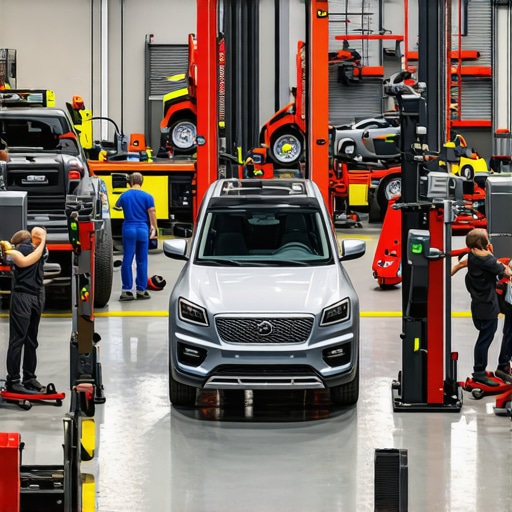
I vividly remember a morning last winter when my car refused to start after a minor fender bender. The initial panic, the frustration of uncertainty—it’s a familiar story for many drivers. That moment was a lightbulb, a stark reminder that auto body repair and preventive car maintenance aren’t just about looks or basic function—they’re crucial for safety. Like most car owners, I used to overlook small dents or delayed repairs, thinking they were no big deal. But recent experiences and professional insights have shown me otherwise.
**Why Car Safety Gets Real in 2024**
Why Prioritizing Collisionrenew Strategies Can Save Lives
No one wants to think about accidents or breakdowns, but the truth is, neglecting essential auto repair routines can turn a minor mishap into a major disaster on the road. According to a study by the Insurance Institute for Highway Safety, vehicles with poorly maintained brakes or damaged body parts are significantly more prone to crashes—even at low speeds. The good news? Modern collisionrenew techniques and maintenance strategies are more effective than ever, helping drivers avoid these terrifying scenarios.
Are you confident that your car’s bodywork and safety systems are prime for the road this year? Or do you suspect I might have overlooked something in my own maintenance routine? Let me assure you, the effort you invest now could prevent costly repairs—and more importantly, protect your loved ones.
**The Biggest Skepticism: Is all This Really Necessary?**
Should I really overhaul my car’s safety features just because of a few dents?
Early in my own journey, I made the mistake of dismissing small issues—thinking they could wait or weren’t worth the hassle. But I learned from seasoned experts that proactive collisionrenew and auto body repair are investments in your safety and your vehicle’s longevity. For practical tips and a comprehensive approach, check out our [ultimate auto repair strategies for 2024](https://collisionrenew.com/auto-repair-strategies-top-collisionrenew-tips-for-2024). The key is understanding that modern repairs are less invasive and more reliable than ever, making prevention the best medicine.
So, if you’ve ever wondered whether those minor dents or squeaking brakes could cause bigger problems down the line, you’re not alone. Hopefully, this sets the stage for us to explore how to implement effective collisionrenew and maintenance routines—saving you money and risk in the long run.
Start With a Thorough Inspection
Kick off your maintenance routine by performing a detailed visual check of your vehicle. Think of this as giving your car a health scan—look for new dents, scratches, rust spots, or misaligned panels. For example, I once noticed a loose brake pad during a quick check, which could have compromised stopping power. Using a flashlight and mirror helps spot hidden issues. Refer to our auto repair tips for 2024 to know what exactly to look for during these inspections.
Prioritize Your Brake System
Brakes are your vehicle’s safety lifeline. Regularly check brake pads for wear—if they’re less than a quarter-inch thick, it’s time for replacement. Test brake responsiveness by gentle pressure; if it feels spongy or pulsates, professional service is needed. In my experience, a routine brake fluid flush not only improves stopping distance but also prolongs brake component life. When upgrading, consider effective brake services; see top brake services for 2024 for options.
Check Transmission Health
The transmission is the gear-changing heart of your car. To keep it healthy, monitor transmission fluid levels regularly; low or burnt fluid causes slippage and gear trouble. A quick test drive—shifting through all gears—can reveal rough or delayed shifts. I once caught transmission slipping early, preventing costly repairs. For detailed guidance, see top transmission and brake services.
Inspect Body and Frame for Damage
Damage from minor collisions can weaken your car’s structure silently. Use a tape measure to check the alignment of doors, trunk, and hood—misalignments suggest frame issues. Also, look for uneven gaps or paint cracks. I learned this the hard way after a small accident left hidden frame damage that worsened over time. For comprehensive restoration tips, visit auto body repair tips 2024.
Replace Worn or Damaged Parts Promptly
Delaying repairs costs more in the long run. Replace broken lights, worn belts, or torn hoses immediately. Think of your car like a chain—each link must be strong to hold everything together. During one DIY project, I replaced my brake rotors myself, saving costs and gaining hands-on confidence. For step-by-step guidance, see auto repair strategies for 2024.
Maintain Regular Fluid Changes
Fluids act as the lifeblood of your vehicle, lubricating and cooling vital parts. Engine oil, coolant, transmission fluid, and brake fluid should be replaced per manufacturer schedules. I track these changes using a car maintenance app and have noticed smoother rides and fewer breakdowns. Proper fluid management prevents overheating and component wear. Need a detailed schedule? Check ultimate auto repair tips.
Observe Tire Condition and Pressure
Sharp tires mean safe driving. Regularly check tire pressure—use a digital gauge for accuracy—and inspect tread depth; replace tires when worn below 2/32 inch. I learned this after experiencing a blowout on a poorly maintained tire, highlighting the importance of pre-emptive care. Proper inflation improves fuel efficiency and safety, especially in bad weather. For expert tire maintenance tips, visit auto repair and tire tips.
Keep Your Lights Functional
Lights warn other drivers and illuminate your path. Regularly check headlights, brake lights, turn signals, and reverse lights. Replace burnt bulbs immediately—early action keeps you visible and reduces risk. I once forgot to notice a dim brake light until a police officer pointed it out during a night drive. Simple bulb replacements are easy with modern LED options. See effective brake and transmission services for more safety upgrades.
Many car owners believe that servicing their vehicle is merely a matter of routine oil changes or replacing worn-out parts. However, this oversimplification often leads to costly mistakes. One common misconception is that all auto repair shops offer the same quality of service, which is far from true. Experienced technicians recognize that nuances in repair techniques, such as collisionrenew processes, can significantly impact your vehicle’s safety and longevity. For example, advanced collisionrenew methods are less invasive and restore structural integrity more effectively than traditional repairs, a nuance that many overlook. According to industry experts, neglecting these subtleties can result in hidden weaknesses that compromise safety later on.
Another myth is that brake service is only about replacing brake pads. In reality, a comprehensive brake maintenance entails inspecting calipers, brake lines, and fluid, ensuring all components work harmoniously. Failing to do so can lead to uneven brake wear or failure under critical conditions. An Oops factor to watch out for is assuming that new brake pads alone guarantee safety—without proper bleeding of brake lines or checking for leaks, you’re risking sudden brake failure.
Why Do I Keep Experiencing the Same Auto Repair Problems?
Many drivers face recurring issues even after repairs. This is often due to underestimating the importance of diagnosing the root causes, rather than just addressing symptoms. For instance, a misaligned wheel won’t just cause uneven tire wear; it could also indicate suspension issues that, if untreated, will damage other components. Modern auto repair should target these underlying issues, leveraging diagnostic tools that cut through common myths about quick fixes.
Furthermore, many underestimate the importance of regular transmission maintenance. Transmission fluids deteriorate over time, which affects shifting smoothness and can cause long-term damage if overlooked. Regularly checking and replacing fluids with high-quality lubricants is essential, but many skip this step, assuming it’s unnecessary unless there’s a problem. Industry studies suggest that proactive transmission care extends vehicle life and enhances safety—more than just prevention, it’s about optimization.
Let’s also address the trap of neglecting collisionrenew strategies after minor accidents. Small dents or frame misalignments might seem unimportant, but they can silently weaken your vehicle’s structure. If left unaddressed, these issues can escalate, leading to costly repairs or safety risks later. Learning to recognize these subtle signs and engaging in advanced collisionrenew procedures can prevent disaster.
Making the most of your car’s lifespan involves understanding and respecting these nuances in auto repair. Deep knowledge of best practices, like inspecting for hidden frame damage or choosing the right repair techniques, can save you money and lives. For detailed insights on maintaining your vehicle’s safety, explore our comprehensive guide on [auto repair tips for 2024](https://collisionrenew.com/auto-repair-tips-for-2024-collisionrenews-ultimate-guide).
Have you ever fallen into this trap? Let me know in the comments.
Equip Yourself for Reliable Auto Care
Keeping your vehicle in top shape over the years requires more than just basic knowledge; it demands the right tools and systems. I personally rely on a combination of professional-grade equipment and digital diagnostic software to ensure precise repairs and maintenance. For example, a quality OBD-II scanner like the Innova 3160g has become indispensable in my toolkit, allowing me to quickly identify engine or transmission issues without guesswork. It’s a cost-effective investment that saves me time and money in the long run, aligning with expert advice found on auto repair strategies for 2024.
How do I maintain my tools over time?
Proper maintenance of your automotive tools is crucial for longevity and accuracy. I keep my diagnostic equipment clean, store it in a dry, organized space, and replace consumables like batteries regularly. Calibration is also key; regularly updating the firmware on my scanner ensures it provides reliable readings. Investing in a sturdy toolbox keeps all components protected and easily accessible, which is essential when performing complex repairs or routine checkups.
Leveraging Advanced Diagnostics for Better Outcomes
Modern auto repair leans heavily on diagnostic tools that pinpoint issues before they escalate. I recommend investing in a professional-grade scanner capable of reading manufacturer-specific codes to get a comprehensive picture of your vehicle’s health. These tools can even track historical data, enabling you to spot patterns or recurring problems—a crucial step in avoiding costly repairs. As highlighted in auto repair tips for 2024, embracing technology ensures your car receives accurate diagnoses and effective fixes.
Where is auto repair heading in the future?
Predictions indicate that the industry will increasingly adopt AI-driven diagnostics, telematic data analysis, and predictive maintenance strategies. These advancements will enable vehicle owners and technicians to anticipate issues before symptoms appear, drastically reducing downtime and repair costs. Staying ahead means investing in tools that can evolve with these technologies, like cloud-connected scanners and software subscriptions. For a practical step, consider upgrading your diagnostic systems now to benefit from early integrations of AI diagnostics.
If you’re looking to step up your auto care routine, try calibrating your diagnostic tools and tracking data trends over time. This proactive approach can reveal insights that extend your vehicle’s lifespan and enhance safety.
What Not to Overlook When Repairing Your Car—Even the Small Stuff
One of the biggest lightbulb moments I had involved realizing that minor dents and scratches aren’t just cosmetic—they can hide structural weaknesses that compromise safety. Ignoring these signs early on often leads to costly repairs down the line, or worse, dangerous failures on the road. This taught me the importance of thorough inspections and trusting expert collisionrenew techniques that restore your vehicle’s integrity better than traditional methods.
The Cost of Convenience: Why Fast Fixes Can Backfire
I used to opt for quick fixes to save time and money, but I discovered that rushing through auto repairs often neglects root issues. For example, replacing only worn brake pads without inspecting calipers and lines can lead to uneven wear or sudden brake failure. Investing a little more time and effort upfront, like consulting comprehensive repair guides and trusted technicians, ensures lasting safety and saves money in the long run. For expert advice, check out our auto repair tips for 2024.
The Power of a Six-Month Checkup—Your Car’s Health Report Card
Scheduling regular inspections changed my approach to vehicle maintenance. I learned that catching issues like transmission fluid deterioration early prevents costly overhauls. During my own routine check, I detected early signs of slipping gears; by addressing them promptly, I avoided major damage. To stay ahead, I now follow maintenance schedules outlined in trusted resources and leverage diagnostic tools. Find out more in our auto repair strategies for 2024.
The Reality of Hidden Frame Damage and How to Spot It
Minor collisions can leave unseen damage that weakens your car’s structure. Misaligned doors or uneven gaps might seem minor but could indicate frame issues requiring specialized collisionrenew procedures. I once ignored a small misalignment and noticed worsening vibration over time—a sign that structural integrity was compromised. Learning to recognize these subtle signs empowers you to seek effective repairs early. For detailed insights, visit auto body repair tips 2024.
Don’t Wait for Warning Lights—Listen to Your Car
One lesson that changed everything was paying attention to unusual sounds and behaviors. Squeaky brakes, delayed shifts, or odd vibrations aren’t just nuisances—they’re warnings. Regularly using diagnostic tools and conducting personal checks can catch problems before they escalate. Investing in quality equipment and knowing how to interpret signals can make all the difference. For more on maintaining vehicle health, explore our auto repair tips.
Why I Now See Auto Repairs as Personal Safety Investments
Initially, I thought auto repair was just about keeping my car running. Over time, I realized each repair is an act of protecting myself and loved ones—a safeguard against potential accidents. From ensuring brake systems function perfectly to maintaining the strength of structural components, every detail matters. Embracing a proactive maintenance mindset, supported by advanced collisionrenew techniques, transforms car care from a chore into a commitment to safety. If you’re ready to upgrade your approach, start with our expert auto repair tips for 2024.