
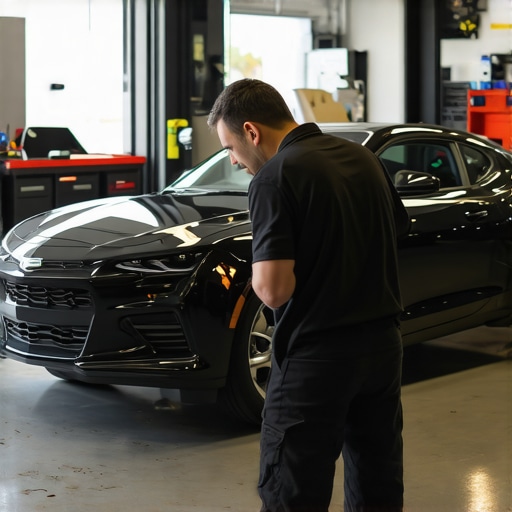
It was a chilly morning when I first realized something was off with my car. As I pulled out of the driveway, my brakes squealed loudly, and the steering felt a bit shaky. I had ignored small issues before, chalking them up to everyday wear and tear. But this time, I felt a pang of worry — was my car safe? That wake-up call pushed me to dive deeper into collisionrenew auto maintenance. Since then, I’ve learned that keeping your vehicle in top shape isn’t just about avoiding costly repairs; it’s about safety, peace of mind, and ensuring you get where you need to go without unexpected hiccups.
The Cost of Neglecting Basic Car Care
Trust me, I’ve been there. I used to think that minor issues could wait. But ignoring early signs often leads to bigger problems down the road. For instance, neglecting routine brake inspections can compromise your safety and lead to expensive repairs. According to the National Highway Traffic Safety Administration, approximately 22% of vehicle crashes are related to brake failure—a sobering statistic that highlights the importance of proactive maintenance. I’ve since realized that preventative care saves money and lives.
What Common Mistakes Can Sabotage Your Car’s Safety?
One mistake I made early on was delaying transmission service—something I now know is crucial for smooth shifting and engine health. Over time, dirt and grime build up, which can cause serious issues if left unchecked. Instead of waiting for a breakdown, I now follow expert-recommended schedules for effective brake and transmission maintenance. Incorporating regular check-ups has transformed my driving experience from stressful to confident. If you’re wondering how to start, this post will guide you through the essential tips to keep your car safe and reliable in 2024 and beyond.
Start With a Comprehensive Inspection
Kick off your maintenance routine by scheduling a full inspection with a trusted auto professional. Think of it as a health check-up for your vehicle; it uncovers hidden issues before they escalate. During my first inspection, I noticed uneven brake pad wear that I hadn’t felt while driving. Addressing this early prevented further damage and improved my stopping power.
Prioritize Brake and Transmission Care
Perform Regular Brake Checks
Brakes are your safety net. Avoid waiting for squeals or warning lights—schedule effective brake services every 10,000 to 15,000 miles. I once waited too long, and my brake rotor had to be replaced, costing me triple what routine maintenance would have.
Maintain Transmission Health
Transmission issues can feel like your car is shifting gears randomly—frustrating and dangerous. Regular transmission fluid changes are vital. When I did mine, I noticed smoother acceleration, turning a potentially big repair into a simple task.
Adopt a Routine Maintenance Schedule
Keeping a calendar for fluid replacements, tire rotations, and inspections prevents breakdowns. Use resources like expert maintenance tips to stay informed. I track mine with a maintenance app, which sends me reminders, making sure nothing slips through the cracks.
Invest in Quality Auto Repairs
When repairs are needed, opt for quality over cost savings. A reliable repair shop like CollisionRenew uses genuine parts and follows manufacturer guidelines. Once I had a minor issue with my suspension; having professional, high-quality work done saved me from future costly repairs and ensured my safety on the road.
Understand CollisionRenew’s Core Services
Services like auto body restoration and collision repair strategies are essential for maintaining your vehicle’s integrity after accidents or wear. Knowing the scope of these services helps you decide when to seek professional help, ensuring your car remains safe and reliable.
Stay Informed and Proactive
Follow automotive news, check your vehicle’s manual, and don’t hesitate to ask your mechanic questions. A well-informed owner takes better care of their car. For example, understanding the importance of regular tire alignments helped me avoid uneven tire wear and extend my tires’ lifespan.
Beyond the Basics: Challenging Common Car Maintenance Myths
Many car owners operate under misconceptions about what constitutes proper vehicle maintenance. A prevalent myth is that if your car runs smoothly, it’s fine to delay routine services. However, even subtle signs like irregular brake pedal feel or slight transmission slippage can hide serious issues. Professional auto repair experts emphasize that such nuances often indicate early-stage problems needing attention before they escalate, especially in critical areas like brake and transmission maintenance.
The Danger of Overlooking Subtle Symptoms
One of the most insidious traps is dismissing minor irregularities. For example, uneven tire wear might seem cosmetic but actually hints at alignment issues that can strain your suspension and transmission over time. These small signs are often the first indicators of deeper problems. Neglecting them can lead to costly repairs and safety compromises. For an in-depth look at detecting such issues early, check out auto repair insights.
Why Do We Fall for These Myths?
Psychologically, many drivers believe that as long as a car looks okay and drives without discomfort, it’s safe. This misconception is compounded by a lack of knowledge about how vital proactive maintenance is. Advanced car systems, like adaptive braking and transmission controls, rely heavily on regular servicing to function optimally. Ignoring scheduled maintenance can cause these sophisticated systems to falter unexpectedly. A comprehensive guide to avoiding such pitfalls can be found in auto repair tips for safe driving.
How to Spot Hidden Risks Before They Become Emergencies
The key is to understand what subtle cues your vehicle gives. For example, delayed engagement in your transmission or slight brake pedal pulsations are warning signs that demand immediate inspection. Utilize services like transmission and brake services to stay ahead of potential failures. Remember, regular inspections aren’t just about fixing what’s broken; they’re about preventing disasters.
Implementing a proactive mindset can extend your car’s lifespan and keep your driving safe. Don’t wait for a breakdown—invest in comprehensive check-ups and detailed component care. Have you ever fallen into this trap? Let me know in the comments.
Keeping your vehicle running smoothly over the years requires more than just routine visits to the mechanic. It involves utilizing precise tools and adopting effective methods that ensure longevity and safety. One of my go-to pieces of equipment is the automotive scan tool, such as the OBD-II scanner. I personally use the FOXWELL NT510 because of its comprehensive diagnostic capabilities, allowing me to identify issues early without relying solely on mechanic visits. This proactive approach saves time and money while keeping my car in top shape.
Another essential tool is a robust professional-grade torque wrench. I prefer models like GearWrench, which I use during regular fluid replacements such as transmission oil changes. Applying the correct torque not only ensures safety but helps in preserving component integrity over time, especially for critical parts like brake calipers and transmission fittings.
Additionally, I strongly recommend investing in a quality multi-meter. For instance, the Fluke 117 allows me to test electrical systems precisely, catching potential issues in sensors or wiring before they escalate into costly repairs. Since electronic systems are integral to modern vehicles, mastering basic electrical diagnostics has become an indispensable part of my upkeep routine.
Beyond physical tools, I utilize specialized software like AutoEnginuity, which interfaces with my car’s ECU to provide detailed insights into engine performance and transmission health. This software helps me track ongoing trends and catch subtler issues that standard diagnostics might miss. As vehicle technology continues evolving, integrating such software will increasingly become essential for serious car enthusiasts and everyday drivers alike.
How do I maintain tools and methods for long-term success?
Regularly calibrate and update your diagnostic equipment and software to ensure accuracy. Keep your torque wrenches and multimeters in a controlled environment, avoiding extremes of temperature and humidity that could affect their precision. Personally, I schedule biannual checks and calibration sessions for my tools, aligning with my vehicle’s maintenance calendar. This discipline ensures your tools provide reliable data, ultimately extending your car’s lifespan and safety.
Looking ahead, I believe advancements in diagnostic technology—like wireless OBD-II adapters and AI-powered maintenance apps—will further streamline vehicle care. Embracing these innovations now will set you up for easier, more effective long-term vehicle management. For example, try integrating a diagnostic scanner into your routine to gain immediate insights and prevent small issues from becoming emergencies. Staying proactive with these tools isn’t just smart; it’s essential for modern vehicle ownership.
What I Wish I Knew About Hidden Car Health Trapdoors
I used to believe that as long as my car ran smoothly, everything was fine—until I learned that minor symptoms, like a slightly sticky brake pedal or uneven tire wear, can hide serious trouble lurking underneath. These cues are my personal wake-up calls, reminding me that overlooking small signs often leads to big, expensive repairs. Recognizing and addressing these early signals is the real game-changer in vehicle safety and longevity.
Calling Foul on Common Car Care Myths
One myth I broke free from was trusting that routine driving meant my vehicle was in perfect condition. I now realize that neglecting scheduled brake and transmission services can silently compromise safety. Basically, I learned that proactive care isn’t just a luxury—it’s an essential safeguard.
From Hesitation to Confidence with Tools and Tech
My journey took a turn when I started employing diagnostic tools like the FOXWELL NT510. It allowed me to spot issues early, saving me money and stress. Pairing this with a quality torque wrench and a reliable multimeter like the Fluke 117 has transformed my approach to vehicle health into a proactive, rather than reactive, strategy—saving not just money but peace of mind.
Embrace the Future, Stay One Step Ahead
Looking ahead, I’m excited about how advancing diagnostics—like wireless OBD-II adapters and AI-powered apps—are revolutionizing car care. They make regular diagnostics more accessible and precise. Investing in these tools now ensures we’re not just reacting to problems but preventing them altogether. So, tell me—what’s your favorite way to stay ahead of potential vehicle issues? Share your tips below and let’s keep the conversation rolling.