
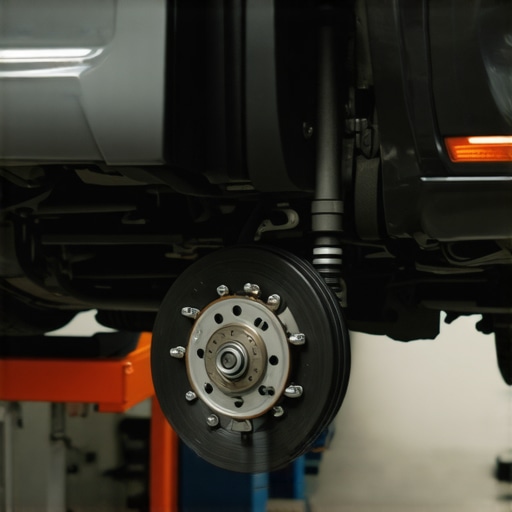
I remember the day I nearly got into a mishap because I ignored a subtle squeal from my brakes. That lightbulb moment hit me hard—it was a clear sign I had missed crucial warning signs about my car’s safety. From that day on, I started paying closer attention to my vehicle’s health, especially the brake and transmission systems, which are often overlooked yet vital for safe driving.
Why Prioritizing Brake and Transmission Care Matters Now More Than Ever
In 2024, safety on the road isn’t just about obeying traffic laws. It’s deeply tied to the maintenance of our vehicles, especially critical systems like brakes and transmissions. Think about it—your brakes are what help you stop safely, and your transmission ensures your car shifts smoothly. Neglect these, and you’re risking more than just a costly repair; you’re risking your safety.
According to recent studies, over 60% of vehicle accidents relate to brake or transmission failure caused by poor maintenance. Moreover, with newer cars incorporating advanced safety features, ensuring these systems are in peak condition is more important than ever. If you’ve ever felt nervous when your car hesitated before shifting gears or noticed a burning smell after braking, it’s a heads-up that your vehicle needs professional attention.
I admit, early in my driving days, I made the mistake of ignoring minor signs, thinking they weren’t urgent. That was a costly oversight. Trust me, proactive maintenance can save you from unexpected breakdowns and dangerous situations. Want to learn how to keep your car performing at its best? I’ll walk you through the most effective strategies that’ll make your vehicle safer and more reliable.
For comprehensive guidance on collision repairs and auto maintenance, I recommend checking out [Effective CollisionRenew Auto Body Repair & Car Service Strategies for 2024](https://collisionrenew.com/effective-collisionrenew-auto-body-repair-car-service-strategies-for-2024-2). Now, let’s dive into the practical tips that will help you stay ahead of potential issues and ensure your safety on every drive.
Inspect Regularly and Catch Issues Early
Think of your vehicle as a living organism; early detection of faults keeps it healthy. Every few weeks, perform a quick visual inspection of your brake pads, rotors, and transmission fluid levels—look for signs like uneven wear, leaks, or strange smells. During my first year of driving, I caught a worn brake pad that was making a squeal, preventing a potential brake failure. Replacing it myself saved me a lot of hassle and money, illustrating the importance of regular checks. For detailed inspection techniques, visit this guide to keep your maintenance on point.
Follow the Step-by-Step Service Schedule
Change Oil and Fluids Consistently
Changing transmission fluid and brake oil at manufacturer-recommended intervals is non-negotiable. It’s like renewing the blood in your car’s veins; fresh fluids ensure smooth operation. I once ignored the transmission service for 50,000 miles, leading to sluggish shifts and increased repair costs. Following a strict schedule, as outlined in this maintenance calendar, prevents breakdowns and extends your vehicle’s lifespan.
Prioritize Quality Parts and Fluids
Using OEM or high-quality aftermarket parts makes a significant difference. Consider your brake pads as your car’s shoes—they need to fit right and provide good grip. I replaced rusty brake pads with high-performance ones, which transformed my stopping power and safety. When selecting parts, consult trusted sources or auto repair specialists; for best practices, check this expert advice on premium maintenance.
Engage Professional Auto Service When Needed
Some issues require expert hands—like a mechanic diagnosing a stubborn transmission slip or uneven brake vibration. Think of it as sending a specialist to treat a complex injury. During a recent transmission problem, I relied on certified technicians to perform a comprehensive diagnosis and service; the long-term savings and safety improvements were well worth it. For trusted technicians and effective service strategies, see this article.
Address Sudden Changes Promptly
If you notice abnormal sounds, delayed shifting, or a burning smell, don’t wait. These are your vehicle’s alarms signaling urgent care needed. I once ignored a faint burning odor after braking, which escalated into costly repairs. Responding quickly by scheduling professional inspection prevents further damage. Regularly tune into your car’s feedback; for guidance on what warning signs demand immediate action, review this comprehensive guide.
Many drivers believe that brake and transmission issues are straightforward problems easily fixed with a quick visit to the shop. However, the reality is far more nuanced. A common myth is that replacing brake pads or topping off transmission fluid is sufficient to maintain safety. In truth, these are only surface-level solutions that can mask deeper problems. For instance, neglecting the intricacies of brake system hydraulics or the subtle signs of transmission wear can lead to costly repairs or dangerous failures. It’s a trap to assume that standard checks are all that’s needed; advanced diagnostics often reveal hidden issues lurking beneath the surface.
One trap many fall into involves delaying professional inspections until symptoms become severe, which can cause more damage and increase repair costs. Regular, proactive maintenance based on manufacturer guidelines is critical, but even more important is understanding the nuanced signs your vehicle provides. For example, a slight vibration during braking or a delayed response in gear shifts might seem minor but could indicate serious underlying issues such as warped rotors or transmission slippage.
Have you ever fallen into this trap? Let me know in the comments.
Are Manufacturer Recommendations Enough for Complex Systems?
Many assume that simply following the manufacturer’s service schedule guarantees vehicle safety. However, advanced automotive technology continually evolves, and standards from a decade ago may no longer suffice. Modern vehicles incorporate sensitive electronic systems and high-performance components that require tailored maintenance approaches. Studies show that vehicles subject to generic schedules experience higher rates of component failure, especially in safety-critical systems like brakes and transmissions. Consulting with specialists or leveraging diagnostic tools can provide insights beyond standard intervals, ensuring early detection of issues, and optimizing performance. For in-depth strategies, check out this comprehensive guide.
Another common mistake is overlooking the importance of high-quality parts and fluids. Using OEM or equivalent high-grade products ensures system compatibility and longevity. For instance, choosing premium brake fluids prevents moisture buildup and maintains optimal hydraulic pressure, reducing fade and wear. Similarly, high-quality transmission fluids contain additives that protect components under high stress, preventing slippage and overheating. Details on selecting the right products are available in this expert resource.
Remember, thoroughness in maintenance — beyond what the manual suggests — is what sets apart safe driving from avoidable accidents.
Investing in the Right Equipment Makes All the Difference
Maintaining your vehicle’s critical systems like brakes and transmission requires more than just knowledge—having the proper tools is essential. I personally rely on a high-quality digital multimeter to diagnose electrical issues quickly. This device allows me to test sensors, relays, and wiring harnesses with precision, saving time and preventing unnecessary repairs. For mechanical inspections, I swear by a set of precision feeler gauges; they help me accurately measure clearance in components like valve gaps, ensuring optimal engine performance.
Additionally, a reliable brake caliper piston compressor is indispensable when replacing brake pads and rotors. It ensures a smooth retraction of the pistons, preventing damage to the brake hoses. I’ve learnt that using OEM-style tools tailored to specific models reduces the risk of damaging delicate components, which can be costly to repair. For software diagnostics, an advanced OBD-II scanner like the Autel MaxiCOM series provides detailed code reports and live data streams, allowing me to catch issues before they escalate. Staying updated with their firmware ensures compatibility with the latest vehicle models, making diagnostics more accurate.
Embrace Software for Better Maintenance Tracking
Keeping track of maintenance schedules can be tedious, but modern software has transformed this task. I personally use an app that syncs with my vehicle’s OBD-II scanner, logging every diagnostic test, service, and repair. This comprehensive record helps me identify patterns, schedule preventive maintenance, and avoid unexpected breakdowns. The trend toward cloud-based vehicle management means in the future, cars could automatically alert us when parts need attention or when fluids are overdue for replacement, akin to a health monitor for our vehicles.
How Do I Maintain Brake and Transmission Checks Over Time?
Regular inspections are vital. I recommend setting a bi-annual appointment for a professional evaluation, especially before long trips or seasonal changes. Incorporate routine fluid tests using a refractometer or test strips—these inexpensive tools help you monitor brake fluid moisture levels and transmission fluid condition. Remember, early detection of issues like moisture contamination can prevent brake failure or transmission slippage. Using diagnostic software to review live data during these inspections offers added peace of mind, ensuring your vehicle remains reliable for the road ahead.
If you’re serious about keeping your vehicle running at peak performance, integrating these advanced tools and practices is the way to go. For more detailed strategies, visit this guide on auto maintenance essentials. Don’t hesitate—try out an OBD-II scanner today and start logging your vehicle’s health data to catch issues early!
The Hardest Lesson I Learned About Brake Service and Transmission Care
One of the most valuable lessons I ever received was realizing that neglecting subtle warning signs of brake and transmission issues could lead to dangerous situations. Ignoring that faint squeal or delayed shifting taught me the importance of proactive maintenance. It became clear that staying vigilant isn’t just about avoiding repairs—it’s about protecting yourself and others on the road.
3 Myths About Car Maintenance That Could Put You at Risk
- Regular Checks Are Enough: I used to think periodic inspections were sufficient, but I learned that irregular monitoring can hide hidden problems. Advanced diagnostics and attentive inspection reveal issues before they become costly repairs.
- OEM Parts Are Always Necessary: I believed only original parts would do the job, but high-quality aftermarket components often match or exceed OEM standards, ensuring safety and performance.
- Following the Manual Is Enough: Manuals provide guidelines, but modern vehicles may need tailored care and professional diagnostics for optimal safety, especially in complex systems like brakes and transmissions.
Tools That Transformed How I Maintain My Vehicle
Having the right equipment has made a world of difference. A reliable OBD-II scanner helps me catch electronic issues early, while precision tools like feeler gauges ensure proper adjustments. Trusted brands like Autel for diagnostics or OEM-recommended parts give me confidence in my maintenance routines. Investing in quality tools isn’t just about saving money—it’s about safeguarding lives.
Take Charge of Your Vehicle’s Safety Today
Understanding the importance of brake and transmission care is the first step toward safer driving. Regular inspections, smart tool use, and timely professional service can prevent mishaps and sudden breakdowns. Remember, proactive maintenance isn’t just a chore—it’s a commitment to your safety and peace of mind. If you’re eager to dive deeper into auto care, visit this comprehensive guide for expert strategies that make a difference. Don’t wait for warning signs—take action today to keep your vehicle reliable and your journeys secure.