
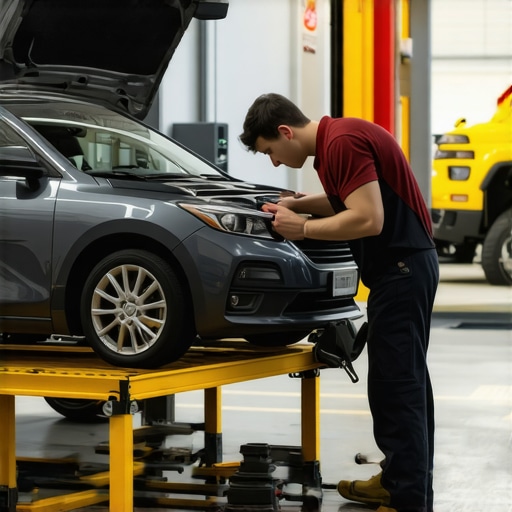
Ever been caught off guard by a squealing brake or a sluggish transmission just when you need your car the most? I remember a time when I was rushing to a meeting, only to hear that dreaded grinding noise from my brakes. It was a lightbulb moment for me—how often do we neglect the tiny signs our cars give us until something major happens? Since then, I’ve learned that proactive maintenance isn’t just a good idea; it’s essential for safe driving, especially in 2024, with the increasing complexity of modern vehicles.
Why Staying Ahead of Brake and Transmission Issues Matters
In my early days of car ownership, I made the mistake of ignoring those subtle hints—like a slight delay in shifting gears or a faint burning smell. Turns out, those are often warning signs of bigger problems. According to the National Highway Traffic Safety Administration, regular brake and transmission checks can prevent accidents and costly repairs. And let’s be honest, nothing beats the peace of mind that comes with knowing your vehicle is in top shape before hitting the road.
Have you ever experienced a sudden brake failure or transmission slip that made you second-guess your safety?
That moment made me realize how crucial proper maintenance is. It’s not just about avoiding breakdowns; it’s about ensuring your safety and that of your loved ones. Early on, I overlooked the importance of routine checks and ended up with a costly repair bill. Trust me, avoiding those mistakes can save you a lot of stress and money. Want to learn how to keep your brakes and transmission in perfect shape? Keep reading for practical tips and expert advice that will make your driving safer and smoother in 2024. For more detailed guidance, check out this comprehensive guide on auto repair and transmission tips for 2024.
Get Equipped with the Right Tools and Knowledge
Before diving into maintenance, gather your basic tools—jack, wrenches, screwdrivers, and a quality flashlight. Invest in a good service manual specific to your vehicle model. I remember the first time I attempted to check my brake pads; I had no idea what to look for. Having the right tools and clear instructions made all the difference, preventing unnecessary trips to the mechanic.
Perform Regular Brake Inspections
Check Brake Pads and Rotors
Remove the wheel to access the brake assembly. Look for worn brake pads—if the friction material is less than a quarter inch thick, it’s time for replacement. Check rotors for grooves, cracks, or warping—these signs mean you need a rotor resurfacing or replacement. I once ignored a slight pulsation in my steering wheel, which turned out to be warped rotors. Replacing them early saved me from a sudden brake failure during an emergency stop.
Test Brake Fluid Levels and Quality
Locate the brake fluid reservoir—your owner’s manual will guide you. The fluid should be clear or slightly amber; if it’s dark or contains debris, it’s time for a flush. Use a clean syringe or turkey baster to remove old fluid, then top off with manufacturer-approved brake fluid. Regularly swapping out brake fluid prevents moisture buildup that can corrode components, reducing stopping power.
Maintain Transmission Health Through Routine Checks
Inspect Transmission Fluid
Park your car on a level surface, open the hood, and locate the transmission dipstick (for automatic transmissions). Pull it out, wipe clean, reinsert, then pull again to check the level. The fluid should be vibrant red or pink—if it’s dark or smells burnt, schedule a flush. I once ignored this simple check, leading to sluggish shifts that required costly repairs. Regular inspection ensures your transmission runs smoothly and extends its lifespan.
Change Transmission Fluid at Recommended Intervals
Follow your vehicle’s maintenance schedule—usually every 30,000 to 60,000 miles. Use high-quality fluid recommended by the manufacturer. During a recent service, I watched a mechanic replace my old, dark fluid, which immediately improved my car’s shifting performance. This proactive step helps prevent transmission failure and costly replacements down the road.
Spot Early Signs of Trouble and Act Fast
Pay attention to warning signs such as squealing brakes, delayed shifting, or burning smells. Address issues immediately—delays can lead to dangerous breakdowns or accidents. Remember, early intervention can save you hundreds of dollars and keep your driving experience safe and smooth. For comprehensive guidance on auto repairs and maintenance, visit this detailed guide.
Schedule Professional Inspections
While DIY checks are valuable, regular professional inspections ensure hidden issues don’t go unnoticed. Mechanics can diagnose problems with specialized tools, ensuring your brakes and transmission stay in optimal condition. I learned this the hard way after a routine check revealed a small leak that could have caused major damage if ignored.
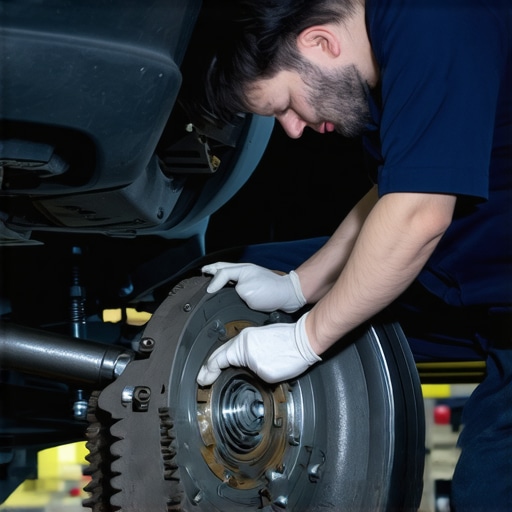
Regular inspections and timely repairs are your best defense against brake and transmission failures. With the right knowledge and action, you can keep your vehicle safe and reliable throughout 2024 and beyond.
Many car owners operate under misconceptions that can lead to expensive repairs and safety risks. One common myth is that as long as your car runs smoothly, routine maintenance isn’t urgent. In reality, overlooking subtle signs or delaying essential services like brake and transmission checks can cause significant damage over time. For example, neglecting early signs of brake wear or transmission fluid degradation often results in costly replacements rather than simple repairs. To truly optimize your vehicle’s longevity and safety, it’s vital to understand these nuances and avoid typical pitfalls.
Why do so many drivers believe they can skip regular maintenance without consequences?
This misconception stems from a lack of awareness about how minor issues escalate. A small leak in the brake system or a slight delay in shifting can seem insignificant but often indicates underlying problems that worsen if ignored. According to automotive experts, routine inspections and timely repairs are crucial to prevent breakdowns and ensure safety. Many assume that modern vehicles are “maintenance-free” or that DIY fixes are always sufficient, but complex components like transmissions require specialized knowledge and tools. For instance, a neglected transmission flush can cause the fluid to become contaminated, leading to premature failure—a mistake that could have been avoided with expert service. For a detailed understanding of what advanced auto care entails, check out this comprehensive guide.
What’s the trap in DIY brake and transmission maintenance that most overlook?
Many car owners underestimate the importance of proper diagnostics. They might replace parts based solely on visual inspection or symptoms, but without the correct tools, they risk missing hidden issues. For example, replacing brake pads without checking the rotors for warping or cracks can lead to uneven wear or even brake failure. Similarly, draining transmission fluid without testing its condition or level might seem sufficient, but it could mask deeper transmission problems. Rushing into repairs without understanding the full scope can cause more harm than good. Professional inspections utilize advanced diagnostics that can identify issues early—saving you money and enhancing safety. For optimal results, consider consulting experts through trusted services like top transmission and brake specialists.
Is there a benefit to regular, professional auto inspections over DIY checks?
Absolutely. While DIY inspections empower you to catch obvious issues, professional mechanics have access to specialized tools and diagnostic equipment that reveal hidden problems. They can detect early signs of wear, corrosion, or internal damage that aren’t visible to the untrained eye. Regular professional check-ups complement your routine DIY efforts and extend your vehicle’s lifespan. For instance, a mechanic’s assessment might uncover a small leak or electrical issue before it causes significant damage. This proactive approach is vital in maintaining safety and avoiding emergencies on the road. For expert advice and tailored maintenance plans, explore auto repair tips for 2024.
Remember, understanding the nuances of auto care and avoiding common myths can save you thousands in repairs and keep your vehicle safe. Have you ever fallen into this trap? Let me know in the comments.
Keeping your vehicle in peak condition over time requires more than just basic knowledge; it demands the right tools and a strategic approach. When I started taking auto repair seriously, I quickly realized that investing in quality equipment not only saved me money but also gave me peace of mind during routine maintenance. One of my favorite tools is a digital multimeter, which I use to check electrical components like sensors and relays. It’s precise and easy to use, making it invaluable for diagnosing issues early before they become costly repairs. For fluid inspections, I rely on a good quality sight glass or a dedicated dipstick thermometer, which helps me accurately assess transmission fluid temperatures and levels without guesswork. These tools are essential because they provide reliable data, allowing me to make informed decisions about when to service or replace parts.
Another game-changer is a high-quality torque wrench. I use it to ensure that bolts—especially critical ones like those on brakes or suspension components—are tightened to manufacturer specifications. Over-tightening can cause damage, while under-tightening risks safety. I personally prefer a click-type torque wrench with a reversible ratchet, which I calibrated annually to maintain accuracy. Additionally, I utilize a set of precision screwdrivers to handle delicate electronic components without damaging them. Investing in these specific tools has drastically improved my ability to perform maintenance confidently and correctly, avoiding unnecessary trips to the mechanic.
Modern auto repair is increasingly relying on software diagnostics. For this, I use a reliable OBD-II scanner, like the BlueDriver or FIXD, which connects to my smartphone. These devices provide instant access to engine codes, transmission alerts, and other vital data, helping me identify issues early. I’ve found that combining hardware tools with diagnostic apps helps me understand my car’s health comprehensively. As vehicles become more advanced, I predict that the integration of AI-powered diagnostic tools will become standard, making maintenance even more precise and accessible for enthusiasts and professionals alike. Staying ahead of potential problems with these tools ensures your vehicle remains safe and reliable for years to come.
How do I maintain my tools and techniques over time? I schedule regular calibration for my torque wrench and update my diagnostic software to ensure accuracy. Additionally, I keep my tools clean and properly stored to avoid corrosion and damage. This disciplined approach means I can trust my equipment when it matters most, especially during critical repairs like brake servicing or transmission work. If you’re serious about long-term vehicle health, I highly recommend trying out a professional-grade torque wrench and a diagnostic scanner—these investments will pay off through safer driving and fewer unexpected repairs. For more expert tips, visit this comprehensive guide on auto maintenance strategies for 2024.
The Hardest Lesson I Learned About car service, brake service, auto repair, transmission, collisionrenew
- Early on, I underestimated how minor signs like a squeal or delayed shift can escalate into costly repairs. Recognizing these early clues saves money and keeps me safe.
- Investing in proper diagnostic tools revealed hidden issues that DIY checks often missed, such as internal transmission wear or warped rotors, emphasizing the value of professional insights.
- Routine maintenance isn’t just about following schedules; it’s about understanding your car’s unique needs and acting promptly, which I learned the hard way during a sudden brake failure.
- Learning from experienced mechanics and trusted guides transformed my approach from reactive to proactive, ensuring I stay ahead of potential hazards.
- Keeping tools calibrated and up-to-date, like my OBD-II scanner and torque wrench, makes all the difference in ensuring safe and effective repairs, especially for critical components like brakes and transmission.
My Essential Toolkit for Car Maintenance
Over the years, I’ve relied on a few key tools that have saved me time and money. A reliable OBD-II scanner, such as the BlueDriver, helps me catch early engine or transmission issues. A quality digital torque wrench ensures bolts are tightened to specs, preventing safety risks. I also use a good set of screwdrivers and a dipstick thermometer for accurate fluid checks. These tools, combined with trusted resources like auto repair guides, empower me to maintain my vehicle confidently and safely.
Take Action and Drive Smarter in 2024
Your vehicle is a vital part of your life, and proper maintenance can make all the difference. By staying informed, using the right tools, and acting quickly on warning signs, you ensure safer roads for everyone. Remember, the effort you put into proactive care today will pay off with peace of mind and fewer surprises tomorrow. Are you ready to take control of your car’s health and safety this year? Share your experiences below and let’s learn together!