
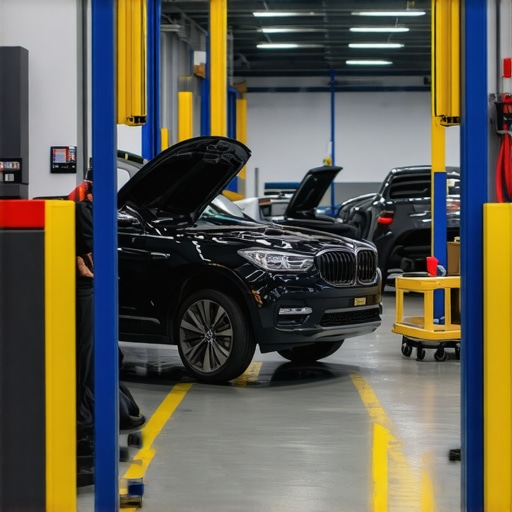
I remember the first time I ignored that squeaky brake before a road trip. It sounded minor, almost harmless, but it ended up costing me a weekend and a hefty repair bill. That lightbulb moment taught me a valuable lesson: staying ahead in auto repair isn’t just about fixing problems—it’s about understanding how to prevent them. Now, in 2024, with cars becoming more advanced and repair needs evolving, I’ve realized that info and proactive tips are your best allies to keep your vehicle safe and reliable.
Why Proper Car Maintenance Matters More Than Ever
This year, I’ve seen countless fellow drivers overlook routine inspections, only to face unexpected breakdowns. In fact, a study by the National Highway Traffic Safety Administration highlights that nearly 70% of car accidents are linked to vehicle malfunctions—many of which could have been prevented with timely maintenance. That’s why I want to share some real-world strategies that have helped me and others stay safe on the roads. Whether you’re a dedicated DIYer or prefer trusted professionals, knowing what to look for now can save you money—and maybe even your life.
Is It Worth Investing in Expert Maintenance? My Skepticism
I’ll be honest: early in my journey, I thought I could handle basic repairs myself, saving a few bucks. But I made a mistake that nearly cost me more in the long run. Trusting that small squeal to go away on its own was a classic blunder. When I finally took my car to a professional, they spotted a worn-out brake pad that was about to fail—and I shudder to think what could have happened if I’d ignored it. For reliable insights and effective strategies, I recommend checking out Expert Brake and Transmission Services for Safer Roads in 2024. Understanding when to seek professional help is critical, especially with how quickly vehicle systems can change.
Start with a Simple Inspection Routine
Make a habit of checking critical components like brake pads, fluid levels, and tire pressure every month. I remember one chilly October morning when I noticed my brake pedal feeling softer than usual. Instead of ignoring it, I performed a quick inspection and found a low brake fluid level. Refilling it promptly prevented a potential emergency. Use a flashlight and a clean rag to look for leaks or worn parts. Regular visual checks are your first line of defense against bigger issues.
Learn How to Identify Warning Signs
Pay attention to unusual noises, vibrations, or warning lights. For example, I once heard a squeal when applying brakes. Instead of dismissing it, I consulted online guides and identified it as worn brake pads. Early detection allowed me to schedule a professional service before the pads failed completely, avoiding dangerous driving conditions. Recognize common signals like a grinding sound, burning smell, or dashboard alerts, and act immediately by consulting trustworthy resources or scheduling a check-up. For detailed techniques, visit expert brake and transmission maintenance strategies.
Perform Basic Maintenance Tasks Yourself
Some repairs don’t require a mechanic. Changing your own windshield wipers or replacing air filters can save money and extend vehicle life. I once replaced my windshield wipers using a simple tutorial I found online. It took less than ten minutes, and I felt empowered knowing I could handle such tasks. Always use appropriate tools and follow manufacturer instructions. Keep a set of basic tools in your trunk or garage, and familiarize yourself with your car’s manual. You can find practical DIY maintenance tips at auto repair tips for safe vehicle maintenance in 2024.
Schedule Professional Check-Ups Periodically
While DIY helps, professional inspections are essential for complex systems like the transmission and suspension. For instance, I scheduled a transmission fluid service last spring after noticing sluggish shifting. The mechanic recommended a complete transmission flush, which improved my car’s performance and prevented future costly repairs. Use reputable shops that follow manufacturer guidelines and adhere to safety standards. Regular professional checks, especially before long trips, can uncover hidden issues. Explore expert brake and transmission services for safer driving to understand what comprehensive inspections entail.
Keep Your Parts Well-Lubricated and Clean
Apply lubricant to moving parts like door hinges, brake calipers, and the drive chain to reduce friction and wear. I once neglected to lubricate my door hinges, which led to squeaks and stiffness during winter. After applying a quality lubricant, the noise ceased, and movement became smoother. Use products suitable for automotive use and avoid over-application, which can trap dirt. Regular cleaning and lubrication extend component life and prevent breakdowns, aligning with advice from best brake and transmission maintenance tips.
Document Your Maintenance Record
Keep a detailed log of all inspections, repairs, and maintenance. This habit helped me track when I last changed my oil or replaced brake pads. During a recent service appointment, the technician reviewed my records and recommended specific repairs, saving me unnecessary trips. Use a notebook, a digital app, or your vehicle’s service history tool. Proper documentation not only ensures timely maintenance but also boosts resale value and provides useful information in case of warranty claims. For more on keeping organized, check best practices for car service in 2024.
Many drivers hold misconceptions about car maintenance that can lead to costly mistakes. One common myth is that neglecting routine service isn’t a big deal—believing only major issues require attention. However, in my experience, small overlooked details, such as ignoring subtle brake noises or delayed transmission fluid changes, can snowball into significant problems—costing both time and money. For example, assuming that a minor squeal is just normal wear ignores the nuanced signs of impending failure, which an expert can detect early. It’s essential to recognize that proper auto repair goes beyond superficial fixes; it requires understanding the intricate workings of your vehicle’s systems and when to seek professional diagnostics. Learn to differentiate between myths and facts to ensure your vehicle’s longevity and safety.
Are Your Repairs Truly Preventive or Just Reactive? We Need to Rethink Routine Maintenance
Many drivers believe that waiting until a warning light or sound appears is enough. But a significant nuance in advanced car care is that proactive maintenance often involves understanding the hidden indicators that precede failure. For instance, subtle vibrations during acceleration could hint at transmission misalignment or fluid issues—problems that might not trigger a dashboard alert but can lead to major failures if ignored. Studies by automotive experts underscore that early intervention can drastically reduce repair costs and improve safety. Rushing to fix only when symptoms worsen misses the point of comprehensive care. Instead, scheduling regular inspections using detailed checklists—perhaps following strategies outlined in expert brake and transmission services—can save you from unexpected breakdowns. The key is to develop a preventative mindset that emphasizes diagnostic vigilance over complacency.
Another trap many fall into is misunderstanding the complexity of modern systems. Cars now employ sensors, electronic controls, and advanced diagnostics that many DIYers overlook. Attempting to manually fix issues without proper tools can do more harm than good. For example, trying to service your transmission without specialized knowledge risks misalignments or damage, leading to further complications. Recognizing the limits of DIY capability and knowing when to seek expert help is crucial. This is where understanding common myths—like the idea that transmission work always requires costly replacements—can help you avoid unnecessary expenses. A professional’s nuanced approach, informed by current automotive innovations, ensures your repairs are effective and reliable.
In conclusion, mastering your vehicle’s health involves dispelling myths, recognizing subtle warning signs, and appreciating the advanced nuances of modern auto repair. Staying informed through reputable resources, such as auto repair tips for optimal maintenance, can empower you to make smarter decisions. Remember, your car’s complexity demands respect—taking proactive, informed steps today can secure your safety and save money tomorrow. Have you ever fallen into this trap? Let me know in the comments, and share your experiences with overlooked signals or myths you’ve encountered.
Equip Yourself for Lasting Auto Care
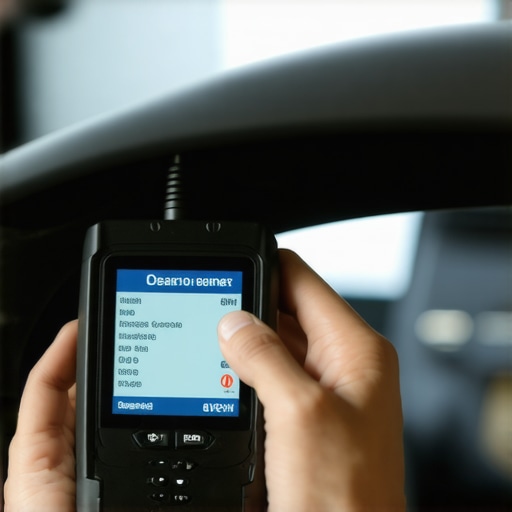
Maintaining your vehicle over the long term demands the right tools and a disciplined routine. Personally, I rely on a quality digital code reader like the BlueDriver scanner, which connects via Bluetooth to my smartphone. This device allows me to quickly identify engine codes, monitor real-time sensor data, and reset warning lights without needing a trip to the mechanic. Having this tool empowers me to catch small issues early, preventing more extensive repairs later. I also keep a set of precision screwdrivers, a torque wrench, and a vehicle-specific repair manual to handle minor repairs or inspections myself.
How do I maintain engine performance over time?
One of my favorite techniques is using a commercially available fuel additive, such as expert-recommended fuel system cleaners. These products help remove carbon deposits, keep injectors clean, and ensure optimal combustion. I incorporate this into my monthly routine, especially before long road trips, to keep the engine running smoothly. As automotive technology advances, tools like this will become even more essential, helping drivers adapt to cleaner, smarter engines. For anyone serious about long-term performance, investing in an OBD-II scanner and routine additive treatments is a game-changer.
Forecasting the Future of Auto Maintenance
Looking ahead, automation and diagnostic software will play increasingly central roles. Autonomous vehicle systems will require owners to be familiar with software updates, sensor calibrations, and even cloud-based diagnostics. According to industry experts, integration between your vehicle and smart home systems might allow proactive alerts—prompting you to schedule maintenance before a warning light even appears. Embracing these innovations now, such as learning how to interpret factory diagnostic reports, will save you headaches down the road. For instance, regularly updating your vehicle’s software is crucial, which some automakers now recommend annually—similar to updating your smartphone’s OS to ensure seamless operation. Consider checking your vehicle’s specific update procedures or consulting manuals to stay ahead.
Tools I recommend for effective car upkeep
In addition to the code scanner, I’ve found that a high-quality digital tire pressure gauge like the Breezometer model ensures tires stay properly inflated, improving fuel efficiency and safety. Its digital readout provides precise measurements, making it easier to spot slow leaks or overinflation. For maintaining the brake system, I trust professional-grade brake caliper piston tools, which allow me to recharge calipers correctly during pad replacements—saving time and ensuring safety.
Another powerful tool is software like automotive diagnostic apps that interface with your OBD-II scanner. These apps interpret complex data into user-friendly insights, guiding you when to seek professional care or perform basic fixes. As automotive electronics become more sophisticated, mastering these digital resources will be key to effective long-term maintenance.
Final tip: Make maintenance routine a habit
To stay ahead, schedule regular checkups based on your vehicle’s manual—especially before long trips or seasonal changes. Use the tools discussed to catch issues early, and don’t hesitate to seek expert help when needed. Remember, proactive care today means fewer surprises and safer driving tomorrow. Ready to upgrade your maintenance toolkit? Try integrating a diagnostic app with your scanner this month and see how it transforms your auto care routine.
The Hardest Lesson I Learned About Car Service, Auto Repair, Brake Service, Transmission, CollisionRenew
One of my most profound realizations was that trusting small signs can save you from costly repairs. Ignoring that tiny squeal or dashboard warning often leads to bigger issues. This experience taught me to listen carefully and act promptly, which has consistently kept my vehicle running smoothly and safely.
3 Myths About Car Service, Auto Repair, Brake Service, Transmission, CollisionRenew That Held Me Back
I used to believe that only major problems warrant professional attention, but now I know routine inspections can prevent disasters. Also, thinking DIY fixes are always cheaper led me astray; some tasks require expert skills to avoid making things worse. Lastly, I thought modern vehicles required less maintenance—nothing could be further from the truth as technology advances.
What Experts Won’t Tell You About Car Service, Auto Repair, Brake Service, Transmission, CollisionRenew
Many professionals have shared that early detection through regular check-ups drastically reduces repair costs. They also emphasize the importance of understanding your vehicle’s unique needs—using the right tools, like trusted diagnostic apps, can empower you to stay ahead. Recognizing when to seek help and when to do minor maintenance yourself creates a balanced and effective auto care routine.
My Essential Toolkit for Car Maintenance and Repair
Over the years, I’ve relied on a high-quality OBD-II scanner to monitor my vehicle’s health and catch issues early. A digital tire pressure gauge ensures my tires are always at optimal levels, improving safety and fuel efficiency. I also use professional-grade brake caliper tools when servicing brakes, which makes the process smoother and more reliable. These tools, combined with reliable resources like expert brake and transmission strategies, have been game-changers in my auto maintenance routine.
Taking Action to Keep Your Car Safe and Reliable
Now is the perfect time to evaluate your maintenance habits. Invest in proper tools, educate yourself on warning signs, and prioritize routine inspections. Remember, proactive auto repair is an investment in your safety and peace of mind. Whether you’re a seasoned DIYer or prefer professional help, making informed decisions today ensures a smoother ride tomorrow. Ready to start? Share your experiences or ask questions below—your journey to smarter auto care begins now.
**Do you recall a small issue that turned into a big problem because you hesitated? Let me know in the comments!**