
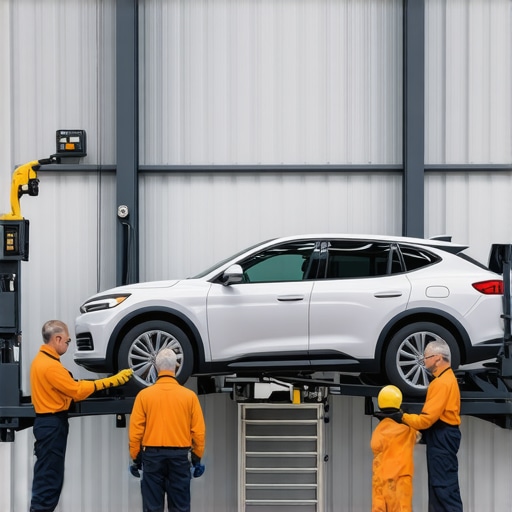
I remember the exact moment I realized I was taking my car’s safety for granted. It was a rainy evening, and I had just gotten my car back from a quick collision repair, feeling confident about hitting the road again. But as I merged onto the highway, a sudden squeal from my brakes made my stomach tighten. The brakes were slipping, and I knew I should have paid closer attention to maintenance details before trusting my car’s safety once more.
Why Staying Ahead in Auto Repair Matters More Than Ever
In 2024, vehicle safety isn’t just about new models boasting advanced features; it’s deeply rooted in proper auto body care and maintenance strategies. A minor oversight, like neglecting a brake service or delaying collisionrenew repairs, can turn a safe journey into a risky ordeal. Regularly updating your auto repair routine ensures you’re not just reacting to problems but preventing them — a lesson I learned the hard way. Did you know that according to the Insurance Institute for Highway Safety, properly maintained brakes can reduce stopping distances by up to 30%? That’s a game-changer when you’re navigating busy streets or unpredictable weather conditions.
Is Auto Body Repair Actually Worth the Hype?
One common skepticism I hear is whether investing effort and money into collisionrenew and auto repairs truly improves safety or just enhances the car’s appearance. Early in my journey, I made the mistake of ignoring minor dents, thinking they’d fix themselves. Trust me; that was a costly misconception. Proper auto body repairs, especially those covered in expert guides like these tips, are crucial for structural integrity and safety.
Stay tuned, because I’ll share practical, no-nonsense strategies that will help you maintain your vehicle efficiently, so you can drive confidently in 2024. Whether you’re a seasoned vehicle owner or just bought your first car, understanding these auto repair essentials can make all the difference in your safety and peace of mind.
Tackle Routine Inspections Head-On
Start with a comprehensive visual check of your vehicle, focusing on brakes, tires, and fluid levels. During a rainy day, I noticed decreased brake responsiveness with a quick inspection I did myself, which revealed worn brake pads. Replacing these early prevented a dangerous situation on wet roads and saved me from costly repairs. Regular inspections prevent minor issues from escalating. Use a trusted guide like these auto repair tips to identify what to look for and when to seek professional help.
Prioritize Brake Maintenance Aggressively
Brakes are your vehicle’s emergency stop button; neglecting them is like ignoring the brakes on a bicycle. I had a moment of panic when my brake pedal went soft during a quick stop, which led me to realize the importance of scheduled brake fluid exchanges and pad replacements. To keep brakes in optimal shape, follow strategies outlined in these maintenance strategies. Proper brake service involves checking brake pads, rotors, and fluid levels; doing so can reduce stopping distances and prevent accidents.
Engage in Transmission Tune-Ups Regularly
The transmission is often misunderstood, but think of it as the gears in a bicycle, smoothly shifting to help you accelerate or climb hills effortlessly. My experience with slipping gears was a wake-up call; a simple transmission flush and fluid check based on these tips restored smooth shifting. Transmission care includes fluid changes, filter replacements, and system diagnostics. Don’t wait until symptoms worsen—routine transmission maintenance can extend your vehicle’s lifespan and ensure safe, hassle-free drives.
Implement Expert CollisionRenew Strategies
After a minor bump, I learned that small collision damages can compromise structural integrity if left unaddressed. Using collisionrenew auto body repair tips, I prioritized quality repairs that restored my vehicle’s safety and appearance. Always ensure repairs are performed by certified professionals, focusing on restoring damage that affects the frame or safety systems. This proactive approach minimizes future risks and keeps your vehicle dependable.
Stay Consistent with Scheduled Servicing
Consistency is key—like brushing your teeth daily, regular vehicle maintenance prevents major breakdowns. I keep a maintenance calendar, tracking oil changes, tire rotations, and system checks, guided by these best practices. Adhering to scheduled services helps detect issues early and maintains optimal performance, ultimately building your confidence on every drive. Regular care saves money over time and keeps your vehicle performing at its best.
Use Visual Guides to Sharpen Skills
Visual aids like diagrams or videos can clarify complex procedures such as brake pad replacement or fluid flushing. I once followed a video tutorial during a brake change, which was messy but highly informative, increasing my confidence. Incorporate these visuals for a hands-on approach, making maintenance less intimidating and more manageable. Better understanding transforms tentative steps into confident actions, bolstering your vehicle’s safety.
Integrate a Maintenance Routine Seamlessly
Embed these tasks into your weekly or monthly schedule so they become second nature. For example, while warming up your engine on a cold morning, check fluid levels or look under the vehicle for leaks. This routine reduces the chance of overlooking critical maintenance tasks, keeps you proactive, and ensures your car is always ready to perform. With consistent effort, vehicle neglect becomes a thing of the past, replaced by a steady habit of care.Many car owners assume that basic knowledge suffices when it comes to transmission care, brake service, or collisionrenew repairs. But the truth is, a common misconception can lead to costly mistakes and safety risks. For instance, a widespread belief is that neglecting regular transmission fluid changes won’t significantly impact vehicle longevity. In reality, overlooking these intervals can cause slippage, overheating, and eventual transmission failure, as experts highlight in their analyses.
Similarly, some think that brake pad replacement is straightforward and can be delayed during routine service. However, this oversimplification ignores the importance of inspecting rotors, calipers, and brake fluid, which play crucial roles in stopping power. Not doing so might lead to uneven wear, reduced responsiveness, and compromised safety, especially during emergency stops.
One often-missed nuance involves collisionrenew repairs. Many assume that minor dents don’t threaten structural integrity, but even small impacts can weaken the frame or hide internal damage. This oversight can lead to premature failures if not properly assessed and restored with expert collisionrenew strategies, detailed in comprehensive guides like these tips.
**Why do so many get it wrong? A closer look at maintenance timing reveals a trap worth avoiding**: relying solely on mileage or time-based schedules without considering driving habits and environmental factors. For example, frequent stop-and-go city driving accelerates wear on transmission components and brakes, requiring more frequent inspections. Ignoring these nuances often results in unexpected breakdowns.
Furthermore, a common myth is that DIY auto repair always saves money. While some tasks like cabin filters or windshield wipers are manageable at home, critical jobs such as transmission overhauls or collisionrenew work demand professional expertise and precise diagnostic tools, as underscored in these strategies. Neglecting this can lead to inconsistent repairs, void warranties, or worsen existing issues.
**Advanced Question:** How can adopting proactive diagnostic practices help prevent transmission and brake failures before symptoms become visible?
Expert sources, including automotive engineers and safety regulators, agree that early detection via advanced diagnostics—like real-time system monitoring—significantly enhances maintenance outcomes. Regularly employing such practices, coupled with expert collisionrenew inspections, ensures safer, more reliable driving. So, the next time you think about skipping that fluid exchange or postponing repair, remember this hidden nuance and prioritize your vehicle’s long-term health.
Have you ever fallen into this trap? Let me know in the comments.Maintaining your vehicle over time requires more than just basic checks; it demands the right tools and well-established methods. As a passionate car enthusiast, I personally rely on a few specific pieces of equipment that have proven invaluable in my auto repair journey. One must-have is a high-quality digital multimeter, like the Fluke 117, which allows me to perform precise electrical diagnostics on batteries, alternators, and sensors. This tool helps prevent unexpected breakdowns by catching issues early. Additionally, I use a reliable torque wrench, such as the Tekton 1/2 inch drive, ensuring that critical components like wheel nuts and brake calipers are tightened to manufacturer specifications, minimizing the risk of failure and uneven wear.
Regularly updating my toolkit with the latest diagnostic software has also been crucial. For instance, OBD2 scan tools like the Autel Maxisys MS908 integrate seamlessly with my smartphone, providing real-time data and fault code analysis. This approach accelerates troubleshooting and ensures that no problem is overlooked. Incorporating these tools into routine maintenance not only extends the lifespan of your vehicle but also saves money by avoiding costly repairs down the line.
Looking ahead, I predict that the trend toward smarter diagnostics and AI-powered tools will grow. Future systems may offer predictive maintenance alerts based on driving patterns, engine health, and sensor data, enabling drivers to take action before issues escalate. Staying ahead means investing in advanced diagnostic equipment now and continuously learning to interpret the data effectively.
How can I maintain my vehicle’s systems over time to ensure long-term reliability?
Embrace proactive diagnostics to stay ahead of potential problems
Executing routine diagnostics, such as checking transmission fluid health or brake system condition, is vital. For instance, regularly scanning your vehicle with a comprehensive OBD2 device like the [Autel Maxisys MS908](https://collisionrenew.com/top-brake-transmission-maintenance-strategies-for-safer-driving-in-2024) can reveal hidden issues before they manifest as costly repairs. My recommendation is to schedule these scans every few months, especially if you drive frequently or in harsh environments. Don’t wait for dashboard warning lights—be proactive and keep your vehicle running smoothly by incorporating these practices into your long-term maintenance routine. Try upgrading your diagnostics game today, and you’ll thank yourself down the road.
Over the years, I’ve learned that auto repair isn’t just about fixing what’s broken—it’s about understanding the subtle cues your vehicle gives you and acting before small issues become emergencies. One of the most valuable lessons I discovered is that neglecting routine maintenance can quietly undermine your car’s safety, often when you least expect it. For instance, ignoring the signs of worn brake pads or delayed transmission service can lead to costly repairs and dangerous driving conditions. Embracing a proactive approach, I now see each maintenance task as an investment in my safety and peace of mind.
What I Wish I Knew About Car Care Before It Was Too Late
- Don’t Delay Basic Checks: Simple visual inspections of brake and tire health can reveal issues early, saving you from emergencies on rainy nights.
- Prioritize Expert CollisionRenew: Minor dents may seem harmless, but they can hide structural weaknesses if left unaddressed. Following trusted collisionrenew strategies ensures your vehicle maintains its integrity.
- Invest in Quality Tools: Using a reliable torque wrench or an advanced diagnostic scanner empowers you to perform accurate, safe maintenance or identify problems before they escalate.
- Understand Your Vehicle’s Systems: Learning how transmission or brake systems work helps you interpret warning signs and communicate effectively with mechanics, reducing repair costs and downtime.
- Stay Consistent with Servicing: Regularly scheduled maintenance isn’t just a chore—it’s the key to long-term vehicle health and safety, especially in challenging driving environments.
Gear Up with the Right Resources for Long-Term Vehicle Confidence
- Automotive maintenance strategies: These comprehensive guides have been my go-to for understanding the nuances of brake and transmission care, helping me avoid costly surprises.
- CollisionRenew tips: Expert advice on auto body repairs has shown me how proper repair strategies preserve vehicle safety and value after minor impacts.
- Maintenance tricks for safety: Simple, actionable tips that fit into my busy schedule while ensuring my vehicle remains reliable on every trip.
- Complete auto repair guides: These resources provide a holistic view of vehicle health, making complex systems understandable and manageable for amateur mechanics like me.
Your Next Drive Starts Now
Taking control of your vehicle’s safety and longevity might seem daunting at first, but the rewards are undeniable. Every time you proactively engage with your car’s maintenance—whether it’s a quick oil check or a full collisionrenew restoration—you’re not just preserving an object; you’re protecting lives. Today is the perfect day to start embracing smarter, safer auto care. Remember, understanding transmission, brake, and collisionrenew essentials empowers you to make informed decisions and stay ahead of potential hazards. Your journey towards a safer, more reliable vehicle begins with a single confident step—why not take it today?
What’s been your biggest challenge in maintaining your vehicle’s safety? Share your stories below—I’d love to hear how you’re taking charge of your driving safety in 2024.
**