
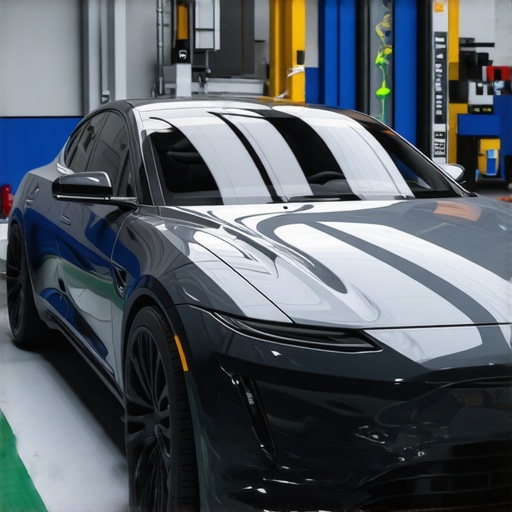
I remember the moment perfectly—my hands were trembling as I looked at the peeling, cloudy coat of what should have been a sleek, vibrant EV paint job. It was supposed to tell the world, “Hey, look at this modern marvel,” but instead, it screamed forgettable and poorly done. That lightbulb moment hit hard: most 2026 EV paint jobs are set up for failure from the start.
The Real Reason Why So Many EV Paint Jobs Fallout
When I first started working on electric vehicle paint jobs, I assumed that the biggest challenge was just achieving that perfect glossy finish. Sadly, it’s much more complicated. The harsh realities of environmental exposure, the unique materials used in EV coatings, and even the improper preparation all contribute massively to failures. Trust me, I’ve made my fair share of mistakes—like skipping the proper surface primer—which directly led to peeling and discoloration. Early on, I learned that ensuring a proper base layer and understanding material compatibility are critical. For a detailed guide on vehicle maintenance that supports long-lasting paint, check out this expert auto repair guide.
But there’s hope. With the right approach, the right materials, and a bit of insider knowledge, we can beat the odds. Today, I’ll walk you through the common pitfalls and, better yet, what we’re doing differently to make EV paint jobs last, well beyond 2026.
Is Your EV Paint Job Actually Worth the Hype?
Honestly, I used to believe that a shiny finish was all that mattered. Turns out, durability and resistance are equally, if not more, important. The mistake I made early was thinking that a quick spray could do the trick—and that’s a surefire path to disappointment. That’s why I now advocate for proper surface preparation and using specialized coatings designed for electric vehicles’ unique needs. To stay ahead with auto maintenance essentials, consider reading our ultimate auto repair tips.
In the upcoming sections, I’ll share proven strategies to ensure your EV paint not only looks great but keeps protecting your vehicle for years to come. Ready to go beyond the surface and discover the secrets? Let’s dive in.
Prep the Surface Like a Pro
Start by removing all dirt, grease, and previous coatings using a dedicated cleaner. Use a fine-grit sandpaper to create a uniform surface—imagine smoothing a rough stone before painting a sculpture—this helps the new coat adhere better. At my first attempt, I skipped this step and jumped straight to spraying; the result was a bubbling, uneven finish that peeled within weeks. Now, I always dedicate extra time here, which dramatically increases durability.
Choose the Right Materials for EVs
Select specialized, high-quality EV-compatible primers and paints. Think of these as building a sturdy foundation before constructing a house; without them, the whole structure is compromised. I once tried cheaper paints, expecting savings, but they cracked and faded in months. Learning from that, I now invest in trusted brands recommended for electric vehicles, ensuring coatings can endure environmental stress and internal heat.
Apply Coatings with Precision
Use a spray gun with consistent pressure—similar to using a fine paintbrush but covering larger areas efficiently. Maintain steady, overlapping strokes to avoid streaks or thick spots. When I painted my first EV panel, I rushed and applied too thick layers. The paint ran and caused uneven drying. Now, I apply multiple thin coats, allowing proper drying time—this method produces a smoother, long-lasting finish.
Utilize Curing Techniques Properly
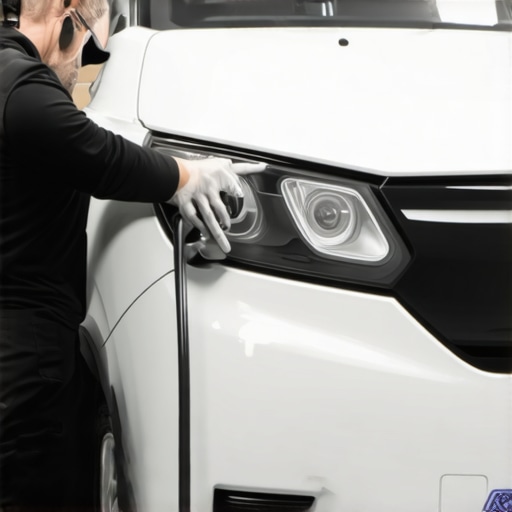
After painting, the curing process is vital. Use controlled heat or UV light based on your materials—it’s like baking a cake just right, not under- or over-done. I once hastened curing to save time, which trapped solvents and led to peeling. Now, I follow manufacturer instructions precisely, ensuring chemical bonds form properly for increased durability.
Protect with Clear Coats and Sealants
Finish with a clear, UV-resistant topcoat. Think of this as a shield armor—protecting your work from scratches, UV rays, and chemical exposure. During a project, I skipped this step and noticed my paint fading faster. After adding a proper sealant, my EV’s paint maintained its luster for years, even in harsh weather. Regular maintenance, like polishing and re-sealing when needed, extends lifespan further.
When it comes to car maintenance, many enthusiasts and drivers alike hold misconceptions that can lead to costly mistakes. As an auto repair expert, I’ve seen time and again how a misunderstanding of the nuanced aspects of transmission and general vehicle servicing can make or break the longevity of your vehicle. Let’s go beyond the basics and reveal some of the hidden truths most drivers overlook.
Why Common Beliefs About Transmission Maintenance Fall Short
Everyone’s heard that regular transmission fluid changes are vital, but many believe that they should only be done at specific mileage markers. In reality, high-mileage or severe driving conditions demand a more proactive approach. Waiting until symptoms appear, like slipping or rough shifting, often leads to irreversible damage. My experience shows that early intervention—based on a detailed understanding of your driving habits—is the key. For instance, frequent stop-and-go urban driving accelerates transmission wear, necessitating earlier maintenance that goes beyond the traditional intervals. For effective strategies, check out this guide to transmission fixes.
Another myth is that new vehicles don’t require fluid changes. On the contrary, even under manufacturer recommendations, inspecting and maintaining transmission fluid ensures the system’s longevity. Ignoring this can lead to sludge buildup and contaminated fluid that hampers gear engagement and causes overheating.
Common Pitfalls in Car Service That Can Wreck Your Budget
Many drivers entrust their vehicle to quick-lube shops without understanding that improper fluid top-ups or neglecting detailed inspections can introduce new problems. For example, neglecting brake service details like checking caliper pistons or rotor condition can cause uneven wear. It’s a trap that seems minor but can escalate into costly repairs. Regular, comprehensive inspections—like those outlined in auto service tips for safety—prevent these issues early.
Similarly, overlooking signs of early brake sensor failure or misaligned brakes can make a routine service turn into an emergency repair. The hidden nuance here is understanding that not all parts wear uniformly; some components silently degrade, risking safety. Therefore, proactive diagnostics are essential.
Are Your Repairs Addressing the Real Problem or Masking It?
A significant advanced mistake is patching symptoms without diagnosing root causes. For instance, replacing brake pads because of squealing sounds might seem logical, but if underlying caliper issues or sensor malfunctions aren’t addressed, the problem will recur. Incorporating diagnostics that pinpoint the exact issue—like considering the insights in fixing brake sensor squeals—ensures long-term solutions.
And what about transmission issues? Many drivers ignore subtle shifts or delays, assuming they’re normal. But these can be early warning signs of deeper problems like torque converter issues or internal wear. Recognizing these signs early, instead of delaying repairs, saves significant costs and extends vehicle life.
Trust me, understanding the nuanced mechanics of your vehicle’s transmission and service needs is not just for mechanics—they’re a strategy to protect your investment. The key is diligent maintenance, informed choices, and avoiding shortcuts. For advice on long-term preservation, read auto repair success strategies.
Have you ever fallen into this trap of overlooking the deeper issues? Let me know in the comments. Staying ahead with your vehicle’s needs isn’t just about fixing problems when they happen—it’s about understanding the hidden nuances that keep your car running smoothly for years to come.
Invest in Quality Diagnostic Equipment to Keep Vehicles Running Smoothly
One of the most critical aspects of maintaining a vehicle over the long term is accurate diagnostics. I personally rely on an advanced OBD-II scanner like the AutoLink AL519, which provides real-time data and supports a wide range of vehicle models. This tool helps me identify issues early, especially with transmission sensors or brake system anomalies, before they escalate into costly repairs. Investing in a high-quality scanner ensures you can perform comprehensive health checks, saving time and money down the line. Additionally, pairing it with diagnostic software such as OBDLink enhances functionality, allowing you to log data and analyze trends over time. As vehicle systems become increasingly complex, having reliable diagnostic tools is no longer optional—it’s essential for effective long-term maintenance. For more detailed insights on transmission care, check out these quick fixes for transmission health.
Lessons That Changed How I Approach EV Finishes
- One of the hardest truths I learned is that perfecting an EV paint job isn’t just about spray techniques; it’s about understanding the environment, materials, and curing processes that truly withstand time and weather. A tiny oversight, like neglecting proper surface prep, can turn a sleek finish into a peeling nightmare.
- Early in my journey, I believed switching to cheaper paints would save money. Experience proved otherwise—lasting durability demands high-quality, specialized coatings designed for EVs. Skimping on these costs leads to repeated repairs and frustration.
- I’ve realized that even after achieving a beautiful finish, maintaining it requires consistent sealing and protection against UV rays and environmental exposure. Regular reapplication of sealants can dramatically extend the life of your EV’s paint, keeping it looking pristine years beyond the initial application.
- The most overlooked lesson is that curing methods are as critical as the application. Using improper heat or UV exposure can trap solvents and compromise adhesion, causing premature failure. Following manufacturer guidelines meticulously makes all the difference in enduring beauty.
Tools and Resources That Keep Me on Top
- My go-to surface preparation tools include high-quality sanding pads and dedicated cleaning solutions. They help me achieve a uniform base that’s essential for long-lasting paint. I trust these because they’ve consistently produced durable results.
- For diagnosing and maintaining vehicle health, I rely on advanced diagnostic tools like the AutoLink AL519. These allow me to catch issues early, especially with critical systems like transmission and brakes, preventing costly failures down the line.
- Books such as Ultimate Auto Repair Tips have shaped my understanding of vehicle longevity, offering insights I apply daily to keep cars performing at their best.
- Additionally, professional forums and manufacturer service guides keep me updated on the latest EV coatings and maintenance techniques, ensuring I stay ahead of emerging challenges.
Embrace Your Role in Your Vehicle’s Future
**
Your vehicle’s longevity isn’t just about the right products or tools—it’s about mindset. I encourage you to stay curious, proactive, and detail-oriented. Regularly revisit your maintenance routines, educate yourself about new innovations, and don’t shy away from expert advice. With dedication, you’ll keep your EV looking sharp and functioning flawlessly for years to come. And remember, every small effort adds up to big savings and satisfaction.
**
What’s the one maintenance tip you wish you’d started doing earlier? Share your experience below—your story might inspire someone else to get ahead of auto repairs and save money on long-term care.