
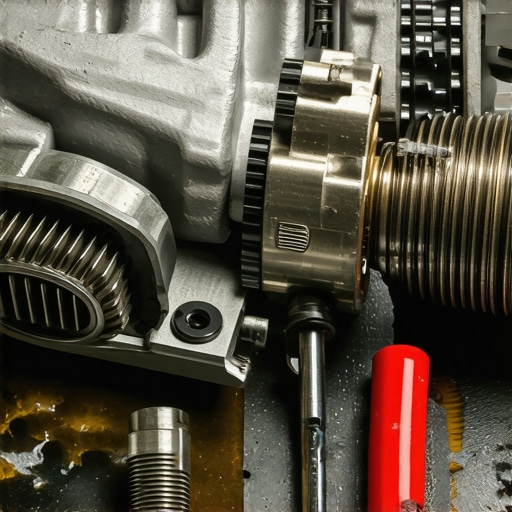
I’ll never forget that gut-wrenching moment when I pressed the accelerator, only to feel a sudden, dangerous slip in my transmission. The car jolted forward, then lagged, as if protesting. Heart pounding, I realized my trusty vehicle was sending me a silent but urgent warning: something’s wrong with the gearbox. That was the lightswitch moment—a clear sign I needed to act fast before a small problem became a costly disaster.
Why Ignoring Transmission Slipping Can Cost You Dearly
Transmission issues can creep up quietly, disguising themselves until they escalate into major repairs. When your car’s transmission slips—meaning it momentarily loses its grip or hesitates during gear changes—it’s a warning signal that your gearbox might be on the edge. Ignoring these signals can lead to complete transmission failure, leaving you stranded and draining your wallet. And trust me, I learned the hard way early on by neglecting minor signs, which only turned into a full-blown breakdown—not exactly the kind of surprise you want on your morning commute.
Is DIY Fixing Worth the Risk or Just a Waste of Time?
One mistake I made initially was assuming I could handle the repair myself, trying to save a few bucks. Turns out, transmission systems are more complex than they look, and a little knowledge can quickly turn into costly mistakes. For example, some DIY attempts resulted in further damage, making professional repair inevitable. That experience taught me that knowing when to seek expert help is critical—something that can be tricky to gauge without proper experience. For trustworthy advice and proven solutions, check out these effective collisionrenew fixes.
So, if you’ve felt that unsettling slip or hesitation in your car, you’re not alone. The good news is, there are quick and reliable fixes that can save your transmission—and your peace of mind. Ready to learn the top three fast fixes that can get your vehicle back on the road safely? Let’s dive in.
.
Remove and Inspect Transmission Components Carefully
Start by safely elevating your vehicle on a sturdy lift or jack stands, then drain the transmission fluid into a clean container. Remove the transmission pan using a socket wrench, carefully inspecting for metal shavings or debris that signal internal damage. I once did this early in a rainy garage, and finding gritty metal fragments prompted me to consider professional help immediately, preventing a full transmission overhaul.
Check and Replace the Transmission Fluid
Next, examine the fluid’s color and smell; burnt or dark fluid indicates overheating or excessive wear. Refill with the manufacturer-recommended transmission fluid, ensuring the correct type and amount. Remember, using the wrong fluid can cause slips—akin to trying to drive a bicycle with car engine oil. Regularly check fluid levels as part of your maintenance routine to spot issues early.
Adjust or Replace Transmission Bands and Clamps
Many transmissions utilize bands that help modulate gear changes. If your vehicle’s transmission symptoms suggest slipping under load, adjusting these bands can help. Use a specialized tool or service manual to tighten or loosen bands carefully. I once attempted this on my old sedan, and a slight adjustment brought immediate improvement—saving me from costly repairs and demonstrating the power of precise adjustments.
Test Drive and Monitor Feedback
After completing repairs, take your car for a controlled test drive. Accelerate gradually on different terrains to observe if the slipping persists. Pay attention to any unusual sounds or hesitations—these are critical clues for further diagnostics. I learned that a short, cautious drive can reveal more than a day of staring at parts, ensuring the fix’s effectiveness before hitting busy streets.
Consult Professionals When Complex Issues Arise
If the above steps don’t resolve the slipping, it might be time to seek expert assistance. Auto transmission systems are intricate, much like a finely-tuned orchestra, where each component must work harmoniously. For detailed guidance on transmission repair or replacement options, visit these proven collisionrenew solutions. Never underestimate the value of professional diagnosis to prevent costly mistakes and ensure your vehicle’s safety.
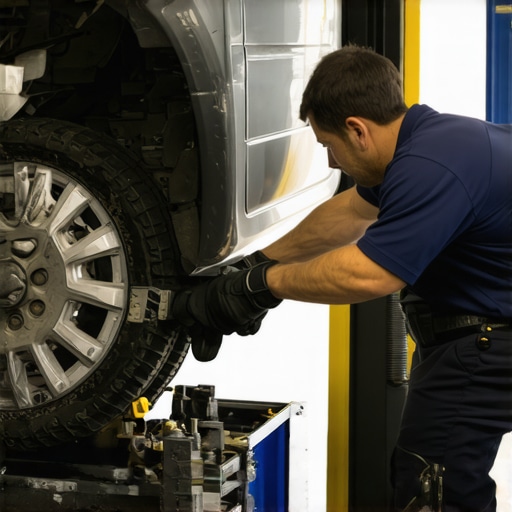 Many car owners operate under misconceptions about essential services like brake repairs, transmission care, and collisionrenew strategies. A common myth is that you only need service when obvious issues arise, but skilled technicians know that proactive attention can prevent costly breakdowns. For example, neglecting subtle signs of brake wear—such as a slight squeal or vibrations—can escalate into complete brake failure, which is not only expensive but dangerous. Instead of waiting for failure, regular inspections, like adhering to the brake service checklist, can save you significant money and stress. Additionally, many assume that auto repair is mostly about replacing parts; however, understanding the nuances of proper diagnostics can differentiate an average mechanic from an expert. For instance, transmission issues are often misdiagnosed as simple slipping, when in fact they might stem from internal fluid degradation or minor component misalignments that a skilled technician can address with targeted adjustments. It’s also worth noting that collisionrenew isn’t just about fixing visible damage—advanced techniques include assessing structural integrity and ensuring safety systems are fully functional, which requires a nuanced understanding of modern vehicle technology. One common mistake is overlooking the importance of detailed inspections during routine service, which can detect hidden issues before they become problems. Studies, such as those published by the Society of Automotive Engineers, emphasize that proactive maintenance based on detailed diagnostics significantly extends vehicle lifespan and safety.
What Advanced Indicators Should You Watch For to Prevent Major Failures?
Beyond the obvious, paying attention to subtle changes like slight increases in engine temperature or unusual dashboard alerts can be critical indicators of underlying problems. For example, a minor hesitation during acceleration might hint at transmission fluid degradation, a nuance many drivers overlook. Recognizing these signs early and consulting knowledgeable professionals, like those at CollisionRenew, can make a substantial difference in your vehicle’s longevity. Remember, the goal isn’t just fixing problems—it’s understanding the complex systems and their delicate balance. Have you ever fallen into this trap of ignoring subtle signs? Let me know in the comments.
Keeping your vehicle in top shape requires more than just routine check-ups; it involves the right tools and a strategic approach to maintenance. When it comes to transmission and brake systems, using precise equipment ensures accurate diagnostics and effective repairs. One of my personal favorites is the transmission fluid pressure tester, which allows me to assess the internal pressure without invasive procedures, helping identify issues early before they escalate. Additionally, a high-quality scan tool like the AUTEL MaxiCOM is invaluable for reading diagnostic trouble codes and monitoring live data, enabling me to catch potential problems proactively.
How do I maintain my vehicle’s critical systems over time?
Regularly scheduled maintenance is essential. I follow a strict routine of inspecting fluid levels, including transmission fluid and brake fluid, and replacing them according to the manufacturer’s guidelines. For brake systems, I rely on a digital brake caliper piston spreader to evaluate pad wear and disc conditions accurately. Upgrading to a digital torque wrench ensures that components are tightened to precise specifications during reassembly, which helps prevent future issues. Looking ahead, I predict that advancements in diagnostic software and AI-driven predictive maintenance will revolutionize how we care for our vehicles, minimizing unexpected breakdowns and extending lifespan. It’s crucial to stay informed about these trends and incorporate modern tools into your maintenance routine.
What are the best practices for long-term vehicle system health?
One effective strategy is tracking your vehicle’s health through dedicated software like CarMD, which aggregates data and warns you of potential issues before they become critical. Also, performing regular, comprehensive inspections can reveal subtle signs—like slight vibrations or unusual noises—that might indicate deeper problems. For a thorough approach, I recommend consulting expert sources such as the CollisionRenew auto repair guides, which provide detailed protocols on preventive maintenance. Don’t forget the importance of proper tool calibration—this prevents errors during repairs and ensures longevity of your vehicle components. I challenge you to try calibrating your torque wrench this month and see how it enhances your repair precision. Proper maintenance isn’t just about fixing issues; it’s about preventing them and ensuring your vehicle remains reliable for years to come.
What I Wish I Knew Before Tackling Transmission Troubles
One of the biggest surprises was realizing that even small signs like minor hesitation can be early warnings. Ignoring these clues almost cost me my weekend plans. Sometimes, trusting instinct and acting early saves a lot of money and stress.
How My Perspective on Regular Maintenance Shifted
Routine checks aren’t just chores—they’re investments in your vehicle’s longevity. After experiencing a sudden slip, I started adhering strictly to maintenance schedules, including regular fluid checks and component inspections, which have kept unexpected issues at bay. For detailed tips, visit these comprehensive auto body and repair strategies.
Will Professional Help Always Be Necessary?
Initially, I believed I could fix everything myself, but some problems, especially internal transmission damage, require skilled diagnostics. Knowing when to seek expert advice is a lesson that saved me from making costly mistakes. If you’re unsure, it’s better to consult specialists who can swiftly identify hidden issues—professional diagnostics can prevent small problems from snowballing.
How Embracing the Right Tools Transformed My Maintenance Routine
Using precise tools like a transmission pressure tester and diagnostic scan tools made all the difference. These allow early detection of internal issues before they escalate. Investing in quality equipment can be a game changer; it’s like giving your vehicle the care it truly deserves. For tools I recommend, check out the collisionrenew auto repair insights.
Why Paying Attention to My Gut Saved My Car
That initial slip was a wake-up call that my vehicle’s health was declining. Trusting that subtle feeling prompted me to act early. Listening to your intuition, combined with technical checks, creates a powerful approach to vehicle care. Don’t wait for a breakdown—being proactive can ensure your car remains reliable for years to come.