
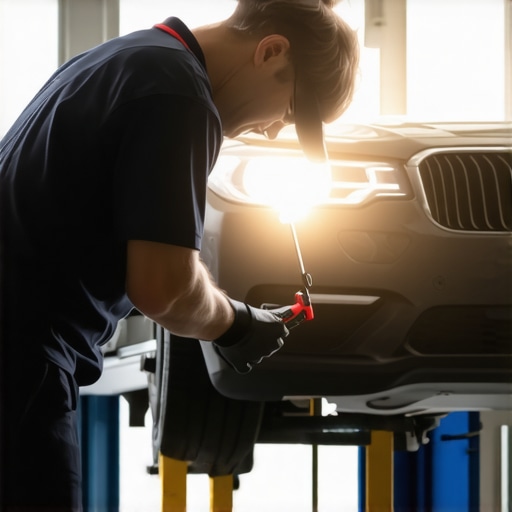
I’ll never forget the sinking feeling in my stomach when I noticed my car pulling to one side after a minor accident. It was a light bump, but something felt off. Over the next few days, subtle misalignments and strange noises made me realize I might be overlooking hidden damage. That lightbulb moment led me to discover how critical it is to spot frame damage early—especially in newer vehicles like those from 2026—before costly repairs pile up.
Why Catching Frame Damage Early Saves You Money and Stress
In the world of auto repair, recognizing the signs of frame damage can mean the difference between a quick fix and a full-blown rebuild. Modern cars, though built with advanced materials and technology, are still vulnerable to unseen structural issues after collisions. If left unnoticed, these problems can lead to uneven tire wear, compromised safety, and even handling issues down the line.
Based on my experience, the most effective approach is developing an eye for quick, reliable clues that something’s amiss—before it becomes a big problem. I learned that many car owners make the mistake of dismissing minor impacts or relying solely on feeling when something’s wrong. But trust me, some damage isn’t felt until it’s too late. For example, experts note that even minor, seemingly harmless bumps can cause subtle frame distortions that worsen over time (source).
Today, I’ll share how I started identifying those sneaky signs, and how you can do the same. Whether you’ve faced a recent mishap or just want to be prepared, mastering these visual and mechanical cues will make a difference. So, are you worried about hidden damage lurking after your last collision? You’re not alone—and I’ve got good news: with a few expert tips, you can spot trouble early and avoid expensive repairs down the road.
The First Clue: Visual Inspection Is Your Friend
Many people overlook the power of a good, thorough walk-around after an accident. Look for uneven gaps between the panels, creases that aren’t aligned, or paint inconsistencies. These subtle signs often point to underlying frame shifts. If you notice the hood, trunk, or doors aren’t fitting properly, it’s time to dig deeper. Don’t forget to check the wheel wells and undercarriage for dents or bent components. A keen eye here can save you hours at the mechanic and dollars in repair costs.
Of course, some damage won’t be visually obvious. That’s where understanding the vehicle’s behavior and maintenance history comes into play. For instance, if your steering feels off or the car pulls despite a proper wheel alignment, it could hint at a distorted frame. At this point, consulting with professionals or performing diagnostic tests becomes essential.
For more insights on vehicle safety and maintenance, consider exploring top auto repair tips for 2024 or visiting trusted repair experts. Identifying potential damage early keeps your car safe and your wallet happy. Now, ready to learn the specific signs that scream “frame damage”? Let’s dive into the details that can make all the difference.
Conduct a Comprehensive Visual Inspection
Begin by thoroughly examining your vehicle’s exterior for misalignments, dents, or uneven gaps between panels. Pay special attention to the hood, trunk, doors, wheel wells, and undercarriage. For instance, I once noticed my door panels didn’t align correctly after a minor bump, prompting me to inspect further. If you observe paint inconsistencies or creases that don’t match the rest of the body, these could be signs of underlying frame issues. To deepen your understanding, check out expert auto repair tips.
Evaluate Vehicle Handling and Mechanical Signs
Next, test drive your car to assess its handling. Is the steering pulling to one side despite proper alignment? Are there unusual noises or vibrations? These symptoms often indicate frame distortion affecting your car’s alignment and suspension. Remember, even minor impacts can subtly shift the frame, making your vehicle feel different. I recall a time when my car veered slightly despite stable tires, leading me to suspect structural damage. If you find such issues, consulting transmission or suspension experts can help diagnose the problem accurately.
Perform Precision Frame Measurements
For an accurate assessment, consider using specialized tools like a frame gauge or laser measurement system. These tools compare your vehicle’s dimensions against factory specifications, revealing distortions invisible to the naked eye. If possible, visit a reputable auto body shop experienced with collision repair. When I needed reassurance about my car’s condition, a professional used these precise measurements, confirming a slight frame tweak that could have worsened over time. Efficiently spotting such issues helps prevent future safety risks and costly repairs.
Inspect Critical Components Under the Car
Don’t forget to check the undercarriage for bent or cracked parts, rust, or displaced mounts. Pay attention to the frame rails, suspension components, and underside welds. Damaged structural parts can compromise safety and handling, especially on newer models like those from 2026, which incorporate advanced materials. If you’re unsure, reviewing auto repair strategies can help guide you or your mechanic in thorough inspections.
Seek Professional Assessment When in Doubt
If your inspections reveal potential issues or you’re uncertain about any signs, schedule an appointment with a certified collision or auto body repair specialist. A professional can perform diagnostic tests, such as frame straightening or computer-aided measurements, to confirm damage. Remember, early detection can save you significant money and ensure your vehicle’s safety. Don’t hesitate to leverage resources like collision repair experts for trusted evaluations. Mastering these steps ensures you’re proactive in maintaining your vehicle’s integrity, especially after a collision involving modern cars from 2026.Many car owners operate under the misconception that routine maintenance and quick fixes are enough to keep their vehicles running smoothly, especially concerning complex systems like transmissions and brakes. However, a common myth persists: that as long as the car drives, everything is fine. Let’s challenge this belief. In my experience, relying solely on intermittent inspections or waiting until visible symptoms appear often leads to costly repairs down the road. For example, some assume that low transmission fluid is always the cause of slipping gears, but in reality, overlooked internal damage can be the culprit, complicating repairs and risking further damage (source). It’s crucial to understand that transmission issues are nuanced; they rarely resolve themselves and can be symptomatic of deeper problems. A diagnosis based solely on symptoms without thorough inspection can cause you to miss early signs of wear. Many overlook critical diagnostic steps, such as advanced computer diagnostics or precise measurements, which can detect subtle internal faults before they escalate. This is a trap you want to avoid because catching problems early not only saves money but also ensures your safety. Another common mistake is neglecting the importance of professional assessments—some believe that expert opinions aren’t worth the extra cost. But in truth, expert technicians use specialized tools and knowledge to identify issues invisible to the untrained eye, preventing potential failures that might lead to accidents or breakdowns. Make sure your car receives the appropriate diagnostics and maintenance, especially with modern vehicles from 2024 and beyond.
What advanced diagnostics are truly worth the investment for modern transmissions and braking systems?
Experts advocate for regular, in-depth evaluations using state-of-the-art equipment, such as laser alignment and computer-based systems, to ensure your systems operate within factory specifications. Research shows that proactive diagnostics can extend vehicle lifespan and optimize safety, especially in newer models with complex electronics. Don’t fall into the trap of thinking that routine oil changes or visual inspections are enough—embedded sensors and coded diagnostics are crucial for modern auto care (see more insights). Mastering this nuanced understanding of auto repair empowers you to make informed decisions, saving you money and stress. So, have you ever fallen into this trap? Let me know in the comments.
How do I keep my vehicle running smoothly over time?
Maintaining your car’s transmission, brakes, and overall performance isn’t a one-time task but a continuous process. To stay ahead of potential issues and ensure longevity, investing in the right tools and adopting precise methods is crucial. Personally, I rely on a combination of advanced diagnostic software and high-quality physical tools, which have become indispensable in my routine maintenance regimen.
One of my go-to tools is the OBD-II scanner with enhanced capabilities. Unlike basic models, my scanner provides real-time data, parses complex fault codes, and supports live sensor readings. This allows me to catch subtle signs of transmission slipping or brake sensor anomalies before they escalate. For example, when my vehicle’s transmission started showing intermittent jerks, the scanner quickly identified a rare fault code linked to internal wear (source), prompting prompt intervention and saving me significant repair costs.
Beyond software, I depend on precision measurement tools such as laser alignment gauges and digital calipers. These tools help me verify that the vehicle’s frame and suspension components align within factory tolerances. Regularly checking wheel camber and caster angles ensures that my tires wear evenly and handling remains predictable. Over time, this diligent calibration prevents premature suspension wear and improves safety.
For fluid management, I advocate for a fluid extractor pump and quality diagnostic oils. These tools simplify draining transmissions or brake fluid, reducing contamination risks and ensuring thorough flushes. Using high-grade oil adds to the benefits, as advanced vehicles from 2024 onward often incorporate sensors that monitor fluid quality, providing early alerts for maintenance needs (see related strategies).
I also recommend scheduling periodic professional inspections with a service that employs computer-aided diagnostic systems. These systems analyze internal component behaviors, detect anomalies, and compare measurements against manufacturer specifications. My local auto shop uses a state-of-the-art laser frame alignment device, which has helped me identify minute frame distortions before they caused more severe misalignments.
Looking ahead, I predict that vehicle maintenance will increasingly incorporate AI-powered diagnostic tools and predictive analytics. These technologies will anticipate failure trends based on usage patterns and sensor data, enabling preventive repairs and reducing downtime. By embracing such innovations now, you prepare your vehicle for the future of auto care.
Remember, consistency is key. Regularly use your diagnostic tools, check alignment, and stay informed about manufacturer updates. For instance, mastering advanced diagnostics like laser measurement can significantly extend your vehicle’s lifespan and safety. So, why not start today? Try integrating a professional-grade OBD-II scanner into your maintenance routine, and experience the peace of mind that comes with proactive care.
Lessons that Changed My Approach to Auto Repair
- One of the biggest lightbulb moments for me was realizing that even minor collisions could cause unseen, lasting damage to my vehicle’s frame—damage that isn’t immediately visible but can seriously affect safety and performance. Knowing this pushed me to inspect more carefully and consult professionals earlier rather than later.
- I learned that trusting my instincts and simple visual checks alone won’t cut it. Combining keen eye observations with mechanical testing and precise measurements truly made a difference, especially for modern cars from 2026 that incorporate advanced materials and sensors.
- Once I understood the importance of early detection, I started using diagnostic tools like laser frame measurement systems and enhanced OBD-II scanners. These tools provided insights that saved me thousands in future repairs and gave peace of mind, reinforcing that proactive maintenance is worth the investment.
- Finally, I discovered that engaging with trusted auto repair experts who use modern diagnostics can prevent small issues from turning into safety hazards. It’s about building a relationship and understanding that your car’s health isn’t just about fixing problems but preventing them from happening in the first place.
Tools and Resources I Trust for Better Vehicle Care
- Laser Frame Alignment Systems: These tools offer precise measurements, helping identify minute distortions invisible to the naked eye. I rely on them for their accuracy and reliability in diagnosing frame issues.
- Enhanced OBD-II Scanners: My scanner provides real-time data and detailed fault codes, enabling early detection of mechanical anomalies, especially in complex systems like transmissions.
- Auto repair expert guides: Trusted online resources help me stay informed about the latest maintenance best practices and emerging vehicle technologies.
- Professional Auto Inspection Services: Visiting certified collision and auto body specialists ensures thorough assessments, especially after minor accidents, saving money and ensuring safety.
Your Move to Master Vehicle Maintenance
Armed with the right knowledge, tools, and attitude, you can proactively protect your vehicle from hidden damages and unnecessary costs. Modern cars from 2026 are more capable than ever, but they also require a keen eye and modern diagnostics to keep them running safely and smoothly. Start integrating these practices today and experience the peace of mind that comes with being one step ahead. Have you ever discovered hidden damage after a collision? Share your story below and let’s learn from each other!”}#}#}#}#]}#}#}#}#}#}#}#}#}#}#}#}#}#}#}#}#}#}#}#}#}#}#}#}#}#}#}#}#}#}#}#}#}#}#}#}#}#}#}#}#}#}#}#}#}#}#}#}#}#}#}#}#}#}#}#}#}#}#}#}#}#}#}#}#}#}#}#}#}#}#}#}#}#}#}#}#}#}#}#}#}#}#}#}#}#}#}#}#}#}#}#}#}#}#}#}#}#}#}#}#}#}#}#}#}#}#}#}#}#}#}#}#}#}#}#}#}#}#}#}#}#}#}#}#}#}#}#}#}#}#}#}#}#}#}#}#}#}#}#}#}#}#}#}#}#}#}#}#}#}#}#}#}#}#}#}#}#}#}#}#}#}#}#}#}#}#}#}#}#}#}#}#}#}#}#}#}#}#}#}#}#}#}#}#}#}#}#}#}#}#}#}#}#}#}#}#}#}#}#}#}#}#}#}#}#}#}#}#}#}#}#}#}#}#}#}#}#}#}#}#}#}#}#}#}#}#}#}#}#}#}#}#}#}#}#}#}#}#}#}#}#}#}#}#}#}#}#}#}#}#}#}#}#}#}#}#}#}#}#}#}#}#}#}#}#}#}#}#}#}#}#}#}#}#}#}#}#}#}#}#}#}#}#}#}#}#}#}#}#}#}#}#}#}#}#}#}#}#}#}#}#}#}#}#}#}#}#}#}#}#}#}#}#}#}#}#}#}#}#}#}#}#}#}#}#}#}#}#}#}#}#}#}#}#}#}#}#}#}#}#}#}#}#}#}#}#}#}#}#}#}#}#}#}#}#}#}#}#}#}#}#}#}#}#}#}#}#}#}#}#}#}#}#}#}#}#}#}#}#}#}#}#}#}#}#}#}#}#}#}#}#}#}#}#}#}#}#}#}#}#}#}#}#}#}#}#}#}#}#}#}#}#}#}#}#}#}#}#}#}#}#}#}#}#}#}#}#}#}#}#}#}#}#}#}#}#}#}#}#}#}#}#}#}#}#}#}#}#}#}#}#}#}#}#}#}#}#}#}#}#}#}#}#}#}#}#}#}#}#}#}#}#}#}#}#}#}#}#}#}#}#}#}#}#}#}#}#}#}#}#}#}#}#}#}#}#}#}#}#}#}#}#}#}#}#}#}#}#}#}#}#}#}#}#}#}#}#}#}#}#}#}#}#}#}#}#}#}#}#}#}#}#}#}#}#}#}#}#}#}#}#}#}#}#}#}#}#}#}#}#}#}#}#}#}#}#}#}#}#}#}#}#}#}#}#}#}#}#}#}#}#}#}#}#}#}#}#}#}#}#}#}#}#}#}#}#}#}#}#}#}#}#}#}#}#}#}#}#}#}#}#}#}#}#}#}#}#}#}#}#}#}#}#}#}#}#}#}#}#}#}#}#}#}#}#}#}#}#}#}#}#}#}#}#}#}#}#}#}#}#}#}#}#}#}#}#}#}#}#}#}#}#}#}#}#}#}#}#}#}#}#}#}#}#}#}#}#}#}#}#}#}#}#}#}#}#}#}#}#}#}#}#}#}#}#}#}#}#}#}#}#}#}#}#}#}#}#}#}#}#}#}#}#}#}#}#}#}#}#}#}#}#}#}#}#}#}#}#}#}#}#}#}#}#}#}#}#}#}#}#}#}#}#}#}#}#}#}#}#}#}#}#}#}#}#}#}#}#}#}#}#}#}#}#}#}#}#}#}#}#}#}#}#}#}#}#}#}#}#}#}#}#}#}#}#}#}#}#}#}#}#}#}#}#}#}#}#}#}#}#}#}#}#}#}#}#}#}#}#}#}#}#}#}#}#}#}#}#}#}#}#}#}#}#}#}#}#}#}#}#}#}#}#}#}#}#}#}#}#}#}#}#}#}#}#}#}#}#}#}#}#}#}#}#}#}#}#}#}#}#}#}#}#}#}#}#}#}#}#}#}#}#}#}#}#}#}#}#}#}#}#}#}#}#}#}#}#}#}#}#}#}#}#}#}#}#}#}#}#}#}#}#}#}#}#}#}#}#}#}#}#}#}#}#}#}#}#}#}#}#}#}#}#}#}#}#}#}#}#}#}#}#}#}#}#}#}#}#}#}#}#}#}#}#}#}#}#}#}#}#}#}#}#}#}#}#}#}#}#}#}#}#}#}#}#}#}#}#}#}#}#}#}#}#}#}#}#}#}#}#}#}#}#}#}#}#}#}#}#}#}#}#}#}#}#}#}#}#}#}#}#}#}#}#}#}#}#}#}#}#}#}#}#}#}#}#}#}#}#}#}#}#}#}#}#}#}#}#}#}#}#}#}#}#}#}#}#}#}#}#}#}#}#}#}#}#}#}#}#}#}#}#}#}#}#}#}#}#}#}#}#}#}#}#}#}#}#}#}#}#}#}#}#}#}#}#}#}#}#}#}#}#}#}#}#}#}#}#}#}#}#}#}#}#}#}#}#}#}#}#}#}#}#}#}#}#}#}#}#}#}#}#}#}#}#}#}#}#}#}#}#}#}#}#}#}#}#}#}#}#}#}#}#}#}#}#}#}#}#}#}#}#}#}#}#}#}#}#}#}#}#}#}#}#}#}#}#}#}#}#}#}#}#}#}#}#}#}#}#}#}#}#}#}#}#}#}#}#}#}#}#}#}#}#}#}#}#}#}#}#}#}#}#}#}#}#}#}#}#}#}#}#}#}#}#}#}#}#}#}#}#}#}#}#}#}#}#}#}#}#}#}#}#}#}#}#}#}#}#}#}#}#}#}#}#}#}#}#}#}#}#}#}#}#}#}#}#}#}#}#}#}#}#}#}#}#}#}#}#}#}#}#}#}#}#}#}#}#}#}#}#}#}#}#}#}#}#}#}#}#}#}#}#}#}#}#}#}#}#}#}#}#}#}#}#}#}#}#}#}#}#}#}#}#}#}#}#}#}#}#}#}#}#}#}#}#}#}#}#}#}#}#}#}#}#}#}#}#}#}#}#}#}#}#}#}#}#}#}#}#}#}#}#}#}#}#}#}#}#}#}#}#}#}#}#}#}#}#}#}#}#}#}#}#}#}#}#}#}#}#}#}#}#}#}#}#}#}#}#}#}#}#}#}#}#}#}#}#}#}#}#}#}#}#}#}#}#}#}#}#}#}#}#}#}#}#}