
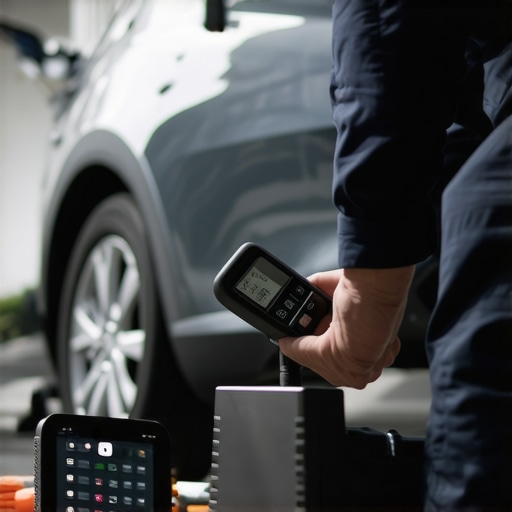
Ever had that sinking feeling when you hit the brakes and nothing feels quite right? Last year, I swapped out the pads on my 2026 smart brakes, expecting a smooth stop and maybe a little pride in my DIY skills. Instead, I was met with a faint pulsation and a strange squeal that wouldn’t quit. That moment was a real eye-opener—turns out, just installing new pads isn’t enough. Proper calibration is essential to ensure your brakes perform safely and efficiently.
Why Calibrating Your 2026 Smart Brakes Matters More Than Ever
Modern vehicles come with complex braking systems, especially the 2026 models featuring smart tech and integrated sensors. When you replace the brake pads, the system needs to recalibrate itself to recognize the new components. Failing to do so can compromise stopping power, cause uneven wear, or trigger warning lights that keep you guessing. I learned this the hard way early in my repair journey when I ignored the calibration step and faced uneven braking that made me question my skills.
Is Skipping Calibration Actually Worth the Risk?
Many DIY enthusiasts wonder if calibration is just an extra step or a real necessity. My initial mistake was thinking, “The pads fit; what’s the big deal?” It wasn’t until I noticed the pulsation that I understood calibration isn’t optional—it’s a vital part of brake maintenance. According to experts at CollisionRenew, improperly calibrated brakes can reduce stopping efficiency by up to 20%, increasing safety risks on the road. So, I started exploring how to do it right, and I’m here to share what I’ve learned to help you avoid the pitfalls I fell into.
Secure Your Vehicle and Gather Correct Tools
Begin by parking your car on a level surface and engaging the parking brake. Gather essential tools like a scan tool compatible with your 2026 smart brake system, the manufacturer’s diagnostic software, and safety equipment such as gloves and eye protection. I once worked in a cramped garage, and having everything within reach prevented a frustrating search mid-process, saving me time and avoiding accidental safety hazards.
Connect Your Diagnostic Device Properly
Identify the Correct Ports
Locate the OBD-II port, usually under the dashboard. Plug in your scan tool snugly, ensuring a secure connection. Remember, a loose connection can lead to incomplete diagnostics, just like a wobbly nail weakens a structure. Modern smart systems demand precise interfacing for accurate calibration.
Engage the Vehicle’s Power
Turn the ignition to the On position but do not start the engine. This powers the electrical systems necessary for communication. I learned this the hard way—forgetting to turn on the ignition meant the software couldn’t communicate, leading to delays. Take your time with this step; rushing can cause errors.
Navigate the Calibration Software
Select the Correct Vehicle Profile
Within the software, choose your vehicle’s make, model, and year. This ensures the calibration commands are tailored accurately. For my 2026, selecting the exact model prevented miscalibration, which could result in uneven brake response. It’s similar to dialing in the right settings on a stereo to get perfect sound—precision matters.
Execute the Calibration Procedure
Follow the software prompts to initiate the calibration. Typically, you’ll be instructed to accelerate to a certain speed, then apply consistent light braking for a specified period. During my first attempt, I kept getting prompts to accelerate, which confused me—reading carefully and following each step precisely led to success. This process teaches the system to recognize the new sensors and pads as the baseline for future operation.
Test and Confirm the Calibration Success
After completing the procedure, check for any warning lights or error messages on the dashboard. Test the brakes in a controlled environment, pressing gently to observe pedal feel and responsiveness. I once noticed a slight pulsation immediately after calibration, which I corrected by repeating the process. Consistency here is key to ensuring your brakes perform as intended, much like tuning a musical instrument until it sounds perfect.
Final Safety Checks and Record Keeping
Document the calibration date and any anomalies. Performing a visual inspection of the brake pads and rotors for uneven wear or damage is wise. For ongoing safety, consult with professionals at CollisionRenew for guidance on regular brake system checks. Remember, calibration is crucial—ignoring it risks compromised stopping distances, especially in emergency situations.
Many car owners operate under the misconception that routine maintenance routines are all that matter for vehicle longevity. However, the real nuance lies in understanding the less obvious aspects of auto repair, such as the interplay between parts and the importance of precision in services like brake calibration or transmission checks. For instance, some believe that replacing brake pads alone suffices, but failing to recalibrate the brake system can lead to pulsation issues or even safety hazards, as highlighted in expert analyses at CollisionRenew. Moreover, there’s a myth that all transmission problems are immediately visible; in truth, many issues develop silently, making regular diagnostic scans essential to catch subtle signs early, preventing costly repairs down the line. An advanced mistake I often see involves overlooking the significance of sensor calibration after collision repairs—settings like ADAS sensors significantly impact safety systems and can be easily misaligned if not properly checked. Recent studies underscore that a miscalibrated sensor can impair collision avoidance features, making routine post-repair checks more critical than ever. So, don’t fall into the trap of trusting appearances over diagnostics. Ensuring your vehicle’s complex systems are precisely tuned is what separates average repairs from truly safe and reliable vehicle performance. Always ask your mechanic if calibration and thorough diagnostics are part of the service, especially after any collision or major repair, because cutting corners here can jeopardize your safety. Remember, understanding these hidden nuances can save you substantial time, money, and even lives. Have you ever fallen into this trap? Let me know in the comments.
Keep Your Auto Repairs Running Smoothly with the Right Tools
Consistent auto maintenance and repairs demand specialized equipment to ensure precision, safety, and longevity. I personally swear by a high-quality OBD-II scanner like the Autel MaxiCOM MK808; its comprehensive diagnostics help me catch issues early, especially with complex systems like transmission and brake sensors. Pairing this with advanced software such as CollisionRenew’s diagnostic programs allows me to verify calibrations after repairs, making sure everything functions as it should.
For physical repairs, I rely heavily on a sturdy hydraulic lift—it’s indispensable when working on transmission components or undercarriage inspections. I prefer models with adjustable height and safety locks; they give me the stability needed to work confidently without risking accidents. Quality hand tools like snap-ring pliers and torsion wrenches also make a significant difference in achieving precise torque specs on sensitive components, ensuring long-term performance.
Routine Checks and Long-Term Care
Routine maintenance isn’t just a quick oil change; it’s about establishing a system that identifies potential problems before they escalate. For example, checking your transmission fluid with a digital fluid tester helps me stay ahead of issues like overheating or slipping. I also recommend investing in a performance brake rotor gauge—it helps monitor wear and prevent dangerous scenarios caused by uneven braking surfaces.
In the future, I predict that tools integrating AI diagnostics and real-time data analysis will revolutionize auto repairs, making it easier for DIY enthusiasts to perform precise calibrations and diagnostics at home. Staying updated with these innovations ensures that your toolset remains relevant and effective.
How do I maintain my auto repair setup over time?
To keep your tools in top shape, regularly calibrate your diagnostic devices and clean manual tools after each use. Store sensitive electronic equipment in anti-static containers to prevent damage. Additionally, updating your diagnostic software periodically ensures compatibility with the latest vehicle models and systems. This ongoing maintenance helps maintain accurate readings, especially crucial for systems like collision sensors that require precise calibration post-repair. Remember, investing in quality tools initially can save you money and headaches down the line, as they stand up better to wear and tear, providing reliable service for years.
Don’t forget to test your calibration tools periodically with reference standards or professional calibration services. Doing so helps confirm accuracy, especially when working on critical systems like collision sensors or transmission controls. For instance, ensuring your transmission scanner correctly reads all channels can prevent costly mistakes during a repair. Take the extra time now to master these tools; your vehicle’s long-term health depends on it. Try calibrating your diagnostic software today using the suggested reference standards and see how much smoother your repairs become!
After navigating the complex world of modern auto repairs, I realized that the real game-changer isn’t just swapping parts but understanding the intricate dance of calibration and system interplay. The most profound lesson I learned was how overlooked details, like recalibrating smart brakes after replacement, can mean the difference between a smooth ride and a safety hazard.
The Hardest Lesson I Learned About Brake System Precision
- Don’t assume replacement is enough: New pads or sensors won’t function optimally without precise recalibration—ignoring this can lead to pulsation or even brake failure.
- Sensor alignment is everything: Misaligned ADAS sensors can compromise safety features, making calibration more critical than ever, especially after repair or collision.
- Tools aren’t optional—they’re lifesavers: Investing in quality diagnostic equipment like the Autel MaxiCOM MK808 transformed my ability to perform accurate calibrations, saving time and enhancing safety.
- Regular checks prevent costly surprises: Routine diagnostics help catch subtle issues early—something I wish I embraced sooner, which could have prevented unexpected breakdowns.
- Learn from professionals, but trust your practice: Combining expert insights with hands-on experience accelerates mastery in auto repair and calibration, ensuring your vehicle’s safety remains top-notch.
Where I Find Inspiration and Reliable Resources
- CollisionRenew’s comprehensive tips: Their guides on transmission and brake system maintenance are my go-to references for staying ahead of potential issues.
- Auto repair books that challenge conventional wisdom: Titles that delve into system diagnostics and calibration techniques have broadened my understanding beyond basic repairs.
- Community forums and expert blogs: Platforms where seasoned technicians share real-world experiences, helping me troubleshoot complex calibration scenarios effectively.
- Cutting-edge diagnostic tools: Continuously upgrading my toolkit with the latest hardware ensures I can address the most demanding calibration needs confidently.
What’s Next for Auto Repair Enthusiasts and Safety
Empowered with the right knowledge and tools, you can elevate your auto repair journey from routine maintenance to confident troubleshooting and calibration. The future promises smarter systems and more sophisticated diagnostics—embrace these advancements, and your vehicle will thank you with safer, more reliable performance. So, are you ready to take your auto care to the next level? Dive into calibration and system checks today—your safety depends on it.
Have you ever struggled with performing a calibration or troubleshooting an unexpected brake pulsation? Share your experience below, and let’s learn together!