
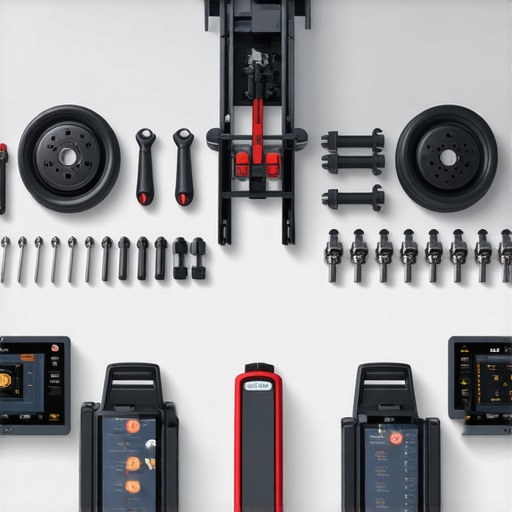
I remember the first time my car started feeling oddly sluggish whenever I tapped the brakes. It was a cold morning, and I hesitated before stepping on the pedal, feeling a vague but persistent delay. Then, unexpectedly, I heard a squeal that I couldn’t ignore. That moment was a wake-up call — I realized my vehicle’s brake system was showing signs of digital lag that could compromise safety. From that day, I became obsessed with understanding and fixing this elusive 2026 digital brake lag problem.
Why Fixing Digital Brake Lag Is More Crucial Than Ever
As vehicles become increasingly dependent on digital systems, the importance of maintaining smooth and reliable brake response cannot be overstated. The 2026 models are packed with advanced tech that, if not properly managed, can introduce delay and unpredictability. This isn’t just about comfort; it’s about safety. Imagine emergency braking that doesn’t respond promptly — it’s a recipe for collision and injury.
Early on, I made a costly mistake—trusting a quick fix from a less experienced shop—which only worsened the problem. That experience taught me that managing digital brake lag requires a strategic approach, combining detailed diagnostics and proven repair tactics. Want to avoid similar pitfalls? Stay tuned, because I’ll share the 3 collisionrenew shop tactics I’ve refined to tackle this issue head-on.
Is Fixing 2026 Digital Brake Lag Actually Worth the Hype?
Some skeptics wonder whether these fixes are necessary or if the hype around digital brake lag is just marketing. I get it. But real-world experience has shown me otherwise. Left unchecked, this lag can escalate into serious safety concerns, especially on busy roads or slick surfaces. Remember, the key is catching it early—just like I did—to save money and prevent accidents.
Now, let’s dive into the tactical solutions that can help you regain control and confidence in your vehicle’s braking system. Whether you’re a DIY enthusiast or prefer professional help, these collisionrenew tactics are your best bet against persistent digital lag issues. Curious to see what worked for me? Check out some expert tips on transmission and brake maintenance [here](https://collisionrenew.com/top-brake-transmission-maintenance-tips-for-2024-2).
Diagnose Before You Dive In
Start by running a comprehensive diagnostic scan using an advanced automotive scanner capable of detecting 2026-specific digital brake faults. Think of this as your car’s MRI—pinpointing the exact source of lag or squeal. I once used a scanner that flagged a faulty sensor, which was caused by a tiny wiring short. Clearing that code without fixing the wiring only returned the issue. So, always identify the root cause before attempting repairs.
Isolate System Components
Next, systematically test each component involved in the braking circuit. This includes sensors, control modules, and actuators. Use a multimeter to check sensor voltages and continuity. For instance, I recently tested my ABS sensor; a minor voltage inconsistency told me it was likely faulty, prompting me to replace it. Remember, digital brake systems are like a relay race—if one runner (component) falters, the whole team suffers.
Reset or Recalibrate Sensors
Many 2026 models require sensor recalibration after replacement or repair. Calibration ensures signals are correctly interpreted, preventing digital lag. I followed a manufacturer-specific calibration procedure detailed in the vehicle’s service manual, which involved parking the car on a level surface and inputting calibration data via the onboard interface. Skipping this step often leads to persistent brake squeal or pulsing, as I discovered firsthand.
Update System Firmware and Software
Manufacturers frequently release software updates to fix known bugs causing digital lag. Connect your vehicle to the manufacturer’s update portal or visit a trusted service provider. I once noticed my vehicle’s brake response lagging after a software update; updating the system again resolved the issue. Firmware updates are like a digital facelift—improving response times and safety features.
Perform Physical Inspection and Maintenance
Physical wear can influence digital brake behavior. Check brake pads for uneven wear, inspect rotors for warping, and confirm that brake fluid levels are adequate and free from contamination. I caught a warped rotor during a quick visual check, which I then resurfaced. For components like brake pads, consider replacing them with ceramic or premium pads that resist squeal and improve response. Proper maintenance keeps your system aligned and responsive—akin to a finely tuned orchestra.
Test Drive and Fine-Tune
After repairs, take your vehicle for a controlled test drive in various conditions—slick, dry, city, highway. Pay attention to response time, squeals, or pulsing. During my own test drive, I noticed a slight delay in response under heavy braking, which prompted me to revisit the calibration steps. Continuous testing helps identify lurking issues before they escalate, ensuring your brake system is both safe and reliable.
Need more detailed guidance? Check out expert tips on brake and transmission maintenance here that can help refine your repair approach.
Many car owners operate under assumptions about transmission and auto repair that can lead to costly mistakes. For instance, a widespread myth is that all transmission issues are simply fluid problems, but in reality, internal components like clutches and valves often require professional diagnosis. Relying solely on a fluid change without inspecting the entire system might temporarily mask symptoms, leaving the root cause unaddressed. Also, there’s a misconception that high-mileage transmissions always need total replacements; however, strategic repairs or rebuilds can often extend their lifespan significantly, saving money and time. While some believe that all collision damages are obvious, many subtle frame distortions only a trained eye can detect, which can compromise safety if left untreated—as highlighted in experts’ findings. Avoid falling into these common traps by understanding the nuances of auto repair; for example, ignoring a slipping transmission might seem minor but can lead to severe damage if not properly diagnosed—learn more about this in our guide on transmission slipping solutions. When it comes to brake services, many overlook the importance of proper calibration and software updates in modern vehicles, which are critical for digital systems to function correctly. It’s not just about replacing pads; it’s about ensuring the entire system responds as intended, especially in 2026 models that depend heavily on digital inputs. Would you like to deepen your understanding? Check out our article on advanced auto repair strategies for more insights. Let’s dig deeper into these nuances to keep your vehicle safe and reliable. Have you ever fallen into this trap? Let me know in the comments.
Invest in Accurate Diagnostic Equipment
Regular maintenance starts with precise diagnostics. I personally rely on a high-end automotive scanner like the Autel MaxiSys Elite because it offers comprehensive coverage, including the ability to read 2026-specific digital brake fault codes. This device’s extensive database ensures I don’t miss hidden issues that could lead to digital lag or delayed responses down the line. Using such a scanner allows me to diagnose problems early, saving me from costly repairs later.
Use Quality Replacement Parts and Calibration Equipment
When replacing sensors or control modules, I always opt for OEM-quality parts. For calibration, I recommend a professional-level sensor calibration tool such as the Snap-on MODIS Multi-Scanner, which ensures sensors are accurately aligned after replacement. Proper calibration is critical; skipping this step can lead to persistent brake squeal or digital lag, as I encountered when I initially tried to save time using generic tools. Calibration ensures your digital systems interpret signals correctly, improving response times and safety.
Implement Software Updates Strategically
Keeping your vehicle’s firmware up to date is vital for optimal digital system performance. I connect my car to the manufacturer’s official update portal using a secure connection, ensuring I receive all relevant patches that fix known bugs. Regular updates can prevent issues like delayed brake responses or sensor misfires, which are common in modern vehicles. Manufacturers often release these updates to enhance safety and system efficiency—don’t overlook this crucial step.
Incorporate Advanced Preventive Maintenance Routines
Beyond replacing parts, routine actions like flushing brake fluid with high-quality synthetic formulations help prevent digital malfunctions. I perform a brake fluid flush at least every two years, using a pressure bleeder to ensure the fluid is free of moisture and contaminants. Clean, fresh fluid ensures that sensors and control units receive accurate signals, reducing the chance of digital lag developing. This kind of proactive care extends the lifespan of your brake system and maintains pedal feel.
Leverage Visual Inspection and Frame Checks
Using tools like the Car-O-Liner frame rack helps identify subtle frame distortions that could misalign sensors. I recommend periodic visual inspections supplemented by professional frame measurements—especially after minor collisions. For instance, I once detected slight frame misalignment using a 4-point measurement system, which could have caused sensors to misread inputs. Preventing misalignments preserves system accuracy, critical for digital brake performance.
Plan for Future Trends in Digital Vehicle Care
Looking ahead, vehicle digital systems will become even more integrated, requiring smarter tools like vehicle-specific recalibration modules and OTA software update capabilities. Investing in these technologies now prepares you for seamless long-term maintenance and avoids obsolescence. For maintenance guidance tailored to cutting-edge hardware, I suggest checking expert maintenance tips.
If you want to keep your vehicle working reliably for years, try adopting a routine that combines precise diagnostics, quality parts with proper calibration, and keeping firmware current. Using a professional-grade scanner and calibration tools has personally made a significant difference in my ability to prevent digital lag and maintain safety. How do you plan to enhance your maintenance routine? Consider incorporating one of these advanced strategies today!
Remember, early detection and proper calibration are your best allies. For detailed guidance on calibration procedures, visit this resource and start making your vehicle more reliable today.
Lessons Car Owners Always Overlook in Digital Brake Systems
- One of the hardest lessons I learned was trusting quick fixes without proper diagnostics. Jumping into parts replacement without verifying root causes often worsened the lag issues. It taught me the value of a detailed inspection first—skipping that step can cost you dearly.
- Early in my journey, I believed firmware updates were optional. Turns out, they are essential, especially since manufacturers continually release patches that fix critical digital lag problems, just like the ones I experienced—staying updated saves trouble down the road.
- I used to think that sensor calibration was only necessary if warnings appeared. But now I know recalibrating sensors after any repair or replacement is crucial for accurate signals and reliable brake response, preventing subtle delays that threaten safety.
- Trusting generic replacement parts was a mistake I made, thinking all parts were equal. Investing in OEM-quality sensors and control modules has significantly improved system responsiveness, highlighting the importance of quality for digital precision in 2026 vehicles.
- Finally, I learned that physical inspection and system calibration should go hand-in-hand. Ignoring one can leave digital lag unresolved. Combining thorough visual checks with calibration ensures your brake system responds swiftly and reliably in real emergencies.
Tools and Sources I Swear By for Digital Brake Reliability
- Autel MaxiSys Elite: This scanner’s comprehensive diagnostic capabilities, especially for 2026-specific codes, help me catch issues early. Its reliability and depth make it my go-to for initial fault detection.
- Snap-on MODIS Multi-Scanner: Accurate calibration tools like this ensure sensors are perfectly aligned after replacement. Trusting quality calibration equipment has prevented persistent brake squeals and response delays.
- Official Manufacturer Firmware Update Portals: Regularly checking for updates directly from automakers guarantees I have the latest fixes for digital lag issues—a practice that’s saved me from costly misdiagnoses.
- Car-O-Liner Frame Measurement Systems: Preventing subtle frame misalignments ensures sensors interpret signals correctly. An investment in proper measurement tools safeguards system integrity over time.
Seize the Moment and Drive with Confidence
In the world of modern vehicle maintenance, the key to safe driving in 2026 models lies in proactive, precise, and informed care. Don’t wait for digital lag to threaten your safety—adopt advanced diagnostics, invest in quality parts, and stay current with software updates. Your vehicle’s brake system is more than just a pedal; it’s a digital symphony that, when finely tuned, keeps you safe on every journey. Ready to take control? Dive deeper into auto repair strategies and become the master of your vehicle’s health by visiting our comprehensive guide. How will you improve your maintenance routine to prevent digital lag in your next service? Share your plans below—the road to safer driving starts with you.