
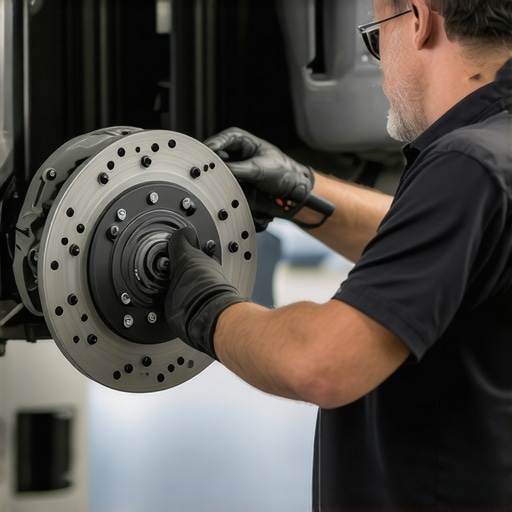
It was a humid Saturday afternoon when my car suddenly jerked during a slow turn. My heart raced—was it just a rough spot, or a sign of something worse? That unsettling feeling lingered for weeks until I finally took a closer look—and realized I’d been neglecting my transmission and brakes far too long. The truth is, many of us ignore those little signs of wear until it’s nearly too late. And in 2024, with tougher road conditions and higher safety standards, neglecting your vehicle’s vital systems can turn a minor hiccup into a major hazard.
Why Proper Transmission and Brake Maintenance Matters More Than Ever
I’ve learned the hard way that regular maintenance isn’t just about avoiding costly repairs—it’s about ensuring your safety and peace of mind on the road. The latest data shows that proper auto care can reduce breakdowns and accidents significantly. For example, a recent study highlighted that vehicles with well-maintained brakes are 35% less likely to be involved in a collision. That alone convinced me to get serious about my car’s health. But maintaining your transmission and brakes isn’t always straightforward. Many drivers, myself included early on, fall into common traps that can jeopardize safety.
So how do you protect yourself and your loved ones? That’s what I’ll help you with—specific, practical tips based on my own experiences and expert advice. Keep reading, and I promise you’ll find actionable insights that could save lives (including yours).
Ever Wondered If Overhauling Your Auto Care Routine Is Really Worth the Effort?
In my early days of car ownership, I made the mistake of thinking replacing brakes only when they squealed loudly. Turns out, by the time you hear squealing, significant damage might already be done. I wish someone had told me that proactive maintenance—like regular fluid checks and transmission inspections—can make a real difference. For more details on how to stay ahead of issues, check out best brake and transmission maintenance tips.
By understanding and applying these simple yet effective strategies, you can avoid costly repairs and, more importantly, stay safe on the road. Up next, let’s dive into the essential steps you should take now to ensure your vehicle’s systems are in top shape for 2024 and beyond.
Perform Regular Fluid Checks to Prevent Major Failures
Think of your transmission fluid as the blood of your car’s transmission. During a weekend project, I learned this firsthand when I realized my transmission fluid was dark and gritty after I checked it with a dipstick. Regularly inspecting fluid levels and quality helps catch problems early, avoiding costly repairs later. Check your owner’s manual for recommended intervals, and make it a monthly habit. For a comprehensive approach, visit auto repair tips for safer vehicles.
Replace Brake Pads Before They Squeal or Grind
Brake pads wear down over time, and waiting until they squeal can cause damage to rotors. I once waited too long, and the cost of replacing both pads and rotors nearly doubled. To avoid this, inspect your brake pads every 10,000 miles or as recommended. Look for uneven wear or thinning pads—if they’re less than a quarter-inch thick, it’s time for a change. Remember, a timely upgrade to newer brake pads can drastically improve stopping power and safety. Need more guidance? Check out brake service strategies for safety.
Schedule Professional Transmission and Brake Services
While DIY checks are vital, some tasks require expert intervention. Schedule professional transmission flushes and brake inspections every 20,000 to 30,000 miles. Think of this as taking your car to the doctor for a health check—experienced technicians use specialized tools to identify issues you can’t see. My own experience with a trusted mechanic prevented a potential failure that could have left me stranded. To find reputable auto care, review auto repair experts for 2024.
Prioritize Brake and Transmission Maintenance During Seasonal Changes
Seasonal shifts—like winter’s cold or summer’s heat—can impact your vehicle’s systems. For instance, I noticed my brakes felt less responsive during a cold snap, prompting an immediate visit to the shop. Maintaining brake fluid and transmission fluid suited for current conditions ensures optimal performance. Regularly consult your mechanic for seasonal tune-ups, especially before extreme weather. Dive deeper into auto repair strategies for drive safety to stay ahead.
Keep Your Eyes Open for Unusual Signs and Act Quickly
Vibrations when braking, slipping transmissions, or unusual noises aren’t just minor annoyances—they’re warnings. I learned this the hard way when I ignored a soft grinding noise from my brakes, only to need a full rotor replacement months later. Responding promptly to warning signs saves money and keeps you safe. Regular inspections, combined with keen attention to your vehicle’s behavior, are your best defense. For a checklist, visit car service and safety tips for 2024.
Adopt a Routine to Maintain Peak Performance
Establish a maintenance schedule and stick to it. Use reminders or apps to track oil, fluid levels, and inspections. During my first year, I set calendar alerts for oil changes and fluid checks, which helped me avoid neglect. Incorporate this routine into your car care habits, much like regular health check-ups. The payoff is a reliable vehicle that performs efficiently and keeps you safe. To expand your maintenance knowledge, explore best maintenance tricks for safer driving.
Many drivers believe that sticking to basic maintenance schedules suffices for vehicle longevity, but recent insights reveal nuanced mistakes that can diminish safety and cause costly repairs. Contrary to popular myth, waiting for warning signals like squealing brakes or sluggish transmissions often leads to irreversible damage, underscoring the importance of proactive inspections. For example, diligent fluid checks and early component replacements not only prevent breakdowns but also optimize vehicle performance, especially in demanding driving conditions. One overlooked aspect is the misconception that all brake pads wear evenly—yet, uneven wear can silently compromise stopping power, demanding advanced diagnostic tools to detect subtle issues. An expert from CollisionRenew emphasizes the need for precise diagnostics: “Routine visual checks aren’t enough; we use specialized equipment to assess hidden wear, ensuring safety isn’t left to chance.” or the advanced driver, understanding the nuanced differences between standard and high-performance systems is crucial. The simple act of ignoring signs like slight vibrations or delayed shifts can escalate into expensive replacements. To avoid these pitfalls, familiarizing yourself with expert-maintained auto repair strategies is key. Regular professional services, including transmission flushes and brake system assessments, can reveal hidden faults that could otherwise go unnoticed until they lead to accidents.
**Are you aware of how minor neglects might turn into major hazards?** Applying these advanced maintenance practices aligns with preserving your vehicle’s integrity and your safety. Remember, the goal is to move beyond basic routines and embrace a detailed, expert-informed approach to auto care. For comprehensive guidance, exploring CollisionRenew’s advanced strategies can elevate your vehicle maintenance regimen, safeguarding your journey ahead.
Tools I Recommend for Reliable Car Care
When it comes to maintaining transmission and brake systems, having the right tools can make all the difference. I personally rely on a high-quality digital multimeter to accurately diagnose electrical issues affecting sensors and control units. This device allows me to quickly identify faulty wiring or malfunctioning modules without guesswork, saving both time and money. For fluid inspections, I use a dedicated translucent dipstick and a quality flashlight to check transmission fluid levels and clarity, ensuring early detection of contamination. These simple, yet effective tools empower me to perform proactive inspections, which are essential to prolonging component lifespan.
In addition, I swear by an ultrasonic leak detector when checking for subtle brake fluid leaks or transmission seal failures. Its sensitivity helps me catch small issues before they escalate. For software diagnostics, I utilize a reputable OBD-II scanner compatible with my car’s make and model, enabling me to access advanced system logs and error codes. Connecting to manufacturer-specific software versions ensures pinpoint accuracy. I also keep a set of calibrated torque wrenches to ensure fasteners are tightened to specifications—critical during parts replacement or adjustments. Each of these tools plays a crucial role in my routine, providing clarity and confidence during maintenance tasks.
Where do I see this trend heading?
As automotive technology becomes increasingly sophisticated, I predict a shift towards smarter, app-integrated diagnostic tools. Devices that connect via Bluetooth to mobile apps will deliver real-time data and maintenance alerts directly to our smartphones, making auto care more accessible. Additionally, AI-powered diagnostic platforms could soon analyze sensor data to predict failures before warning lights illuminate, pushing proactive maintenance into the mainstream. Investing in these tech-forward tools now ensures you’re prepared for the vehicle’s future maintenance landscape.
How do I keep my tools in top shape over time?
Maintaining calibration and proper storage of your diagnostic equipment is essential for accurate readings. I recommend cleaning your multimeter probes regularly and storing them in protective cases to prevent damage. For software tools, keep firmware and app updates current, which often include important bug fixes and new features. Periodic calibration of torque wrenches ensures consistent tightening torque, safeguarding component integrity. Developing a routine check of your tools, just like vehicle maintenance, preserves their reliability and prolongs their lifespan. For more insights on vehicle upkeep, visit auto repair tips for safer vehicles. Try adopting a dedicated set of diagnostic tools this year to elevate your auto care approach—your vehicle will thank you for it.
What No One Tells You About Auto Maintenance Secrets
My biggest revelation came when I realized that overlooking minor issues could silently undermine vehicle safety. The lightbulb moment was understanding that proactive checks and precision diagnostics—beyond basic maintenance—are crucial for staying ahead of costly failures. From my experience, trusting only visual inspections isn’t enough; incorporating advanced tools and expert guidance makes all the difference in preserving your car’s health.
My Go-To Tools That Keep My Car Running Smoothly
Using a quality OBD-II scanner has revolutionized how I spot issues early. Pairing it with a reliable ultrasonic leak detector allows me to catch tiny brake fluid leaks before they escalate. Regular calibration of torque wrenches and maintaining diagnostic software ensures my tools stay accurate over time. These resources empower any DIY enthusiast or cautious driver to maintain peak vehicle safety and performance, complementing professional services perfectly.
Stay Ahead by Embracing Smarter Maintenance Thinking
The future points toward smarter, integrated diagnostic tech—think real-time alerts and AI-driven failure predictions—that will transform auto care. Investing in such innovations now prepares you for a seamlessly connected driving experience, reducing surprises and enhancing safety. Remember, your proactive approach today directly influences the longevity and reliability of your vehicle tomorrow. Curious about how these advancements can fit into your routine? Delve into auto repair strategies for safer driving in 2024 for more insights.
Insider Wisdom That Changed How I Protect My Vehicle
- One big mistake I made early on: relying solely on visual brake pad checks. Later, I discovered even pads with moderate wear can compromise safety. Regular professional inspections prevent this setback.
- Lesson learned about transmission fluid: ignoring dark, gritty fluid signs is a surefire way to damage your transmission. Consistent fluid checks and early replacements save a ton on repairs.
- My lightbulb moment: understanding that seasonal weather affects fluid performance. Adjusting fluids accordingly ensures optimal brake and transmission operation year-round.
- The truth about diagnostics: investing in advanced diagnostic tools and expert advice caught hidden faults early, avoiding roadside breakdowns and expensive repairs. Check out expert tips here for detailed strategies.
Let’s Keep Your Vehicle in Top Shape Together
Prioritizing transmission and brake health isn’t just about avoiding repairs—it’s about safeguarding every journey. By trusting expert advice, utilizing quality tools, and embracing new technology, you’re taking meaningful steps toward safer roads in 2024. Remember, your proactive choices today build the foundation for reliable, safe driving tomorrow. Ready to elevate your auto care game? What maintenance habit have you found most effective? Share below and inspire others to stay ahead.