
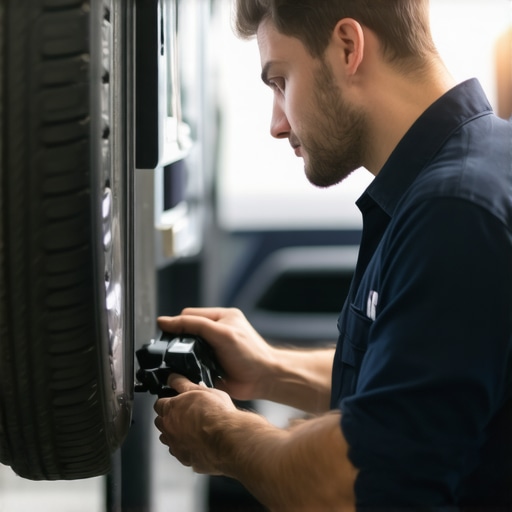
I’ll never forget the sinking feeling in my stomach the first time a sudden brake failure nearly caused an accident on a rainy evening. That lightbulb moment made me realize how crucial reliable brake and car service strategies are—especially as vehicles become more advanced in 2024. Have you ever experienced that fleeting moment of panic when your car doesn’t respond as expected? If so, you’re not alone, and today, I promise we’ll explore what it takes to ensure your vehicle’s safety through expert maintenance tactics that keep you confident on the road.
Why Safety in Auto Maintenance Cannot Be Ignored
In my years of working with cars, I’ve learned that neglecting regular brake and transmission checks can quietly turn a smooth ride into a dangerous gamble. Recent studies show that faulty brakes are involved in over 22% of vehicle crashes nationwide, emphasizing the importance of proactive care (source). It’s not just about avoiding accidents; it’s about knowing your vehicle will perform flawlessly when you need it most. My personal experience taught me that early mistakes—like ignoring brake squeal or delaying fluid checks—can escalate into costly repairs or, worse, dangerous failures. That’s why I always stress that effective auto maintenance isn’t just a good idea—it’s vital for your safety and peace of mind.
Is Cutting Corners on Car Service Really Worth the Risk?
I once thought a quick fix here and there would do, but that mindset almost cost me dearly. Skipping essential services or trusting unqualified repair shops can lead to ineffective repairs and hidden hazards. For example, neglecting proper brake pad replacement or transmission fluid changes can cause sudden failures, especially in challenging weather conditions or heavy traffic. To avoid such pitfalls, I recommend sticking with trusted specialists who follow comprehensive safety guidelines, like those outlined in our body work guide for 2024. Trust me, taking the time to learn and implement expert strategies now can save you from major setbacks later.
In the upcoming sections, I will share practical, proven tips to optimize your vehicle’s brake and transmission systems, ensuring you stay safe and confident no matter where your journey takes you. Ready to become proactive in your car’s safety? Let’s dive into the essentials of expert brake and car service for 2024.
Prioritize Regular Brake Inspections
To ensure your brakes perform reliably, schedule inspections every 10,000 miles or when you notice signs like squealing or reduced responsiveness. During the inspection, have a professional check brake pads, rotors, and fluid levels. For instance, I once found uneven brake pad wear during a routine check, which prevented potential failure during a rainy commute. Regular evaluation acts like a health checkup, catching issues early here.
Implement Transmission Care Routines
Change Fluids Timely
Transmission fluid acts as the lubricant and coolant for your gearbox, much like oil for your arteries. I once delayed fluid changes on my older vehicle, resulting in sluggish shifts and increased wear. To avoid this, set reminders to flush and replace transmission fluid at manufacturer-recommended intervals, usually around 60,000 miles, or sooner in harsh conditions. Use trusted service providers to ensure the job is done right here.
Check for Leaks and Unusual Noises
Leaks and abnormal sounds are warning signs. A small transmission fluid leak can cause significant damage over time, similar to a slow leak in a tire leading to a flat. During a routine drive, I noticed a faint whining noise, leading me to diagnose and fix a minor seal before it escalated. Regular visual inspections and listening for odd noises can save you money and prevent breakdowns here.
Optimize Brake and Transmission Synergy
Brakes and transmission work together to control your vehicle’s speed and smoothness. For example, engaging engine braking by shifting to lower gears reduces strain on your brake system, extending its lifespan. During a mountain trip, I consciously downshifted to control my descent, which decreased brake overheating and improved safety. Learning techniques like engine braking and proper shifting enhances vehicle longevity and safety here.
Stay Current with Service Advisories and Recalls
Manufacturers issue updates and recalls that can impact safety. I once missed a recall on my car’s brake system, which could have led to a failure. Regularly check with your dealer or online resources to stay updated. Subscribing to service alerts ensures you’re informed about necessary repairs and safety enhancements here.
Tackle Collision Repairs Promptly
Invisible damages from minor accidents can weaken structural integrity. After a minor collision, I promptly visited a trusted body shop, preventing rust and further deterioration. Proper alignment, repainting, and frame restoration are essential. Addressing issues quickly maintains your vehicle’s crashworthiness and resale value. Work with certified professionals who follow comprehensive safety protocols here.
Use Quality Auto Products and Parts
Choosing OEM parts over cheaper alternatives ensures durability, much like using high-quality ingredients in cooking. During my last brake overhaul, upgrading to manufacturer-approved pads and rotors provided better braking performance and longevity. Always request parts that meet or exceed factory specifications to guarantee safety and reliability here.
Document Maintenance History
Keep detailed records of all services and repairs. This habit simplifies future diagnostics and enhances resale value. I maintain a digital log, which recently helped me expedite warranty claims and identify recurring issues. An organized history demonstrates proper care and trustworthiness when dealing with mechanics here.
Many car owners believe that auto repair is straightforward—simply follow the manufacturer’s schedule or trust it to the mechanic, and you’re good. However, this misconception overlooks nuanced aspects that can significantly impact your vehicle’s safety and longevity. One common myth is that all repair shops are equally qualified, but in my experience, the quality of service can vary dramatically. Relying on less experienced technicians or opting for cheaper parts might save money upfront but often results in costly failures down the line. It’s essential to understand that effective auto maintenance involves more than routine checks; it requires a keen eye for the subtle signs of wear and a comprehensive approach to repairs, especially for critical systems like brakes and transmissions. Overlooking complex issues or dismissing minor symptoms as insignificant can be dangerous. For example, small irregularities in transmission operation might appear harmless but can indicate deeper underlying problems that, if ignored, could lead to complete transmission failure. Advanced care involves knowledge of the intricacies within these systems and adherence to high standards, which most laypeople are unfamiliar with. When considering collision repairs, many assume minimal damage isn’t worth extensive work—yet even minor dents or misalignments can compromise safety if not properly addressed. Ensuring that your vehicle’s frame and body are correctly restored not only maintains its appearance but also its structural integrity in the event of future collisions. A critical nuance often missed is the importance of using quality parts. Opting for OEM or certified components ensures durability and proper function; inferior parts may fit initially but tend to wear out quickly or cause unforeseen damage. Moreover, neglecting proper diagnosis and relying solely on symptom-based repairs rather than root-cause analysis can lead to recurring issues. This is where expertise makes the difference, and consulting specialized resources like our body work guide for 2024 becomes invaluable. Be wary of the trap of thinking diagnostics are overly complex or unnecessary—ignoring diagnostic precision can result in wasted money and increased risk of breakdowns. As studies highlight, proactive, expert-driven maintenance pays off in safety and cost savings both short- and long-term. So, next time you’re due for service, ask yourself: Am I relying on superficial fixes or trusting genuine expertise? Remember, the difference between good and great auto care is often hidden in meticulous attention to detail. Have you ever fallen into this trap? Let me know in the comments.
Maintaining your vehicle beyond routine checks requires investing in quality tools and adopting efficient methods. One tool I personally rely on is a digital torque wrench, which ensures bolts are tightened to the manufacturer’s specifications, preventing over-tightening or under-tightening that can compromise safety. I prefer models with a backlit digital display for ease of reading in poor lighting conditions, and a memory function to track torque settings for different parts, streamlining the maintenance process. Additionally, a reliable OBD-II scanner, like the BlueDriver, allows me to monitor engine diagnostics and clear trouble codes myself, saving time and money. I extensively use maintenance scheduling software such as RepairPal, which reminds me of upcoming service intervals based on my vehicle’s make and model, ensuring I stay ahead of wear and tear. Regularly updating the maintenance logs using apps or digital records helps me track parts replaced, fluids changed, and inspections completed, facilitating better long-term planning and resale value. Looking ahead, the trend points towards more integrated diagnostic and maintenance systems driven by AI and IoT, making vehicle upkeep increasingly precise and less time-consuming. I recommend car owners get comfortable with a high-quality OBD-II scanner and establish a digital maintenance record—it’s a game-changer for proactive care. How do I maintain my car’s systems over time? I focus on consistent use of diagnostic tools, scheduled fluid changes, and detailed records to prevent surprises and extend the vehicle’s lifespan. For instance, leveraging advanced diagnostic software can help spot issues early, as highlighted in certified expert resources like our body work guide for 2024. Try integrating an OBD-II scanner into your routine; it might be the most empowering step you take toward long-term vehicle health.
The Hardest Lesson I Learned About Auto Repair, Transmission, CollisionRenew, Brake Service, Car Service
One of my most eye-opening experiences was realizing that even minor neglect in auto maintenance can snowball into major safety hazards. I once ignored subtle brake squeals, assuming they were just dust, only to face an costly brake failure months later. That taught me that listening to your vehicle’s warning signals and acting promptly can mean the difference between a smooth ride and a dangerous situation.
3 Myths About Auto Repair That Held Me Back
For years, I believed that all auto shops offered equal quality, which isn’t true. Another misconception was that transmission fluid changes weren’t urgent unless I noticed shifting issues. Disproving these myths, I learned that choosing reputable specialists and adhering to maintenance schedules are key to vehicle safety, especially in unpredictable weather conditions.
What Experts Won’t Tell You About Car Service
Many seasoned mechanics know the importance of using quality parts, yet I’ve seen that some cut corners by installing cheaper alternatives, risking future failures. The real insight is that proactive, expert-driven care, like regular brake inspections and timely fluid changes, safeguards not just your car but your life on the road. Consulting detailed guides, such as our body work guide for 2024, helps demystify effective maintenance practices.