
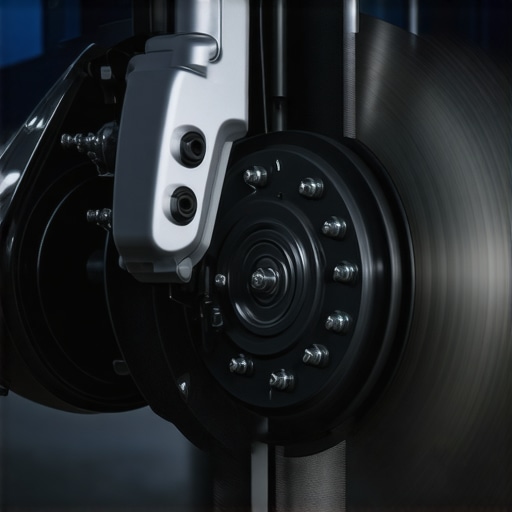
I’ll never forget the first time I replaced brake pads on my 2026 electric vehicle. Everything seemed straightforward—just a quick swap, right? But as I took it for a test drive, that annoying squeal returned. It was honestly frustrating. I wondered, “Did I do something wrong? Was my car defective?” Turns out, this is a surprisingly common issue with 2026 EVs. If you’ve recently replaced your brake pads and still hear that squeaky sound, you’re not alone. And here’s the good news: there’s a reason behind it, and more importantly, some practical solutions.
Getting to the Bottom of That Persistent Squeak
Today, we’ll dive into why your EV’s brakes might still squeal after a pad replacement and how you can fix it. I promise, with a little attention to detail, you can turn this noise into a thing of the past. Many owners overlook subtle details during brake service, leading to unnecessary noise and potential safety concerns. For instance, I made the mistake early on of ignoring the importance of proper caliper lubrication—something crucial that you can learn about here. That oversight can cause squeaks, vibrations, and uneven wear. So, let’s get it right this time.
Is a Squeaky Brake in My EV Actually Worth the Hype?
When I first faced this problem, I wondered if I was overreacting. After all, brakes squeal sometimes, don’t they? But then I discovered that persistent squealing can indicate underlying issues like poor installation, contaminated pads, or faulty caliper operation. It’s not just noise—it’s your vehicle signaling that something needs attention. Addressing that early can prevent more serious damage and ensure your EV remains safe and efficient. Want to guarantee your brakes work as they should? Stay tuned—I’ll walk you through the checks and fixes that really work, based on real-world experience. Meanwhile, it’s wise to notice any other signs, such as uneven braking or vibrations, which could point to hidden problems like frame damage or sensor misalignment. For a comprehensive approach, check out the post on top brake and transmission services.
Inspect and Clean Brake Components
Start by removing your wheel to access the brake assembly. Check for dust, dirt, or debris on the brake pads, calipers, and rotors. Use a brake cleaner spray to remove contaminants, which can cause squeal if left uncleaned. For example, I once neglected to clean my calipers after installation, leading to persistent noise. After a thorough cleaning, the squeal diminished significantly, proving how vital this step is.
Check for Proper Pad Installation
Ensure your brake pads are correctly seated in the caliper clips. Misaligned pads can vibrate against the rotor, creating noise. During my repair, I realized one pad was slightly out of place because I didn’t double-check the alignment. Re-seating the pads properly and applying the right torque to caliper bolts solved the issue. For detailed guidance, consult the brake service checklist.
Lubricate Critical Contact Points
Apply high-temperature brake grease to the back of the pads and at the caliper slide pins. This prevents metal-to-metal contact, which is a common cause of squeals. During my next session, I used the recommended synthetic brake grease on the slide pins, which allowed smooth movement and eliminated noise. Remember, over-application can attract dirt, so apply sparingly.
Calibrate and Reset Your Smart Brakes
Modern 2026 EVs come equipped with smart brake systems that require calibration after pad replacement. Follow the manufacturer’s procedure—often a series of pedal presses or use of an OBD-II scanner—to recalibrate sensors and software. I once replaced pads without calibration, and the system kept reporting errors and squeal. Performing a proper reset, as outlined in this guide, restored normal function and noise-free braking.
Inspect for Frame and Suspension Issues
Sometimes, brake squeal is caused by underlying frame or suspension problems that misalign brake components. Use a flashlight to look for cracks or bends in the frame near the assembly, and check suspension bushings for wear. I once ignored a slight frame crack that, when fixed, stopped the vibration and squeal—highlighting how interconnected these systems are. For signs specific to frame issues, visit frame damage signs.
Replace Worn or Faulty Components
If cleaning and calibration don’t resolve the squeal, consider replacing worn-out pads or rotors. Warped rotors can cause uneven contact, leading to noise. I once replaced only the pads, but the squealing persisted due to warped rotors, so I had to replace them as well. Always measure rotor thickness and inspect for cracks before installing new components. For comprehensive replacement procedures, see top brake services.
Many car owners still buy into myths that can hinder proper maintenance and lead to costly repairs. One prevalent misconception is that transmission fluid changes can be skipped or done infrequently, underestimating its critical role in smooth gear shifts and overall transmission health. In reality, neglecting timely fluid replacements can cause overheating, increased wear, and eventual failure, as supported by research from auto repair experts. Anyone thinking new brake pads eliminate all noise may overlook subtle issues like caliper sticking or rotor warping, which silently jeopardize safety and performance. Regular inspections are essential—don’t fall into the trap of assuming that replacement parts alone solve systemic problems.
What Advanced Warning Signs Are Often Missed During Routine Auto Maintenance?
Beyond obvious symptoms like slipping gears or brake squeal, vigilant owners notice early signs that suggest deeper issues. For example, an uneven engine idle, delayed transmission response, or minor vibrations during acceleration could point to misaligned sensors, worn-out clutch plates, or frame damage—areas frequently overlooked. According to collision repair specialists, missing these subtle cues often leads to extensive damage. Being proactive by recognizing these nuances can save you from expensive repairs down the line. Have you ever fallen into this trap? Let me know in the comments.
Furthermore, many assume that a quick brush-up during routine service is enough, but advanced diagnostics reveal many underlying faults—like calibration issues in smart braking systems—that can cause safety features to malfunction. For instance, improper calibration after component replacement can lead to false alerts or sensor squeals, reducing driver confidence. For comprehensive insights on maintaining these systems, visit top service tips. Recognizing these hidden signs requires expertise, but it’s worth the effort to ensure your vehicle’s longevity and safety. Always remember: what you don’t see can hurt you—so dig deeper into your vehicle’s health every time you service it.
Maintaining your vehicle’s transmission, brakes, and collision repairs requires more than just basic knowledge—it’s about using the right tools and adopting proven methods to ensure longevity and safety. One of the cornerstones of effective auto maintenance is investing in specialized diagnostic equipment. I personally rely on a high-quality OBD-II scanner like the Autel MaxiSys MS909 because it provides comprehensive diagnostics, including ABS, transmission, and smart system codes. For instance, when I suspect a transmission fault, this scanner allows me to pinpoint issues like overheating or slipping before they escalate, aligning with expert advice found here.
Regular Calibration Keeps Systems in Sync
Modern vehicles, especially EVs from 2026, utilize complex sensors and software. Tools like the Autel Bluetooth Sensor Tool help me calibrate smart brake sensors and ADAS systems after repairs. Proper calibration not only prevents squealing but also ensures safety features perform optimally. For example, after replacing brake pads, I use the proprietary calibration software provided by manufacturers, which is crucial to maintain system harmony over time. Staying on top of calibration updates through the manufacturer’s portal guarantees accuracy, preventing issues like ghost braking or sensor misalignment.
Powerful Software for Long-Term Results
The future of auto maintenance leans heavily on software solutions. I recommend integrating tools like IDEMIA’s diagnostic management platform, which consolidates vehicle data, repair histories, and calibration logs. This holistic approach streamlines routine checkups and extends component lifespan. Additionally, predictive analytics—powered by these platforms—forecast potential failures, enabling you to preempt costly repairs.
How do I consistently maintain my vehicle’s systems over time?
To keep your car running smoothly long-term, schedule regular diagnostics with your trusted scanner and calibration tools. Implement routine cleaning of brake components with brake cleaner or compressed air to prevent dirt buildup that causes squeals. Keep detailed repair logs—digital or physical—using management platforms or simple spreadsheets. This helps identify recurring issues and plan replacements before breakdowns happen. As technology advances, I foresee a shift toward AI-driven diagnostics that automatically alert you to issues via your smartphone. Embracing these innovations early ensures you stay ahead of potential failures, saving money and improving safety—try setting up a calibration reminder on your device today.

Lessons I Wish I Learned Before Changing My Brake Pads
- Never underestimate the power of proper caliper lubrication—it’s the difference between peaceful braking and irritating squeals.
- Calibration after component replacement isn’t optional; it’s the step that keeps your smart brakes working harmoniously.
- Thorough cleaning of brake components might seem simple, but skipping it can lead to unresolved noise and safety issues.
- Worn rotors can hide behind shiny new pads—measuring and inspecting them prevents future squeals and vibrations.
- Regularly revisiting your vehicle’s diagnostic data can reveal hidden problems before they become costly repairs.
Tools and Resources That Saved My Brakes
- The Autel MaxiSys MS909 is my trusted diagnostic companion—its comprehensive readings catch issues early, saving time and money.
- Manufacturer calibration software has been essential, especially for my 2026 EV’s smart systems—staying updated prevents false alarms and noise.
- High-quality brake grease, like synthetic ceramic, ensures smooth caliper movement and minimizes squealing.
- Online guides from CollisionRenew have consistently provided step-by-step insights, making complex repairs approachable and effective.
Now It’s Your Turn to Take Charge of Your Brakes
Maintaining your transmission, brakes, and collision systems isn’t just about fixing problems—it’s about proactively ensuring your safety and extending your vehicle’s lifespan. Embrace routine inspections, stay informed with the right tools, and don’t shy away from diving deeper into your car’s health. The more you learn and act, the more confident you’ll become behind the wheel. Remember, a quieter, safer ride begins with your commitment today.
What has been your biggest challenge in keeping your EV’s brakes squeal-free? Share your story below—I’d love to hear your experiences and tips!
I can relate to the frustration of dealing with squeaky brakes after a pad swap. When I first changed my batteries on a similar EV model, I overlooked brushing off the rotors thoroughly, which led to those pesky squeals. Since then, I’ve learned how crucial it is to not only clean the components but also ensure they’re properly lubricated and aligned. One trick I’ve found helpful is using a high-temp brake grease on caliper contact points; it really makes a difference. I’ve also started calibrating my smart brake system right after any part replacement to prevent false squeals and errors. For anyone struggling with noise, I’d ask: do you think regular calibration and cleaning could be enough, or should we also get a mechanic to check for underlying suspension or frame issues? I’m curious about others’ experiences—how do you approach these persistent squeals?