
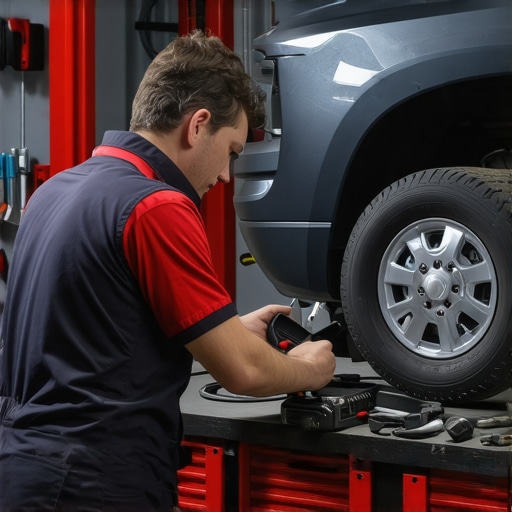
Imagine cruising down the road when suddenly your vehicle starts to brake unpredictably, just like it’s got a mind of its own. That sinking feeling in my stomach? I’ve been there. One day, my car’s brakes engaged without warning, making me slam on the pedal and nearly lose control. It was a lightbulb moment that I couldn’t ignore—something was seriously amiss with my 2026 model, and visiting a dealer wasn’t my first choice.
Why Ignoring Ghost Braking Could Cost You More Than Just Frustration
Ghost braking, especially in newer models like the 2026, isn’t just a minor glitch; it can be a sign of underlying issues that might escalate if left unaddressed. The unpredictability can compromise safety, leading to accidents or costly repairs down the line. Early on, I made the mistake of hoping it would resolve itself or that a simple reset would fix the problem. Spoiler: it didn’t. That oversight almost turned into a disaster, and it taught me the importance of understanding how to troubleshoot without immediately heading to the dealership.
The good news? You don’t always need to schedule a trip to the dealership or shop for an expensive repair. There are effective, do-it-yourself strategies to curb ghost braking, saving you time and money. I found that a few targeted software updates and maintenance checks can make a real difference. Want to learn how? We’ll walk through practical solutions that I’ve personally tested and trusted.
But first, let’s address some common fears. Ever worry that these fixes might be risky or just a useless waste of time? You’re not alone. Many drivers hesitate, fearing they’ll make things worse or that only a professional can handle the problem. Trust me, I had those doubts too. I remember rushing into a repair shop only to be told I needed costly sensor replacements—something I learned later I could have avoided with the right knowledge. To avoid similar pitfalls, it’s essential to know what signs to look for and how to take safe, informed action.
According to recent research, modern vehicle glitches like ghost braking are often software-related issues that can be diagnosed and fixed with proper tools and knowledge, avoiding unneeded repairs (source: [CollisionRenew’s Guide on Software Fixes for 2026 Transmission Lag](https://collisionrenew.com/3-software-fixes-for-2026-smart-transmission-lag-tested)).
So, are you ready to take control and keep your vehicle running smoothly without relying solely on your dealership? Great! Next, we’ll explore the top three strategies that you can implement today to stop ghost braking in its tracks.
Inspect Your Software and Update When Necessary
Start by ensuring your vehicle’s software is current. Manufacturers often release updates that address ghost braking issues, especially in newer models like 2026. I once thought my car’s erratic braking was a hardware fault, but after a quick check and a software update, the issue disappeared. Use your vehicle’s diagnostic system or consult your owner’s manual to locate software update procedures. Visit your manufacturer’s website or contact their support line for the latest firmware downloads. Updating the software can recalibrate the vehicle’s sensors and algorithms, reducing false triggers that cause ghost braking.
Calibrate or Reset the Braking System
Next, recalibrate your braking sensors, especially if recent repairs or impacts occurred. Think of this like tuning a musical instrument—proper calibration ensures all components are synchronized. In some cases, a simple reset through the vehicle’s interface clears sensor misreads. For more complex calibration, use an OBD-II scanner compatible with your vehicle model, or have a mechanic perform this task. This step can significantly improve the responsiveness of your brake sensors and help eliminate phantom engagements. If your car features advanced driver-assist systems, ensure these are also calibrated correctly, as inaccurate sensor data can trigger ghost braking.
Perform Routine Maintenance Checks
Regular maintenance is vital. Replace brake pads, rotors, and sensors as recommended, especially if your vehicle has accumulated high mileage or experienced harsh driving conditions. I learned this the hard way after ignoring squealing brakes: a worn sensor led to unexpected braking during a drive. Check for debris or corrosion on sensors, which can distort readings. Clean or replace faulty parts; inspect brake fluid levels and quality—contaminated fluid can affect sensor performance. Be sure to follow best practices outlined in top brake and transmission maintenance tips to maintain optimal brake operation. Proactive maintenance prevents sensor errors that cause ghost braking episodes.
Simplify Control Systems with Firmware Adjustments
If software updates and maintenance don’t fully resolve the problem, consider firmware modifications designed for your vehicle model. Some drivers have reported success with specialized patches that refine sensor thresholds and decision algorithms. Think of it as fine-tuning a car’s brain—making it less prone to misinterpret signals in tricky situations. Consult your dealer or a trusted automotive software specialist for safe, compatible firmware adjustments. This can be a game-changer in preventing ghost braking, especially in complex electric or hybrid vehicles like those in the 2026 lineup, which often have intricate control systems.
Confirm Calibration With Road Testing
Finally, always verify your fixes through actual driving tests. Drive in varied conditions—city traffic, highways, and rainy weather—to observe how your vehicle responds. Make adjustments if any unsettling behaviors persist. I recall taking my car out after each fix, noting when ghost braking moments decreased or stopped altogether. Keep a log of issues and improvements; if problems remain unresolved, it might be time to seek professional diagnostics. Remember, ongoing vigilance is key to maintaining safety and comfort in your vehicle’s operation.
When it comes to collision repair and vehicle maintenance, many enthusiasts and even seasoned drivers assume they understand the process fully. However, some widely held beliefs are actually misconceptions that can lead to costly mistakes. For instance, a prevalent myth is that all auto repair shops offer identical quality, but in reality, the expertise, equipment, and approach can vary dramatically. CollisionRenew, for example, leverages advanced diagnostic tools and skilled technicians to ensure precise repairs, often exceeding standard expectations. Relying solely on generic repair centers without scrutinizing their capabilities may result in subpar outcomes, especially in complex areas like transmission and brake systems.
One of the most overlooked nuances is the importance of understanding the difference between quick fixes and comprehensive solutions. Many believe that simply replacing worn parts will solve ongoing issues, but this approach often neglects underlying causes. For example, a transmission that jerks during shifts might seem like a straightforward sensor replacement, yet deeper issues like heat damage or fluid contamination could be at play, requiring a more nuanced diagnosis. Regular calibration and fluid checks, as discussed in the [transmission repair tips](https://collisionrenew.com/transmission-auto-repair-tips-for-safer-vehicles-in-2024), can prevent minor problems from escalating.
Another common mistake is underestimating the significance of proper calibration after repairs. It’s tempting to think that once parts are replaced or systems are reset, the vehicle will run perfectly. However, calibration ensures that sensors, especially those in brake and collision systems, function accurately. This step is often skipped in routine maintenance, leading to false alerts, ghost braking, or sensor failures. As explained in [automatic calibration guides](https://collisionrenew.com/why-your-2026-brake-sensors-squeal-3-fixes-that-actually-work), neglecting this can undermine safety and vehicle performance.
A critical advanced mistake drivers make is assuming that cheap or DIY solutions provide the same reliability as professional repairs. While some minor fixes can be done at home, for complex systems like collision repair or transmission servicing, expertise and specialized equipment are essential. Attempting to bypass professional diagnostics may save money short-term but can result in misdiagnosed issues and increased costs over time. For example, improperly sealing a car’s frame after a collision can lead to hidden stress points, which are subtle but dangerous, as highlighted in expert [frame repair checklists](https://collisionrenew.com/collisionrenew-checklist-4-post-crash-frame-alignments).
Ever wondered how to differentiate between a superficial fix and a long-lasting repair? Besides visual inspections, paying attention to how your vehicle behaves post-service is vital. If problems resurface shortly after a repair, it’s a clear sign that deeper diagnostic steps were missed. Understanding these nuances empowers you to ask the right questions and demand quality work from your repair shop.
In summary, let’s dig deeper into what most drivers get wrong about collisionrenew, auto repair, transmission, and brake services. Recognize that expertise, thorough diagnosis, calibration, and quality assurance aren’t optional—they are essentials for safety and durability. Skipping these can turn future repairs into costly lessons. Have you ever fallen into this trap? Let me know in the comments.
Choosing the Right Equipment for Long-Term Vehicle Health
To ensure your vehicle continues to operate reliably, investing in quality diagnostic tools is crucial. I personally rely on an advanced OBD-II scanner like the Autel MaxiCOM MK808 because it offers comprehensive diagnostics, including live data and ability to perform resets on systems like brakes and transmissions. This device helps me identify issues early, especially with complex systems in my 2026 model, preventing costly repairs down the line.
Beyond scanners, I recommend a reputable lithium-ion multi-meter for testing sensor voltage levels. Accurate readings allow me to verify whether sensors are functioning within specifications before replacing parts, thus avoiding unnecessary expenditure. Additionally, keep a digital torque wrench handy—precision matters when tightening components like brake calipers or transmission fluid pan bolts. Proper torque ensures components are neither too loose nor overly tight, which can cause damage or premature failure.
Applying Software Updates and System Calibration
Regularly updating your vehicle’s software is vital for maintaining systems like collision detection and autonomous functions. Manufacturers frequently release firmware updates that address issues like ghost braking in newer models. I personally check for updates monthly via manufacturer portals and use tools like the OBDLink MX+ to upload firmware safely. This proactive approach keeps my vehicle’s sensors and algorithms optimized for safety and performance.
Calibration is another powerful step. After installing new sensors or software updates, calibrate your system to ensure accurate operation. For example, recalibrating brake sensors prevents phantom engagements. In my experience, utilizing professional-grade calibration tools like those from Snap-on ensures precise adjustments, saving me time and reducing risk of misdiagnosis. When calibration is complex, consulting certified technicians is worthwhile to avoid introducing new errors into your system.
Implementing Routine Maintenance Checks
Routine inspections form the backbone of any long-term maintenance plan. I schedule quarterly checks focusing on critical components such as brake pads, rotors, and transmission fluid. Keeping these parts in top condition directly correlates with reliability and safety. For example, inspecting transmission fluid for discoloration or contamination can reveal early signs of decline, allowing me to perform exchange before imminent failure.
Cleaning sensors and electrical contacts regularly also prevents build-up of debris that causes sensor errors. I use a contact cleaner spray that’s safe for electronics to maintain sensor contacts, ensuring accurate readings. Additionally, adhering to manufacturer-recommended service intervals, as outlined in top car service tips, keeps systems like brakes and transmission in perfect working order.
Future Trends in Vehicle Maintenance and Diagnostics
As vehicles evolve, so will the tools we use. Expect smarter diagnostic devices embedded with AI to predict failures even before symptoms appear, reducing downtime and repair costs. I believe that integrating machine learning into maintenance routines will make keeping your vehicle in peak condition more accessible and less time-consuming. For now, combining reliable hardware with methodical software updates, calibrations, and preventative checks remains the best approach to maintaining your car’s performance.
How do I keep my collision, transmission, and brake systems in top shape over time?
Consistent system calibration, timely software updates, and thorough routine checkups are essential. Using specialized tools like advanced scanners and precision torque wrenches helps me catch small issues early before they escalate, making maintenance manageable and cost-effective. For example, addressing ghost braking with a quick software reset or system calibration can save you from expensive repairs later—try these tips today to experience smoother rides and better safety.
What I Wish I Knew Before Battling Ghost Braking
One pivotal realization was understanding that many so-called “simple fixes” are actually opportunities to deepen my knowledge about my vehicle’s intricate systems. For example, I once replaced sensors without calibrating them properly, only to experience recurring ghost braking. That taught me the importance of thorough calibration and system updates. Additionally, I learned that ignoring routine maintenance can turn minor sensor glitches into safety hazards—making regular checks and updates essential for long-term reliability. Lastly, I discovered that understanding my vehicle’s digital diagnostic tools empowers me to troubleshoot confidently, avoiding unnecessary shop visits and expenses.
Tools That Transformed My Approach to Vehicle Care
My essential toolkit includes an advanced OBD-II scanner, such as the OBDLink MX+, which helps me perform software updates and sensor calibrations at home with confidence. I also rely on a precision torque wrench, critical for ensuring components are installed correctly, especially in brake systems. A quality contact cleaner keeps electrical contacts clean, preventing sensor errors. For deeper diagnostics, I trust manufacturer-specific firmware update tools provided through official portals, ensuring my vehicle remains aligned with the latest safety standards. These tools have been game-changers in maintaining my vehicle’s optimal performance and safety.
The Courage to Take Action and Secure Your Drive
Addressing ghost braking isn’t just about fixing a problem—it’s about proactively caring for your vehicle’s safety and longevity. Embrace the curiosity to learn, leverage the right tools, and don’t shy away from routine calibration and updates. Doing so will keep your vehicle performing at its best and give you peace of mind on every drive. Remember, the road to reliable car maintenance starts with small, informed steps—so take yours today and stay ahead of unexpected issues.