
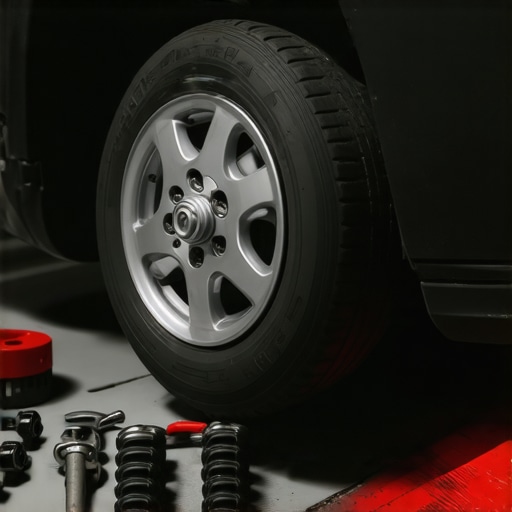
Ever had that heart-stopping moment when your brakes squeal loudly just as you’re about to stop, or your transmission hesitates at the worst possible time? I’ve been there, and I know how nerve-wracking it can be. One day, I realized that neglecting routine maintenance was not just risking my safety but also my wallet. That lightbulb moment led me down a path of learning and practicing essential car care tips — especially for brakes and transmissions — that I wish I had known earlier.
Why Your Car’s Brakes and Transmission Matter More Than Ever in 2024
In 2024, with more cars on the road and unpredictable weather patterns, having a vehicle that responds reliably is crucial. Proper brake and transmission maintenance isn’t just about avoiding costly repairs; it’s about ensuring your safety and the safety of others. Imagine driving through a sudden rainstorm or city traffic, and your brakes don’t respond promptly, or your transmission slips at a critical moment. That’s a scenario you can easily prevent with the right knowledge and proactive care.
According to a recent study, nearly 70% of vehicle accidents involve brake failure or transmission issues, often caused by neglect or poor maintenance. This stark statistic underscores the importance of regular service and the right strategies to keep your vehicle in top shape. I learned this the hard way, making early mistakes like ignoring warning signs and skipping scheduled check-ups. These simple errors can turn into serious safety hazards, but they’re entirely preventable.
Have You Faced Unexpected Brake or Transmission Problems?
If you’ve ever experienced sudden brake squealing, a rough shift, or transmission slipping, you know how unsettling it can be. The good news is, many of these issues are preventable with routine maintenance. Today, I’ll share straightforward, effective tips on how to keep your brakes and transmission in peak condition, so you can drive with confidence and peace of mind. Want to learn how to avoid those costly emergency repairs? Let’s dive into the essentials that will make 2024 your safest year yet on the road.
Start with Regular Inspections
My first step was to schedule a comprehensive inspection at a trusted auto shop. Think of this as a health check-up for your car, much like visiting a doctor before symptoms worsen. During my visit, the technician pointed out minor wear on my brake pads and slight transmission fluid discoloration. Catching these early saved me from a costly breakdown later. Regular inspections help you catch issues before they escalate, ensuring your brakes and transmission stay healthy. Check your vehicle’s manual for recommended service intervals or visit this guide for detailed auto care schedules.
Learn How to Check Brake Pads and Fluid
Visual Inspection of Brake Pads
Next, I learned to perform a simple visual check of my brake pads. With a flashlight, I looked through the wheel spokes to see the pad thickness — I aimed for at least 3mm. If you notice less than that, it’s time to replace them. Remember, worn-out brake pads are like a dull knife; they won’t cut effectively and can damage your rotors. When I did this myself, I realized my pads were borderline, so I scheduled a replacement with professional help. Keeping an eye on pad thickness is a simple yet vital step to ensure reliable braking.
Check Brake Fluid Level and Quality
I then checked the brake fluid reservoir, which is usually under the hood. It’s like checking the oil — if the fluid is dark or low, it’s time for a change. I used the dipstick or sight window, aiming for the ‘max’ line, and replaced the fluid when necessary. Clean, fresh brake fluid ensures your braking system responds promptly. Neglecting this can lead to spongy brakes or failure under emergency conditions. For more detailed steps, visit this resource. Proper brake fluid maintenance is your first line of defense in stopping safely.
Master Transmission Checks and Maintenance
Fluid Inspection and Replacement
My experience with the transmission began with checking the fluid. Using the dipstick, I looked for clarity, color, and smell — clear red and no burnt odor indicate good condition. If the fluid is dark or gritty, it’s time for a flush or replacement. I learned that transmission fluid acts like blood in your car, carrying vital lubricants and heat away. Neglecting it can cause slipping or overheating, which leads to costly repairs. Regularly scheduled changes, roughly every 30,000 miles, can prevent these issues. For detailed procedures, see this guide.
Listen and Feel for Shifts
During my drives, I paid close attention to how my car shifted gears. Smooth, firm shifts are a sign your transmission is in good shape. If I felt hesitation, slipping, or if shifts became jerky, I knew it was time to get professional help. Sometimes, simple adjustments or fluid top-offs can fix minor issues. If more serious, a transmission flush or repair might be necessary. Learning to recognize these signs early can save your car and your wallet. For advanced tips, check this resource. Keeping your transmission in top condition is critical for a smooth ride.
Many car owners fall prey to misconceptions that hinder their ability to maintain their vehicle properly. Let’s dig deeper into some of the most pervasive myths about car service, brake maintenance, auto repair, and transmission care that could actually do more harm than good if left unchallenged. As an enthusiast who’s seen the pitfalls firsthand, I want to clarify these misconceptions and help you avoid costly mistakes.
Think All Brake Pads Wear Out the Same
Contrary to popular belief, not all brake pads are created equal. Many assume that cheap, generic pads are just as good as premium ones, but in my experience, quality matters significantly. Cheaper pads tend to wear faster, produce more dust, and often have inferior stopping power, leading to more frequent replacements and potential safety hazards. Investing in high-quality brake pads, while initially more expensive, pays off in longevity and safety. Don’t fall for the myth that all brake pads are interchangeable; your safety depends on choosing the right type for your driving habits. For comprehensive tips, explore this guide.
Changing Transmission Fluid Is Optional
A common misconception is that transmission fluid lasts forever. In reality, neglecting regular transmission fluid changes is a silent killer for your vehicle’s gearbox. Dirty or degraded fluid can cause slipping, overheating, and even total transmission failure. Regularly scheduled fluid replacements, typically every 30,000 to 60,000 miles, are critical for smooth gear shifts and long-term transmission health. Think of it as a vital blood transfusion—skipping it can lead to catastrophic damage. For advanced insights, see this expert guide.
DIY Repairs Can Save Money Without Risks
Many believe that fixing their car DIY-style saves money, but this is a double-edged sword. While minor maintenance like checking fluid levels is straightforward, attempting complex repairs without proper knowledge can lead to unintended damage, voided warranties, and safety issues. For example, improperly replacing brake components or performing transmission work can cause more harm than good. When in doubt, consult professional auto repair services like this trusted resource. Proper maintenance performed by experts ensures your vehicle remains safe and reliable.
How Can I Master Advanced Car Care?
If you’re eager to go beyond basics, understanding the nuances of auto repair involves recognizing signs of deeper issues, such as subtle transmission slipping or brake pedal softness. These symptoms often indicate early-stage problems that, if caught early, save you money and prevent accidents. Regular diagnostics and staying informed through reputable sources can elevate your maintenance game. For insights on advanced strategies, visit this comprehensive guide. Remember, proactive care is your best defense for safe driving.
Have you ever fallen into this trap? Let me know in the comments and share your experiences. Staying informed and vigilant can make all the difference in keeping your vehicle in top condition and ensuring your safety on the road.
Keeping your vehicle running smoothly over the years requires more than just basic knowledge; it demands the right tools and a systematic approach. From diagnosing transmission issues to performing brake repairs, having the proper equipment makes all the difference. I’ll share the tools I personally rely on, why I trust them, and how they can help you extend your car’s lifespan and ensure safety.
Invest in a Quality Diagnostic Scanner
For any serious auto repair or maintenance, a reliable diagnostic scanner is indispensable. I use the Autel MaxiCOM MK808 because it offers comprehensive OBD-II diagnostics, live data streams, and advanced coding capabilities. This tool has saved me countless trips to the mechanic by pinpointing issues early, especially with transmission sensors or brake system faults. As auto technology advances, diagnostic tools are becoming smarter, integrating Bluetooth connectivity and software updates that keep pace with new car models.
Essential Hand Tools for Home Maintenance
Basic hand tools are foundational, but quality matters. I recommend a set of metric and imperial wrenches, a torque wrench for precise tightening, and a breaker bar for stubborn bolts. For brake pad replacements, a brake piston retractor is a game-changer, allowing you to reset calipers without hassle. Investing in good auto repair tools ensures safety and efficiency, especially if you plan to do DIY projects regularly.
Use a Reliable Fluid Extractor and Pump
Changing transmission fluid or brake fluid requires precision. I rely on a handheld fluid extractor that simplifies the process and reduces mess. For example, a Vittorino Fluid Extractor with a flexible hose allows me to remove old fluid from tight spots and refill with fresh, clean fluid. Proper fluid maintenance is crucial—neglecting it can lead to overheating and slipping, especially in transmissions. Regular checks and fluid changes, guided by your vehicle’s manual, are essential for long-term performance.
Why Digital Tools Will Lead the Future
As auto systems become increasingly digital, tools like software updates and mobile apps are gaining importance. I foresee a future where vehicle diagnostics and maintenance scheduling will be predominantly app-based, allowing real-time monitoring of brake wear and transmission health. Staying ahead means embracing these technologies now. For instance, integrating auto repair apps can help you set reminders for fluid changes and inspections, ensuring you never miss critical maintenance windows.
How do I maintain my tools over time?
Proper care extends the life of your tools. Regularly clean and lubricate moving parts, keep them organized in a toolbox, and store them in a dry place to prevent rust. Calibration of precision tools like torque wrenches is vital; I recommend getting them checked annually at a professional calibration service. This practice keeps your tools accurate and your repairs safe and reliable. As technology evolves, staying updated with the latest tools and techniques will be your best strategy for long-term car maintenance success.
Try integrating one new diagnostic or fluid management tool into your routine this year. It’s an investment that pays dividends in safety, cost savings, and vehicle longevity. For more detailed insights on auto repair tools, check this expert guide.
The Hardest Lessons I Learned About Car Service and Brake Maintenance
One of my biggest lightbulb moments came when I ignored subtle signs of brake wear and ended up with a costly repair. It taught me that routine inspections are a game-changer and that catching issues early can save hundreds. I realized that trusting my instincts and paying attention to small sounds or changes in how my car shifts can prevent emergencies. Now, I always prioritize regular check-ups and never wait for warning lights to turn red.
My Favorite Tools That Changed My Auto Maintenance Game
Investing in a quality diagnostic scanner, like the Autel MaxiCOM MK808, was a revelation. It helps me spot transmission and brake issues before they become big problems. Pairing this with good hand tools, such as a torque wrench and brake piston retractor, makes DIY maintenance safer and more precise. I also swear by a reliable fluid extractor, which simplifies fluid changes and keeps my car running smoothly. These tools have been worth every penny and truly enhance my confidence and safety on the road.
What I Wish I Knew When I Started Caring for My Car
I used to believe that all brake pads were created equal and that transmission fluid lasted forever. Both are myths that can cost you dearly. High-quality brake pads last longer and stop better, while regular transmission fluid changes prevent overheating and slipping. Learning to listen for subtle signs of transmission hesitation or brake softness has helped me avoid dangerous breakdowns. The key is proactive maintenance—your car will thank you, and your wallet will too.
Fuel Your Drive with Confidence in 2024
Now that I’ve learned these lessons and gathered the right tools, I feel more empowered to keep my vehicle safe and reliable. Regular inspections, quality parts, and proper maintenance routines are essential. If you’re ready to take control of your car care, start with small steps like checking your brake pads and fluid levels. Remember, a well-maintained car isn’t just about avoiding repairs; it’s about protecting yourself and others on the road. Your journey to safer driving begins now—don’t wait for warning signs to show up.
This post hits home for me, especially since I experienced a sudden brake squeal during a city drive last year. Thankfully, I caught it early with routine inspection and learned a lot from that lesson. It’s interesting how many drivers overlook simple checks like brake fluid levels or pad thickness until it’s too late. I started using a basic but reliable mechanic’s stethoscope for listening to potential issues, and it’s been a game-changer in catching problems early. One thing I’ve found helpful is setting reminders based on my vehicle’s manual for regular check-ups, which keeps me proactive instead of reactive. Has anyone here found any digital apps or tools that help schedule or remind you about maintenance tasks? I’d love to hear about automation options that make upkeep easier and less stressful.
This post really highlights how crucial routine maintenance is, especially with the increased traffic and unpredictable weather in 2024. I had a scare last year when my transmission started slipping unexpectedly; it turned out I hadn’t checked the fluid levels in a while. Since then, I’ve become more vigilant about regular inspections and fluid changes. I completely agree that catching issues early can save a lot of money and prevent dangerous situations. What I’ve found helpful is using a maintenance schedule app that sends me reminders based on my car’s mileage and the manufacturer’s recommendations. Has anyone tried digital tools or apps that integrate with your car’s onboard system for real-time alerts? I’m curious about tools that can help with proactive maintenance beyond just manual checks—any recommendations? It seems like embracing technology can make the whole preventative care process much easier and more manageable.