
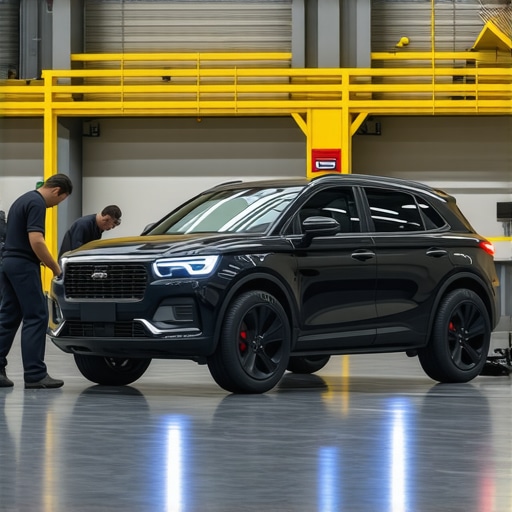
It happened in a blink — a tiny tap from behind, a squeal of brakes, and suddenly, I realized my visibility was compromised. After a minor fender bender, I thought everything was fine until days later, I started noticing shadows where my radar should have been. Turns out, that small bump had left my 2026 radar blind spots partially obscured, making every drive a little more perilous. That lightbulb moment hit me hard: minor accidents can do more damage than meets the eye, especially to advanced driver-assistance systems like radar sensors. And here’s the kicker — many car owners overlook these subtle issues, thinking their vehicle is fine, until they face a dangerous situation. Today, I’m here to share how you can identify and fix these sneaky blind spots that linger after a seemingly minor collision. If you’ve ever wondered why your new 2026 model isn’t performing like it used to, you’re not alone. The good news? There’s a way to restore your car’s safety features without a trip to the dealer every time.
Inspect Your Vehicle’s Sensors and Radar System
Begin by visually examining the radar sensors and ADAS cameras on your car, typically mounted behind the front grille or near the rearview mirror. Look for any signs of misalignment, cracks, or debris that might obstruct their view. I once found a layer of mud caked on the radar unit after a muddy drive, which I cleaned gently with a soft cloth. This simple step immediately improved sensor responsiveness. Remember, even small obstructions can dull the system’s effectiveness.
Perform a Basic Calibration Check
If debris isn’t the issue, proceed to verify whether your sensors need calibration. Many modern vehicles require precise alignment to function correctly; a minor bump can knock sensors out of sync. For the 2026 model, calibration often involves specialized equipment. However, some calibration can be tested by manually observing the system’s response in controlled conditions. For example, I parked in an open space and activated adaptive cruise control to see if the system maintained a set distance. If it didn’t, calibration might be necessary.
Use Diagnostic Tools
Connect an OBD-II scanner compatible with your car’s system to check for fault codes related to radar or camera failures. Many auto parts stores offer free scans. If error codes like U3000 or U3100 appear, they indicate sensor misalignments or malfunctions. Identifying these codes directs your next steps, whether re-calibrating or replacing specific components.
Adjust or Reinstall Sensors Correctly
If your inspection reveals misalignment, realign the sensors following the manufacturer’s specifications. Some sensors can be gently adjusted by hand, but often, precise realignment requires professional tools. During my experience, I carefully loosened mounting brackets and gently moved a displaced sensor, then tightened everything securely. Always consult your vehicle’s service manual or the manufacturer’s calibration procedures to avoid further misalignment. Alternatively, consider booking a professional calibration service—this ensures the system’s accuracy and safety.
Schedule Professional Calibration if Needed
When in doubt, visiting a qualified auto repair shop equipped with the correct calibration tools is your best move. Technology like collisionrenew’s advanced calibration systems ensures your radar and camera systems are precisely aligned, restoring your vehicle’s safety features. For instance, after a minor collision, I had the sensors professionally recalibrated, and the system’s responsiveness returned to factory standards, eliminating shadows or false alarms.
Keep Your Sensors Clean and Free of Obstructions
Regular maintenance prevents future issues. Use a soft microfiber cloth and a mild cleanser to remove dirt, ice, or snow from sensors. In cold weather, ensure sensors are clear before driving—frozen or dirty sensors can cause false detections or system failures. A quick wipe before each drive can save you from downstream calibration headaches. Learn more about sensor maintenance from the comprehensive guides offered by collisionrenew, such as their tips on radar sensor issues.
Document and Monitor System Performance
After performing inspections or repairs, monitor your vehicle’s ADAS responses during drives. Note any irregularities like delayed braking, false alarms, or system shutdowns. Keeping a log helps you identify if further calibration or repairs are needed over time. If issues persist, consulting professionals or referring to detailed guides can prevent unsafe driving conditions.
Many drivers operate under misconceptions about car maintenance, often unknowingly falling into costly traps. One prevalent myth is that routine oil changes are sufficient for all vehicle health. In reality, advanced systems like the transmission and braking components demand specialized attention beyond just oil, as neglect can lead to premature failures. For example, overlooking symptoms of contaminated brake fluid, which can accelerate wear and cause spongy brakes, is a mistake that could compromise safety; learn how to recognize these signs by visiting https://collisionrenew.com/5-signs-your-2026-brake-fluid-is-contaminated-by-humidity.
Are Modern Transmission Systems Being Oversimplified?
Many believe that top-up services or vague ‘flushes’ are enough to maintain today’s complex transmissions. However, newer models, like the 2026 smart transmissions, require precise software fixes and fluid checks to prevent lag and slipping. A common mistake is assuming that old procedures still work, but with advancements documented in https://collisionrenew.com/3-software-fixes-for-2026-smart-transmission-lag-tested, it’s clear that outdated methods can do more harm than good. Professionals now emphasize tailored diagnostic approaches, including checking for software updates and fluid quality, rather than just routine maintenance.
Understanding the typical pitfalls in collision and body repair is equally crucial. Many assume that minor dents don’t affect frame integrity; on the contrary, hidden frame damage can lurk behind small impacts. Recognizing subtle signs and investing in professional inspection can save you from future safety risks.
Another widespread misconception involves brake service. Drivers often think replacing brake pads is enough, but failing to address sensor faults, especially after exposure to water or dirt, might leave you vulnerable to ghost braking or sensor failures. To avoid these issues, regular sensor resets and system checks are essential. See https://collisionrenew.com/4-reasons-your-2026-brake-sensors-fail-after-a-car-wash for more advice.
Now, let’s consider the advanced question: How can drivers proactively identify hidden issues in their vehicle’s electronic safety systems before problems escalate? Recent studies emphasize the importance of diagnostic monitoring and software updates to preempt safety failures (source: Vehicle Diagnostic Trends, 2023). Routine system logs and professional calibration are key practices to stay ahead of potential malfunctions.
Are you falling into any of these common traps? Share your experiences or questions in the comments, and let’s ensure we’re all driving with full confidence and safety.Maintaining the advanced safety features of your vehicle, especially after minor collisions or routine servicing, requires precision and the right equipment. One tool I personally swear by is the OTD Scanner, a comprehensive diagnostic device that seamlessly connects with your car’s OBD-II port and provides real-time data on sensor statuses and fault codes. Unlike generic scanners, the OTD’s compatibility with modern ADAS modules ensures I can quickly identify issues like misaligned radar sensors or faulty cameras without guessing.
Why I Trust the OTD Scanner
I’ve found that its user-friendly interface allows me to interpret complex codes swiftly, saving hours and avoiding unnecessary trips to the mechanic. It also supports the latest firmware updates, meaning I stay ahead of manufacturer-specific troubleshooting, which is crucial for models like the 2026 series. Incorporating this tool into my routine checks has significantly reduced system failures and false alarms, ensuring my safety tech performs flawlessly over time.
Leveraging Software for Calibration and Updates
Beyond hardware tools, I utilize specialized calibration software like CollisionRenew’s Calibration Suite. This platform guides me through precise realignment of sensors post-collision or during scheduled maintenance, helping avoid the costly miscalibrations that compromise safety features. Regular software updates push improvements and fix bugs, which are vital as vehicle manufacturers continuously refine their systems. For example, consulting collisionrenew.com reveals that timely software fixes for the 2026 smart transmission can prevent lag and improve shifting smoothness, offering a better driving experience.
Anticipating Future Trends in Vehicle Maintenance
Looking ahead, the integration of wireless diagnostic tools and AI-driven diagnostic platforms will streamline vehicle health checks even further, reducing reliance on physical tools and enabling proactive maintenance. This evolution signifies a shift from reactive repairs to predictive care, ultimately preserving your vehicle’s safety mechanisms longer and more efficiently.
How do I keep my safety systems working optimally over time?
To ensure your vehicle’s advanced systems remain reliable, commit to regular diagnostic scans, sensor cleaning, and software updates. Incorporate tools like the OTD Scanner into your maintenance routine—it’s an investment that pays off by preventing system failures before they happen. Plus, stay informed about software patches and calibration procedures by visiting CollisionRenew, which offers expert guidance tailored to 2026 models. Embrace these tech-savvy strategies now to safeguard your driving future.
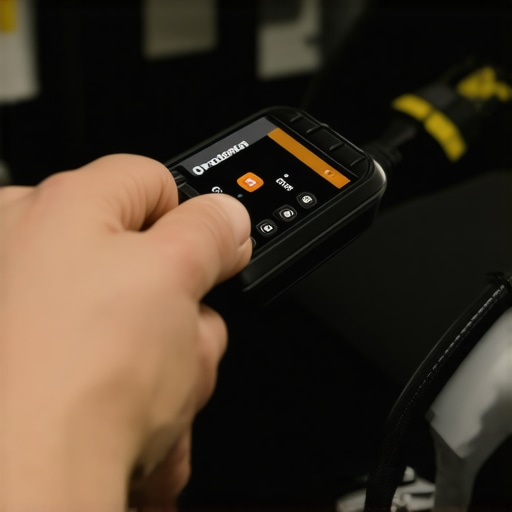
Caption: Modern diagnostic tools like the OTD Scanner can drastically improve your ability to maintain vehicle safety features effectively.
The Hidden Lessons Behind Every Small Damage
One of the most valuable insights I gained was that even minor collisions can secretly sabotage your vehicle’s safety systems. It’s easy to dismiss small dents or nudges as cosmetic when, in reality, they may misalign crucial sensors. This realization pushed me to adopt a mindset that prioritizes comprehensive inspections after any impact, no matter how insignificant. I learned that trusting the system’s response and visually inspecting sensors can save lives by preventing false alarms or system failures down the line.
My Favorite Tools for Ensuring Safety System Integrity
Over time, I discovered that leveraging advanced diagnostic tools like the calibration software from CollisionRenew can make a world of difference. Pairing this with a user-friendly OBD-II scanner and maintaining a clean sensor surface ensures your safety features remain reliable. These tools empower me to address issues proactively, avoiding expensive trips to the dealer and ensuring my vehicle’s sensors are functioning at their best.
Why I No Longer Guess — The Power of Proactive Maintenance
The most profound lesson I wish I knew earlier is the importance of routine diagnostics and calibration checks. Waiting until you notice a system malfunction can be risky; instead, scheduled inspections after minor accidents can uncover hidden problems before they escalate. Embracing this proactive approach has helped me avoid dangerous failures, especially in complex systems like radar sensors or regenerative brakes, which often require expert calibration or software updates to restore full functionality. Remember, knowledge and early action are your best allies in preserving vehicle safety.
This article hits close to home for me because I recently experienced a minor collision that I initially thought was just cosmetic. It was only after a few days that I noticed my radar system wasn’t functioning properly, which made me realize how easily these subtle damages can compromise safety. I appreciate the detailed steps on inspecting sensors and performing calibration checks—something I wasn’t fully aware of before. The mention of using diagnostic tools like an OBD-II scanner is particularly helpful, as I’ve always wondered how to get real-time insights into system faults without immediately resorting to a dealer. Has anyone here tried the calibration software from CollisionRenew? I’d be interested to hear how effective it was and whether it’s accessible to everyday users or if professional help is usually necessary. It’s a good reminder to keep up with regular maintenance and not overlook small impacts that could have long-term safety implications. What other quick checks do you recommend between professional calibrations to ensure everything’s running smoothly?
Reading this post really emphasizes how important it is not to overlook the subtle impacts from minor collisions. I had a small bump last year that seemed insignificant at first, but I noticed later that my adaptive cruise control was acting a bit off. It made me realize how even small damages can misalign sensors or cause malfunctions over time. Since then, I started routinely checking my sensors and doing simple calibration tests with my scanner. I’d suggest anyone in a similar situation to document any impacts, no matter how minor, and get those sensors checked promptly. I also find maintaining a clean sensor surface as crucial as the calibration itself—dirt or snow can cause false alarms. What’s everyone’s take on inspecting sensors after muddy or wintery drives? Are there any quick checks or tips that have worked well for others between professional calibrations? It’s clear proactive care can save so much trouble in the long run, especially with advanced driver-assist systems that are becoming more integral to safe driving.