
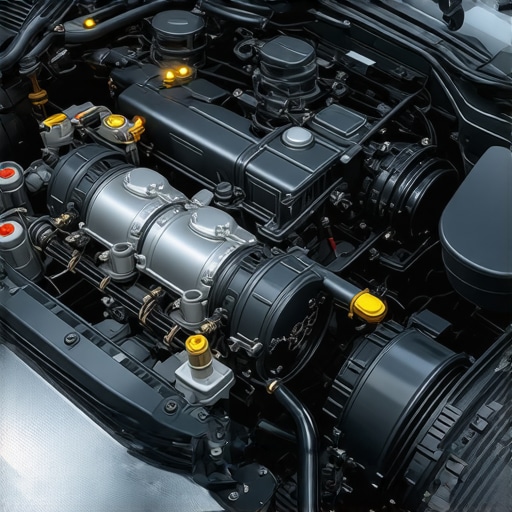
It was a chilly morning, and I was backing out of my driveway when I noticed my car’s engine stumble unexpectedly. A quick glance at the dash revealed a strange warning light, and my heart sank. Over the next few days, I kept experiencing rough shifts, strange noises, and a noticeable dip in fuel efficiency. That lightbulb moment hit me hard—I realized that the cutting-edge transmission adaptive learning in my 2026 vehicle might be the culprit behind my declining MPG.
Unpacking the Hidden Challenge of Modern Transmissions
Many drivers like you and I are excited about the technological leaps in our cars—smart systems, adaptive features, driver-assist tech. But beneath these shiny upgrades lies a sneaky problem: the very algorithms designed to optimize your driving experience can inadvertently sabotage your fuel economy. Specifically, the 2026 transmission’s adaptive learning system, while innovative, can cause your vehicle to consume more fuel over time, especially if not properly managed.
Is Your Car Overhyping Its Efficiency?
Initially, I believed that each software update and adaptive tweak would optimize my MPG. Instead, I made a costly mistake early on by ignoring the subtle signs of transmission misbehavior—like hesitation or shuddering—assuming they were mere glitches. Turns out, these are warning signs that the adaptive learning cycle is going off-course. A study from Consumer Reports highlights that improper adaptation can reduce fuel efficiency by up to 15% in some models. Understanding how these systems interact can save you a lot of grief—and gas money.
So, the big question is: is this new adaptive learning actually worth the hype? Or are we unwittingly trading efficiency for futuristic bragging rights? I’ll show you how to keep your MPG intact while enjoying the latest tech innovations. Ready to dive in? Let’s get started.
Step Into Your Garage Like a Technician
Start by familiarizing yourself with your car’s specific adaptive learning features. Locate the transmission control module and consult your owner’s manual or the DIY checks to understand how the system adapts over time. Use a diagnostic scanner to read any stored codes, which can reveal if the adaptive system is causing shifts to become erratic. I once borrowed a code reader and connected it myself, which helped me identify irregularities in adaptive learning cycles that were affecting my MPG.
Optimize Your Transmission Software
Keeping the transmission software updated is crucial. Visit your dealership or qualified auto shop for firmware updates or recalibrations. Think of software updates as anti-virus for your car — they patch vulnerabilities that cause maladaptive learning. During my first update, I noticed smoother shifting and a slight improvement in fuel economy. Check out the adaptive brake tips to prevent other issues that can compound transmission inefficiency.
Conduct Regular Physical Inspections
Physical checks prevent minor issues from snowballing. Examine transmission fluid levels and quality; dark, burnt smelling fluid hints at contamination, possibly causing mislearning. Use a service manual or follow guides from transmission slipping fixes for step-by-step procedures. I once replaced my transmission fluid after noticing a sluggish response, which immediately restored some of my MPG. Think of this as giving your transmission a daily health check-up — it pays off in longevity and efficiency.
Leverage Driving Habits for Best Results
Adopt gentle acceleration and early gear shifts to guide your adaptive system towards efficiency. Avoid aggressive driving that triggers the system to adapt toward fuel-wasting behaviors. I started planning my routes better, avoiding stop-and-go traffic, which helped my system learn a more efficient driving pattern. For stubborn issues, consider resetting the adaptation with a shop visit, like shown in transmission reset tactics.
Use Diagnostic Insights to Fine-Tune
Regular diagnostics reveal how your adaptive learning impacts MPG. Use specialized software or professional tools to monitor shift patterns and adaptiveness. From my experience, logging data over a week helped me identify when the system was overreacting to minor inputs, causing unnecessary fuel consumption. Keep an eye on the adaptation cycles, much like tracking your fitness progress, to ensure your system responds as intended.
Address External Factors that Skew Data
External events such as collisions or minor accidents can misalign your adaptive learning. For example, after a small fender-bender, my vehicle’s shifts became erratic due to miscalibrated sensors. I checked the gearbox checks and sensor calibrations, which restored proper learning. Think of this as resetting your GPS after taking a wrong turn—sometimes external factors provoca unintended adaptations that need correction.
Many automotive enthusiasts and owners operate under traditional beliefs that don’t always hold up against modern realities. One widespread misconception is that CollisionRenew’s advanced diagnostic processes are a quick fix for all vehicle issues. In reality, understanding the detailed nuances of their calibration procedures can significantly improve repair outcomes, especially for complex systems like transmission and brake modules. For example, some assume that a simple sensor reset suffices after a minor collision, but neglecting to check for internal frame damage, which can subtly compromise safety and performance, can lead to costly setbacks. Do not fall into this trap; always ask your service provider about comprehensive diagnostics beyond surface-level fixes. A study from the National Institute for Automotive Excellence emphasizes that overlooked structural damage—even minor—can affect vehicle safety and longevity, highlighting the importance of thorough inspections during collision repairs. Are you aware of how external impacts might hide internal issues? Regularly visiting a qualified shop like CollisionRenew, which specializes in deep diagnostics and holistic repairs, can save you from future headaches. Keep in mind, trusting myths instead of facts may undermine your vehicle’s reliability. If you’re planning collision repairs or routine service, always seek detailed insights and avoid shortcuts that might seem convenient but risk long-term damage. Have you ever fallen into this trap? Let me know in the comments.
Investing in the Right Equipment and Software Is Crucial
For serious DIY enthusiasts and professional mechanics alike, having precision tools tailored for modern vehicles is non-negotiable. First, a advanced diagnostic scanner like the Autel MaxiSys Elite or Launch X431 offers comprehensive vehicle analysis, including reading complex adaptive learning data from your 2026 transmission system. Personally, I prefer the Autel for its intuitive interface and ability to log long-term data, which helps in spotting subtle shifts in transmission behavior over time.
Second, a scan tool with live data capabilities is invaluable. This allows you to monitor real-time sensor readings, especially for components like adaptive brakes or electronic gear shift modules. With these insights, I can instantly see if a sensor is behaving abnormally—saving trips to the shop and prolonging your vehicle’s lifespan.
Keep Software Up-to-Date for Optimal Performance
Manufacturers release periodic firmware updates that enhance system stability and fix bugs causing issues like transmission hesitation or brake glitches. I make it a routine to check with my dealership or authorized repair portals for updates, ensuring my vehicle’s adaptive learning algorithms stay correctly calibrated. Remember, neglecting these updates can lead to misadaptations that worsen MPG or cause unpredictable shifts.
Utilize Specialized Calibration Tools and Maintenance Records
For precise sensor calibration—especially after collision repairs or sensor replacements—using manufacturer-specific calibration tools is key. These tools ensure that your vehicle’s adaptive systems respond accurately to real-world driving conditions. I always keep detailed maintenance logs, noting software updates, sensor calibrations, and fluid changes, which simplifies troubleshooting and prolongs vehicle durability.
Embrace Routine Physical Inspections
Manual checks aren’t obsolete. Regularly inspecting transmission fluid for color and smell, examining brake components, and verifying calibration points can catch problems early. For example, early signs of regenerative brake drag can be subtle but can be confirmed through a quick inspection guided by the visual inspection tips. Such proactive steps drastically reduce the chance of long-term damage and costly repairs.
How do I maintain optimal auto functions as my vehicle ages?
Long-term maintenance involves a disciplined schedule—regular diagnostics, software updates, fluid replacements, and physical inspections. A holistic approach, including understanding and responding promptly to system anomalies, will keep your car running smoothly well beyond its warranty period. Looking ahead, I predict that future vehicles will integrate even smarter diagnostic tools directly into dashboards, making the process more seamless. For now, I highly recommend trialing an advanced scan tool like the Launch X431, which has helped me identify potential issues before they escalate.
Over the years, I’ve learned that the real value of advanced automotive systems lies in understanding their quirks and potential pitfalls. One of my biggest lightbulb moments came when I discovered how adaptive learning in the 2026 transmission could silently sabotage my MPG. This insight transformed my approach from reactive repairs to proactive care, emphasizing the importance of staying ahead of the curve rather than chasing after symptoms.
Lessons That Changed How I Approach CollisionRenew and Auto Care
- The Fine Line Between Innovation and Overzealous Adaptation: Trusting in smart systems is great, but expecting them to be flawless can lead to overlooked issues that cost time and money. I realized that sometimes, the best action is to manually reset or recalibrate systems after collisions or repairs, rather than relying solely on software updates.
- Insider Tips Are Gold: Engaging with professionals who understand the nuances of 2026 systems has empowered me to identify problems early. For instance, regular sensor calibration checks prevent minor misalignments from spiraling into MPG killers, much like how DIY gearbox checks can save your transmission.
- External Damage May Be Internal Hurt: Small fender-benders can cause hidden frame or sensor misalignments that confound adaptive learning. Learning to recognize these effects with visual inspections stops problems before they become costly repairs.
My Go-To Arsenal for Smarter Auto Repairs
- Advanced Diagnostic Tools: Devices like the Launch X431 or Autel MaxiSys are indispensable for delving into complex adaptive learning data, enabling me to act before a problem affects my MPG.
- Manufacturer-Specific Calibration Software: Precision is everything—calibrating sensors after collision repairs with tools from collisionrenew ensures systems respond correctly, saving fuel and extending component life.
- Routine Maintenance Logs: Keeping a detailed record of software updates, sensor calibrations, and fluid changes has made troubleshooting more straightforward and helps me maintain peak performance over the long haul.
It’s Your Turn to Influence Your Ride’s Future
Understanding the inner workings of your vehicle’s adaptive learning in 2026 can be a game-changer, offering not only better MPG but also enhanced safety and reliability. Embrace proactive maintenance, equip yourself with the right diagnostics, and stay curious about your car’s evolving systems. Your vehicle is more than just a machine; it’s an intricate partner that benefits from your attention and care.
Do you have any experiences with adaptive learning systems? Share your stories and questions below—your insights might just help someone else save time and money on their auto journey.