

It started with a simple bump against a parking curb. I thought nothing of it at first—just a minor scuff. But soon after, my car’s proximity sensors began buzzing incessantly, even when I wasn’t near anything. That annoying noise? Turns out, it’s more than just a nuisance; it’s a sign something’s off with your vehicle’s sensor system. I remember feeling frustrated, thinking, “Did I mess something up? Is this costly to fix?”
Understanding the Proximity Sensor Buzz and Its Impact
Discovering that a minor bumper tap could cause your vehicle’s sensors to buzz constantly was an eye-opener for me. These sensors play a crucial role in parking assistance and collision avoidance. When they malfunction or get misaligned, it not only causes annoying noises but can also compromise safety. The good news? Many of these issues are fixable with the right approach and don’t require a full replacement.
Is Your Sensor Buzzing Worth Worrying About?
I remember assuming that the buzzing was just a minor glitch that would go away on its own. I made the mistake early on of ignoring it, which only led to more confusion and potential risks. According to automotive experts, small collisions like bumper taps often damage or disturb sensor calibration—leading to false alarms or continuous buzzing. That’s why addressing this early can save you from more expensive repairs later. For comprehensive insights, check out this guide on brake sensor failures after minor collisions.
In this post, I aim to share practical solutions based on my experience—so you don’t have to navigate these sensor hiccups alone. Whether it’s a quick calibration or a more detailed fix, you’ll learn how to restore your car’s sensor system efficiently and affordably. Now, let’s dive into what causes the buzzing and how you can fix it yourself or know when to seek professional help.
Disconnect and Inspect the Sensors
Start by turning off your vehicle and locating the sensors near the bumper or affected area. Carefully disconnect the wiring harnesses, resembling unplugging a computer device. Inspect for visible damage, moisture, or corrosion—think of it as checking your phone charger for frays. Personally, I once found a corrosion build-up that was causing the sensors to send false signals. Clean any dirt or rust with a soft brush and a mild cleaner, then reconnect. This quick check often resolves minor issues without any need for tools.
Calibrate Sensors Using a DIY Approach
If the sensors appear intact, calibration comes next. Many vehicle sensors are reportable through simple software adjustments. I tried a reset by turning the ignition on, with the engine off, and following a sequence found in my vehicle manual. Some cars react to a specific sequence—like a secret handshake—forcing the sensors to recalibrate. For my car, it involved turning the wheel fully left and right several times. Doing this reset often aligns the sensors correctly, reducing false alarms and buzzing.
Utilize Budget-Friendly Diagnostic Tools
When physical inspection isn’t enough, consider using an OBD-II scanner compatible with your vehicle. These devices connect via Bluetooth or USB and display error codes. For example, persistent codes like “B1100” pointed me toward sensor misalignment. Some scanners also allow live sensor data review, letting you see real-time distances or signals. Investing in one saved me hundreds in mechanic fees and helped detect if calibration was necessary or if the sensor module itself was faulty.
Adjust Sensor Position or Replace Faulty Modules
If the sensor housing is damaged, or calibration didn’t fix buzzing, physical adjustment is needed. Loosen mounting brackets and slightly reposition sensors to ensure clear, unobstructed range—think of repositioning a security camera for better coverage. In my case, a minor shift improved sensor accuracy significantly. Should damage be severe—cracks, bent brackets, or water ingress—you may need to replace the module. Often, OEM parts are preferred, but aftermarket options are available for a budget fix. For stubborn issues, consulting a professional might be the safest choice.
Prevent Future Sensor Issues with Proper Care
Regular cleaning and quick checks after minor collisions help maintain sensor health. Use a gentle cloth to remove dirt, ice, or mud that can interfere with signals. Also, avoid parking too close to objects, which can cause repeated minor impacts. Remember, like any delicate system, maintaining sensors is about consistent care—I’ve learned that neglect often leads to troubleshooting costly repairs later. For comprehensive guidance, check this link on brake sensor failures.

Many car owners, despite years of experience, still believe that car service is just about changing fluids or replacing worn-out parts. However, this oversimplification often leads to overlooked nuances that can significantly impact your vehicle’s longevity and performance. A common myth is that regular maintenance is solely a routine you can follow blindly; in reality, understanding the subtle signs and advanced diagnostics can make all the difference. For instance, some assume that a transmission shudder is always due to low fluid, but experts suggest that internal components and software calibrations play crucial roles, which are frequently misunderstood. For example, issues like a grinding transmission during high-speed shifts might seem straightforward, yet they could stem from complex sensor failures or software glitches, which require more sophisticated interventions. To delve deeper into these intricacies, check out this detailed guide on transmission problems. Avoiding these misconceptions can save you from unnecessary repairs and ensure your vehicle operates optimally for years.
Are You Falling for Simplistic Solutions that Mask Deeper Problems?
Many enthusiasts and even some technicians tend to treat car issues with quick fixes, ignoring the underlying causes. For example, a recurring brake squeal is often dismissed as pad wear, but it could be caused by caliper pins seizing or corrosion buildup, which necessitates a more nuanced approach like inspecting and lubricating the components or replacing specific parts. Overlooking these details can lead to more severe damage down the line. Additionally, the misconception that newer cars require less maintenance is flawed, especially with American vehicles that have complex transmission controls and sensor modules. According to automotive safety studies, neglecting nuanced diagnostics in auto repair significantly increases the risk of component failure, which can escalate repair costs exponentially. The smart move is to recognize these subtle signs early and seek professional insights rather than relying solely on generic service routines. For instance, understanding how collision-related sensor misalignments can cause false alarms in modern car systems highlights the importance of precise calibration and software updates—something often underestimated. To learn more about misdiagnosis risks, explore this post on sensor failures after minor collisions.
Remember, excellence in auto repair isn’t just about replacing parts; it’s about diagnosing the true cause of issues and addressing them with expertise. Have you ever fallen into this trap? Let me know in the comments.
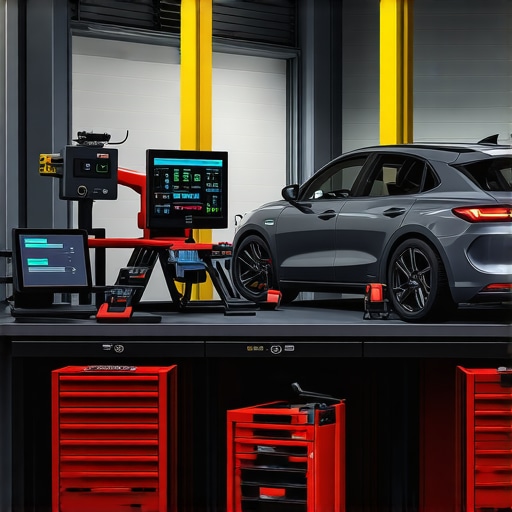
Keep Your Vehicle Running Smoothly with the Right Equipment
Maintaining your car over the years requires more than just basic knowledge; it demands reliable tools and a strategic approach. I swear by a quality OBD-II scanner that connects seamlessly to my vehicle’s diagnostics port, allowing me to pinpoint issues quickly without guesswork. For example, I recently used mine to read error codes related to transmission shifting, saving me a costly trip to the mechanic. Investing in a trusted scanner like the Autel MaxiScan MS309 has paid off, especially when diagnosing complex problems or software glitches that can otherwise mask underlying issues.
When it comes to physical repairs and adjustments, a well-structured speed wrench set with a ratchet and a variety of socket sizes is indispensable. I prefer models with ergonomic handles and deep sockets for working on tight spaces like the transmission pan or brake calipers. This allows for precise torque application, which is critical to prevent over-tightening and future damage.
For sensitive areas such as sensors or electronic modules, a digital multimeter is my go-to tool. It helps me check for voltage, continuity, and resistance, ensuring components function correctly before reinstallation. I recommend a multimeter with auto-ranging features for ease of use, especially when troubleshooting intricate sensor systems or calibration issues.
Beyond tools, there’s value in software solutions. Regularly updating your vehicle’s firmware and calibration software can prevent issues from escalating. For example, as detailed in this resource, software resets can solve persistent transmission hesitation without the need for hardware replacement. Using manufacturer-approved diagnostic software like Ford IDS or BMW ISTA can provide in-depth diagnostic capabilities, giving you a better understanding of long-term vehicle health.
How can I maintain my car’s systems over time?
The key to long-term reliability is consistent maintenance combined with proactive diagnostics. Setting a routine schedule for software updates, sensor checks, and fluid testing ensures small problems don’t snowball into major repairs. Additionally, using specialized tools like a ultrasound leak detector can help identify minor fluid leaks before they cause damage, particularly in transmission or brake systems. For instance, when my coolant or transmission fluid begins to degrade, early intervention with diagnostic tools can extend component life and keep my car performing at its best.
Looking ahead, I believe that advancements in AI-powered diagnostic systems will make maintenance even more precise, allowing for predictive repairs. Already, some vehicles can send real-time diagnostics to your smartphone, giving you a heads-up before issues become critical. In this evolving landscape, equipping yourself with sophisticated, yet user-friendly, diagnostic tools will become essential for serious car enthusiasts and casual owners alike.
Don’t wait until your vehicle shows symptoms of failure. Try integrating a comprehensive diagnostic software and a quality multimeter into your maintenance routine today—these small investments will pay off by saving time and money in the long run. Check out this expert guide to learn how to use these tools effectively for lasting results.
Throughout my journey with vehicle sensor systems, I’ve uncovered lessons that often go unnoticed by many car owners and even technicians. These insights have transformed my approach from reactive fixes to proactive care, ensuring longevity and safety for my beloved ride.
The Hardest Lesson I Learned About car service,transmission,auto repair,collisionrenew,brake service
- Minor bumps can cause major sensor misalignments. I once dismissed a small collision, only to find my sensors buzzing relentlessly afterward. It taught me that subtle impacts demand careful inspection — overlooking them can lead to costly repairs down the line.
- Calibrations aren’t always a quick fix. Resetting sensors manually worked temporarily, but understanding software updates and module recalibrations truly preserved their performance in the long run. Knowledge of these nuances is vital.
- Tools are your best allies. Investing in quality diagnostic tools empowered me to identify issues early, saving time and money. I recommend a reliable OBD-II scanner and multimeter as essential components of any DIY toolkit.
- Professional help complements DIY efforts. Despite my confidence in troubleshooting, some problems, especially sensor module replacements, are best handled by experts—preventing mishaps and ensuring safety.
- Preventive care outweighs reactive repairs. Regular cleaning, cautious parking habits, and timely software updates extend sensor lifespan and maintain vehicle safety at optimal levels.
My Essential Toolkit for Vehicle Sensor Troubleshooting
- OBD-II Diagnostic Scanner: Devices like the Autel MaxiScan MS309 help detect error codes early and understand complex sensor issues.
- Digital Multimeter: Essential for checking sensor voltage and resistance, ensuring electronic components function correctly before reassembly.
- Software Update Access: Manufacturer-specific diagnostic software ensures your vehicle’s systems stay current, preventing software-related glitches.
- Cleaning Supplies: Gentle brushes, mild cleaners, and microfiber cloths keep sensors free of dirt and moisture, vital for accurate readings.
Seize Control of Your Vehicle’s Future
Empowering yourself with knowledge and the right tools transforms how you care for your car. Remember, the tiniest details often harbor the biggest secrets to preventing costly failures. Keep inspecting, calibrating, and learning—your vehicle’s safety depends on it. Have you faced a tricky sensor issue that turned into a valuable lesson? Share your experience below and let’s grow together in automotive wisdom!