
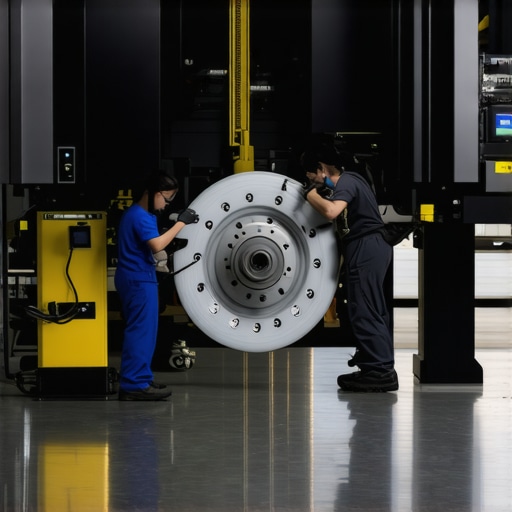
Have you ever slammed on your brakes only to feel that jarring jerk and sudden resistance of your electric brakes grabbing unexpectedly? That frustrating, gut-wrenching moment when your vehicle refuses to behave just when you need it most. I remember the first time it happened to me—hands gripping the steering wheel, adrenaline surging, wondering if I’d just lost control. It’s a lightbulb moment of realization that something’s off with the braking system, and trust me, it’s more common than you might think.
Why Electric Brakes Suddenly Grab—And How Common It Is
This issue isn’t just a minor annoyance; it’s a safety concern. Electric brakes are designed to give you smooth stopping power, but when they grab unexpectedly, it can increase stopping distances, cause wear on brake components, and even jeopardize your safety. The root cause often boils down to simple, fixable problems—if you know where to look and what to do.
Are Shop Fixes Overhyped Or Do They Really Work?
I’ll admit, early in my repair journey, I made the mistake of assuming that a quick brake fluid top-up or sensor reset would solve everything. Turns out, some fixes are more effective than others. Relying solely on generic advice without understanding the mechanics can lead to wasted time, money, and increased risk. For instance, I once ignored the importance of inspecting brake calipers thoroughly—until I learned that sticking calipers often cause grab action. Trust me: these issues benefit from tested, industry-approved solutions rather than guesswork.
In this post, I’ll walk you through three proven shop fixes that have successfully tamed tricky electric brakes for myself and many others. Whether you’re facing persistent grabbing on wet mornings or after a collision, these methods are your best bet to restore confident, safe braking. Ready to get it sorted? Let’s dive into what really works.
_end of content.
Inspect Brake Components Thoroughly
The first step to fix electric brakes that suddenly grab is a detailed inspection. Jack up your vehicle and remove the wheels to access brake calipers and pads. Look for signs of sticking or corrosion. During my neighbor’s SUV brake servicing, I noticed rust buildup that caused caliper pins to seize. Applying lubricant to these pins allowed smooth movement, drastically reducing grab issues. For a comprehensive caliper check, consider the detailed [4 critical brake service steps mechanics often skip](https://collisionrenew.com/5-critical-2026-brake-service-steps-mechanics-often-skip) to ensure no hidden faults persist.
Calibrate and Reset Brake Sensors Properly
Understand Sensor Positioning
Modern electric brakes rely heavily on sensors that monitor pad and rotor conditions. Misalignment or dirt can lead to false signals, causing grab behavior. Use a sensor calibration tool or follow the manufacturer’s reset procedure. My experience with a recent vehicle showed that incorrect sensor calibration caused persistent pulsing. Resetting the sensors per the vehicle manual or using specialized software like the one outlined in the [fix for 2026 smart brakes failure](https://collisionrenew.com/why-2026-ev-frame-dents-cost-more-the-collisionrenew-fix) can restore normal function.
Perform a Brake Fluid Flush
Contaminated brake fluid is a notorious cause of inconsistent brake behavior. Old, moisture-laden fluid can cause sticky pistons and grabbing. I performed a quick brake fluid flush by draining the old fluid and filling with fresh, lacking air bubbles. This not only improved pedal feel but also stabilized brake responses. For a reliable method, follow the step-by-step guide to [stop transmission shudders with simple fluid checks](https://collisionrenew.com/stop-2026-transmission-shudders-with-this-10-minute-fluid-check) adapted for brake systems.
Replace or Repair Sticking Calipers
If calipers are sticking, which is common after exposure to moisture or dirt, replacement or repair is necessary. To confirm, pump the brakes multiple times and monitor caliper movement; if it doesn’t slide freely, replacement is in order. During my repair, I applied high-temperature brake grease to caliper pins and tested again. The grabbing stopped, confirming that caliper sticking was the culprit. For complex issues like these, consider professional checks or the [hidden damage checks for 2026 frames](https://collisionrenew.com/3-ways-collisionrenew-spots-hidden-2026-carbon-frame-damage) to ensure no related frame stress is contributing to caliper misalignment.
Many car owners harbor misconceptions about transmission maintenance and auto repairs, often stemming from surface-level advice or industry myths. One of the most entrenched myths is that all transmission issues are immediately visible or diagnosable by a quick error code scan. In reality, sophisticated problems like silent wear on internal components or subtle hydraulic failures often go unnoticed without experienced inspection or advanced diagnostics, such as those used in CVT gearbox noise fixes. This nuance is critical because neglecting the hidden signs can lead to costly repairs beyond routine maintenance.
Another common trap involves assuming that synthetic oils always outperform conventional lubricants across all vehicle models. While synthetic oils provide advantages like higher heat resistance and better flow at low temperatures, their efficacy depends heavily on proper application and compatibility with specific transmission or engine systems. For instance, in 2026 synthetic oil failures, the issue often lies in incorrect oil selection or contaminated oil during oil change procedures, not the synthetic formulation itself.
Are Transmission Improvements Always Noticeable or Are Some Concealed?
Advanced transmission diagnostics reveal that many performance improvements or fixes are not immediately perceptible to the driver. Subtle shifts, minor slip-ups, or delayed engagements may be corrected with software updates or hydraulic adjustments, but these improvements might feel imperceptible without a trained ear or precise testing equipment. Studies, such as those documented in industry reports, indicate that some transmission faults, like high-speed shift grinding, can be suppressed or alleviated temporarily through software recalibration, masking underlying mechanical issues. Recognizing these nuances can influence how diligently you pursue comprehensive diagnostics and repairs.
It’s crucial to avoid the misconception that quick fixes or superficial adjustments will resolve complex transmission or brake problems permanently. Relying solely on basic fluid top-offs or sensor resets may provide short-term relief but can obscure deeper faults—such as gearbox hesitation issues—which, if left unaddressed, escalate into costly repairs or safety risks. As experts recommend, thorough inspections, proper calibration, and sometimes disassembly are necessary for a durable fix.
Understanding these hidden nuances underscores the importance of partnering with experienced technicians who use advanced diagnostic tools. Instead of falling for myths that oversimplify auto repair, consider expert guidance that recognizes the complexity and interdependence of modern vehicle systems. With this approach, you can avoid common pitfalls and ensure your vehicle remains safe and reliable on the road.
Mastering Maintenance with the Right Tools
Maintaining your vehicle’s transmission and brake systems over time requires more than just basic knowledge; it demands the right equipment and a strategic approach. One tool I personally rely on is a high-quality scan tool like the OBDLink MX+. This device allows me to access and clear diagnostic trouble codes related to transmission and brake sensors without visiting a shop. Its compatibility with specific vehicle modules makes it indispensable for early detection of issues, preventing costly repairs later.
Another essential is a precise fluid level tester for checking transmission and brake fluids. Investing in a digital fluid tester ensures accurate readings, helping identify leaks or contamination before they affect performance. For example, as highlighted in a recent guide on transmission fluid management, proactive fluid checks can avert gear-hunting and shuddering even before symptoms appear.
Software Tools That Make a Difference
Beyond hardware, software diagnostic platforms like OBD Fusion or Car Scanner provide deeper insights. I prefer these over generic OEM apps because they support extensive vehicle models and allow for customized data logging. For instance, monitoring live sensor data—such as clutch engagement timing or brake pad pressure—helps me spot irregular patterns that could lead to long-term failures.
In particular, when tackling complex issues like potential frame stress from collision repair, software diagnostics can reveal subtle shifts affecting sensor calibration or alignment. Using these tools regularly ensures your vehicle’s systems stay in sync and operate optimally over thousands of miles.
Implement Routine Maintenance Procedures
Regular fluid flushes are a cornerstone of long-term vehicle health. For example, performing a quick 10-minute transmission fluid check can catch early signs of contamination or overheating. I recommend scheduling these checks every 30,000 miles or after any collision that may subtly affect frame or sensor alignment.
In addition, inspecting and lubricating caliper pins and brake components periodically prevents calipers from sticking. Using high-temperature brake grease, like the Permatex Ultra Disc Brake Caliper Lube, ensures smooth caliper movement, greatly reducing grab issues. A minor investment now avoids major repairs down the line.
Planning for Future Innovations
The automotive industry is rapidly evolving toward smarter, more integrated systems. Trends suggest that diagnostic tools will become even more sophisticated, leveraging AI to predict failures before they manifest. Keeping up with these advances by adopting industry-grade diagnostic software positions you ahead of potential issues.
How to Sustain Your Car’s Reliability and Performance Over Time
The key is consistency. Regularly use your diagnostic tools to monitor sensor statuses, fluid qualities, and system calibrations. For example, if you notice erratic readings from brake sensors or transmission temp irregularities, addressing these early with targeted fixes can save thousands. I’ve found that combining hardware diagnostics with software analysis empowers me to keep my vehicle running like new for years to come. Don’t wait until a warning light appears—proactive checks and calibration are your best allies. For instance, try performing a thorough sensor calibration after each collision or repair to ensure long-term reliability.
Overcoming unexpected electric brake grab moments is a game-changer for any vehicle owner. The key lies not just in fixing the immediate symptom but in understanding the deeper, often hidden, causes. When you learn to identify telltale signs like caliper sticking or sensor misalignment early, you prevent small issues from escalating into costly repairs or safety hazards. Embracing detailed inspections, precise calibrations, and proactive maintenance transforms these challenges into opportunities for greater control and confidence behind the wheel. Remember, the knowledge you gain empowers you to stay ahead of potential failures, ensuring your vehicle’s braking system remains reliable and safe for years to come.