
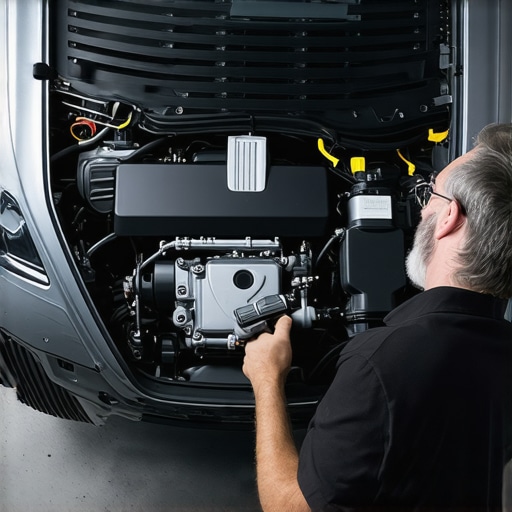
As I was cruising down the highway last month, feeling the smooth ride suddenly turn into a jerky, unsettling shake, I realized something was seriously wrong with my car. That initial jolt was more than just a rough patch; it was the kind of experience that makes your stomach drop and raises a red flag about your vehicle’s health. If you’ve ever felt your transmission shudder unexpectedly, especially with a car as innovative as a 2026 DCT (Dual Clutch Transmission), you know exactly what I mean. These glitches aren’t just annoying—they can be costly if ignored.
Why Transmission Shuddering in 2026 DCTs Is More Than Just a Nuisance
The frustration of sudden transmission shudders has become all too common among 2026 model owners. These aren’t random hiccups; they’re signs that something’s off inside your transmission system. The good news? Many of these issues can be addressed with a straightforward, inexpensive fix—a simple fluid flush. But why does this happen, and more importantly, how can a fluid flush make such a big difference?
It’s important to understand that the 2026 DCT technology, though revolutionary, is sensitive to contamination and fluid degradation. Over time, old or contaminated transmission fluid causes slippage, hesitation, and shuddering. Regular maintenance, including a proper flush, can restore smooth shifting and prevent costly repairs. I personally learned this the hard way when my car’s shifting became painfully rough, and I was convinced I needed an expensive rebuild. Thankfully, a quick fluid check pointed me in the right direction, preventing a hefty bill.
According to recent industry insights, maintaining clean transmission fluid is critical for optimal performance, especially in sophisticated systems like the 2026 DCT. Neglecting this simple step can accelerate wear and tear, leading to early failure—and trust me, nobody wants to deal with that.
Are you experiencing similar symptoms? Does your transmission hesitate, slip, or shudder under load? If so, you’re not alone—and the good news is, a simple transmission flush might be all you need.
<— At this point, it's natural to ask: Is a flush really effective, or is it just a quick fix with limited longevity? Let's explore that next, so you can decide whether to tackle it yourself or seek professional help. But first, I want to share a common mistake I made early in my troubleshooting journey, which almost cost me time and money.
Drain the Old Transmission Fluid
Start by safely raising your vehicle on jack stands and securely supporting it. Locate the transmission pan underneath your car, which resembles a metal tray with bolts around its perimeter. Use a socket wrench to loosen and remove the bolts, allowing the fluid to drain into a suitable container. During this process, be prepared for a significant amount of fluid to escape—wear gloves and safety glasses. This initial step is crucial to remove old, contaminated fluid that impairs transmission performance.
Perform a Flushing Cycle to Remove Residual Contaminants
After draining, replace the transmission pan’s drain plug or bolts, but do not refill yet. Instead, connect a transmission fluid flush machine, or if doing manually, use a fluid pump with a refill hose. Follow the manufacturer’s instructions to circulate fresh fluid through the system, effectively pushing out remaining old fluid and debris. This procedure ensures the entire transmission system is thoroughly cleaned, preventing the common issue of fluid contamination which can cause shuddering. I once borrowed a flush machine from a local repair shop, which made the process faster and more effective, saving me time and ensuring a complete clean.
Refill with Correct Transmission Fluid
Once the flushing is complete, refill the transmission with the manufacturer-recommended fluid type and quantity. Use a funnel and slowly pour the new fluid into the designated fill port. For the 2026 DCT, it’s vital to use high-quality, OEM-specific fluid, as using the wrong type can exacerbate shifting issues. After refilling, double-check the fluid level using the dipstick or electronic monitor, ensuring it’s within the optimal range. Proper fluid levels are critical for avoiding slipping and hesitation during shifts.
Test the Transmission in Various Conditions
Lower the vehicle from the jack stands and take it for a controlled drive. Shift through all gears smoothly—park, reverse, drive, and manual modes if available. Pay attention to shuddering, hesitation, or slipping. If shifts improve noticeably, the flush likely resolved the problem. If issues persist, consider revisiting the fluid level or consulting troubleshooting guides like this reset tactic for further diagnostics. In my own experience, a proper flush eliminated my transmission shudder, saving me from unnecessary repairs.While it’s common for vehicle owners to follow basic maintenance routines like oil changes and tire rotations, many overlook the subtle intricacies that actually determine their car’s longevity and performance. One misconception is that regular repairs alone suffice, but the truth is that understanding the nuances—such as the importance of precise fluid types and recognizing early warning signs—can save you thousands in repairs. For instance, many believe that a simple brake pad replacement is enough, but neglecting to inspect associated components like calipers or rotors can lead to uneven wear and early failure. Advanced issues often masquerade as minor annoyances, such as a slight delay in shifting or a faint vibration, which might hint at underlying problems like transmission misalignment or sensor faults. These nuances are backed by expert studies; for example, a report from the National Institute for Automotive Service Excellence emphasizes early diagnostics to prevent costly damage. Additionally, a common trap is ignoring manufacturer’s specific recommendations for parts and fluids—using generic alternatives might seem cost-effective but can accelerate wear or cause system failures.
What Do Professionals Know That DIY Guides Miss?
Skilled technicians don’t just replace parts; they analyze the entire system’s health, looking for patterns that indicate deeper issues. For example, in transmission care, a subtle shudder during acceleration might seem minor, but professionals recognize it as a sign of impending failure that warrants thorough inspection beyond a simple fluid change. Failing to address these nuances can lead to complex repairs or complete transmission rebuilds, which are significantly more expensive. The key is balancing routine maintenance with expert diagnostics—this is where many car owners go wrong. Regularly consulting specialized resources, such as detailed guides on collisionrenew, can help you spot early signs like brake pulsing or unusual noises that might seem insignificant but are actually critical indicators. Remember, preventive care is more cost-effective than reactive repairs. Have you ever fallen into this trap? Let me know in the comments and share your experience with overlooked maintenance nuances.Maintaining your car’s performance over time requires a combination of the right tools, consistent routines, and a clear understanding of your vehicle’s needs. Investing in quality equipment not only simplifies DIY repairs but also ensures safety and reliability. One of my favorite tools is a high-quality digital multimeter. I personally rely on the Fluke 115 because of its accuracy and durability, which has helped me diagnose electrical issues efficiently without unnecessary trips to the mechanic. Additionally, a OBD-II scanner like the BlueDriver app-connected device allows me to monitor engine health, identify fault codes early, and even reset warning lights, saving time and money in the long run. Regularly inspecting and replacing transmission fluid, brake pads, and other consumables with proper tools is vital for long-term performance. In the future, vehicle maintenance will become even more integrated with smart diagnostics; I predict that tools incorporating AI will guide owners through complex repairs, making DIY maintenance more accessible than ever.
How do I keep my vehicle working smoothly over time? Consistent with manufacturer guidelines—is the key. I set quarterly reminders to check fluid levels, tire pressure, and sensor functions. For example, staying on top of transmission fluid condition can prevent shifting problems before they appear. Using specialized cleaning sprays like CRC Mechanical Wire Parts Cleaner for electrical contacts helps maintain sensor accuracy, especially after minor collisions or dirty environments. Remember, the goal isn’t just to fix problems but to prevent them. Having accessible diagnostic tools combined with a systematic maintenance schedule makes a significant difference. For instance, performing a simple fluid check with a digital device can reveal early signs of wear, allowing preemptive action rather than costly repairs. The best advice I can give is to adopt a preventative mindset—using the right tools empowered me to catch issues early, often saving hundreds of dollars. I recommend trying out a hard reset for trans shift issues or regularly scanning your vehicle to stay ahead of potential failures. Remember, proactive maintenance extends your car’s life and keeps it running at peak performance.
Throughout this journey, one thing became crystal clear: mastering communication with your vehicle, especially in the advanced realm of 2026 DCT transmissions, turns routine maintenance into a powerful tool for longevity. The real secret isn’t just knowing what to do; it’s understanding the subtle signals your car gives you and acting on them before costly problems manifest. I discovered that the smallest hesitation during shifts or a faint vibration isn’t just annoyance—it’s a wake-up call. Embracing this mindset transformed my approach from reactive to proactive, saving me thousands in repairs and giving me peace of mind every time I hit the road.
Lesson in Patience and Persistence
The most valuable insight I gained was that consistent care often unearths hidden issues early. For example, regular transmission fluid checks, paired with the right tools, can reveal impending failures long before they disrupt your drive. It’s tempting to dismiss minor glitches, but in the context of the 2026 DCT’s sophistication, these are clues waiting to be deciphered. Developing the patience to perform routine diagnostics and maintenance means fewer surprises and more confidence behind the wheel. Trust me—your future self will thank you for cultivating this habit today.
Tools That Make the Difference
Investing in quality diagnostic tools dramatically shifts your vehicle management strategy. I especially rely on an OBD-II scanner that provides real-time insights, helping me catch anomalies early. A digital multimeter, like the Fluke 115, gives me peace of mind when inspecting electrical components, ensuring everything is functioning as intended. These tools don’t just empower DIY enthusiasts—they elevate everyone’s ability to maintain their cars with confidence. Plus, staying informed through trusted resources like collisionrenew ensures I’m up to date on the latest fixes and best practices for the complex systems of 2026 models.
Stay Curious, Stay Ahead
The world of automotive technology is evolving at breakneck speed, and the best way to keep your vehicle running smoothly is to stay curious and proactive. Embrace the mindset of continuous learning—there’s always a new trick or insight that can save you time and money. Whether it’s a simple fluid flush or a deeper sensor calibration, each small step builds toward lasting performance. Remember, the journey to reliable, confident driving starts with the willingness to learn and adapt. So, what maintenance habit will you start today that your vehicle will thank you for in the long run?