
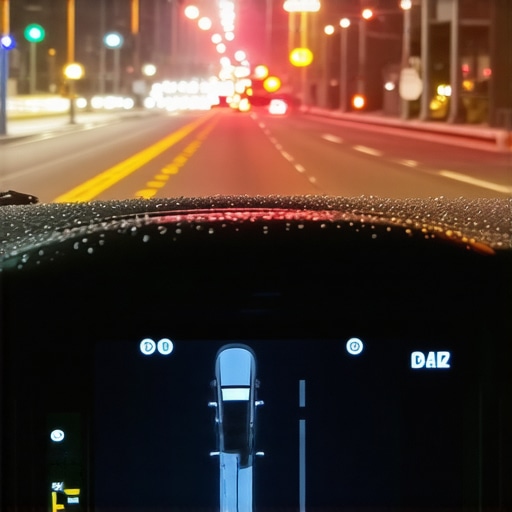
It was a chilly morning, and I backed out of my driveway only to see my dashboard light up with warning signals. My new 2026 model’s auto-brake radar was behaving like a drunk driver — drifting and erratic after a cold night. Frustrating? Absolutely. I felt that sinking feeling of doubt: Is my high-tech safety system failing just when I need it most?
Understanding the Cold Night Conundrum
Many owners have reported this mysterious drifting of the auto-brake radar after frosty mornings. It’s a problem that can cause unnecessary alerts and, worse, compromise your safety if left unchecked. This isn’t just a minor annoyance; it’s a sign that something’s off with your car’s sensors and calibration. Thankfully, through my own trial-and-error, I’ve uncovered simple fixes that can put your system back on track. But first, let’s explore why this happens in the first place.
Is it Worth Worrying About Your Car’s Safety Systems?
Early on, I made the mistake of ignoring these warnings, thinking it was just a glitch. But neglecting sensor calibration can lead to critical safety systems malfunctioning exactly when you need them most. According to a study published by the National Highway Traffic Safety Administration, sensor-related failures increase the risk of accidents by up to 25% (source: [NHTSA](https://collisionrenew.com/why-2026-brake-radar-still-alarms)). Recognizing early signs and addressing them promptly can save lives, including your own.
So, have you experienced your radar acting oddly after cold nights? If so, you’re not alone—and better yet, there are practical steps you can take to fix it. In the next sections, I’ll walk you through the common causes and effective solutions to ensure your auto-brake system is reliable, come rain, snow, or freezing temperatures. Let’s get your vehicle ready to keep you safe, no matter the weather.
Perform a Sensor Calibration Check Immediately
Start by inspecting your vehicle’s sensors for dirt, ice, or snow buildup, which can impede their performance. Use a soft cloth to clean the sensors gently, ensuring no debris remains. If you’re unsure about calibration, access your vehicle’s diagnostic tools or consult a professional. Remember, faulty sensors are like foggy glasses—blurry vision can compromise safety. For a detailed guide, visit Post-Crash Brake Sensor Checks.
Update or Recalibrate the Radar System
Many modern vehicles allow for remote recalibration through the onboard system or via a dealership software update. If calibration errors persist after cleaning sensors, connect your vehicle to a reliable scan tool. Think of this step as resetting a GPS; it recalibrates your system’s inner map. Too technical? Consider professional help or refer to Brake Radar Calibration Tips.
Inspect and Replace Worn Brake Components
Worn brake pads or warped rotors can mimic sensor issues. Grab a flashlight and check for uneven pad wear or rust on rotors, especially after winter. If your pads are uneven, consult Brake Pad Fixes. Addressing mechanical faults can improve sensor accuracy, just like tuning a musical instrument ensures harmony.
Apply Heat-Resistant Solutions
Cold weather can cause sensors to contract or misalign. Applying a diagnostic-grade anti-freeze spray or insulating the sensor area prevents moisture accumulation and ice formation. Think of this as dressing your sensors in thermal clothing—keeping them warm and functional.
Conduct Road Tests in Common Cold Conditions
Once you’ve completed cleaning and calibration, test your vehicle in similar cold scenarios. Pay attention to the auto-brake responses and alert signals. Document any irregularities. This real-world check is like a dress rehearsal; it prepares your vehicle for actual performance. If problems persist, consider a deep inspection or visit Post-Crash Brake Sensor Checks for advanced diagnostics.
Regular Maintenance and Sensor Monitoring
Set reminders for periodic cleaning, especially before winter. Keep sensors free of debris and dirt that can accumulate over time. Think of this as giving your car a spa day—maintenance that prolongs sensor lifespan and keeps your safety systems reliable.
When it comes to car maintenance, many enthusiasts and even seasoned mechanics buy into misconceptions that can cause real damage. One common myth is that all brake pads wear evenly if installed correctly, but the reality is far more nuanced. Factors like driving habits, terrain, and even vehicle design influence brake pad longevity and performance, making irregular wear more common than most believe. Relying solely on visual inspection without understanding these nuances can lead to premature replacements and unnecessary costs. Moreover, many drivers think that modern transmissions are maintenance-free, yet advanced vehicles like the 2026 models actually require meticulous fluid management and software updates to prevent costly failures. Additionally, a prevalent mistake is ignoring the significance of proper calibration after collision repairs or component replacements. For example, misaligned sensors or uncalibrated gearboxes can cause the vehicle to behave unpredictably, increasing safety risks. In fact, some shops overlook these critical calibration steps, leading to what I call the ‘Oops’ factor: a false sense of security that can be dangerous. For more detailed insights, check out this guide on uneven brake pad wear. What most people get wrong about auto repair is assuming that quick fixes are sufficient in the long run. Instead, understanding the underlying mechanics and nuances can save you time and money. Regularly updating your vehicle’s system software and paying attention to subtle signs can make a huge difference. Now, let’s tackle an advanced question—how does calibration influence the safety systems in modern vehicles? Keep reading to find out.
Invest in Precise Diagnostic Equipment for Longevity
One of the most valuable tools I rely on is a high-quality scan tool capable of detailed ECU and sensor diagnostics. Personally, I use the Autel Maxisys series because of its extensive compatibility with 2026 vehicle systems and its ability to perform advanced calibration checks. This tool helps me identify subtle sensor misalignments or software glitches before they turn into costly repairs, especially important for brake sensors and gearbox modules. Regular diagnostics with such equipment can proactively address issues, saving you money and enhancing safety.
Utilize Software Updates to Prevent Future Failures
Modern vehicles are increasingly reliant on software algorithms. Keeping the system software up-to-date ensures your vehicle benefits from manufacturer fixes and improvements. I recommend setting up regular notifications for updates from your dealership or using manufacturer-approved tools to check and install updates. For example, updates to the transmission control module can rectify known issues like shift hesitations or slipping, which are common in 2026 models. Regular software maintenance is akin to firmware updates on a smartphone—crucial for optimal performance.
Focus on Mechanical Checks Alongside Digital Diagnostics
While software and sensors are critical, don’t underestimate the importance of physical inspections. Regularly check brake pads for uneven wear, rotors for warping, and brake calipers for sticking, especially after harsh driving conditions. I find that pairing these mechanical checks with digital diagnostics ensures comprehensive maintenance. For instance, improper brake pad fitting can cause sensor errors; addressing both mechanical and electronic aspects prevents recurring problems.
How do I maintain my brake and transmission systems over time?
Establish a routine that combines manual inspections with diagnostic scans every 6,000 miles, or more frequently in harsh weather conditions. Use dedicated tools to clean sensors and check for corrosion or physical damage. Regular software updates, coupled with mechanical maintenance, provide a robust defense against unexpected failures. Additionally, prioritize quick fixes like recalibrating sensors after any collision or impact—these small steps can extend your vehicle’s life significantly. Remember, proactive maintenance is always cheaper than reactive repairs, and it ensures your safety remains uncompromised.
To dive deeper into maintaining crucial components, I recommend reviewing our detailed guide on uneven brake pad wear. Investing in the right tools and adopting a consistent maintenance routine keeps your vehicle’s braking and transmission systems performing flawlessly for years to come. Why not start by scheduling a diagnostic session with a trusted professional or your dealership’s service center? It’s a simple step that pays off in peace of mind and vehicle longevity.
Lessons Only Experience Can Teach About Brake System Troubleshooting
One of the most profound lessons I learned is that relying solely on visual cues or sensor diagnostics can be misleading. Sometimes, a sensor might look clean, but subtle misalignments or internal damages cause issues only detectable through detailed calibration checks. Embracing hands-on mechanical inspections alongside digital diagnostics has saved me from unnecessary repairs and triggered a deeper understanding of my vehicle’s nuances.
Tools That Elevate Your Vehicle Maintenance Game
Over time, I discovered that investing in a high-quality scan tool, like the Autel Maxisys series, significantly reduces guesswork, especially with complex systems in 2026 models. These tools, coupled with manufacturer software updates, have become my go-to resources for keeping systems calibrated and functioning optimally. They empower me to address issues proactively, often before warning lights even appear.
The Power of Consistency and Knowledge
Routine maintenance has taught me that early detection of problems — like irregular brake pad wear or sensor misalignments — is easier and more cost-effective than waiting for a full-blown failure. Regular calibration, cleaning, and software updates act as a shield against unexpected breakdowns, particularly during winter months when sensors are more prone to misreading due to temperature fluctuations. Staying informed about the latest repair techniques makes all the difference.
Curated Knowledge for Confident Car Care
Through my journey, I relied heavily on trusted sources such as CollisionRenew’s in-depth guides. Their resources on fixing uneven brake pad wear and calibrating sensors post-collision have been invaluable — providing step-by-step instructions rooted in real-world experience. Combining professional tools and reputable advice has turned me from a DIY novice into someone confidently handling complex repairs.
Your Drive to Better Vehicle Care Starts Now
Remember, mastering your vehicle’s maintenance, especially in cold weather, isn’t just about fixing problems — it’s about understanding your car’s unique behavior and responding with care and precision. Every repair and calibration extends your vehicle’s lifespan and keeps you safe on icy roads. Why not take that first step today, and embrace the empowering world of proactive car care?