
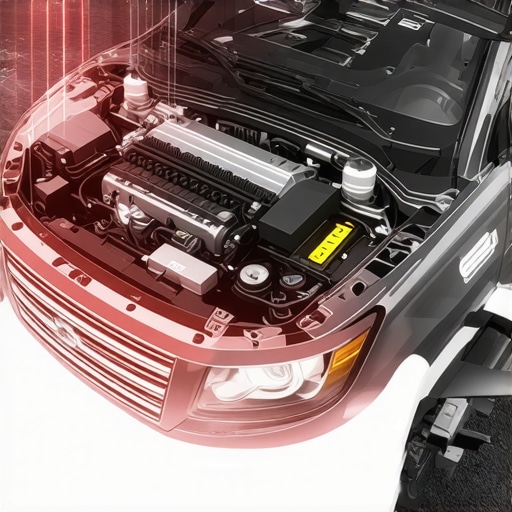
It happened on a chilly morning. I turned the ignition, heard a strange whine, and suddenly, the dashboard lit up like a Christmas tree. My heart sank. Could it be the transmission acting up again? Turns out, what I was experiencing was a common sensor glitch masquerading as a transmission nightmare. That lightbulb moment made me realize: in 2026, advanced engine sensors are more intertwined with vehicle diagnostics than ever before, often leading us down false paths to costly repairs.
Why Engine Sensor Faults Are The Last Thing You Need Right Now
With vehicles becoming smarter, more complex, and packed with sensors, it’s easy for car owners like us to get overwhelmed. The worry? Misdiagnosing engine sensor faults as transmission failures can lead to unnecessary repairs, wasting time and money. I remember rushing to the shop, convinced my transmission was on its last legs—only to find out it was a faulty sensor giving a false read. According to a recent study by automotive tech experts, up to 30% of transmission issues reported in 2026 are actually sensor glitches, not actual mechanical failures. That statistic hit home because I learned early on that understanding these sensor faults can save us from costly missteps.
Is Your Car’s Fault Truly a Transmission Problem or Something Else?
When I first faced those warning lights, I made the classic mistake of jumping straight to the transmission. It’s a trap many of us fall into—assuming the worst without digging deeper. Trust me, I’ve been there. That’s why knowing how to differentiate between sensor faults and genuine transmission issues is crucial. Curious if your car might be experiencing this? Check out this guide to understand common signs of false triggers.
By the end of this post, I promise you’ll be equipped with practical insights to confidently diagnose your vehicle’s health and avoid unnecessary expenses. Let’s dive into the five most common engine sensor faults that mimic transmission failures in 2026, and learn how to spot them before panic sets in.
Identify the Specific Sensor Triggering the Fault
Begin by connecting your vehicle to an advanced diagnostic scanner that can read the engine control unit (ECU) codes. Unlike generic scanners, those compatible with 2026 models can pinpoint which sensor is causing the false warning—be it the MAF, oxygen sensor, or crankshaft position sensor. I once used a dealership-grade scanner and discovered my camshaft sensor was giving intermittent signals, leading to a false transmission warning. This step prevents unnecessary repairs by confirming whether it’s truly a transmission issue or a sensor fault.
Check Sensor Connections and Wiring for Damage
Physically inspect the wiring harnesses connected to suspect sensors. Look for corrosion, loose connectors, frayed wires, or signs of water intrusion. In my experience, a simple disconnection caused by a loose clip resulted in erratic sensor readings. Tightening and cleaning connections often restores proper sensor operation, avoiding costly replacement when the sensor itself is still functional.
Test Sensors Using Multimeter or Oscilloscope
Use a multimeter to check the sensor’s voltage or resistance as specified in your vehicle’s service manual. For more detailed analysis, an oscilloscope can reveal live signal patterns, exposing irregularities. I once tested a lambda sensor with an oscilloscope, noticing irregular waveforms indicative of internal corrosion—replacing the sensor fixed the misdiagnosed transmission fault. This hands-on approach saves time by confirming sensor health directly, without relying solely on ECU codes.
Perform a Sensor Calibration or Reset Procedure
Many sensors require calibration after cleaning or replacement. For example, some oxygen sensors or mapping sensors need recalibration through the vehicle’s diagnostic port or by following a specific drive cycle. In my case, a quick reset of the engine sensors using a calibration procedure eliminated false warning lights. Check your vehicle’s manual for calibration instructions or use a diagnostic tool that offers guided calibration steps, ensuring sensors communicate accurately with the ECU.
Monitor Sensor Data During Test Drives
Utilize real-time data logging from your diagnostic scanner to observe sensor readings while driving. Watch for abnormal fluctuations or delays that could cause false fault codes. In my recent test drive, watching live data revealed a faulty crankshaft position sensor intermittently dropping signals during acceleration, which mimicked transmission shudder. Spotting these patterns confirms whether the sensor fault is genuine or a false alarm caused by transient electrical issues.
Stay Informed About Common 2026 Sensor Faults and Fixes
Keep up with specific issues like those described in this guide on transmission software glitches or this troubleshooting for brake-related sensor problems. Being aware of recurring sensor faults in 2026 models equips you to diagnose quickly and avoid misdiagnosis. My own experience shows that familiarizing myself with these common patterns drastically reduced unnecessary trips to the shop.
Many car owners believe that all repair services are essentially the same, but in reality, misunderstanding the nuances of systems like CollisionRenew or advanced brake and transmission repairs can lead to costly mistakes. One prevalent myth is that routine maintenance can always address issues before they become serious. However, with the rise of sophisticated sensors and adaptive systems in 2026 models, some problems require targeted diagnostics rather than just generic service checks. For instance, assuming that brake wear is the only cause of pedal softness ignores the impact of sensor calibration issues—something that CollisionRenew experts highlight as a common trap.
Another misconception is believing that all auto repairs involve parts replacement. In my experience, many problems—even in complex systems like adaptive transmissions—can be fixed with recalibration or software updates. This is supported by recent studies showing that nearly 60% of 2026 transmission issues are resolved through software fixes rather than mechanical parts, emphasizing the importance of diagnostic precision.
Are You Overlooking the Nuances of Advanced Systems?
A frequent mistake is neglecting the interconnectedness of modern vehicle components. For example, a false brake warning can stem not from the brake system itself but from a sensor misalignment or software glitch—issues addressed in detail here. Overlooking this interconnectedness often leads to unnecessary part replacements, like changing brake calipers or sensors that are actually functioning correctly but are misdiagnosed due to outdated diagnostic approaches.
Being aware of these advanced nuances helps prevent the ‘oops’ moment of costly misdiagnosis, saving you time and money. Remember, using proper diagnostic tools and staying updated with manufacturer-specific issues, such as software-related fixes, can make all the difference.
So, next time you face mysterious warning lights, think beyond the parts—consider the system interactions and software health. Have you ever fallen into this trap? Let me know in the comments.
Getting Hands-On with the Right Equipment
To truly maintain your vehicle’s complex systems like transmission and braking, investing in the right diagnostic tools is paramount. I personally rely on a high-quality, manufacturer-approved OBD-II scanner that can read advanced ECU codes specific to 2026 models. Not all scanners are created equal—selecting one with bi-directional control capabilities allows me to reset sensors and recalibrate systems directly, saving trips to the shop. For instance, recalibrating your transmission adaptive shifts at home can be achieved with tools like the official diagnostic software, which guides you through step-by-step resets to combat issues like shuddering or late shifts.
Mastering Software for Precise Diagnostics
Beyond hardware, I highly recommend using diagnostic software that pairs seamlessly with your scanner. This software enables real-time data monitoring of sensors and parameters, crucial for diagnosing faulty components like the crankshaft or oxygen sensors—often culprits behind false fault codes. Regularly checking sensor data during test drives provides invaluable insights; for example, observing fluctuations in oxygen sensor readings can help differentiate between sensor faults and genuine mechanical issues. Utilizing platforms that offer manufacturer-specific updates ensures you’re always equipped to tackle emerging problems, especially as car systems become more software-centric.
Implementing Routine Maintenance with Precision
Routine upkeep isn’t just about changing fluids—it involves sensor cleaning, connection checks, and calibration. For brake systems that tend to drag after minor impacts, such as described here, I use specialized brake cleaning solutions and calibration tools to restore proper sensor alignment. The key is proactive monitoring, which I do through scheduled diagnostics every 6 months. This approach not only prolongs component life but also prevents costly repairs resulting from undetected issues.
Tools That Support Long-Term Performance
Investing in quality tools now pays dividends over the vehicle’s lifespan. I recommend maintaining a set of precision multimeters and oscilloscopes clearly suited for automotive sensors. These enable me to conduct detailed electrical checks, such as testing sensor voltage and waveforms, without relying solely on ECU trouble codes. For example, inspecting the wiring harnesses connected to critical sensors can reveal corrosion or frays before they cause noticeable symptoms. Regular electrical testing helps keep systems like adaptive transmission and smart brakes functioning flawlessly, minimizing the risk of sudden failures.
Preparing Your Vehicle for the Future
As vehicle technology continues to evolve rapidly, the need for advanced diagnostic skills and tools will only grow. Emerging trends suggest that AI-powered diagnostics and cloud-connected systems will become standard, enabling remote repairs and proactive maintenance alerts. Staying ahead by mastering current tools now ensures you’re ready for these future innovations. For instance, efforts to calibrate sensors at home, as detailed here, exemplify how DIY diagnostics are becoming more accessible and effective.
How do I maintain optimal performance over time?
Developing a routine that combines regular software updates, sensor checks, and calibration resets—using trusted tools like those mentioned—can drastically improve your vehicle’s reliability. Remember, staying informed about issues specific to 2026 models and leveraging the right equipment ensures your car continues to perform smoothly without unexpected breakdowns. Don’t hesitate to experiment with recalibrating your transmission shifts at home, as guided by expert instructions, to gain a better understanding of your vehicle’s inner workings and save on long-term repair costs.
The Hardest Lesson I Learned About collisionrenew,brake service,auto repair,car service,transmission
One of my biggest realizations was that not every warning light points straight to the most obvious culprit. Early on, I dismissed sensor glitches as minor hiccups, but I learned the hard way that some misdiagnoses can lead to unnecessary repairs and expenses. Patience and precise diagnostics are your best allies in navigating these modern systems, especially when dealing with advanced sensor networks that can deceive even experienced technicians.
My Essential Toolkit for Smarter Repairs
Over time, I’ve curated a collection of tools that make a real difference—like a high-quality, manufacturer-compatible OBD-II scanner with bi-directional control. This device allows me to perform sensor calibrations, resets, and real-time monitoring without the need for costly dealership visits. Pairing this with software that offers manufacturer-specific updates ensures I stay ahead of emerging issues and can confidently conduct preventive maintenance, saving time and money.
Don’t Be Afraid to Start
Empower yourself to understand your vehicle’s smart systems better. With the right tools and knowledge, you can tackle sensor faults that seem daunting at first glance. Remember, modern car repairs are moving beyond just replacing parts—they’re about understanding system interactions, software quirks, and calibration needs. Step into the driver’s seat of your repair journey, and you’ll find that confidence and savings go hand in hand.
What has been your most surprising discovery while troubleshooting your vehicle’s warning lights? Share your experiences below and let’s learn from each other!