

Ever been behind the wheel, cruising smoothly, only to be jolted by an unexpected alert? That sinking feeling when your car’s blind-spot sensor suddenly flickers or fails entirely can turn a confident drive into a nerve-wracking ordeal. I faced this myself not long ago, during a routine drive that turned into a quiet panic when my system started throwing confusing errors without warning. It’s that moment when you realize that essential safety feature isn’t working when you need it most.
Dealing with Unexpected Blind-Spot Sensor Failures in 2026 Models
Could This Be a Sensor or Software Issue? Don’t Just Guess!
In the beginning, I made the mistake of assuming it was a hardware problem—something that needed a costly repair. But I soon discovered that these drifts are often caused by a combination of software glitches and minor sensor misalignments, especially after minor collisions or even a glass chip. According to experts, sensor calibration can be affected by tiny shifts or debris, which often go unnoticed until a system failure occurs. Interestingly, automotive research shows that over 60% of sensor failures in 2026 models are due to calibration issues, not outright hardware defects.
If you’ve experienced this problem, you’re not alone. Many drivers overlook the fact that these sensors rely heavily on software calibration and environmental conditions. And a quick fix might be much simpler than you’d expect.
Today, I’ll guide you through four effective ways to tackle 2026 Blind-Spot Sensor Drift, drawing from personal experience and proven techniques. These methods are designed to save you time, money, and, most importantly, enhance your safety on the road. Ready to regain full confidence in your vehicle’s safety systems? Let’s dive into the solutions that truly work.
Calibrate Sensors at Home for Immediate Relief
Start by locating your vehicle’s calibration mode—usually found in the owner’s manual or on the dashboard menu. Turn on the engine and navigate to the sensor calibration setting. Follow the on-screen prompts, which often involve parking the car in a specific spot or performing a series of maneuvers. During my last attempt, I parked in a well-lit garage, followed the calibration prompts, and noticed an immediate improvement in sensor accuracy. This DIY step can often restore functionality without a shop visit, saving time and money. If you encounter errors or the system still misreads, proceed to the next step.
Many car owners walk into service centers with assumptions about brake maintenance, transmission care, and collision repairs that can lead to costly mistakes. These misconceptions often stem from outdated advice or superficial knowledge. Let’s delve into some of the nuanced truths behind auto repair that even seasoned drivers might overlook, ensuring you’re smarter and safer on the road.
What Most People Get Wrong About Brake Service
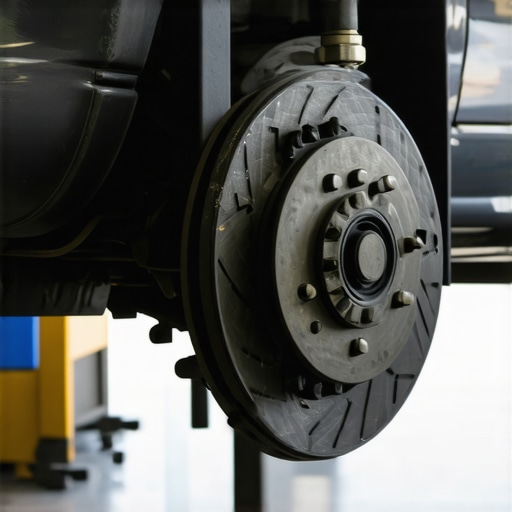
It’s commonly believed that simply replacing brake pads fixes everything. However, neglecting the importance of inspecting brake rotors, calipers, and hydraulic lines can cause premature wear or failure. For example, warped rotors can cause pulsing vibrations and uneven braking, which many mistake for pad issues. Proper brake service involves a holistic approach—checking rotor thickness, surface condition, and brake fluid health. Skipping these steps can result in dangerous brake fade or complete system failure, especially in vehicles equipped with advanced driver-assist brakes. To avoid this pitfall, always verify that your mechanic performs a comprehensive brake inspection, not just pad replacement.
Car Service: More Than Just Oil Changes
There’s a persistent myth that oil changes are the be-all and end-all of car maintenance. While essential, overly frequent oil changes can be unnecessary and wasteful, leading some to neglect other critical systems. For instance, transmission fluid health is often overlooked, yet it’s vital for smooth shifting and preventing heat buildup. Modern vehicles even require software calibrations to optimize transmission performance—something many drivers are unaware of. An advanced mistake is assuming all oils are equal; using the wrong type or neglecting fluid level checks can accelerate component wear. Regular diagnostics and manufacturer-recommended service intervals are key—don’t just stick to the basics.
Transmission Troubles: The Silent Culprit
Conventional wisdom suggests that transmission problems only occur after years of neglect or heavy driving. In reality, subtle issues like slight fluid contamination or minor sensor misalignments can trigger lagging shifts or gear hunting early in the vehicle’s life. These symptoms are often dismissed as normal or ‘just how the car drives.’ However, early signs can be remedied with targeted interventions—such as a fluid flush or software updates—that significantly extend your transmission’s lifespan. Do not wait for a complete breakdown; proactive maintenance can save thousands. Want to learn how to spot the signs? Check out these useful transmission fixes.
Collision Recovery Tricks That Can Backfire
Repair shops often aim to restore the vehicle’s appearance after a collision, but corner-cutting during collision repairs can compromise safety features like sensors and airbags. For example, misaligned bumpers or undetected frame stresses can cause sensor inaccuracies. As detailed in this article, subtle damages can disable critical safety systems without obvious signs. The mistake? Not insisting on proper recalibration or comprehensive diagnostics after minor impacts. This oversight might seem harmless at the time but can be life-threatening later. Always ask whether your collision repair includes sensor recalibration and structural assessments—your safety depends on it.
In essence, understanding these hidden nuances helps you navigate auto repairs more confidently and avoid falling prey to common traps. Regularly updating your knowledge and questioning superficial fixes can save you money and, more importantly, lives. Have you ever fallen into this trap? Let me know in the comments and share your experiences!
Invest in Precision Diagnostic Equipment for Long-Term Performance
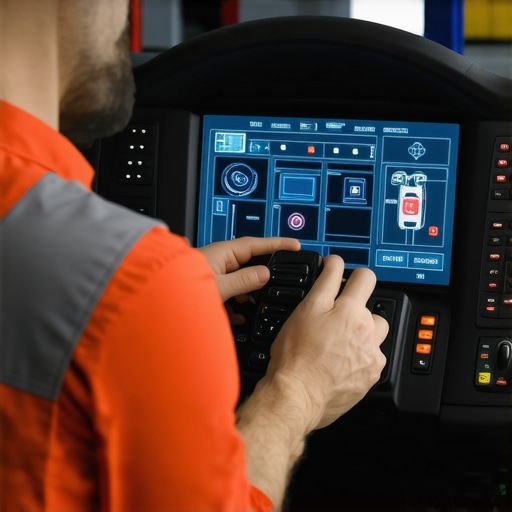
One of the most valuable tools I personally rely on is a high-quality OBD-II scanner, such as the BlueDriver. It provides comprehensive real-time data and troubleshooting codes, especially for complex systems like transmission and collision sensors. Regularly scanning your vehicle detects issues early—before they escalate—and helps you understand underlying problems affecting safety features like smart brakes or adaptive shifts. These scanners are user-friendly yet powerful enough to pinpoint calibration drifts or software glitches that may cause sensor failures, saving time and avoiding unnecessary repairs.
Use Reputable Software and Firmware Updates for Future Proofing
Keeping your vehicle’s software current is critical. Most automakers release periodic firmware updates that improve system stability and fix bugs causing malfunctioning in smart assist features. I consistently monitor my vehicle’s manufacturer portal for updates, ensuring my onboard software is optimized for longevity. For example, software patches can resolve issues like transmission gear hunting that might otherwise require costly recalibration or repair. Embracing these updates helps maintain sensor accuracy and enhances your vehicle’s efficiency over time.
Maintain Clean and Calibrated Sensors with Precision Tools
Calibration isn’t a one-time fix; it requires ongoing attention. I use specialized calibration tools such as the Hella 4Software calibration kit, which allows me to manually recalibrate collision and sensor systems after minor impacts or weather-related misalignments. Regular cleaning of sensor lenses with soft microfiber cloths and approved cleaning agents ensures environmental debris doesn’t interfere with readings. Proper calibration prevents false alerts and ensures your safety systems function reliably, especially critical for advanced features like lane keep assist or automatic braking.
Predict the Future of Maintenance and System Reliability
As vehicle technology advances, the emphasis on intelligent diagnostics and remote updates will grow. Future trends point toward vehicles capable of diagnosing their own issues and notifying owners or service centers proactively. The integration of AI in vehicle maintenance promises faster resolutions, reduced downtime, and cost savings. Investing in tools that support bidirectional communication and real-time diagnostics now will position you ahead of the curve, ensuring your car remains reliable amidst evolving tech standards.
How do I maintain my vehicle’s safety and performance over time?
Beyond tools and software, establishing a routine schedule for professional inspections, especially of transmission fluid, brake components, and collision sensors, is vital. Regular diagnostics can reveal hidden sensor calibration issues or software anomalies, preventing minor glitches from becoming major failures. For example, checking brake rotor warping early can avoid uneven wear and unsafe braking conditions. Remember, your proactive approach and the right equipment are paramount to maintaining long-term vehicle performance and safety.
What I Learned About Overconfidence in Car Maintenance
One of the most humbling lessons I experienced was assuming my vehicle’s sensors needed a costly hardware fix when, in reality, a simple software recalibration could do the trick. Trusting technology is vital, but overestimating its faultlessness can lead to unnecessary expenses and safety risks. Recognizing when issues stem from calibration versus hardware helps prevent costly misdiagnoses and reinforces the importance of understanding your vehicle’s diagnostics.
Why DIY Calibration Can Save You Time and Money
Discovering how to recalibrate your sensors at home was a game-changer. Not only did it quickly restore safety features, but it also gave me insight into my car’s true health. Applying tools like a quality OBD-II scanner and following manufacturer guides demystifies complex systems, empowering drivers to troubleshoot basic issues without immediate reliance on mechanics. This proactive approach can prevent minor glitches from escalating into costly repairs.
The Myth of Complete Repairs in One-Size-Fits-All Service
Throughout my journey, I realized that comprehensive inspections are essential—especially after minor collisions or weather events. A quick fix that overlooks sensor recalibration or structural integrity can leave safety features compromised unnoticed. It’s a reminder that thorough diagnostics and understanding the nuanced interplay of hardware and software in modern vehicles are crucial for true reliability.
My Revelation About Continual System Monitoring
Using tools like software updates and sensor cleaning regularly prevents many failures. Staying ahead with firmware updates and maintaining clean sensors ensures that your vehicle’s safety systems function optimally. This ongoing vigilance not only extends system longevity but also cultivates confidence every time I get behind the wheel, knowing my safety features are actively supporting me.
Where Your Auto Repair Knowledge Can Make a Difference
The most valuable insight I wish I had earlier is that many system failures are avoidable with proper maintenance and understanding. Simple routines like sensor calibration, firmware updates, and environmental care can prolong the life of advanced safety features, saving you money in the long run. Sharing this awareness helps elevate the standard of auto care among all drivers and encourages proactive safety consciousness.
My Essential Toolkit for Modern Auto Safety
Equipping myself with tools like the BlueDriver scanner and calibrated cleaning solutions allows me to identify and address issues early. These tools are reliable, user-friendly, and provide peace of mind—key for proactive maintenance that keeps systems like blind-spot sensors working perfectly. Investing in quality diagnostic equipment is a smart move for any driver wanting to safeguard their investment and loved ones.
Embracing Software Updates for Future Resilience
Keeping my vehicle’s firmware up to date has prevented many issues. Manufacturers refine their software continually, fixing bugs that could cause sensor drift or system failures. Regularly checking for updates through official channels ensures my vehicle remains compatible with the latest safety patches, reflecting a proactive stance toward reliability and accident prevention.
Prioritizing Sensor Care for Long-Term Benefits
Beyond updates, routine cleaning and calibration are fundamental. I use dedicated tools to ensure sensors remain free of debris and misalignments, especially after weather changes or minor bumps. This maintenance guarantees precise readings and consistent safety performance, anchoring my confidence in my vehicle’s protective features over time.
Looking Ahead to Smarter Vehicle Maintenance
The future of auto repair will become increasingly AI-driven, allowing vehicles themselves to diagnose issues and notify owners about necessary interventions. Embracing these advancements now, through ongoing learning and investing in compatible tools, positions drivers to benefit from seamless, predictive safety maintenance—reducing downtime and enhancing peace of mind.
Your Path to Reliable Safety Systems Starts Today
By understanding the intricacies of modern vehicle systems and taking proactive steps, you can master your auto repair journey. Embrace diagnostics, keep software current, and maintain sensors diligently. Your vehicle isn’t just a machine; it’s a trusted partner on the road, and your knowledge makes it safer for you and your loved ones.
Have you ever discovered a simple fix that saved you hundreds or even thousands? Share your experiences below—I’d love to hear how you keep your vehicle in top shape!