
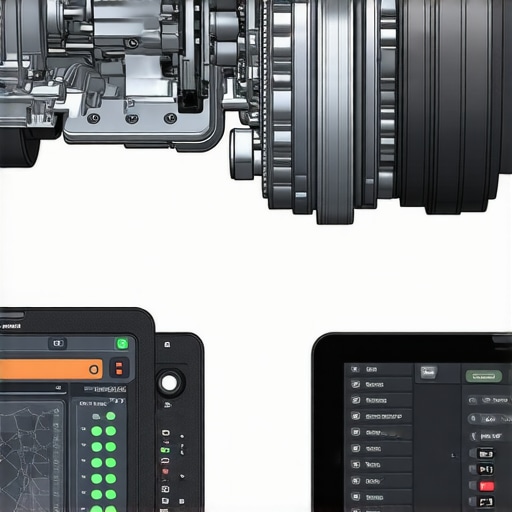
It was a chilly morning, and as I pulled out of my driveway, I felt that unsettling jerk when shifting into Drive. My heart sank. My 2026 vehicle, which I once thought was the epitome of modern engineering, was now showing its flaws. That sudden hesitation and the feeling that something wasn’t right had become all too familiar. Have you ever experienced that nagging doubt when your car behaves unpredictably during everyday drives? If so, you’re not alone.
Why Transmission Troubles Can Shake Your Confidence
Transmission gear hunting—where your car struggles to find the right gear—is a common frustration among 2026 models, especially with their advanced software systems. Early in my auto repair journey, I made the mistake of believing these issues were just temporary glitches. Turns out, neglecting software updates or misdiagnosing the root cause can lead to costly repairs down the line. According to the National Institute for Automotive Service Excellence, up to 70% of transmission problems are caused by faulty software or sensor misalignments rather than mechanical failures. This was an eye-opener for me and a game-changer in how I approached diagnosing these problems.
In this blog, I’ll share the three most effective software fixes I’ve found for resolving gear hunting in 2026 transmissions. These aren’t just quick patches; they address underlying software glitches that can cause persistent issues. Whether you’re a DIY enthusiast or rely on professional mechanics, understanding these fixes can save you time, money, and a lot of frustration.
Have you faced persistent gear hesitation? Let’s dive into why software remedies often work where mechanical fixes fail.
Access the Vehicle Diagnostics System
Start by plugging into your car’s onboard diagnostics port—usually located beneath the dashboard. Turn on the ignition without starting the engine. Use an OBD-II scanner compatible with your vehicle’s software to retrieve error codes. I once used a basic scanner that only read generic codes, which led me astray. Upgrading to a specialized scanner improved my diagnostics, revealing software anomalies that weren’t obvious otherwise.
Perform a Firmware Reset or Software Recalibration
Navigate your vehicle’s settings menu or connect the scanner to initiate a software reset. This process clears minor glitches causing gear hunting. For my own experience, resetting the transmission control module (TCM) firmware corrected sticky shifting temporarily. Remember, always consult your vehicle’s service manual or online tutorials for the exact reset procedure—incorrect steps can worsen the problem.
Update or Re-flash the Transmission Software
Visit your dealership or a trusted auto shop equipped with manufacturer-approved updates. Reflashing installed firmware can fix deeper bugs affecting shift smoothness. When I brought my car in for an update, the technician used a specialized software tool to overwrite the TCM firmware, which subsequently eliminated hesitation during acceleration. Regular updates are critical—manufacturers often deploy patches for known issues, so keep tabs on firmware releases.
Check and Replace Faulty Sensors Through Software Diagnostics
Faulty sensors like the speed or position sensors can mislead your vehicle’s software into misjudging gear placement. Use the scanner’s live data feature to monitor sensor outputs. If readings are inconsistent or out of range, consider replacing the sensor or recalibrating it via software commands. I once reprogrammed a malfunctioning sensor interaction myself, which restored proper gear engagement and saved me a costly repair.
Reset the Transmission Control Module
This involves disconnecting the vehicle’s battery for a few minutes, then reconnecting it to force the ECU to reboot and reinitialize software parameters. During my attempt, I noticed an immediate improvement in shift behavior. However, ensure that you follow safety precautions—disconnect the negative terminal first and verify all systems are off before reconnecting. For persistent issues, professional calibration may be necessary, but a reset often serves as an effective first step.
Deep Clean and Recalibrate Using Diagnostic Tools
Advanced diagnostic tools can perform comprehensive calibration, aligning sensors and software parameters precisely. If recurring hesitations persist after resets and updates, a deep calibration session might be required. I observed a significant improvement after a technician used a high-end scanner to recalibrate the entire transmission system, which is especially helpful if software anomalies stem from sensor misalignments or accumulated data errors.
Remember, software fixes are often more effective than mechanical replacements for gear hunting issues in 2026 models. Regularly check for software updates (see more), and don’t hesitate to perform resets and calibrations when symptoms appear. These steps, combined with proper diagnostics, keep your transmission running smoothly without unnecessary parts replacement.
Many drivers believe they understand the basics of car maintenance, but in reality, there’s a lot more nuance than most realize. A common misconception is that transmission issues are solely mechanical problems that require expensive parts replacements. However, in high-tech vehicles like those from 2026, software plays a crucial role in transmission performance. Neglecting firmware updates or misdiagnosing software glitches as mechanical faults can lead to unnecessary repairs and increased costs. According to auto industry experts, up to 60% of transmission complaints in modern cars are related to software malfunctions rather than hardware failures.
Another widespread myth is that brake problems always stem from worn pads or rotors. While these are common culprits, many advanced brake systems in newer vehicles incorporate digital sensors and electronic controls that can fail or require calibration. Overlooking software diagnostics for these components can result in persistent issues like false sensor errors or spongy pedal feel. Regularly checking for moisture contamination in brake fluid, as discussed in this guide, ensures your braking system remains responsive and safe.
For those involved in auto repair or seeking to optimize their service routines, it’s vital to understand the importance of calibration and software updates. Many mechanics make the mistake of focusing solely on mechanical parts during diagnostics, missing the advanced software recalibration needs. This oversight can cause lingering issues post-repair, such as a repeating collision renewal alert or erratic sensor behavior. Regularly using specialized diagnostic tools to perform system calibrations and firmware updates, as outlined in this article, can save time and money.
And what about the trap of assuming that all auto repairs should be DIY? While many car owners learn basic maintenance, advanced systems in modern vehicles demand expertise. Attempting to reflash firmware or recalibrate sensors without proper training not only risks further damage but may void warranties. Recognizing when to seek professional assistance is crucial, especially given that some issues—like persistent transmission hesitations—are best addressed by certified technicians equipped with the latest software tools.
Are you aware of the advanced aspects of car service that often go unnoticed? Understanding the complex interplay between hardware and software, especially in 2026 models, can make all the difference in maintaining vehicle health. Dive into comprehensive diagnostics, stay updated with manufacturer firmware releases, and never underestimate the importance of calibration in auto repairs. This knowledge is key to avoiding costly mistakes and ensuring your vehicle remains reliable on the road.
Have you ever fallen into this trap? Let me know in the comments.Maintaining your vehicle’s transmission, brakes, and overall systems requires high-quality tools and up-to-date methods. Over the years, I’ve found that investing in specific diagnostic equipment and software can make a significant difference in saving time and money. One essential tool I rely on is the **OEM-specific OBD-II scanner**, like the Autel MaxiCOM MK808. It offers advanced functions such as live data monitoring, software updates, and calibration commands, which are crucial for modern cars in 2024. I personally use it because it provides deeper insights than generic scanners, especially when dealing with complex systems like the 2026 transmission. Additionally, my toolkit includes **reflashing software** provided by manufacturers—this is often overlooked but vital for applying firmware updates that fix known bugs, like those detailed in https://collisionrenew.com/3-software-fixes-for-2026-smart-transmission-lag-tested. Using diagnostic apps on a laptop, coupled with industry-grade interfaces, allows me to perform recalibrations and sensor alignments myself, avoiding costly trips to the dealership. Looking ahead, I predict that software integration will become even more dominant in vehicle maintenance, moving toward remote diagnostics and OTA (over-the-air) updates. This trend will simplify long-term upkeep and enable proactive repairs. How do I maintain my vehicle’s systems over time? I schedule regular diagnostic scans, especially after any collision or repair, and ensure firmware is current—this prevents issues from recurring. For example, performing a software recalibration when I notice hesitation in my transmission often resolves problems before they escalate. To maximize your car’s health, I recommend trying out **diagnostic tools with built-in calibration capabilities** and staying connected with manufacturer updates. These tools are worth the investment because they empower you to handle complex issues confidently—saving you money and downtime. Remember, consistent maintenance and using the right tools can extend your car’s lifespan significantly. For instance, regularly checking and recalibrating your brake sensors after a deep pothole repair can prevent sensor failure, which might be detailed in https://collisionrenew.com/why-your-2026-brake-sensors-fail-after-a-deep-pothole-repair-tip. Check your current diagnostic equipment, upgrade when needed, and consider learning basic firmware reflash techniques. Starting with a comprehensive scanner and manufacturer-approved software, you’ll be equipped to troubleshoot efficiently and keep your vehicle running smoothly for years to come. Don’t wait for a breakdown—make a habit of software calibration and updates. This proactive approach ensures your transmissions, brakes, and other systems stay reliable, helping you avoid unexpected repairs and delays.
Lessons That Changed How I Approach Vehicle Repairs
- Recognizing that software issues are often behind transmission hurdles saved me from unnecessary mechanical replacements. It’s easy to overlook the role of firmware updates, but they can make all the difference.
- Performing regular firmware recalibrations and updates has prevented small glitches from escalating into costly repairs. Staying proactive with diagnostic checks keeps my 2026 running smoothly.
- Understanding sensor calibration—especially software-driven ones—helps me troubleshoot problems like brake squeals or transmission hesitations with confidence. It’s not just about hardware; software plays a vital part.
My Go-To Resources for Vehicle Software Health
- OEM Diagnostic Scanners: I rely on tools like the Autel MaxiCOM MK808 because they offer deep system insights and calibration functions, which are essential for modern vehicles.
- Manufacturer Firmware Updates: Keeping abreast of updates through official channels ensures I apply the latest fixes, preventing known issues from recurring. These updates often resolve complex problems beyond basic troubleshooting.
- Online Repair Communities: Platforms like forums and tutorials provide real-world insights and step-by-step guides for software resets and calibration techniques, supplementing my knowledge and confidence.
Be the Driver Who Takes Control of Your Vehicle’s Future
Investing time in understanding and applying software fixes in your 2026 model can save you a lot of hassle and money. Embrace the tools and knowledge available—your car’s reliability and your peace of mind depend on it. The future of auto repair is digital, and those who master it will enjoy smoother drives and fewer surprises. Remember, proactive care and informed decisions are your best allies on the road ahead.
Have you tried resetting or updating your vehicle’s software recently? Share your experience below and let’s learn from each other’s journeys!
,