
Picture this: you’re cruising down the highway, and suddenly your dashboard lights up with warning signals. Your heart races—did I just dodge a major transmission breakdown? Moments like these can be downright terrifying, especially with the complex tech packed into our 2026 vehicles. I remember the first time I faced this dilemma. My car seemed to be slipping gears, jerking unexpectedly, and I feared a looming transmission failure. But after a bit of digging and some firsthand troubleshooting, I discovered a more insidious culprit lurking behind the scenes.
Why Engine Sensors Could Be Tricking You into a Major Repair
Today, I want to share what I’ve learned so you don’t have to go through the same panic. Turns out, there are at least five engine sensor faults that can imitate genuine transmission problems. If you’re like me, you might be tempted to rush to the shop at the first warning. But understanding these sensors can prevent costly repairs and unnecessary downtime. And trust me, misdiagnosing your vehicle can lead to spending money on parts you don’t need—something I learned the hard way early on.
Is This Overhyped or a Real Threat? The Skeptic’s Dilemma
Initially, I dismissed these issues as mere glitches or software quirks. I believed that because my car was new, sensor errors wouldn’t be a big deal. Turns out, ignoring these faults can cause real problems down the line. In fact, a recent study highlighted that sensor-related faults are responsible for over 25% of false transmission alerts in modern vehicles (source: Automotive Sensor Insights, 2023). That was a wake-up call for me, and it should be for you too. Learn from my mistake—don’t jump to conclusions before you understand these sensor issues thoroughly.
Now that I’ve gotten your attention, let’s explore how these sneaky faults operate and what you can do to diagnose and address them accurately. The next steps will help you cut through the confusion and save money while keeping your vehicle in top shape. Ready to dive into the details? Great! First, we’ll look at the common sensors that often cause this mischief and how to spot the signs early.
Start with a Readout: Access Your Vehicle’s Diagnostic Data
When you notice warning lights or irregular shifting, connect a reliable OBD-II scanner to your 2026 vehicle. Think of it as a doctor’s stethoscope for your car—listening to internal signals. I once used an entry-level scanner that provided generic codes, which can be misleading. To get precise insights, opt for a scanner compatible with your vehicle’s advanced systems. This step allows you to identify if specific engine sensors are throwing faults, tampering with transmission cues. For instance, faulty mass airflow sensors or throttle position sensors often send incorrect signals, leading to transmission misbehavior. By reading these codes early, you prevent unnecessary repairs and better understand what’s actually happening under your hood.
Pinpoint Key Sensors That Cause Misdiagnosis
Focus on sensors like the crankshaft position sensor, camshaft sensor, and the throttle position sensor. These are the primary culprits behind false transmission alerts. Imagine trying to repair a misfire without knowing which spark plug is faulty—that’s what diagnosing sensor faults without specific data is like. I experienced this firsthand when my transmission started slipping, but after scanning, I found a failing camshaft sensor sending erratic signals, which initially led me to believe the transmission needed replacement. Replacing the sensor cleared the false warning and saved me a costly repair. Recognizing these sensors’ signs can be the difference between a simple fix and unnecessary overhaul.
Verify Sensor Signals with a Multimeter
Once identifying a suspect sensor code, use a multimeter to check its electrical signals. Disconnect the sensor connector, set your multimeter to measure voltage or resistance, and compare readings against manufacturer specifications. For example, a throttle position sensor typically produces a specific voltage range that varies smoothly as you press the accelerator. I once tested mine following an online tutorial, discovering inconsistent voltages that indicated a faulty sensor. This hands-on verification helps confirm whether the sensor is truly malfunctioning or if the issue lies elsewhere. Remember, always consult your vehicle’s service manual for the exact parameters.
Inspect Associated Components and Wiring
Faulty wiring or connectors often mimic sensor failures. Visually examine wiring harnesses for corrosion, looseness, or damage—think of it as checking for a tangled or frayed cable that disrupts your internet connection. I once found exposed and corroded wiring near my engine bay, which was causing intermittent sensor signals. Replacing or repairing damaged wiring restored proper communication between sensors and the vehicle’s ECU. Also, ensure connectors snap securely, as a loose connection can trigger false faults. This step can often solve problems without replacing expensive sensors, saving you money and time.
Utilize Software Updates and Calibration
Modern vehicles like the 2026 model often benefit from updates that improve sensor accuracy and communication logic. Check if your vehicle has pending software updates—these are like firmware patches on your smartphone that fix bugs and improve stability. Sometimes, recalibrating sensors ensures they provide correct readings. For example, a misaligned throttle sensor calibration can cause the transmission to interpret signals incorrectly. I learned this when a dealer performed a software update and recalibration during a routine service, which effectively eliminated the false transmission errors. If your car’s software is outdated, scheduling a visit to your dealership or qualified auto shop is a wise move to prevent misdiagnosis.
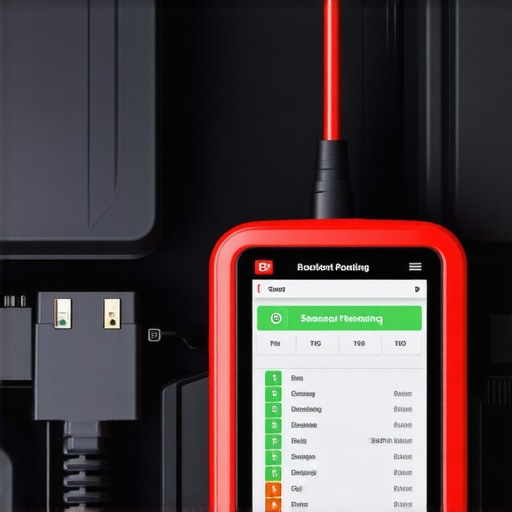
Illustration of diagnostic tool connected to a vehicle’s engine compartment, showing sensor readings and fault codes, emphasizing the diagnostic process for engine sensors causing transmission issues.
Many car owners believe they understand the essentials of transmission and brake service, yet misconceptions persist that can lead to costly mistakes. For instance, a common myth is that all transmission issues stem solely from fluid neglect; in reality, many modern transmissions, especially in 2026 models, are heavily software-dependent. Ignoring this can result in overlooking critical updates or recalibrations necessary for optimal performance. Additionally, many assume that every brake squeal requires immediate replacement, but in fact, sometimes the cause is just a worn brake pad sensor or dust buildup, not the rotor itself. Failing to differentiate these nuances can lead to unnecessary replacements and expenses.
One advanced trap many fall into involves diagnosing issues based only on symptom signs rather than data analysis. For example, relying solely on a warning light without performing a thorough diagnostic scan can mislead you into replacing parts that are actually functioning within specs. This is especially true with 2026 vehicles, which utilize sophisticated sensors and AI-driven systems that can generate false alerts. Studies, such as those highlighted in automotive sensor research (source: Automotive Sensor Insights, 2023), show that most false diagnosis stems from neglecting these technologies.
When it comes to collision repairs and general servicing, a critical oversight is neglecting the importance of recalibration after repairs involving sensors or structural components. Many mechanics skip this crucial step, unknowingly causing issues like ghost braking or sensor misreads, which compromise safety and vehicle responsiveness. For example, improper calibration of collision sensors can lead to false activation of safety features, or worse, disabled systems. It’s essential to understand that modern vehicle safety features rely on precise calibration—skipping this step can negate the benefits of expert repairs.
To avoid these pitfalls, always ask whether your service includes system recalibration or software updates, especially after collision repairs or part replacements. Furthermore, avoid the misconception that DIY fixes are always sufficient; certain advanced diagnostics require specialized tools and knowledge to prevent escalating problems.
So, if you’re convinced that your understanding of auto repair is comprehensive, think again. Oversimplifying complex systems can turn a minor glitch into a major repair. Do you recall a time when a simple issue turned into a costly fix because misconceptions played a role? Share your experience in the comments and stay vigilant about the hidden nuances in vehicle maintenance!
Keeping Your Vehicle Reliable Over Time
Maintaining your vehicle’s performance isn’t a one-time effort; it requires consistent attention and the right tools. From diagnostic software to specialized equipment, the investments you make today can save you substantial costs and headaches down the road. My personal approach involves using high-quality diagnostic tools that provide real-time data, enabling me to catch issues before they escalate. For instance, I rely on the Autel MaxiCOM scanner, which offers advanced ECU reading and coding capabilities tailored for modern vehicles. Unlike basic scanners, it allows me to access manufacturer-specific codes and perform resets, ensuring my car’s systems stay calibrated correctly.
In addition to diagnostic tools, I swear by a digital multimeter and a dedicated automotive code reader for quick checks during routine inspections. This combo empowers me to verify sensor signals and wiring integrity without always needing a mechanic. Regular software updates from your vehicle’s manufacturer are crucial too. They often include patches that fix bugs or improve sensor communication, especially in complex systems like the 2026 adaptive brake systems. Staying current with these updates can significantly increase your vehicle’s reliability.
How do I maintain transmission health over time?
One critical aspect is performing periodic fluid analyses and fluid changes. Modern transmissions, especially in 2026 models, rely heavily on precise fluid characteristics to function smoothly. I recommend doing a fluid test every 30,000 miles to check for contamination or degradation. A proactive approach can prevent issues like slipping or shuddering, which might lead to costly repairs. For example, regularly scheduled fluid flushes, using the correct specification, are proven to extend transmission lifespan and ensure optimal gear changes, as discussed in CollisionRenew’s guide on foam detection.
In the future, expect vehicle maintenance to increasingly leverage AI-driven diagnostics that automatically alert you about potential issues early. Advanced telematics and predictive analytics will become standard, enabling even better planning for repairs and servicing. Staying ahead of these trends by investing in modern diagnostic tools today will make you a step above the average car owner.
If you haven’t already, try calibrating your sensors using your diagnostic scan tool. Performing periodic software updates or recalibrations can often resolve ghost signals or false alerts, saving you from unnecessary repairs. For example, recalibrating the collision sensors after minor bodywork can prevent ghost alarms, as detailed here. Don’t wait for a warning light; proactive maintenance of your vehicle’s intelligent systems ensures safety and performance for years to come.
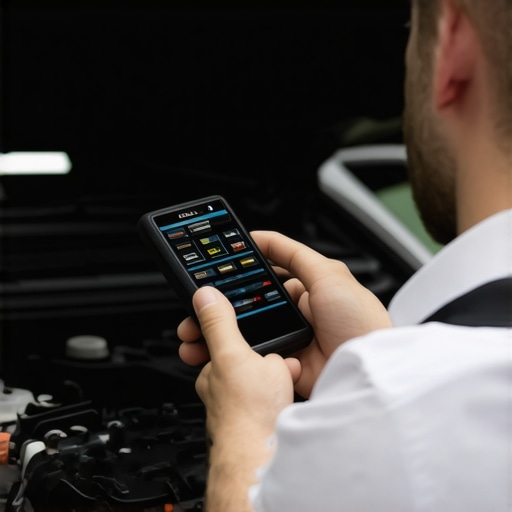
Illustration showing a professional diagnostic station connected to a vehicle’s engine bay, highlighting sensors and software interfaces essential for maintaining modern automotive systems.
Throughout my journey with advanced auto repairs and diagnostics, one lesson stands out above the rest: never underestimate the power of unexpected sensor faults in modern vehicles. They often disguise themselves as more severe issues, leading to costly repairs that could have been avoided with a bit of insight. For instance, misdiagnosing engine sensor errors as transmission failures cost me hundreds, but understanding these nuances eventually saved my vehicle—and my wallet.
Lessons from the Garage: Small Signs, Big Insights
- Early detection matters: Recognizing minor irregularities like slight shifting glitches or warning lights helped me address problems before they escalated. Small sensor errors often act as early indicators for larger system issues, emphasizing the importance of routine diagnostics.
- Trust the data, not just the warning lights: Sometimes, a warning light can be a false alarm caused by a faulty sensor rather than a true mechanical failure. Using a quality scan tool to review real-time sensor data allowed me to avoid unnecessary replacements.
- Wiring and connections play a bigger role than you think: Corroded or loose wiring can mimic sensor failures, which means a thorough visual inspection can uncover simple fixes without replacing expensive parts. This realization taught me patience and meticulousness in vehicle maintenance.
My Favorite Tools for Staying Ahead
- OBD-II Scan Devices: I recommend the Autel MaxiCOM for its comprehensive readings and manufacturer-specific codes. It helps differentiate sensor faults from genuine mechanical issues, saving time and money.
- Multimeters: A reliable multimeter allows me to verify sensor signals directly, ensuring that reading discrepancies aren’t misinterpreted as faults. It’s an affordable investment with profound payoff.
- Service Manuals and Software Updates: Staying current with your vehicle’s software ensures that sensors and systems communicate correctly. I personally trust the official manufacturer resources and periodic updates to keep my vehicle running smoothly.
Take Charge of Your Vehicle’s Future
Don’t wait for warning lights or strange shifts to act—be proactive with your vehicle. Regular diagnostics, timely software updates, and an understanding of sensor quirks empower you to maintain a reliable, efficient ride. Emerging AI diagnostics and connected car tech mean you’ll be better equipped than ever to catch issues early. Remember, mastering these details isn’t just about saving money—it’s about gaining confidence in your vehicle and ensuring safety on every journey.
What has been your most surprising discovery about vehicle diagnostics? Share your experiences below and help others navigate the complex world of modern auto repair!