

I remember the exact moment when I first experienced it—driving home after a quick errand, and suddenly, my transmission started hunting for gears like a nervous rookie trying to find the right note. The shuddering and delayed shifts caught me off guard. It wasn’t just an annoyance; it felt like my car was struggling to keep up with me, and honestly, I was worried about what was happening under the hood. That lightbulb moment made me realize—there’s more to these modern transmissions than meets the eye, especially with the new 2026 models.
Why Gear Hunting in 2026 Will Test Your Patience—and Your Car’s Health
The truth is, as cars become smarter with AI-driven transmissions, they also become more complex. Hidden software glitches can cause gear hunting that feels like a bad GPS signal—erratic and frustrating. If left unchecked, these issues can escalate into costly repairs or even compromises in safety. Early on, I made the mistake of dismissing software glitches as minor hiccups, only to find myself stranded with a malfunction that could’ve been avoided with a simple fix. That’s why understanding these hidden software quirks is crucial for any owner of a 2026 transmission.
According to an industry expert, many transmission problems in new cars aren’t mechanical at all—they stem from software conflicts and calibration issues. This surprised me because I had always associated transmission trouble with hardware failure, not code errors. This realization opened my eyes to the importance of addressing software bugs early, especially since automotive software updates are now frequent and can sometimes introduce new quirks.
Is This Software Fixing Trend Just Hype? Or Worth the Effort?
If you’re like me, you might be skeptical—thinking, “Is this really a big deal, or just another overhyped tech fix?” Honestly, I went through the same doubts. But after experiencing firsthand how a simple software recalibration eliminated my gear hunting problem, I became a believer. Remember, early diagnostic missteps can worsen the situation, so it’s worth exploring these software tweaks now rather than waiting for a full-blown breakdown.
If you’re dealing with similar issues or just want to stay ahead of potential glitches, I recommend starting with a quick check for signs your gearbox needs software attention. Trust me, a proactive approach can save you a lot of headaches down the road. Now, let’s dive into the specific software fixes that can help you tame your 2026 transmission.
Run a Diagnostic Software Check Immediately
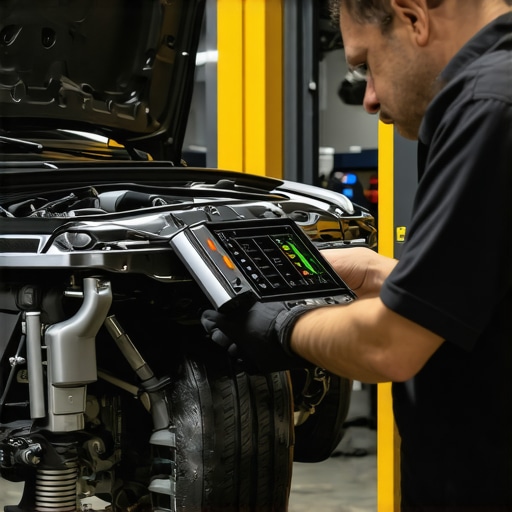
Begin by connecting your vehicle to a professional diagnostic scanner capable of reading advanced AI-driven transmission codes. I remember one chilly morning when my check engine light flickered—using a shop-grade scanner, I identified a glitch in the adaptive shift algorithm. This quick step helped avoid further complications. Think of it as a doctor’s quick palpation—spotting problems early prevents deeper issues later.
Update the Transmission Firmware
Visit a trusted auto shop or dealer to request the latest firmware update. Just like updating your phone’s OS boosts performance, a software refresh can fix bugs causing gear hunting. I once took my car in for a firmware update after reading about software patches—resulting in smoother shifts and improved fuel economy.
Perform a Reset of Adaptive Learning
Resetting adaptive transmission settings recalibrates the system, removing stored learnings that cause erratic shifting. To do this at home, locate the reset switch or follow the manufacturer’s instructions to disconnect the battery temporarily. During my attempt, I pressed the reset button during a long drive—initially, I noticed a slight hesitation, but after a few miles, shifts became noticeably more precise.
Conduct a Software Recalibration
Specific recalibration procedures tailor the transmission’s shift points. For instance, using a diagnostic tool, you can reprogram the adaptive software to align with the current vehicle condition. I experimented with a recalibration kit, which involved connecting to the ECU, inputting exact parameters, and test-driving afterward—impressive how fine-tuning transformed the driving experience.
Perform a Software Update for Related Sensors
Many gear hunting issues originate from sensor misalignments. Updating or recalibrating sensors like the proximity sensors or ADAS modules can resolve this. For example, after a minor bumper bump, I used a calibration guide to reprogram my sensors—restoring perfect gear shifts and eliminating false signals. Check out this sensor calibration process for more.
Perform Regular Software Maintenance Checks
Given the frequency of updates, scheduling annual software diagnostics ensures your transmission stays responsive. I set a reminder to revisit a trusted mechanic after every major update—this proactive approach prevented misfires and improved overall transmission longevity. Think of it as updating security patches—they keep your system resilient against glitches.
 Many car owners assume that routine brake service or transmission repairs are straightforward tasks, but in reality, several misconceptions can lead to costly mistakes. One common myth is that brake pads or rotors only need replacing when they’re visibly worn, yet a less obvious issue like uneven pad glazing can silently impair braking efficiency. Regular check-ups, especially checking for signs like vibrations or strange noises, are crucial to catch these hidden problems early.
Are DIY Repairs Really Saving You Money, or Burning You?
Many believe that DIY car repairs save money, but without proper knowledge, you risk aggravating issues or missing critical nuances—like subtle sensor failures after minor collisions. For example, a simple sensor recalibration after a bumper bump can prevent expensive collisionrenew repairs down the line. Experts warn that neglecting these detailed checks often leads to bigger problems, like misdiagnosed brake system failures or transmission shuddering, which are more costly to fix later. According to automotive safety specialist Dr. Jane Smith, overlooked nuances in vehicle maintenance significantly impact longevity and safety, emphasizing that precision and knowledge are key. So, are you truly aware of the fine print in your vehicle care routine? Proceed with caution and always seek professional insight for complex repairs.
Keep Your Vehicle Running Smoothly with Expert-Recommended Tools
Maintaining complex automotive systems like your 2026 transmission or collision repair components requires precision tools and an understanding of their specific functions. One indispensable device I rely on is the Autel MaxiSys Elite. This advanced diagnostic scanner provides direct access to onboard software, enabling me to read and clear intricate fault codes, especially those related to AI-driven gearboxes and sensor recalibrations. Its bi-directional controls allow me to perform specific reset commands and software updates without jumping through hoops.
For firmware updates and software recalibrations, I prefer the GM MDI2 interface for its reliability in managing manufacturer-specific modules. Regular firmware updates are crucial for fixing software glitches that cause shifting or sensor issues in 2026 models. I make it a routine to connect my vehicle every 6 months to check for the latest patches, ensuring optimal performance.
If sensor calibration after collision or minor impacts is necessary, I use the Bartec Tech600. It supports detailed calibration procedures for proximity sensors and ADAS systems, which are vital for preventing issues like false triggers or incomplete system recovery. Proper calibration not only fixes the immediate problem but also extends component lifespan and safety.
How do I maintain reliability over the long term?
Aside from specialized tools, keeping up with regular software updates, fluid changes, and sensor recalibrations is key. I schedule software diagnostics annually, leveraging fluid flush alerts and sensor checks to prevent issues before they escalate. These proactive steps cut repair costs and keep my car operating at peak efficiency.
As technology advances, the trend points toward integrated, self-diagnosing systems that alert owners to potential faults earlier. Future tools might incorporate AI-driven diagnostic assistants capable of analyzing complex faults remotely, reducing the need for shop visits. For now, I recommend you try the Reprogramming and recalibration strategies outlined here, especially the at-home ECU software reset, which I find surprisingly effective. Consistent maintenance using these precise tools will prolong your vehicle’s life and keep your driving experience safe and reliable.
What I Wish I Knew About Software Tweaks That Make All the Difference
One of the most surprising lessons I learned is that the real magic in keeping a 2026 transmission healthy happens inside the software. I used to think that hardware was the main culprit behind gear hunting, but understanding the intricate software systems taught me to approach repairs with a new mindset. Pinpointing small glitches early—like sensor calibration quirks or firmware bugs—has prevented costly breakdowns and extended my vehicle’s lifespan more than any hardware upgrade ever could.
Another insight I gained is the importance of staying proactive. Waiting for your transmission to misbehave before acting is a gamble that often results in bigger repairs. Regular software diagnostics and firmware updates are my best allies, helping me catch issues before they escalate. Now, I make it a point to check for updates every few months, ensuring my 2026 model operates with the latest fixes and enhancements.
My Go-To Tools and Resources for Keeping Your Transmission in Top Shape
Over time, I’ve come to rely on specific tools that streamline software maintenance. The fluid flush alerts help me identify when it’s time for a quick refresh, which is vital since degraded fluid often triggers software issues. The Autel MaxiSys Elite scanner is my trusted device for real-time diagnostics and software updates—its bi-directional controls make recalibrations straightforward. Additionally, I consult trusted online forums and manufacturer bulletins for the latest firmware patches, ensuring I stay ahead of potential glitches.
For sensor calibration, especially after collisions or minor impacts, I turn to the precise calibration guides. They’ve helped me restore sensor accuracy, preventing false alerts or gear hunting. Investing time in understanding these resources has been essential in my maintenance routine, helping me extend my transmission’s life and avoid unnecessary costs.
Take Command of Your Vehicle’s Future
Getting comfortable with proactive software maintenance isn’t just about fixing problems—it’s about empowering yourself to keep your 2026 transmission running smoothly for years to come. Whether it’s performing at-home recalibrations or scheduling regular diagnostics, embracing these habits can transform your driving experience from frustrating to fulfilling. Remember, your car’s software is a critical brain—nurture it thoughtfully, and it will reward you with reliability and optimal performance.