
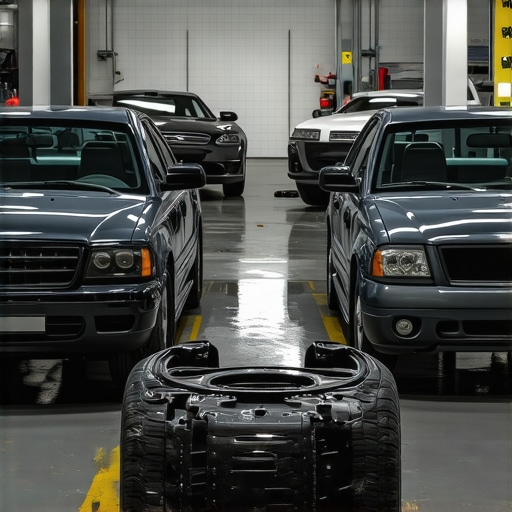
It was a frantic Saturday afternoon when I finally realized my car’s frame wasn’t just a scratched surface but a silent culprit behind my ongoing safety concerns. After a minor collision, I brushed off the damage as superficial, but strange steering issues persisted. That frustrating experience became my wake-up call—one that made me question everything I knew about post-crash repairs. Have you ever faced a similar situation, where what looks minor turns out to be major beneath the surface?
Why Proper Frame Alignment After a Crash Is a Game Changer
From my own mishaps, I learned that neglecting to check the integrity of your vehicle’s frame after an accident can lead to serious safety risks and costly repairs down the line. Imagine driving with a subtly warped frame—it might feel just a little off, but over time, this misalignment can cause uneven tire wear, compromised suspension, and even worse, increased danger during your daily drives. The importance of a comprehensive post-crash inspection cannot be overstated. According to industry experts, even minor collisions can result in hidden structural damage that isn’t evident to the untrained eye but has significant implications for your safety.
Is The Collisionrenew Checklist Really Worth The Hype?
Early in my experience, I made the mistake of trusting visual estimates and skipping professional assessments, which cost me more in the long run. I thought a quick fix would suffice; however, overlooking the possibility of hidden frame issues can be a perilous mistake. Trust me, I learned that a structured checklist from Collisionrenew and expert insights can save you from future headaches. To dive deeper into how to spot frame damage effectively, check out this comprehensive guide. Now, let’s explore how exactly you can ensure your vehicle’s safety after a collision, starting with the most critical post-crash steps.
Assess the Damage Accurately
Start by conducting a thorough visual inspection inside and outside the vehicle. Look for bent frames, misaligned panels, or unusual gaps. Don’t rely solely on what you see; listen for strange noises during drive tests. Remember, a slight misalignment might seem minor but could indicate underlying structural issues that compromise safety. To identify hidden frame damage, consider referencing expert tips for effective detection.
Document Everything
Photograph all visible damages from multiple angles. Keep detailed records of repair estimates and any professional assessments. This documentation will be crucial when dealing with insurance claims or repair shops.
Seek Professional Inspection Immediately
Arrange for a certified auto technician to perform a comprehensive diagnostic. They will evaluate the frame’s integrity, suspension, and transmission alignment, ensuring that no critical component is overlooked. This step prevents future failures; trust me, I learned this from my own costly mistake when I skipped expert assessments.
Check Transmission and Brake Systems
Post-collision, focus on the transmission and brake health. Transmission should shift smoothly without jerks or slips; otherwise, it indicates internal damage needing attention. Brakes must respond promptly; signs like squealing or soft pedals suggest worn or damaged components. Regularly reviewing brake and transmission services ensures your safety on the road.
Plan for Essential Repairs
Based on professional feedback, prioritize repairs for damaged frames, worn-out brakes, or compromised transmission. For detailed repair strategies, explore effective auto repair tactics tailored to post-collision scenarios. Proper repair not only restores safety but can extend your vehicle’s lifespan.
Replace or Repair Damaged Components
Be vigilant about replacing critical parts like control arms, suspension mounts, and brake pads. Use quality parts; inferior replacements could lead to future breakdowns. For brake-specific issues, refer to brake service checklists for guidance.
Recalibrate Safety Systems
Modern vehicles come equipped with sensors and smart systems that require calibration after repairs. Failing to recalibrate can lead to malfunctioning safety features. Use specialized tools or professional calibration services, and consider reviewing calibration procedures for accurate adjustments.
Test Drive with Caution
After repairs, perform slow, cautious test drives to evaluate handling, braking, and transmission response. Listen for irregular noises and observe any vibrations. This practical step helps catch issues before hitting high speeds or busy roads, safeguarding your safety and avoiding costly rework.
Keep Records and Schedule Follow-Ups
Maintain a log of all repairs, inspections, and maintenance routines. Regular follow-up inspections can detect early signs of wear or alignment issues, preventing future accidents. Staying vigilant ensures your vehicle remains safe for the road.
Remember, neglecting post-collision assessments can have serious implications. Invest time and resources into proper evaluation and repair—your safety depends on it. For ongoing tips and strategies, visit top repair advice to keep your car in optimal condition.
Many car owners operate under misconceptions when it comes to collision repair, transmission maintenance, and brake services, often believing they understand the process fully. Let’s dig deeper into some common myths and advanced pitfalls that even seasoned drivers tend to overlook, which can compromise safety and lead to costly repairs.
One widespread misconception is that all collision repair shops provide the same quality service. However, not every facility has the expertise to detect subtle frame misalignments or hidden structural damages, especially after minor accidents. For example, some underestimate the importance of professional frame assessment—a nuanced step critical for long-term safety. Relying solely on visual inspections can be deceptive; advanced diagnostic tools can reveal distortions that might be invisible to the naked eye, ensuring you don’t fall prey to what I call the “invisible damage trap.”
Why do many overlook smart system recalibration after repairs?
Modern vehicles are equipped with sensors and driver-assist features that require precise recalibration following any structural or mechanical repair. A common mistake is assuming that fixing physical damages restores full functionality. However, neglecting calibration can cause misaligned safety systems, leading to issues like ghost braking or sensor malfunctions. According to expert calibration procedures, this step is often overlooked but absolutely essential. Failing to recalibrate makes your safety systems unreliable, defeating the purpose of advanced safety features and risking accidents.
Furthermore, many believe that transmission and brake servicing are straightforward—push the parts, replace what’s worn, and you’re good. Let’s challenge that. Effective auto repair involves understanding the nuanced interplay of components. For transmission, subtle issues like overheating, fluid degradation, or internal wear often go unnoticed without comprehensive diagnostics. Similarly, brake pads might seem fine visually but could be causing uneven wear or soft pedals if not properly tested with specialized equipment, such as in studies highlighted by top-rated brake and transmission services. Overlooking these nuances can lead to premature system failures, increased repair costs, and, most critically, compromised safety.
Another important point is the myth that all repair shops use the same quality parts. Quality shouldn’t be an afterthought. Using inferior components may save money upfront but often results in faster wear, decreased safety, and rework costs. Consult specialized guides or trusted experts to ensure you’re investing in durable parts that align with your vehicle’s specifications.
To sum up, the real complexity in collision renewal and auto repair lies beneath surface appearances. It’s about understanding the subtle signs, recognizing the importance of calibration, and choosing quality components. Don’t fall into the trap of complacency—your safety depends on the details often overlooked. Have you ever fallen into this trap? Let me know in the comments.
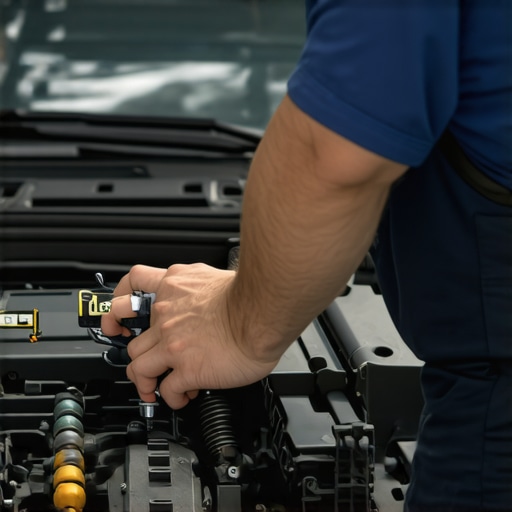
Maintaining your vehicle after repairs isn’t just about the basic oil changes and inspections; it requires a strategic approach utilizing the right tools and methods to ensure long-term performance and safety. One crucial piece of equipment I personally rely on is a digital wheel alignment system. It offers precise measurements that go far beyond the traditional bubble gauges, enabling me to detect subtle misalignments that might cause uneven tire wear or compromised handling. Regular use of such advanced tools helps me catch issues early, saving money and extending the lifespan of components like brakes and transmissions.
Another essential tool I recommend is an OBD-II scanner equipped with unlockable features for in-depth diagnostics. I use a model that not only reads engine codes but also monitors live data streams, allowing me to verify the health of critical systems such as transmission sensors and ABS modules. This real-time insight is invaluable, especially when checking if a recent repair—like a sensor calibration—has been successful, or if ongoing issues require a different approach.
Regarding software, I depend heavily on vehicle-specific diagnostic programs provided by OEM manufacturers. These programs often have the most comprehensive databases for calibration procedures, especially significant for recalibrating smart safety systems after a repair. Staying updated with the latest versions of these tools ensures correct calibration of components like collision sensors, which future trends predict will become increasingly integrated into standard maintenance routines. Experts suggest that as vehicle electronics become more sophisticated, diagnostic tools will evolve to include AI-driven predictive analysis—an exciting development that will revolutionize auto maintenance.
How do I maintain long-term performance of safety and transmission systems
Consistent maintenance and precise calibration are your best bets to preserve your vehicle’s performance over time. For example, regularly checking transmission fluid levels and quality with a dedicated tester can prevent overheating and internal wear. When it comes to brakes, using a combination of digital brake force testers and visual inspections ensures your pads and rotors perform optimally and avoid sudden failures. I’ve found that scheduling semi-annual diagnostics using advanced tools helps detect and rectify issues before they escalate, which is especially vital after collision repairs.
Looking ahead, I believe the integration of AI in diagnostic tools will make preventive maintenance even more effective, predicting failures before symptoms appear. This proactive approach will likely become a standard practice in auto repair shops, emphasizing the importance of investing in good equipment now. I highly recommend trying out a high-precision wheel alignment system and an OBD-II scanner with live data capabilities. These tools, coupled with expert knowledge, form the backbone of a reliable maintenance strategy that keeps your vehicle safe and performing at its best for years to come.
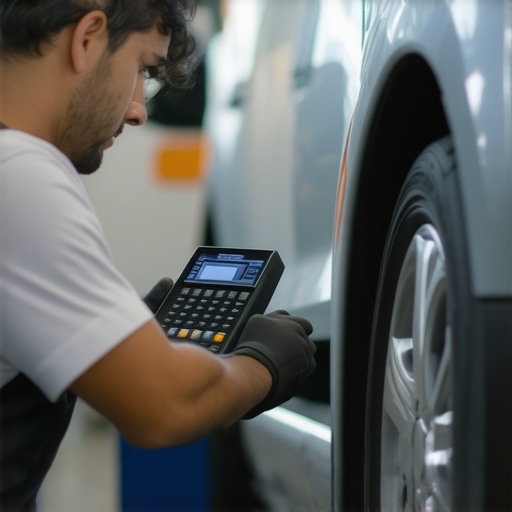
The Cost of Overconfidence in Post-Collision Repairs
One of the biggest lessons I’ve learned is that trusting appearances can be deceiving. I once believed that a quick visual inspection was enough after my minor accident, but the hidden damage lurking beneath the surface proved otherwise. This mistake taught me to prioritize comprehensive assessments and trust expert evaluations over assumptions. Remember, undetected frame misalignments or structural issues can silently jeopardize your safety, making thorough inspections non-negotiable.
Embracing Advanced Tools for Lasting Peace of Mind
Investing in high-precision equipment like digital wheel alignment systems and sophisticated diagnostic scanners transformed how I maintain my vehicle post-repair. These tools reveal subtle issues that might escape the naked eye—ensuring that every component, from the transmission to brakes, functions harmoniously. Trusting technology backed by expert calibration restores confidence in your vehicle’s safety and prolongs its lifespan, turning routine maintenance into a trusted safeguard.
Why Ignoring Recalibration Risks Everything
Modern safety systems depend on precise sensor placement and calibration, yet many overlook this crucial step after repairs. Failing to recalibrate sensors or collision sensors can lead to reckless ghost braking or sensor malfunctions, which subtly reduce your vehicle’s safety features. I’ve learned that adhering to recommended calibration procedures—like those outlined in specialized guides—is essential for ensuring your smart safety systems operate as intended.
The Hidden Dangers of DIY and Cut-Rate Parts
Choosing inferior parts or attempting repairs without proper skills often seems tempting but can be perilous. I experienced firsthand how subpar replacements led to quicker wear and compromised safety. Quality parts designed for your specific vehicle and recommended by trusted professionals are your best defense. Relying on credible sources ensures you avoid the trap of fleeting savings that could cost dearly in the future.
Follow Through for Ongoing Safety
Post-repair checkups and meticulous record-keeping might seem tedious but are vital steps in safeguarding your journey. Regular diagnostics, updating repair records, and scheduling follow-up inspections keep small issues from snowballing into major safety hazards. This proactive mindset helps catch misalignments or system failures early, saving you both money and peace of mind in the long run. Remember, true safety is a continuous commitment, not a one-time fix.
Insider Wisdom for Road Warriors
- Never underestimate the importance of expert evaluation—trust professionals seasoned in detecting hidden damage, as I now do.
- Don’t skip sensor calibration after repairs—your vehicle’s safety features depend on it.
- Invest in quality diagnostic tools—relying on technology can save lives, including yours.
- Keep detailed records and stay vigilant with routine inspections—prevent small issues from becoming disasters.
- Remember, safety isn’t static; it evolves with your effort and attention.
Gear Up for Long-Term Safety
Ready to take your vehicle’s safety to the next level? Equip yourself with trusted tools like a reliable auto diagnostic program or an advanced wheel alignment system. These resources empower you to catch issues early and maintain peak vehicle performance, giving you confidence for every mile ahead. Investing in these tools isn’t just about repairs; it’s about peace of mind on your journey.
Your Turn to Make a Difference
Have you ever overlooked critical post-collision steps that affected your safety? What tools or strategies have made a difference in your vehicle maintenance? Share your experiences below, and let’s learn together how to keep our rides safe and reliable for the roads ahead.