
I’ll never forget the day I backed out of my driveway and heard that unsettling crunch—my heart sank when I saw the dent sprawled across my car’s door. It was one of those moments that make you question everything about your careful driving. For a moment, I felt helpless, thinking repair meant costly shop visits and lengthy waits. But that experience sparked a lightbulb moment: there has to be a better way to fix dents, especially in those tough high-strength steel parts. If you’ve faced a similar mishap, then you know the frustration of trying to restore your vehicle’s appearance without breaking the bank.
Why High-Strength Steel Dents Demand Special Attention
High-strength steels are engineered to be durable and resistant, but their very toughness can make dent repair a tricky business. Unlike regular steel, these components often require precise techniques to avoid further damage or compromising structural integrity. When I first attempted to tackle a dent in my high-strength steel bumper, I quickly learned that not all DIY methods work the same, and some can even worsen the problem. This realization prompted me to dig deeper into the best practices for restoring these resilient parts without throwing away your hard-earned cash.
Is Collision Repair in High-Strength Steel Truly Worth It?
Early in my journey, I made the mistake of rushing into repairs without understanding the material’s nature. I thought a simple paintless dent removal would suffice, but I ended up needing more extensive work that could have been avoided with proper knowledge. The key is understanding the specific properties of high-strength steel and selecting the right tools and techniques—things I wish I had known from the start. Did you know that advanced techniques can preserve the original strength of your components, potentially saving you hundreds compared to full replacements? For more insights, check out CollisionRenew’s guide to collision renewal strategies.
So, if you’re tired of feeling powerless against those pesky dents and want a realistic, affordable approach, stay with me. We’re about to explore effective methods tailored for high-strength steel, ensuring you can fix dents confidently and safely—just like I learned to do after my own rocky start.
,
Preparing Your Workspace and Tools
Clear a spacious area free of debris and ensure good lighting; this makes handling delicate high-strength steel parts easier. Gather a quality dent repair kit that includes a pulling hammer, glue tabs, a heat gun, and protective gloves—think of it as your toolbox for bodywork success. I once tried fixing a dent on my bumper in a cramped garage, which made the process more frustrating; setting up properly saves you time and energy.
Assessing the Damage Accurately
Before any physical work, examine the dent closely—use a mirror to view from different angles, and run your hand around the area to feel for unevenness. This step is like a doctor diagnosing a patient; knowing the exact extent and location of the damage guides your repair approach. I remember discovering a hidden crease in my high-strength steel panel that I initially overlooked, which led me to use specialized tools.
Applying Heat to Loosen the Metal
Use a heat gun to warm the dented area gently, aiming for about 150°F (65°C). Heat relaxes the steel, making it more malleable and easier to reshape—similar to how warming wax makes it easier to mold. Be cautious not to overheat, which can cause paint damage. In my first attempt, I heated unevenly, leaving cold spots that made the dent harder to manipulate. Consistent, gentle heating improves your chances of success.
Using Glue Pulling Method
Selecting the Right Glue Tabs
Choose glue tabs that match the size and shape of the dent—larger for bigger dents, smaller for subtle ones. Apply the glue evenly on the tab’s base, then press firmly onto the center of the dent. This step is crucial—improper adhesion means the tab won’t hold, akin to trying to lift a heavy object with a weak adhesive. I once used the wrong glue, which led me to redo the process, wasting time.
Pulling the Dent
Attach the pulling tool to the glue tab, then steadily pull to lift the panel. Use a controlled, gentle force—think of it as gradually tugging a stubborn drawer open. If the dent resists, apply slight heat again to increase flexibility. I learned this tip after several attempts that either underperformed or caused further deformity; patience and small adjustments are key.
Refining the Shape and Finish
Once the dent is mostly raised, switch to a knocking method with a body hammer and a soft dolly to smooth out irregularities. Gently tap around the area, mimicking the process of tuning a musical instrument—small, precise strikes restore harmony. Finish with fine-grit sanding and polishing to blend the repair seamlessly with the surrounding surface. I once accidentally over-sanded, which required repainting, highlighting the importance of careful finishing.
Final Inspection and Validation
Step back and evaluate the repair from multiple angles, ensuring the surface is smooth and flush. Run your hand over the area; it should feel even, with no sharp edges. If needed, repeat the heating and pulling steps. Remember, patience here saves you from costly replacements down the line. If uncertainties persist, consulting professionals or referencing resources like CollisionRenew’s repair strategies can provide expert guidance.
By following these precise steps, you can tackle high-strength steel dents effectively, preserving your vehicle’s structural integrity while saving money. Practice makes perfect, and over time, your confidence in DIY repairs will grow, just as mine did after multiple successful touch-ups.
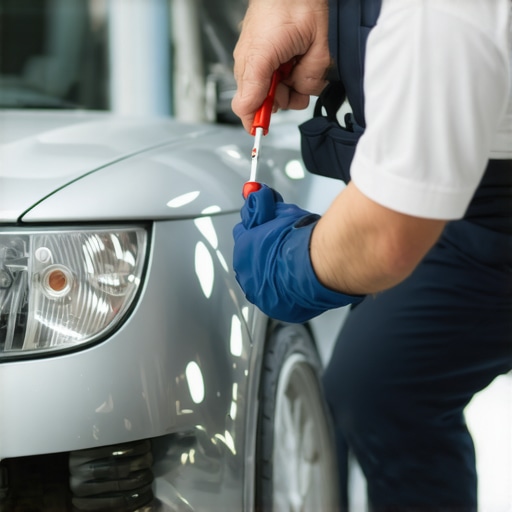
Many car owners operate under misconceptions that can lead to costly mistakes. One widespread fallacy is believing that routine maintenance isn’t essential unless the vehicle shows obvious problems. Contrarily, expert mechanics emphasize that regular check-ups, like essential car service checks, can prevent major failures and extend your vehicle’s lifespan. Skipping these might seem like saving money initially but often results in expensive repairs down the line. Did you know that neglecting small issues like subtle brake squeals can escalate into costly brake replacements? Stay proactive and informed—consult resources such as essential car service checks to keep your vehicle healthy.
Why do many believe replacing parts is always the best fix, even when repairs are possible?
This misconception often stems from the perception that new parts guarantee longevity, overlooking the fact that skilled repair can restore existing components effectively. For instance, transmission repairs, which might be thought of as a total overhaul, can sometimes be handled with targeted fixes, saving significant costs. Rushing to replace rather than repair can be an expensive mistake, especially if the issue is a sensor malfunction or a minor leak. Studies indicate that proper diagnostics and targeted fixing can reduce repair costs by up to 60%, emphasizing the value of expert intervention over quick replacements. To learn more about effective repair strategies, visit auto repair guides.
Another common myth is that all brake services are essentially the same. Many owners opt for the cheapest option or trust oil change shops for brake servicing, unaware that specialized brake service ensures safety and performance. Improper brake maintenance can lead to uneven wear, spongy pedals, or complete failure. For example, a brake fluid flush done correctly can prevent dangerous pedal softness and squealing sounds, which are signs of degraded brake fluid—something all vehicle owners should watch for. For the best outcomes, consult reputable sources or professionals aware of latest brake service practices.
Are advanced repair mistakes more common than you think?
Absolutely. Many car owners or even technicians sometimes overlook nuances, such as the importance of proper sensor calibration after collision repair. For example, realigning safety sensors or calibrating camera systems is crucial after bodywork, yet it’s frequently neglected, compromising vehicle safety. Modern vehicles are equipped with numerous sensors and electronic systems that require meticulous attention—simple lack of calibration can trigger warning lights or cause driving anomalies. Recognizing the intricacies of these procedures is key; a study from the Society of Automotive Engineers shows that miscalibrated sensors can reduce driver assistance effectiveness by over 50%, increasing accident risk. To avoid such pitfalls, familiarize yourself with procedures outlined at collision renewal strategies.
In the end, understanding what most people get wrong about auto repair is vital for making informed decisions. Whether it’s the myth that repairs always require full replacement or that basic maintenance can be postponed—these misconceptions can lead to safety hazards and hefty bills. Staying educated and trusting expert-driven advice, like that found on CollisionRenew, helps you navigate repairs confidently. Have you ever fallen into this trap? Let me know in the comments, and remember: being proactive with your vehicle’s care is the best way to save money and ensure safety on the road.
Keeping Your Vehicle Running Smoothly Over Time
Maintaining a vehicle isn’t a one-and-done task; it’s an ongoing process that demands the right tools and habits. Over the years, I’ve found that investing in quality equipment and understanding precise techniques can save you money and headaches down the line. For anyone serious about auto repair, especially when dealing with complex areas like transmission service or collision recovery, having a reliable toolkit is non-negotiable.
One of my top recommendations is a digital diagnostic scanner, like the OBD-II scanner. Unlike generic code readers, a professional-grade scanner provides detailed live data, allows you to clear fault codes, and helps preempt issues before they escalate. I personally use the BlueDriver because it integrates seamlessly with my smartphone and offers extensive manufacturer-specific data—crucial when diagnosing transmission symptoms or brake system warnings.
For intricate repairs such as aligning bumper brackets or recalibrating sensors after collision repairs, precision tools make all the difference. A quality laser alignment kit ensures your suspension and body panels are restored to factory specifications. I emphasize this because misalignments, even as small as a millimeter, can cause uneven tire wear or improper sensor readings, impacting safety and longevity.
In the realm of fluid management, a fluid transfer pump simplifies changing transmission and coolant fluids. Personally, I trust a pump with an adjustable flow rate to prevent messes and ensure complete replacements. Furthermore, a set of high-quality hand tools—including ratchets, wrenches, and specialty screwdrivers—are essential for accessing tight spots in transmission pans or behind collision-affected panels.
Advanced techniques, like precision heat guns for manipulating high-strength steel, are becoming more accessible. Modern repair strategies advocate for controlled heating to soften metal without damaging paint, increasing success rates—especially relevant for collision renew. I recommend the DEWALT Heat Gun, which offers adjustable temperature settings for delicate work.
In the future, I believe technological integration will continue to boost DIY repair capabilities. Augmented reality apps for step-by-step guidance and 3D printing for custom parts might revolutionize how we approach ongoing maintenance and collision repair. For now, however, mastering your essential toolkit remains the most practical route to longevity and reliability.
How do I maintain my tools and skills over time?
Regularly inspect your tools for wear and calibration, clean them after use, and stay updated on the latest repair techniques through trusted resources like CollisionRenew’s comprehensive guides. Enrolling in local workshops or online courses can also sharpen your skills, ensuring you’re always ready to handle maintenance tasks such as brake service or transmission repairs effectively. Remember, investing time in proper tool maintenance and continuing education pays dividends in vehicle reliability and safety.
Try incorporating one of these advanced tools or techniques into your next repair project. For example, a precision heat gun can dramatically improve your collision repair outcomes, making the task easier and more professional-looking. Don’t hesitate to explore detailed tutorials or consult experts—your vehicle’s long-term health depends on it.
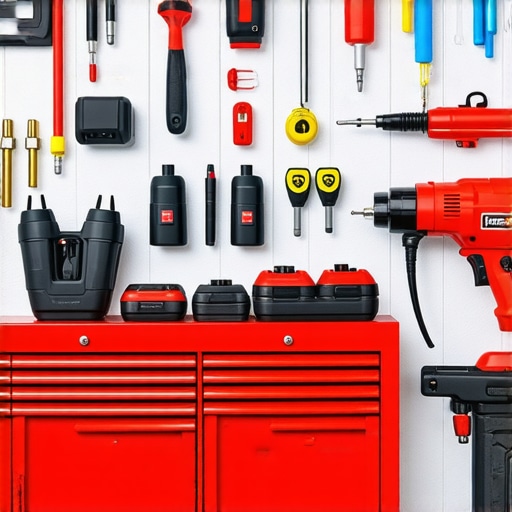
Visualize your workspace equipped with a diagnostic scanner, a laser alignment tool, and a modern heat gun—an efficient setup that elevates DIY auto repair from guesswork to precision work. Properly organized, it makes every project smoother and more successful.
What I Wish I Knew About Repairing Tough Steel
- Never underestimate the importance of proper heat application; even a slight misstep can weaken high-strength steel, making repair more challenging and risking future failure. I once thought increased heat was always better, but I learned the hard way that controlled, consistent heating is key.
- Choosing the right tools isn’t just about convenience—it’s about preserving the structural integrity of your vehicle. Investing in quality glue pulls and heat guns made my repairs smoother and more reliable, saving me time and money.
- Patience and meticulous assessment are non-negotiable. Rushing a dent repair, especially on high-strength steel, often leads to imperfect results or additional damage. Taking time to evaluate and proceed step-by-step ultimately pays off.
- Understanding the material’s resilience can change your entire approach. Recognizing that high-strength steel can be shaped with the right techniques, rather than replaced outright, opened my eyes to more cost-effective and efficient repair options.
Tools That Made a Difference in My Collision Revival Journey
My go-to toolkit now includes a high-quality OBD-II scanner for early diagnostics, a professional heat gun with adjustable temperature settings, and laser alignment tools for precision adjustments. These tools have empowered me to handle complex collision repairs confidently, ensuring safety and quality without excessive costs.
Your Next Step in Mastering Auto Repairs
Embarking on your own repair projects might seem daunting, but remember: every expert was once a beginner. Equip yourself with the right knowledge, tools, and patience, and you’ll be surprised at what you can achieve. Whether tackling high-strength steel dents or fine-tuning your vehicle’s alignment, taking proactive steps today will pay dividends in safety, savings, and satisfaction. Want to dive deeper? Explore comprehensive guides on auto repair to set yourself up for success. Are you ready to take control of your vehicle’s health and become a DIY hero on the road? Share your experiences or questions below—I’d love to hear your journey!