
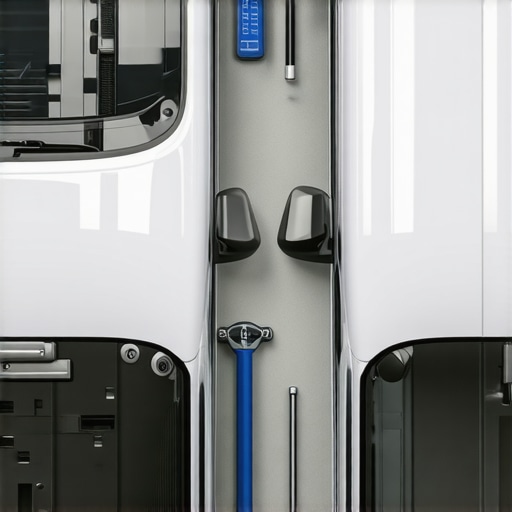
I remember the moment vividly—driving home after a quick repair, only to notice that my car’s rear hatch didn’t close quite right anymore. That nagging feeling of something being off, even when everything looked perfect on the outside, hit me hard. Turns out, it’s more common than you think: panels that aren’t quite square can be a constant source of annoyance and even affect your vehicle’s aerodynamics and safety.
Dealing with Panel Gaps that Just Won’t Align
If you’ve ever opened your car door and felt that the gap around it isn’t uniform or noticed that the hood seems to be slightly misaligned after a minor collision or repair, you’re not alone. These tiny discrepancies might seem insignificant, but over time, they can lead to bigger issues like water leaks, wind noise, or even paint cracking.
What I want to do today is promise you a straightforward, foolproof method to fix those pesky panel gaps that aren’t quite square—restoring your car’s perfect fit and excellent appearance. I’ve been through this myself and learned that with a little patience and the right technique, you can prevent a small cosmetic issue from turning into costly repairs.
Will this fix really last or just be a temporary patch?
When I first attempted to adjust my panels, I made the beginner mistake of rushing through, thinking I could do it quickly. That only resulted in uneven gaps and more frustration. Trust me, I learned the hard way that taking your time, measuring carefully, and understanding the structure of your vehicle are essential. If you’re concerned about the durability of such repairs, rest assured that following proven strategies will give you results that stick, not just a quick fix. For more detailed tips on maintaining your car’s long-term shape and integrity, visit our comprehensive guide on [collision renewal strategies](https://collisionrenew.com/collision-renewal-strategies-restoring-your-car-to-perfection).
Align Panels with Precision and Confidence
Start by measuring the existing gaps across your panels with a digital caliper or a plastic ruler, noting inconsistencies. Use masking tape to mark the desired alignment points, just like a painter marks where to apply layers for a perfect finish. This method helps prevent accidental over-adjustments, saving you from subsequent rework. Remember, patience is key—rushing only increases the chances of uneven gaps.
Loosen and Adjust Mounting Points
Carefully loosen the bolts or clips holding the misaligned panel using the appropriate socket or trim removal tools. Be cautious—think of this as loosening a stubborn screw in your favorite piece of furniture; applying gentle, even pressure prevents damage. Once loosened, slowly reposition the panel, pushing or pulling it into the marked spots. Tighten the bolts incrementally, alternating sides, much like tightening a car wheel to ensure even pressure distribution, which maintains alignment.
Use Shims or Spacers for Fine-Tuning
In cases where a panel doesn’t sit flush, insert plastic or metal shims behind the mounting points. These are comparable to adjusting a door hinge with washers; small differences add up to a perfect fit. Test the panel fit after each adjustment, checking the gaps with your measuring device. Record your progress to avoid over-shimming, which can cause new misalignments.
Apply Protective Sealant or Clamps
Once satisfied with the alignment, secure the panel in place using clamps or spring-loaded clips. Think of this step as clamping a glue joint before it sets—it ensures the panel stays in position during tightening. If your vehicle’s design allows, apply a bead of high-quality automotive sealant along edges to prevent water ingress and reduce future shifts. Allow the sealant to cure as recommended, then double-check the gaps for consistency.
Verify the Final Alignment and Seal the Deal
After re-tightening everything, step back and visually inspect the panel gaps. Use a straight edge or a light to detect any high or low spots, much like checking for dents or uneven paint. If discrepancies remain, repeat the adjustments until you achieve the seamless look of factory alignment. Remember, attention to detail during this process will save you from future headaches—water leaks, wind noise, or paint cracks—providing long-lasting results.
For related tips on maintaining your vehicle’s structural integrity, consider reviewing our guide on collision renewal strategies. Proper panel alignment not only enhances appearance but also contributes to your car’s overall safety and efficiency.
 Many car owners assume that all vehicle repairs are straightforward and that mechanics always prioritize transparency. However, beneath the surface lies a complex world where misconceptions can lead to costly mistakes. One common myth is that replacing a part automatically restores full functionality, but often, the real issue is related to the nuanced interplay between different components, such as transmission and brake systems, which require a comprehensive approach for long-term reliability.
Another prevalent misunderstanding involves the urgency of regular maintenance. While it’s true that routine checks prevent major failures, some believe that delaying service by even a few months won’t make a difference. In reality, neglecting aspects like brake fluid health or transmission fluid quality can accelerate wear and compromise safety. For example, some think that generic transmission fluids are sufficient; however, experts emphasize using manufacturer-specific fluids to avoid damaging sensitive systems—see our detailed guide on transmission fluid myths.
Why Do So Many Owners Overlook Critical Service Details
One of the biggest pitfalls is underestimating the importance of specialized diagnostics. Many rely solely on local repair shops that may not detect subtle signs of issues like misaligned suspension or hidden leaks that can escalate quickly. This oversight often results in frequent breakdowns and increased repair costs over time. It’s essential to understand that professional diagnostics go beyond the basic checkups and are crucial for identifying underlying problems early, saving you money and ensuring safety. For instance, regular inspection of brake rotors can reveal wear patterns that, if ignored, lead to warped discs and uneven braking, which could cause accidents. Learn more about brake system insights.
Be mindful that rushing repairs or opting for rushed fixes often results in recurring problems. Instead, prioritize thoroughness, especially when dealing with collision repairs or complex systems like your transmission. Deep knowledge in this area helps prevent temporary fixes from becoming permanent issues. For example, improperly adjusted collision panels not only affect aesthetics but can also impact aerodynamics and vehicle safety, as we discussed in our previous post. Check out the full guide on collision renewal.
Are You Falling for These Auto Repair Traps? Learn the Savvy Approach
Many DIY enthusiasts unintentionally fall into common traps that compromise the longevity of their vehicles. For example, attempting to fix a transmission issue with generic fluids or neglecting the importance of professional alignment can lead to uneven tire wear and reduced handling. A key lesson is that understanding the nuanced differences between repair options and component interactions is vital. To avoid these pitfalls, stay informed about the latest industry standards and consult trusted resources or professionals. For more insights, see our article on vehicle longevity tips. Remember, a well-informed owner makes smarter decisions—so don’t hesitate to ask your mechanic about the specifics of every repair.
Have you ever fallen into this trap? Let me know in the comments. Continuing to educate yourself ensures that your vehicle remains reliable, safe, and efficient for years to come.Maintaining your vehicle’s performance over time requires the right tools and a mindful approach. One essential item I personally rely on is a digital multimeter, which helps me quickly diagnose electrical issues like faulty sensors or wiring problems without guesswork. For example, regularly testing the battery voltage and alternator output ensures early detection of potential starting failures, saving you costly repairs down the line. Another invaluable tool is a high-quality brake caliper piston compressor, which I use when replacing brake pads; it allows for precise reassembly and prevents uneven wear. Investing in an automotive scan tool compatible with your vehicle’s OBD-II port provides real-time data, making diagnostics more straightforward and accurate—crucial for complex systems like transmissions. I recommend the Autel MaxiCOM series because of its broad compatibility and frequent updates, ensuring it stays useful for future repairs. As technology advances, predictive maintenance is becoming more achievable. Car manufacturers are developing smart sensors that can alert owners about impending issues before symptoms arise, like early warning of transmission slipping or brake pad wear. Embracing such digital solutions is shaping the future of auto care, moving toward smarter vehicle management.
How do I maintain my vehicle’s performance tools over time?
Regular calibration of your diagnostic equipment, updating software, and cleaning tools after use prolong their effectiveness and accuracy. For example, a well-maintained scan tool provides reliable data, helping you distinguish between minor quirks and genuine problems, which in turn prevents unnecessary repairs. Additionally, keep your storage area organized to quickly access the right tool when needed—this saves time and reduces frustration during repairs. Remember, investing in good-quality tools isn’t just about convenience; it directly impacts your vehicle’s long-term reliability, safety, and performance. For more detailed strategies on thorough auto maintenance, check our comprehensive maintenance guide. Moreover, stay informed about emerging diagnostic technologies, such as wireless OBD-II adapters that sync with your smartphone, offering continuous monitoring and early alerts for issues like fluid leaks or sensor failures. Considering the rapid evolution in vehicle tech, mastering these tools will ensure your car remains dependable for years to come. Don’t hesitate—try integrating a diagnostic scan tool into your routine, and experience the difference it makes in proactive maintenance. For further insights, visit our auto repair and maintenance resources.
Lessons the Garage Won’t Tell You About Panel Perfectness
- One of the most profound realizations I had was that every panel on your vehicle has a natural ‘temperature tolerance’—meaning that improper tightening or environmental factors can cause misalignment over time. Recognizing this has saved me countless headaches and repairs.
- Another lightbulb moment was understanding the significance of subtle visual cues—like how a tiny ripple in the paint or a barely noticeable uneven gap can hint at underlying structural issues. Paying attention to these details can make all the difference in long-term vehicle health.
- Finally, I learned that a true professional isn’t just about tools but about patience and an eye for detail. Rushing through adjustments often leads to uneven gaps, but taking time with measurements and iterative testing yields flawless results that last beyond a few washes.
Tools and Resources I Swear By for Auto Refinement
- Digital Calipers: Precise measurements are non-negotiable. I personally use the Mitutoyo digital calipers because they combine accuracy with ease of use, making panel alignment straightforward.
- Automotive Paint Sealant: Protects your hard work and keeps the paint smooth. My trusted choice is 3M Performance Finish, known for its durability and shine.
- Online Forums and Guides: Community knowledge accelerates learning. The discussions on collision renewal strategies have saved me from costly mistakes and inspired new techniques.
- Professional Workshops: Practical demonstrations matter. Attending local auto body repair clinics has boosted my confidence and skills exponentially.
Embrace Your Inner Auto Artist
Let’s face it—vehicle maintenance is part science, part art. The satisfaction of seeing your panels align perfectly is unmatched, and this meticulous approach not only beautifies your car but also extends its lifespan and safety. With the right tools, patience, and a willingness to learn, you’re capable of achieving professional-level results from your garage. Remember, every tweak you make today can save you money tomorrow, so don’t hesitate to dive into the details. What’s the first panel you’ll perfect? Share your plans or questions below—your auto journey starts now.