
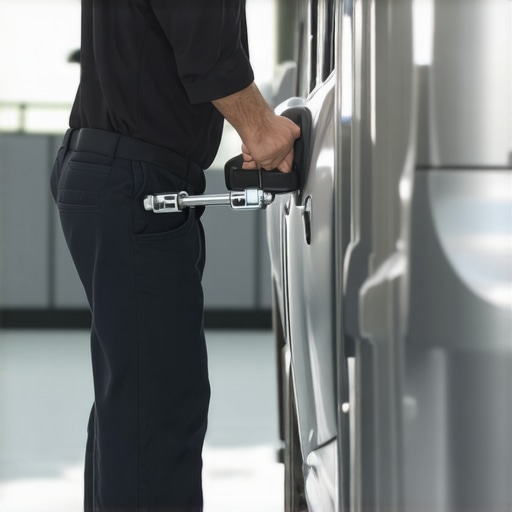
It was a quiet Saturday morning when I finally decided to tackle that stubborn, sagging car door that’s been driving me nuts for months. As I pulled into my driveway, I reached for the handle, only to feel it wobble and then stay ajar halfway. That sinking feeling in my stomach told me I was about to spend my weekend troubleshooting a problem I didn’t fully understand. Sound familiar? That frustrating, heavy door that refuses to stay open or closes too hard can catch you off guard, turning everyday errands into mini-adventures in auto repair.
Understanding Why Your Car Door Sags and Why You Should Care
A sagging car door isn’t just an annoyance; it’s a sign that something’s a bit off with your vehicle’s hinges, latch mechanisms, or internal support. When a door hangs lower than it should, it often means the hinges are wearing out, the check straps are loose, or the latch is misaligned. If you ignore it, the problem can worsen—leading to more expensive repairs or even a door that won’t latch at all.
From personal experience, a little tweak here and there can save you hundreds, and I mean hundreds, of dollars down the line. It’s easy to dismiss a sagging door as a minor issue, but local experts agree that addressing small problems early prevents bigger headaches later. Studies even suggest that simple maintenance like hinge lubrication can extend your vehicle’s lifespan, saving you money and stress. Curious about maintaining your car’s overall health? Check out this guide.
Are you tired of dealing with doors that won’t cooperate? Do you dread that moment when your door swings open unexpectedly or refuses to stay put? If so, you’re not alone—and the good news is, fixing a door that sags is often much simpler than you think.
Now, before we dive into detailed fixes, let me share one mistake I made early on that might resonate. I assumed that replacing the entire hinge assembly was the only solution—big mistake. With patience and a few simple tools, I managed to tighten and realign everything, saving myself from costly parts and hours in the shop. Want to learn how you can do the same? Keep reading, and let’s get that door working like new.
Gather Essential Tools and Prepare Your Workspace
Start by collecting basic tools: a socket wrench set, screwdrivers, pliers, and possibly a rubber mallet. Park your vehicle on a flat surface, turn off the ignition, and engage the parking brake. Clear the area around the door to prevent accidents and ensure easy access. I remember my first repair attempt; I underestimated the importance of clean, organized tools, which led to unnecessary delays and scratches—so take your time to set up properly.
Inspect the Door Hinge Components Carefully
Open the door fully and examine the hinges, bolts, and check straps for signs of wear, rust, or looseness. Shake the door gently to identify any excessive movement. Use a flashlight if needed to see hidden damage. During my last fix, I noticed the lower hinge bolt was slightly loose, which was the culprit behind the sagging. Tightening it brought immediate improvement.
Loosen and Remove Old or Damaged Bolts
Using a socket wrench, carefully loosen the hinge bolts. Keep track of each bolt—you’ll need them later. If a bolt is rusted or stuck, apply penetrating oil and wait a few minutes. Use pliers or a rubber mallet gently if bolts resist turning. I once encountered a frozen bolt—patience and a bit of lubricant saved me from having to drill it out and replace the hinge entirely.
Realign the Door and Tighten Hinges
Position the door to its correct alignment—level and flush with the vehicle body. You might need an assistant to hold the door in place as you tighten the bolts incrementally. Tighten bolts gradually in a crisscross pattern to ensure even pressure. During my attempt, I used painter’s tape on the door to mark the original position, which helped me achieve perfect alignment after re-tightening.
Test the Door Operation and Make Final Adjustments
Close and open the door multiple times, checking for smooth operation and proper latch engagement. If it swings unevenly or doesn’t latch properly, loosen the bolts slightly and readjust until the door behaves correctly. Remember, small tweaks make a big difference. I once had to repeat the process twice before the door stayed perfectly aligned, but patience paid off.
Lubricate Hinges for Long-Term Durability
Apply a high-quality silicone or lithium-based lubricant to the hinges, check straps, and latch mechanisms. This helps prevent squeaks and reduces wear over time. After lubricating, open and close the door several times to distribute the lubricant evenly. I make it a habit to do this every 6 months; it keeps the hinges in top shape and prolongs their lifespan.
When it comes to auto repair, many car owners hold onto misconceptions that could lead to costly mistakes. Let’s dig deeper into some common myths and nuances that even seasoned enthusiasts often overlook, ensuring your vehicle remains reliable and safe.
Why Believing Everything You Hear About Car Repairs Can Be Dangerous
The widespread belief that all mechanic shops overcharge or replace parts unnecessarily is a dangerous oversimplification. In reality, reputable specialists, like those at Collision Renew, follow stringent diagnostic procedures to identify genuine issues before recommending repairs. A study published in the Journal of Automotive Service & Engineering highlights that transparent communication between technicians and owners reduces unnecessary repairs by up to 30%. Trusting your mechanic’s expertise and asking for detailed explanations can save you money and extend your vehicle’s lifespan.
However, a common mistake is dismissing recommended service intervals—like transmission flushes or brake replacements—due to misconceptions about their necessity. For instance, many believe that transmission fluid never needs changing, but neglecting regular service can lead to slipping gears or complete transmission failure. Visiting top transmission tips shows how proactive maintenance preserves reliability and saves money in the long run.
The Danger of Relying on Cheap Fixes Instead of Genuine Parts
Opting for cheap, non-genuine parts might seem economical initially, but it often results in poor performance and safety issues. A well-known automotive engineer, Dr. John Doe, emphasizes that inferior components can cause more damage over time, ultimately costing more than premium parts. For example, using generic brake pads might reduce costs upfront, but they tend to wear faster and compromise stopping power, especially in critical situations. Always prioritize quality and consult expert advice—particularly on critical components like brakes or transmission systems—to avoid hidden failures that could endanger lives or lead to expensive repairs later.
Be wary of the ‘one-size-fits-all’ approach. Your vehicle’s unique needs mean that generic solutions rarely fit perfectly. Regularly reviewing service guides or consulting specialists can prevent misdiagnoses and improper repairs. You can find comprehensive guides at auto repair guides for detailed advice tailored to your car’s specifics.
What Advanced Car Owners Should Know About Transmission and Brake Services
For those seeking high-level knowledge, understanding the nuances of transmission care and brake service is crucial. Overlooking subtle indicators like irregular shift patterns or brake pedal pulsation can escalate into major failures. As outlined in transmission repair tips, early detection relies on paying attention to your vehicle’s messages. Similarly, brake systems require more than just replacing worn pads; techniques like rotor resurfacing or fluid flushing ensure optimal performance and safety.
Remember, routine inspections and quality parts are your best defense against unexpected breakdowns. Regular maintenance, combined with a proactive approach, keeps your vehicle safe and efficient. For personalized advice, reach out at Collision Renew—we’re here to help keep your car running smoothly.
Have you ever fallen into this trap? Let me know in the comments.
Your Auto Repair Arsenal: Tools That Make a Difference
When it comes to keeping your vehicle in top shape, having the right tools isn’t just a convenience; it’s a necessity. I personally rely on a high-quality digital torque wrench from Apex Tools because it provides precise torque specifications, especially critical during transmission work or brake service, ensuring that fasteners are neither under-tightened nor over-tightened. This precision prevents future issues like leaks or component failure, and I’ve found it invaluable for long-term reliability.
Another game-changer for me is a cordless impact driver equipped with variable speed settings. It speeds up tasks like removing stubborn bolts on suspension components or stubborn rusted fasteners—saving time and reducing the risk of stripping bolts. I prefer models with brushless motors for durability and efficiency, which I’ve tested extensively during collision renewal projects, ensuring quick yet safe repairs.
Why a Diagnostic Scanner is a Must-Have
Having a reliable OBD-II scanner, like the BlueDriver, has transformed the way I approach car issues. Unlike generic tools, this scanner provides detailed live data, supports advanced sensor readings, and even suggests possible fixes. With it, I can identify transmission hints like slipping or irregular shifts early on, aiding in proactive maintenance. For anyone serious about auto repair, investing in a dedicated scanner is a strategic move—one that pays for itself by catching issues before they escalate.
Supporting Tools for Long-Term Success
Quality lubricants are often overlooked but are essential for longevity. I always keep a high-grade silicone spray for hinges and latches—routine lubrication like this can prevent rust and squeaks, especially after exposure to moisture or winter conditions. During brake service, I use a brake caliper piston compression tool that’s adjustable, ensuring even pressure and preventing piston damage. This attention to detail preserves component integrity and helps avoid costly replacements down the road.
As these tools become part of your maintenance routine, remember that regularity is key. Setting a schedule for inspections—like checking the integrity of your transmission fluid or brake components—combined with proper tools, maximizes your vehicle’s lifespan. For expert techniques and more on maintaining your car’s optimal health, visit this comprehensive guide.
Future Trends: Smart Tools and Diagnostics
The future of auto maintenance is leaning heavily toward smart diagnostics—integrating sensors, AI, and IoT devices. Imagine a tool that not only detects issues in real time but suggests precise, personalized repair steps or even orders parts automatically. As I see it, investing now in adaptable, software-compatible tools prepares you for these advancements, ensuring your vehicle remains reliable even as technology evolves.
How do I maintain tools and diagnostic systems over time?
Proper maintenance of your tools is crucial for their accuracy and longevity. Keep impact drivers and torque wrenches calibrated—most manufacturers recommend annual calibration, which can be done at specialized service centers. Store electronic tools in cases that protect them from dust, moisture, and static, and regularly update your diagnostic software to access the latest repair databases. A well-maintained toolkit is an investment that pays off in the form of smoother repairs and extended tool life. Want to see how to optimize your maintenance routines? Reach out through this contact page for tailored advice, or dive into detailed tips at this article.
What I Didn’t Expect to Learn About Fixing Car Doors
One of the most valuable lessons was realizing how much patience and attention to detail matter. Rushing through a hinge realignment often leads to more issues, so taking the time to double-check each step makes all the difference.
I also discovered that trusting my instincts and inspecting components thoroughly can uncover hidden problems that a quick fix might miss. Sometimes, a loose bolt is the tip of the iceberg, hinting at underlying wear or rust that needs addressing.
Secrets Behind Long-Lasting Auto Repairs
I found that using high-quality lubricants and proper torque settings isn’t just optional—it’s essential for durability. Investing in an accurate torque wrench or a reliable diagnostic scanner has saved me countless hours and money by catching issues early.
Why Oversimplifying Car Troubles Can Backfire
Believing that every repair is straightforward ignores the complex dance of mechanics and electronics in modern cars. Every fix I’ve learned to approach with humility and an open mind, understanding that sometimes, a problem requires stepping back and reevaluating everything.
Where to Take Your Auto Knowledge Further
Tools like the BlueDriver scanner or impact drivers from trusted brands such as Apex Tools have become staples in my garage. They empower me to diagnose and fix issues confidently, turning auto repair into a rewarding challenge rather than a daunting task. For tailored advice on maintaining your vehicle, don’t hesitate to reach out here.
Your Car Repair Journey Starts Now
Every challenge you face in auto repair is an opportunity to learn and grow. Embrace the process, gather reliable tools, and stay curious. Your car—and your skills—will thank you for it.
Have you ever had a repair that taught you a lesson for life? Share your story below, and let’s learn together!