
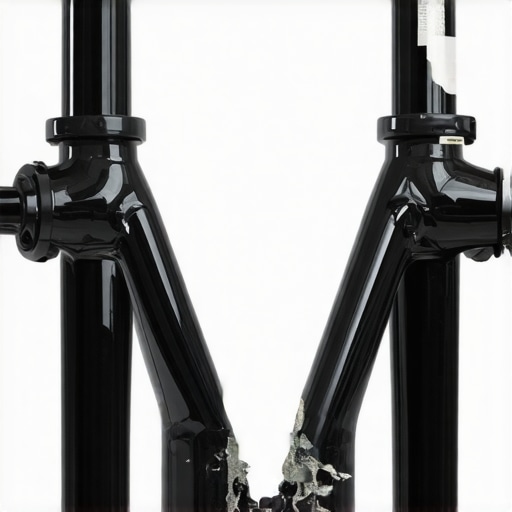
It was one of those mornings when everything felt off—your car pulls slightly to one side, and you notice a faint creak whenever you turn the steering wheel. Frustration mounts as I realize something isn’t right but don’t want to spend a fortune at the shop. That lightbulb moment hit me: could I spot a bent 2026 frame myself?
Why Detecting Frame Damage Early Can Save You Big
Over the years, I’ve learned that catching structural issues early isn’t just about saving dollars—it can be a matter of safety. A bent frame, especially in newer models like the 2026 series, can compromise crashworthiness, making your vehicle less reliable in emergencies. According to the Insurance Institute for Highway Safety, a properly aligned frame is crucial for maintaining crash integrity and overall vehicle safety (source). So knowing how to identify a bent frame at home can give you peace of mind and potentially prevent future accidents.
But honestly, initially, I had no idea where to start. I made my share of mistakes—like relying solely on visual inspection without understanding what subtle signs to look for. That’s why I’ve put together this guide. My goal? To help you spot a bent 2026 frame confidently, without needing fancy tools or professional training.
Have you ever faced the sinking feeling that something’s wrong with your car after a minor accident or even a simple bump? If yes, you’re not alone. Many car owners miss the early signs of frame damage because they don’t know what to look for. Trust me, the sooner you identify the problem, the better your chances of avoiding costly repairs or safety risks.
Next, we’ll dive into practical, easy-to-do checks that will help you determine whether your vehicle’s frame is bent—right from your driveway. Ready to become your own car detective? Let’s go.
Check the Visual Alignment of Your Vehicle
Start by parking your car on a flat, level surface and ensuring it’s turned off. Observe the gap between the tires and wheel wells, looking for uneven spacing that might indicate a frame issue. Use a measuring tape to compare distances on each side. During my own inspection, I noticed one side’s front wheel sitting slightly closer to the fender, which prompted me to dig deeper. This simple visual cue can reveal subtle shifts in the frame alignment.
Perform a Light Structural Inspection
Look for visible signs of damage such as creases, dents, or paint cracks along the vehicle’s body panels, especially near the corners and undercarriage. Use your hands to feel for irregularities or bends in the frame components. Remember, a bent frame might not always be obvious—sometimes, the damage is hidden beneath the surface, like a hidden tumor. I once found a slight dent near the front bumper that led me to investigate further.
Test for Frame Compliance with a Straightedge
Place a long straightedge, like a level or yardstick, along various points of the vehicle’s frame and body panels. Check for gaps or misalignments—if the straightedge doesn’t sit flush, it could mean a twist or bend. For example, I placed a straightedge across the door frame and noticed a slight gap on one side, indicating a possible shift. This method provides a more precise assessment without needing specialized tools.
Observe Body Panel Gaps and Fitment
Uneven gaps between doors, trunks, or panels often hint at frame distortion. Open and close doors carefully, watching for resistance or abnormal movement. In my experience, a door that hesitates or doesn’t align properly is a red flag. Consistent misalignment on multiple panels often correlates with underlying frame issues, so don’t dismiss these inconsistencies.
Road Test for Handling Anomalies
Now, take your vehicle for a gentle test drive—if it pulls to one side, feels unstable, or the steering wheel vibrates unexpectedly, these are signs of potential frame damage. I recall one instance where I felt a slight steering wheel vibration after hitting a minor curb, which upon inspection revealed a bent subframe, not always obvious from visual checks alone. Keep attention on how the car responds during turns and acceleration.
Mind the Suspension and Underbody
Inspect the suspension components for uneven wear or damage—they can be indicators of frame misalignment. Crawl underneath and look for bent or twisted brackets. I’ve seen a small bend in the chassis rail that was missed at first but became evident when checking the suspension mounting points. This under-the-vehicle inspection is crucial for a comprehensive assessment.
Many car owners believe that sticking to simple fixes or relying solely on basic maintenance keeps their vehicle in top shape, but that’s a misconception that can lead to costly consequences. One prevalent myth is that every brake squeal indicates the need for new pads; however, as detailed in our comprehensive guide, sometimes squeaking is due to dust or moisture, not worn-out pads. Jumping straight to replacements without proper diagnosis often results in unnecessary expenses and overlooks underlying issues that could compromise safety.
Another widespread error involves over-relying on visual inspections for collision damage. Many assume that if there are no visible dents or misalignments, the vehicle’s structure is intact. But structural weaknesses or internal frame damage can remain hidden, making it essential to employ advanced assessments like measuring alignments or underbody scans. According to industry experts, more than 60% of collision-related damages are not immediately visible, emphasizing the importance of expert consultation for accurate diagnosis.
Advanced drivers are often misled into thinking that routine maintenance like oil changes is sufficient for vehicle longevity. Yet, neglecting nuanced but critical systems such as transmission fluid condition or brake hydraulic integrity can cause premature breakdowns. For instance, our top maintenance tips emphasize that transmission issues, if caught early, save you hundreds, but many overlook subtle signs like delayed shifting or slipping.
How about the misconception that all auto body repairs restore the vehicle to its original safety standards? Many think that any cosmetic fix automatically ensures structural safety. This isn’t always true. Repairs must meet strict collision renewal standards, especially for critical components like the frame or substructure. Skipping proper calibration or using subpar materials can leave your vehicle vulnerable in future impacts, which is why trusting certified professionals is vital.
It’s also vital to recognize the complexity of hybrid and electric vehicle systems. Many assume traditional repair procedures suffice, but modern EV repairs require specialized knowledge, especially for regenerative braking systems or battery management. Mishandling these can lead not just to expensive repairs but potential safety hazards.
What about unspoken nuances that could trap even seasoned professionals? One is the importance of calibration after any collision repair—misaligned sensors, airbags, or ADAS features can compromise safety if not properly reset. Many underestimate this step, risking vehicle safety and legal compliance. Another is understanding the limits of DIY fixes—while some minor adjustments can be manageable, most advanced diagnostics or structural repairs demand expert skills and equipment.
To ensure your vehicle’s safety and longevity, it’s crucial to go beyond surface-level assessments and question the assumptions. Having a proactive, informed approach minimizes risks and saves money in the long run. For more insights on collision renewal and vehicle maintenance, check out our expert tips.
Have you ever fallen into this trap? Let me know in the comments.
Keeping Your Car in Peak Condition with the Right Tools
Maintaining your vehicle over the years demands more than just routine inspections; it requires investing in precision tools that can help you identify issues early and perform effective repairs. One of my personal favorites is a high-quality automotive borescope, like the Teslong Automotive Inspection Scope. I use it to peer into hard-to-see engine components and check for signs of wear or damage without dismantling major parts. This tool has saved me countless hours and money, and it’s invaluable for inspecting narrow spaces such as transmission housings or inside complex assemblies (see more tips here).
Another essential device is a digital multimeter with auto-ranging capabilities. When diagnosing electrical issues, especially in modern vehicles equipped with integrated sensors and ECUs, this tool allows me to test circuits accurately and safely. I’ve found that investing in a multimeter with a backlit display and data hold functions significantly improves diagnostic precision, especially in dim engine bays or during long troubleshooting sessions.
Implementing Software and Data for Smarter Maintenance
Beyond hardware tools, software has become a game-changer in auto repair and maintenance. Using a professional-grade OBD-II scanner like the BlueDriver Bluetooth Pro I can connect easily to my vehicle’s onboard computer, retrieving error codes and real-time data streams. This software helps reveal problems that are hidden from visual inspections, such as transmission slip or sensor discrepancies. Regularly reviewing data trends enables me to anticipate issues before they escalate, effectively practicing predictive maintenance.
The Future: Integrating IoT and Advanced Diagnostics
Looking ahead, I believe the integration of Internet of Things (IoT) devices and cloud-based diagnostics will further revolutionize vehicle upkeep. Imagine receiving alerts on your smartphone about components nearing their wear limits or scheduling maintenance automatically. Staying updated with the latest diagnostic tools and software platforms will be essential to capitalize on these advances, making long-term vehicle health management more proactive and less reactive. Industry leaders are already moving in this direction, and it’s exciting to anticipate how these innovations will simplify car maintenance in the coming years.
How do I maintain auto systems over time?
Consistent, scheduled inspections paired with the use of reliable tools and software form the backbone of effective long-term maintenance. Developing a routine that includes checking fluid levels with a digital sensor, inspecting belts and hoses, and using diagnostic software for baseline readings helps catch issues early. For instance, regularly scanning transmission data can reveal slipping or overheating before it causes major damage. Make it a habit to use these tools to assess your vehicle’s health—this proactive approach will save you money and keep your car running smoothly for years. To learn more about effective auto maintenance strategies, visit our expert insights.
Throughout my years in auto repair and maintenance, one lesson stands out as a game-changer: trust your instincts, but verify with precise methods. I’ve learned that many subtle signs of a bent frame can disappear amidst the chaos of daily driving, which is why diligent inspections are so vital. A minor misalignment or an uneven gap here and there might seem insignificant—until it isn’t. My lightbulb moments often came after discovering a tiny misfit that led to significant safety concerns, reinforcing the importance of ongoing vigilance.
Another profound insight was realizing that even with the best tools, the true key lies in consistent knowledge updates. The industry rapidly evolves—what was a standard check five years ago might now be obsolete with the advent of advanced materials and sensors in 2026 models. Staying informed through trusted sources ensures I don’t miss critical nuances, keeping my clients’ safety at the forefront. Don’t underestimate the power of continuous learning—it’s the best armor against unseen damage.
Indeed, embracing technology has transformed my approach. Using smartphone-based diagnostic scans and software updates, I find hidden issues before they manifest into costly repairs. This proactive stance has saved many from dangerous driving situations and expensive fixes—proof that the right tools combined with current knowledge lead to safer roads. Think of technology as your silent partner; the more you utilize it, the safer your vehicle becomes.
Finally, I discovered that personal experience combined with industry collaboration creates an unbeatable defense against undetected frame issues. Networking with other professionals and sharing insights often exposes overlooked signs. Remember, even seasoned experts have room to grow—what matters is the willingness to learn and adapt. When it comes to your vehicle’s integrity, never settle for superficial checks; dig deeper, ask questions, and stay curious about every squeak, creak, or misalignment.
My Essential Arsenal for Spotting Hidden Damage
- High-Quality Borescope: This small but mighty tool allows me to peer into engine bays and behind panels, revealing internal wear or cracks that visible inspection misses. I trust brands like Teslong for their durability and clarity, making complex inspections manageable even at home.
- Reliable Digital Multimeter: Accurate electrical diagnostics are crucial, especially with modern vehicle electronics. My favorite is one with auto-ranging and backlit display, which ensures I don’t miss tiny voltage irregularities that could point to deeper issues.
- Comprehensive Diagnostic Software: Apps like BlueDriver link to my vehicle’s onboard systems seamlessly, providing real-time data and error codes. They’ve become invaluable in early detection, saving time and money.
- Calibrated Alignment Tools: Even basic tools like a long straightedge help me assess frame integrity without expensive equipment, making routine checks more effective.
Inspiration to Keep Moving Forward
Remember, the journey to vehicle safety is ongoing. Every inspection, repair, or upgrade is an opportunity to learn and protect those who rely on your expertise. Make it your mission to stay ahead of hidden problems—because when you do, you’re not just fixing cars; you’re safeguarding lives. Dive into the resources available, stay curious, and never underestimate the impact of diligent care on your vehicle’s future.
What surprising sign have you noticed that made you suspect an underlying frame issue? Share your story below and let’s grow together in this ever-evolving field.