
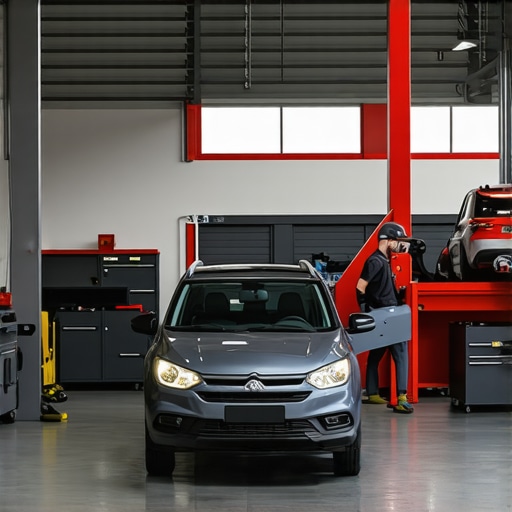
Ever had that sinking feeling after a minor fender bender because your car just didn’t feel right? I’ve been there. One time, I ignored a small dent and scratch, thinking it was no big deal. Fast forward a few months, and my car’s alignment was off, leading to uneven tire wear and a shaky ride. That lightbulb moment made me realize how crucial proper auto repairs and maintenance are for safety in 2024.
Why Staying Ahead with Auto Repairs Matters More Than Ever
With cars becoming more sophisticated, neglecting even small damages can lead to bigger, more expensive problems — and compromise your safety. A recent study shows that over 70% of vehicle accidents are caused by mechanical failures or poor maintenance (source: National Highway Traffic Safety Administration). That’s a staggering number, and it’s why I now swear by staying proactive with my vehicle’s body work and repairs.
Have you ever faced a situation where ignoring a small repair turned into a costly nightmare?
Early in my journey, I made the mistake of thinking minor cosmetic damage was just about looks. But I learned the hard way that it’s also about safety. For example, a tiny crack in the windshield might seem harmless, but it can quickly spread and impair your visibility or even cause the glass to shatter during an accident. That’s why I always recommend consulting trusted auto repair experts and following their advice. For comprehensive guidance, check out Collisionrenew’s essential auto repair guide for 2024.
Now, I want to help you avoid my mistakes. We’re going to explore the best tips and strategies to keep your vehicle in top shape for 2024, ensuring safety isn’t an afterthought but a priority.
Next Steps to Keep Your Vehicle Safe and Reliable
In the next sections, I’ll walk you through practical steps to assess your car’s condition, when to seek professional help, and how to choose the right repair services. Trust me, a little effort now can save you from a lot of trouble later. Ready to make your vehicle safer? Let’s dive in.
Assess Your Vehicle Regularly to Catch Problems Early
Start by inspecting your car visibly. Walk around and look for dents, scratches, or leaks. For instance, I once noticed a small crack in my windshield after a drive. Recognizing this early prevented it from spreading and potentially shattering during an accident. Use a flashlight to check under the hood for fluid leaks or corrosion. Regular visual checks are like routine health checkups — they catch issues before they escalate.
Use a simple checklist—tires, lights, brakes—and document any irregularities. This proactive approach saves money and enhances safety.
Learn the Signs When Professional Help Is Needed
Don’t ignore odd noises or vibrations. For example, I felt a wobble in my steering wheel which turned out to be uneven tire wear caused by misaligned wheels. If you notice vibrations, squeals, or warning lights, schedule a professional inspection immediately. Think of your car as a patient; symptoms like strange odors or dashboard alerts are signals that something needs urgent attention. Consulting trusted experts like those at Collisionrenew can be a game-changer. For detailed guidance, visit this essential auto repair guide for 2024.
Prioritize Body Work and Repairs to Maintain Safety
Damaged body panels can compromise crash safety. I once ignored a small dent, thinking it was purely cosmetic. Later, that dent led to rust, which weakened the frame. When repairing, choose reputable shops that follow the latest standards. The right repairs are like reinforcing a building’s foundation—crucial for integrity. For expert tips on restoring your car’s body safely, check this comprehensive guide.
Invest in quality repairs rather than quick fixes. Proper restoration ensures your car’s safety systems function correctly.
Maintain Critical Components Like Brakes and Transmission
Brakes are your first line of defense. I once replaced my brake pads based on a tip from Collisionrenew’s auto body restoration tips. Regular brake inspections, including fluid levels and pad thickness, prevent emergencies. Similarly, transmission health affects overall safety and efficiency. Use the transmission and brake service tips for 2024 to stay ahead. Think of these systems as the car’s nervous system—if they fail, safety is compromised.
Follow a Maintenance Schedule and Keep Records
Create a maintenance log—treat it like a health journal for your vehicle. This helps you track oil changes, tire rotations, and inspections. When I started documenting my car’s maintenance, I avoided costly repairs. Plus, having detailed records can speed up insurance claims or warranty services, keeping you safer and stress-free.
Set reminders for scheduled services such as oil changes, tire rotations, and fluid replacements. Regular upkeep is your best defense against unexpected failures.
Many car owners believe they can ignore minor damages or overlook routine maintenance, but this often leads to costly mistakes. One of the most prevalent myths is that small dents or scratches are purely cosmetic, so they don’t warrant immediate attention. However, these superficial issues can hide underlying problems like rust or frame damage that compromise your vehicle’s safety and longevity. For instance, a tiny crack in the windshield might seem harmless, but it can quickly spread and impair visibility during driving. According to automotive safety experts, neglecting these minor damages can significantly increase the risk of accidents or expensive repairs down the line.
Another widespread misconception is that all auto repairs are equally effective when done cheaply or with quick fixes. This is false; opting for low-cost, temporary solutions often results in recurring problems and even safety hazards. For example, patching up a rusted frame without proper restoration can weaken the vehicle’s structure, especially in a collision. Reputable shops that follow the latest standards are crucial for ensuring repairs restore your car’s safety features—more info on this can be found in Collisionrenew’s repair guide for 2024.
Why Do So Many Think They Know Better Than Professionals?
A common trap is believing that auto repair knowledge from DIY videos or forums is enough to handle complex issues. While some minor tasks like changing windshield wipers are manageable, diagnosing and fixing structural or system failures requires expertise. Misdiagnosing a problem can lead to incorrect repairs, leaving safety-critical components like brakes or transmission compromised. For advanced insights on avoiding these pitfalls, visit this guide on transmission and brake maintenance.
Furthermore, many underestimate the importance of regular inspections and maintenance records. Skipping scheduled services or neglecting documentation can complicate insurance claims or warranty repairs. Remember, proactive maintenance is not just about extending vehicle life but ensuring safety at every mile.
Have you ever fallen into this trap? Let me know in the comments. Being aware of these misconceptions helps you make smarter choices and avoid unnecessary dangers on the road. Stay informed, stay safe, and don’t hesitate to consult trusted experts to keep your vehicle in top shape for 2024.
Keeping your vehicle in top shape over time requires more than just occasional repairs; it demands the right tools, consistent methods, and a proactive approach. As cars become increasingly sophisticated, so do the techniques and equipment needed to maintain them effectively. Personally, I rely on a combination of high-quality diagnostic tools, specialized cleaning products, and a disciplined maintenance schedule to ensure longevity and safety.
Invest in a Reliable OBD-II Scanner
An OBD-II scanner is my go-to device for diagnosing engine issues early. I prefer models that connect via Bluetooth to my smartphone app, providing instant access to real-time data and trouble codes. This allows me to catch problems like misfires or sensor failures before they escalate, saving money and preventing breakdowns. As vehicle electronics evolve, having a diagnostic tool that updates regularly is crucial—predicting future trends, I believe integrated AI diagnostics will become standard in personal maintenance kits.
Use Proper Cleaning and Lubrication Products
Maintaining moving parts like hinges, locks, and suspension components is vital. I recommend using high-grade lubricants such as synthetic greases that withstand extreme temperatures and reduce wear. For cleaning, I prefer eco-friendly degreasers that are tough on grime but gentle on your car’s paint and rubber parts. Regularly applying these products ensures smoother operation and reduces corrosion risks, which are common long-term issues. In the future, I see smart, self-applying lubricants integrated with IoT sensors that notify you when components need attention.
How do I keep my tools effective over time?
Consistent calibration and proper storage are key. I keep my diagnostic tools updated with the latest firmware and store them in a dedicated case to prevent damage. For physical tools like wrenches and screwdrivers, I prefer high-quality, corrosion-resistant sets that last for years. Regularly inspecting and replacing worn tools prevents inaccuracies and ensures safety during maintenance. Adopting a disciplined routine, such as cleaning tools after use and checking for functional integrity, extends their lifespan significantly.
Embrace Digital Records and Maintenance Software
Tracking your maintenance history with apps or digital logs helps you stay ahead of potential issues. I use a dedicated app that reminds me of oil changes, tire rotations, and inspections, making long-term upkeep effortless. Keeping detailed records not only helps with warranty claims but also increases your vehicle’s resale value. As technology advances, I predict that AI-driven maintenance platforms will soon analyze your vehicle’s data continuously, providing personalized recommendations and predictive maintenance alerts.
Start integrating these tools and methods today—try using an advanced diagnostic scanner or setting up a digital maintenance log. These investments will pay off by keeping your vehicle reliable, safe, and ready for whatever the road throws at you. Remember, proactive care today ensures smooth driving tomorrow.
Throughout my years of caring for my vehicle, I’ve discovered that the most valuable lessons often come from experience—and sometimes, from costly mistakes. Today, I want to share some of the hard-earned insights that can help you sidestep common pitfalls and keep your car safe in 2024.
The Hardest Lesson I Learned About Vehicle Maintenance
- Small damages hide bigger threats: A tiny dent or scratch may seem harmless, but it can lead to rust and structural weakness if ignored. Addressing these issues early prevents long-term safety risks.
- DIY isn’t always the safer choice: Attempting complex repairs without proper knowledge can worsen problems. I learned this the hard way when a quick fix on my brake system backfired, leading to more expensive repairs later.
- Trustworthy professionals are invaluable: Finding a reputable auto repair shop that follows current safety standards ensures your vehicle receives the best care. Relying on experts saved me from recurring issues and safety hazards.
- Regular maintenance saves money and lives: Keeping a detailed service schedule and records helps catch issues early and maintains safety, rather than waiting for obvious failures.
My Go-To Tools and Resources for 2024
- High-quality diagnostic scanners: An OBD-II scanner connected to my smartphone allows me to monitor engine health proactively. I trust models that update regularly and provide real-time data, helping me detect problems before they escalate. Learn more about transmission and brake maintenance to keep critical systems in check.
- Reputable repair guides: Resources like Collisionrenew’s auto repair guides provide step-by-step advice, ensuring I don’t overlook safety-critical details during repairs.
- Maintenance tracking apps: Digital logs and reminders help me stay on top of oil changes, tire rotations, and inspections. This discipline keeps my vehicle running safely and efficiently.
- Quality lubricants and cleaning products: Using synthetic greases and eco-friendly cleaners reduces wear and corrosion, extending my vehicle’s lifespan and safety.
Take Action Today and Drive Confidently in 2024
Now that I’ve shared my personal lessons and trusted tools, I encourage you to implement proactive maintenance strategies. Regularly inspect your vehicle, seek professional help when needed, and invest in quality repairs. Your safety—and your wallet—will thank you.
What’s the biggest auto repair mistake you’ve learned from? Share your stories below and let’s learn from each other’s experiences to make 2024 your safest driving year yet!
This article really hits home for me. I vividly remember ignoring a small dent on my bumper after a minor collision, thinking it was just cosmetic. A year later, rust started to develop around that area, eventually weakening the frame and leading to a costly repair. It made me realize how important proactive maintenance is, especially with modern cars that have sensitive systems. I’ve since adopted a regular inspection routine and always consult professionals for anything beyond basic fixes.
One thing I’d love to hear more about from others is how they prioritize repairs when faced with budget constraints. Have you found ways to balance cost with safety without compromising on necessary repairs? Also, with the rise of DIY tutorials online, how can we better discern which repairs genuinely require expert skills and which minor issues we can handle ourselves safely? It’s a tricky balance, and I think sharing experiences could really help us all stay safer on the road.
Reading through this post really reinforces how critical it is to stay vigilant about even minor car damages. I’ve personally learned that neglecting small issues like dents or chipped paint can snowball into bigger, more expensive problems down the line, especially when it affects structural parts or safety systems. A few months ago, I ignored a small crack in my windshield, thinking it was nothing. Unfortunately, it spread over time and nearly compromised my visibility during a drive, which could have been disastrous. Since then, I always keep a maintenance checklist and prioritize immediate repairs for anything that could pose safety risks.
I’m curious, how do others balance their maintenance needs with limited budgets? Have you found reliable yet affordable repair options that don’t cut corners? I think sharing strategies for affordable safety maintenance could be really helpful for many of us trying to keep our cars in top shape without overspending. Also, what’s the best way to validate whether a DIY fix for minor issues is safe, or if we should always rely on professional help? Would love to hear your thoughts!
This post really resonated with me because I’ve experienced how seemingly minor damages can escalate into major safety issues. I once ignored a small chip in my windshield, thinking it was just cosmetic, but it turned into a crack that compromised visibility during an unexpected storm. That experience taught me the importance of not just cosmetic repairs, but addressing every issue promptly. I also agree that regular inspections and professional advice are critical; DIY fixes can sometimes do more harm than good if you’re unsure about the severity. It’s interesting to see how advancements in vehicle technology make maintenance even more vital for safety in 2024.
Has anyone found effective ways to budget for regular repairs without sacrificing quality? I’ve been looking into affordable but reputable local shops that follow the latest safety standards. Also, what are your thoughts on using smartphone diagnostic tools—are they reliable enough for routine checks, or should they always be complemented with professional diagnostics? Sharing these insights could really help others avoid costly mistakes and ensure their vehicles stay safe and reliable throughout the year.