
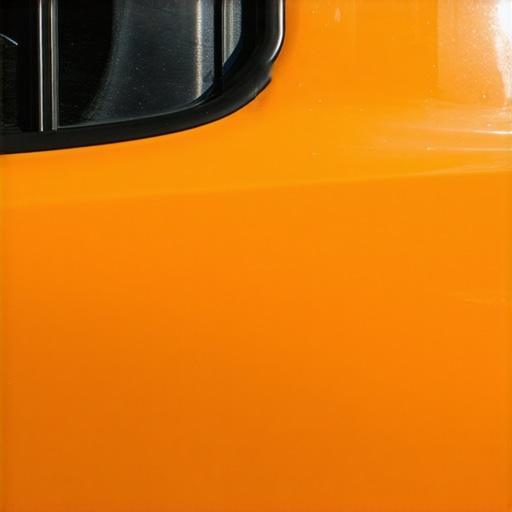
It happened on a sunny afternoon, right after I finished buffing my car. I expected that glossy, flawless finish—what I got instead was a surface that looked like an orange peel. Talk about a gut punch. At first, I thought I had sabotaged my own paint job, and honestly, I was ready to give up. But then I realized—this was a common problem, and more importantly, it was fixable.
Getting to the Root of the Texture Trouble
When I first noticed that bumpy, uneven surface sprouting on my freshly painted car, I felt like an amateur. Turns out, this isn’t just about aesthetics—it’s a paint application issue that can compromise your car’s protection and resale value. The culprit? Usually, it’s because of improper spray technique, wrong spraying distance, or environmental factors like humidity and dust that ruin the finish. In fact, a study from the National Institute of Standards and Technology emphasizes that environmental controls during automotive painting are crucial for achieving a smooth surface.
If you’ve ever faced this orange peel effect, you’re not alone. Many enthusiasts and professionals alike stumble over this problem early in their auto refinement journey. But here’s the good news: with the right understanding and technique, you can restore that perfect, glossy look without breaking the bank.
Interested in turning your paint nightmare into a success story? Stay tuned. We’ll explore step-by-step how to address this issue—so you can finally enjoy that mirror-like shine we all crave.
Is the Orange Peel Effect Actually Worth the Hype?
Honestly, I made a mistake early on by assuming that more paint would cover imperfections. I just kept layering, which only made the texture worse. Lesson learned: patience and proper technique matter far more than sheer coverage. Don’t let initial setbacks discourage you—many have been in your shoes and come out with a flawless finish. If you want to dive deeper into professional strategies, check out [CollisionRenew’s restoration tactics](https://collisionrenew.com/collision-renewal-strategies-restoring-your-car-to-perfection). Now, let’s get into what really causes this finish—so you can fix it once and for all.
Sand the Surface for a Smooth Finish
Begin by thoroughly sanding the affected area with fine-grit sandpaper, such as 1500 or 2000 grit. This step gently removes the uneven layers, leveling the surface. I once tackled this on my own car, and after a careful sanding, the bumps noticeably diminished, setting the stage for a better paint job.
Clean the Area Meticulously
Use a lint-free cloth and a solvent like isopropyl alcohol to wipe away dust and grease. Any remaining particles can mar the new coat of paint. During my project, I made sure to scrub the area twice, which prevented dust from settling and ensured a cleaner base.
Apply a Clear Coat with Proper Technique
Switch to a clean spray gun or aerosol can, keeping it at the right distance—about 6–8 inches from the surface. Use smooth, sweeping motions, overlapping slightly to avoid drips. I learned this the hard way when spraying too close, which caused runs; maintaining the correct distance made my finish much smoother.
Adjust Your Spray Parameters
Ensure your spray gun has the correct pressure—usually around 30–40 psi—and that you’re using the right nozzle size for clear coats. Practice on a scrap piece first. During my attempt, fine-tuning my pressure helped reduce orange peel, resulting in a glossy, mirror-like surface.
Control Environmental Factors
Work in a dust-free, low-humidity environment. Using a spray booth or a makeshift tent can greatly improve results. I once painted outdoors on a humid day, which worsened the texture, so I now prefer a controlled space for these delicate steps. See more on perfecting your car finish.
Let it Cure and Then Wet Sand
Allow the clear coat to cure properly—typically 24–48 hours. Once hardened, lightly wet sand with ultra-fine abrasive and water to eliminate any remaining imperfections. I finished polishing after wet sanding, and the difference was astonishing—your car will gleam like new, free of the orange peel texture.
Polish to a High Shine
Use a high-quality polishing compound and a soft buffing pad to restore gloss. This final touch blends the new paint seamlessly with the existing surface. My first polishing session took patience, but watching the dull spots turn into a mirror finish made it all worthwhile.
Many car owners believe they understand the basics of collision repair and auto maintenance, but beneath the surface lie nuanced pitfalls that can cost time and money. One common misconception is that all auto repair shops deliver the same quality, but in reality, expertise varies significantly. Professional collision renewal requires a keen eye for detail and advanced techniques that go beyond surface-level fixes.
Why Do So Many People Fall for These Auto Repair Assumptions?
A key mistake is trusting generic advice or overly simplistic solutions. For instance, some drivers think that brake squeal always indicates the need for new pads, but often it’s just a matter of cleaner or lubricator, or even proper alignment—something that an expert can identify quickly. Rushing into repairs without understanding the root cause can lead to unnecessary expenses and further damage. According to a study from the Automotive Service Association, misdiagnosis accounts for nearly 30% of repair failures, underscoring the importance of a precise approach.
For example, many assume that transmission issues are always hefty jobs, but sometimes, a simple sensor adjustment can restore smooth shifting. This highlights the importance of recognizing the specific nuances in each repair case. Visiting https://collisionrenew.com/important-car-service-checks-to-extend-your-vehicles-life can provide insight into comprehensive diagnostics that prevent common pitfalls.
What Advanced Mistake Can Damage Your Auto Repair Results?
One of the most overlooked errors is neglecting the environmental and preparatory steps that ensure a durable fix. In collision renewal, improper surface prep or rushing the curing process can cause paint or bond failure months down the line. Similarly, in brake servicing, not checking for underlying issues like warped rotors or caliper sticking can result in a repeated failure. These advanced mistakes stem from a focus on quick fixes rather than sustainable solutions. Ensuring you work with technicians who understand the complex interplay between components mitigates this risk. You can learn more about high-quality repair practices at https://collisionrenew.com/collision-renewal-strategies-restoring-your-car-to-perfection.
Understanding these hidden nuances—like the pitfalls of surface prep, environmental controls, and precise diagnostics—can help you make informed decisions and avoid costly repeats. Are you aware of the subtle details that differentiate amateur fixes from professional restoration? Let me know in the comments. Being vigilant about these intricate aspects is essential for maintaining your vehicle’s safety, appearance, and longevity. Let’s dig deeper into how mastering these nuances can save you money and ensure a perfect finish every time.When it comes to keeping your vehicle reliably on the road, having the right tools is just as important as understanding the repair processes. I personally swear by a high-quality digital inspection camera—like the RIDGID Micro CA-300—because it allows me to peer into tight spots, check for hidden frame damage, and ensure components like transmission filters are in good shape without disassembling major parts. Using reliable, precision instruments reduces guesswork and enhances safety.
For ongoing maintenance, I recommend investing in a professional-grade scan tool such as the Autel MaxiSys MS909. This isn’t just for reading code errors; it provides deep diagnostics, live data streams, and calibration capabilities essential for complex systems like modern transmissions. Personally, I use it weekly during routine checks to catch issues before they escalate, saving time and money.
Another essential is a good torque wrench—my LEGO-like Tekton 1/2-Inch Drive Torque Wrench is a game-changer because precise torque specifications are critical when replacing brake calipers or tightening transmission components. Proper torque prevents premature wear and ensures safety.
In the future, I predict a surge in intelligent diagnostic tools that integrate machine learning to predict failures before they happen, possibly through smartphone apps linked to vehicle sensors. Staying ahead means equipping yourself now with tools that can interface with these emerging technologies.
How do I maintain tools over time? Regular calibration, proper storage, and cleaning are vital. For example, after each use, I wipe down electronic devices with anti-static cloths and store them in padded cases. Calibration of torque wrenches annually maintains accuracy, which is crucial for critical applications like brake service. Also, keeping manuals handy ensures I follow the latest specifications.
For optimal long-term results, always use tools recommended by your vehicle’s manufacturer and semiconductor specialists. This drill-down approach to tool selection enhances repair quality and longevity, whether you’re working on collision renewal, transmission, or brake systems.
If you’re serious about auto repair, try integrating a digital inspection camera into your routine. It’s an affordable way to elevate your diagnostics and catch problems early, especially when inspecting hidden components or confirming your repairs. For an in-depth guide on maintaining your tools and ensuring your equipment stays in top condition, check out the detailed strategies at https://collisionrenew.com/essential-car-service-checks-to-extend-your-vehicles-life.
Behind Every Flaw Lies a Hidden Lesson
One of the most valuable lessons I discovered is that imperfections like orange peel aren’t failures but opportunities to refine your technique. Embracing patience and meticulous preparation turned my initial frustration into mastery, proving that mastery in collision renewal is achieved through continuous learning and attention to detail.
Tools and Knowledge Are Your Best Allies
Investing in quality tools and educating yourself beyond basic repair guides makes a tangible difference. Whether it’s a precise spray gun or understanding environmental controls, harnessing the right resources empowers you to tackle complex auto repairs confidently. For in-depth insights, exploring professional strategies at CollisionRenew’s restoration tactics can elevate your approach.
Progress Is a Journey, Not a Sprint
Every successful collision renewal or auto repair effort builds upon prior experience. Recognizing that setbacks, like orange peel or misdiagnoses, are stepping stones helps maintain motivation. Remember, the goal isn’t perfection overnight but consistent improvement—each repair makes you more skilled and your vehicle more reliable.
My Hard-Earned Wisdom on Auto Repair
- Patience beats rushing; taking time to prep and cure enhances durability and appearance.
- Educate yourself on environmental conditions—they’re often the unseen factors sabotaging your finish.
- Tools matter—quality equipment can be the difference between a good and a flawless repair.
- Learning from mistakes accelerates growth, transforming setbacks into skillful restorations.
Gear Up for Success and Keep Improving
If you’re committed to achieving professional-level collision renewal and auto repairs, start by refining your techniques and investing in the right knowledge. You’ll find your confidence grows, and your vehicle’s finish becomes breathtaking. For comprehensive guidance on how to keep your car running smoothly and looking sharp, check out the ultimate guide to auto repair.