
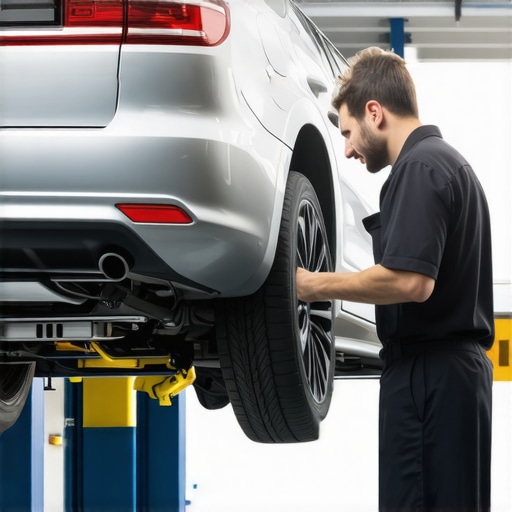
It happened so fast I barely had time to react. One moment, I was cruising down the street, and the next, my brakes squealed loudly, and the car jerked unexpectedly. That lightbulb moment hit me hard—if I didn’t get my brake and transmission system checked, I might be risking my safety and that of my loved ones every time I hit the road. Like many drivers, I used to ignore those warning signs, thinking they were minor issues. But I learned the hard way that neglecting expert auto repair services can turn a small problem into a dangerous situation.
Why Staying Ahead of Brake and Transmission Problems Matters More Than Ever
In 2024, vehicle safety is more critical than ever, especially with the increasing complexity of modern cars. Regular maintenance isn’t just about avoiding costly repairs; it’s about ensuring your safety and the safety of everyone around you. Did you know that according to a recent report, brake failure accounts for a significant percentage of road accidents? That’s why expert brake & transmission services are crucial, particularly as your car ages or if you notice any unusual behavior like grinding noises or difficulty shifting gears.
Have You Faced This Problem Before?
If you’ve ever ignored that squeal or felt your car hesitate during acceleration, you’re not alone. Many drivers underestimate the importance of timely repairs, often thinking they can wait. But I made that mistake early on. I dismissed those warning signs and paid the price with a sudden breakdown that could have been prevented. That’s why I always recommend staying vigilant and seeking professional help at the first sign of trouble. For practical tips, I recommend checking out these essential tips for 2024.
In the next sections, I’ll share how expert services can save you time, money, and most importantly, your safety. Because when it comes to brakes and transmissions, prevention really is better than cure. So, let’s get started on making sure your vehicle is road-ready for whatever the year throws at you.
}**}#endassistant })();}## create_posts [{
Inspect Your Brake System Regularly
Think of your brakes as the safety net of your vehicle. I remember a time when I detected a faint squeal during my morning commute. Instead of ignoring it, I scheduled an inspection with a professional. The mechanic discovered worn brake pads, which could have led to brake failure. Regular brake inspections, especially before long trips, can prevent dangerous situations. For comprehensive tips, check out these essential tips for 2024.
Prioritize Transmission Health
Your transmission is the heart of gear shifting, much like the engine’s circulatory system. I once ignored a delayed response when shifting gears, thinking it was minor. The repair bill was steep, and the inconvenience was frustrating. To avoid such issues, schedule routine transmission fluid changes and diagnostics with expert technicians. Proper maintenance ensures smoother driving and safer roads. For detailed guidance, visit this comprehensive auto repair guide.
Recognize Early Warning Signs
Early signs like vibrations, strange noises, or difficulty in shifting shouldn’t be ignored. I once felt a harsh jerk during acceleration, which prompted a quick visit to my mechanic. The root cause was a failing transmission component, caught early thanks to vigilance. Regularly listening to your car and addressing minor issues can save lives. Learn more about spotting these signs at this complete auto repair guide.
Schedule Professional Maintenance
DIY fixes can be tempting but often fall short for complex systems like brakes and transmissions. In my experience, trusting qualified experts has been the safest choice. They use specialized tools and knowledge to diagnose and repair issues efficiently. Make it a habit to follow your vehicle’s maintenance schedule and seek expert services periodically. For trusted service providers, explore top brake & transmission services.
Use Quality Parts and Fluids
High-quality brake pads, rotors, and transmission fluids are vital for optimal performance. I once purchased cheap replacements, which led to quick wear and additional repairs. Investing in OEM or premium parts ensures durability and safety. Always ask your mechanic for recommended parts and fluids. For the best options, review recommended maintenance tips.
Many car owners operate under misconceptions about maintaining their brakes and transmissions, which can lead to costly repairs or even dangerous driving conditions. Let’s dig deeper into some of the most prevalent myths and reveal the hidden nuances that only seasoned mechanics and automotive experts understand.
Why Do People Overlook the Complexity of Modern Brake Systems?
Contrary to popular belief, modern brake systems are far more intricate than just pads and rotors. Many assume that replacing worn brake pads is sufficient, but neglecting components like brake calipers, hydraulic lines, and electronic sensors can compromise safety. For instance, a common mistake is ignoring subtle signs like uneven brake wear, which can indicate underlying issues such as stuck calipers or brake fluid leaks. Regular, comprehensive inspections by professionals can detect these nuances early, preventing sudden failures. To stay ahead, check out these essential tips for 2024.
Advanced Mistake: Underestimating Transmission Fluid Degradation
Many drivers believe that transmission fluid, once changed, lasts forever. This is a dangerous misconception. Transmission fluid breaks down over time and with mileage, losing its lubricating and cooling properties, especially in high-stress driving conditions. Experts recommend routine diagnostics and fluid analysis rather than just routine changes. This nuanced approach helps identify early signs of wear, such as metal shavings in the fluid or abnormal temperature fluctuations, which can prevent costly rebuilds. For more insights, visit this comprehensive auto repair guide.
What About Modern Technologies and Sensors
Many drivers think that electronic sensors and ABS systems make manual inspections unnecessary. In reality, these systems are sophisticated but not foolproof. Sensors can fail or give false readings, leading to overlooked issues that require expert diagnosis. Relying solely on dashboard warnings without professional assessments can be dangerous. Regular inspections with diagnostic tools ensure that all electronic and mechanical systems function properly. Remember, proactive maintenance is always better than reactive repairs. Learn more at these maintenance tricks for 2024.
Have you ever fallen into this trap? Let me know in the comments. Understanding the hidden nuances of brake and transmission care can save you money and, most importantly, lives on the road. Stay vigilant and trust expert services to keep your vehicle in peak condition.
Maintaining your vehicle’s brake and transmission systems requires more than just routine inspections; it calls for the right tools and methods that can diagnose issues early and ensure long-term performance. Over the years, I’ve refined my toolkit to include some standout equipment that has saved me time and money, while also giving me peace of mind on the road.
Invest in a Quality Diagnostic Scanner
A professional-grade OBD-II scanner is indispensable. I personally use the Autel MaxiCOM MK808 because it provides comprehensive live data and can read and clear error codes for both transmission and braking systems. This device helped me identify a slipping transmission early before it led to a costly rebuild. With the trend toward integrated electronic control modules, having a reliable scanner allows you to stay ahead of emerging issues and plan preventative maintenance. As technology evolves, I predict diagnostic tools will become even more sophisticated, incorporating AI for predictive analytics. For now, this scanner remains my go-to for accurate diagnostics.
Use a Precision Brake Bleeder Kit
When it’s time to replace brake fluid, I rely on a handheld vacuum brake bleeder. I prefer models like the Mityvac MV8000 because it allows me to perform fluid changes with minimal mess and ensures the system is properly purged of old, moisture-laden fluid. Regularly bleeding brakes helps maintain responsive stopping power, especially in high-stress driving conditions. Investing in a quality bleeder kit makes the process easier and more reliable, preventing air bubbles that can compromise safety. As brake systems become more complex with electronic sensors, ensuring clean fluid is more critical than ever.
Implement a Transmission Fluid Tester
For ongoing transmission health, I use a transmission fluid test kit that measures the fluid’s temperature and viscosity. This simple device, like the Pressol Transmission Oil Test, allows me to check whether the fluid is degrading prematurely. I highly recommend incorporating this into your routine maintenance because it provides early warning signs of internal wear that might not be evident through driving symptoms alone. With advancements in transmission technology, routine testing will become an even more vital part of vehicle care, helping predict failures before they happen.
Predicting the Future of Auto Maintenance
Looking ahead, I believe the integration of smart tools and IoT devices will revolutionize how we maintain our vehicles. Imagine sensors embedded in systems that continuously monitor health and alert you via your smartphone about potential issues. This proactive approach will shift auto care from reactive repairs to predictive maintenance, saving you money and enhancing safety. But until then, equipping yourself with the right diagnostic and maintenance tools, like a solid scanner and fluid testers, is your best bet for keeping your brake and transmission systems in top shape.
Ready to take your vehicle maintenance to the next level? Start by trying out a transmission fluid test with your current tools. Regular testing can reveal hidden problems early, saving you from costly repairs down the line. For detailed guidance on auto repair tools, visit this comprehensive auto repair guide.
The Hardest Lesson I Learned About Brake and Transmission Care
One of the biggest lightbulb moments in my auto maintenance journey was realizing that ignoring subtle warning signs can lead to dangerous failures. I once dismissed a faint squeal, assuming it was nothing, only to face a costly brake overhaul. Now, I know that even minor noises can be early signals of deeper issues, and addressing them promptly saves money and lives.
3 Myths About Brake Systems That Held Me Back
I used to believe that brake pads alone were enough to keep braking performance optimal. I also thought that once replaced, brake fluid didn’t need attention for years. Discovering the complexity of modern brake systems and the importance of regular fluid analysis was eye-opening. These myths delayed my maintenance, risking safety and increasing repair costs.
What Experts Won’t Tell You About Transmission Maintenance
Many assume that transmission fluid lasts forever. I learned that fluid degrades with time and mileage, especially under demanding driving conditions. Routine diagnostics and fluid tests can preempt internal wear, preventing expensive rebuilds. Trusting expert advice and embracing proactive testing transformed my approach to transmission health.