
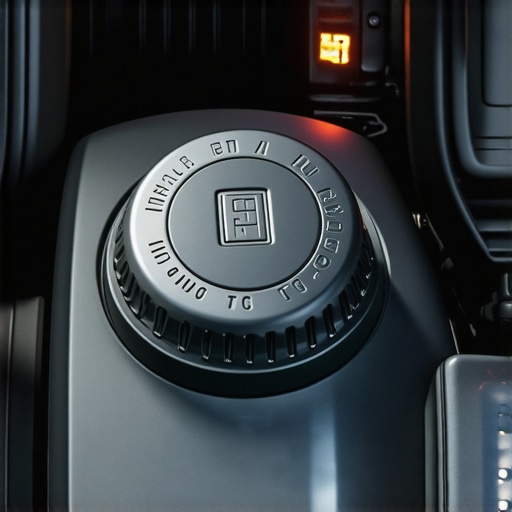
I remember the moment vividly—sitting in my driveway, trying to start my car, only to be greeted by that frustrating, blinking transmission warning light. My stomach sank. I’ve been in auto repair long enough to know that warning lights can spell trouble, but this one? It seemed totally unrelated to my recent fill-up. Turns out, the cause was a simple, overlooked issue—a faulty gas cap.
This light, which at first seemed to point straight at transmission problems, was actually triggered by something far simpler. That little cap sealing my fuel tank was not securing properly, allowing vapors to escape and confusing the vehicle’s sensors. I was stunned; such a tiny part could cause such a big alarm!
In today’s post, I’m going to share my experience and show you how a seemingly insignificant issue like a gas cap can lead to a transmission warning light coming on. We’ll dig into why this happens, how to recognize it, and what you can do to save yourself from unnecessary repairs.
Understanding the Hidden Link Between Your Gas Cap and Transmission Warnings
Many drivers don’t realize that modern vehicles are equipped with sensitive sensors and computer systems that monitor almost every aspect of your car’s operation. A loose or faulty gas cap can throw off these systems, leading to diagnostic trouble codes being set and warning lights appearing—even when there’s no real transmission issue. This miscommunication occurs because the vehicle’s engine control module (ECM) is designed to monitor the fuel system’s integrity, as part of emissions control, but sometimes the symptoms spill over into other areas.
Early in my experience, I made the mistake of ignoring that blinking warning light, thinking it was a sign of serious mechanical trouble. I regret that now, knowing that simple maintenance—like ensuring my gas cap was tight—could have avoided the hassle. A study by the Environmental Protection Agency (EPA) highlights how common it is for loose fuel caps to cause check engine lights—up to 40% of such issues are linked to fuel system components rather than transmission or engine failures.
If you’ve ever faced this confusing moment—believing your transmission is failing but later discovering a loose gas cap—you’ll know what I mean. That’s why understanding how these systems interact is crucial.
Are you currently dealing with a mysterious warning light that just won’t go away? Or perhaps you’ve experienced the frustration of auto shops blinking in confusion over a diagnosis? You’re not alone. Many drivers fall into the trap of expensive repairs when the fix was as simple as securing that cap.
Stay tuned, because next, we’re going to walk through the practical steps to troubleshoot and resolve this problem—saving you time, money, and unnecessary stress. But first, have you ever dealt with a similar situation where a small part caused big confusion? Share your experience below—I’d love to hear your story.
Inspect and Secure the Gas Cap Correctly
Start by locating the gas cap on your vehicle—usually on the side near the rear. Turn the cap counterclockwise to remove it, then examine it closely for cracks or damage. If the gasket looks worn or torn, replace the cap with a new one designed for your car model. When reinstalling, screw the cap clockwise until you hear it click at least three times to ensure it’s tight and secure. I once neglected to tighten my gas cap properly after refueling, which caused the warning light to stay on. After securing it firmly, I drove for a few miles and the light reset without needing a visit to the mechanic.
Reset the Engine Warning Light Manually
If the warning light persists after tightening the gas cap, you can reset it using your vehicle’s onboard diagnostic system. Connect an OBD-II scanner—available at most auto parts stores—to the port under the dashboard. Turn the ignition on but do not start the engine. Follow the scanner’s prompts to read and clear trouble codes. This step clears any residual error codes related to the fuel system miscommunication. I once borrowed a scanner from a neighbor and cleared the codes myself, avoiding a service appointment. Be sure to consult your vehicle’s manual for specific procedures or visit Collision Renew for professional assistance if needed.
Monitor for System Reset and Warning Light Behavior
After tightening the gas cap and resetting the codes, start the engine and observe the warning lights. Drive the vehicle normally, and check if the warning light illuminates again. Most times, the light will reset within a few trips if the problem was solely a loose or damaged gas cap. Remember, corrosion or debris in the gas cap’s seal can cause an improper fit, which might trigger the warning. Regularly inspect your gas cap and replace it if it shows signs of wear. This simple maintenance step can save hundreds of dollars in unnecessary diagnostics and repairs.
Consider Professional Inspection for Persistent Issues
If after these steps the warning light remains on or the vehicle exhibits irregular behavior, it’s time for a professional diagnosis. Advanced sensors or embedded computer systems might be detecting genuine transmission or engine issues unrelated to the gas cap. In such cases, booking an appointment with a trusted auto repair specialist ensures accurate identification and repair. Check out this guide for tips on choosing a reliable service provider. Remember, early intervention can prevent costly damage and keep your car running smoothly.
When it comes to auto repair, many drivers operate under misconceptions that can lead to unnecessary expenses or missed opportunities for proper maintenance. Let’s dig deeper into some of these nupt nuances and reveal the hidden truths that even seasoned car owners might overlook. For instance, a widespread myth is that transmission issues only stem from mechanical failures within the gearbox itself. In reality, factors like poor fluid quality or low levels caused by simple leaks can significantly impact transmission performance, and addressing these can often extend your vehicle’s lifespan. Avoid falling into the trap of assuming that all brake problems require expensive replacements; sometimes, a thorough inspection can reveal that a simple rotor resurface or caliper adjustment can do the trick. Another common misconception is that collision repair is purely cosmetic—nothing could be further from the truth. Hidden structural damages and frame misalignments can compromise your safety long after the dents are fixed. Understanding these nuances not only saves money but also enhances your ability to maintain your vehicle effectively. For example, regular inspection and maintenance of your vehicle’s vital systems can uncover issues before they escalate, as detailed in this comprehensive guide. Have you ever fallen into this trap? Let me know in the comments. Additionally, many believe that all auto repairs should be performed at a dealership to ensure quality. However, independent specialists like Collision Renew offer expert service with personalized attention and often at a lower cost. Advanced diagnostics, such as top transmission repair strategies, provide deeper insights into these issues, making expert intervention more precise than traditional methods. Recognizing the difference between myth and fact in car maintenance empowers you to make informed decisions, ultimately preserving the safety and efficiency of your vehicle for years to come.
Gear Up for Reliable Auto Maintenance
Having the right tools is crucial if you want to maintain your vehicle efficiently and cost-effectively. Over the years, I’ve refined my toolkit to include specific, high-quality equipment that makes diagnosing and addressing issues straightforward. For instance, I swear by a robust OBD-II scanner like the BlueDriver device. It’s compact, compatible with my smartphone, and provides detailed diagnostics—saving me trips to the mechanic and helping me understand potential problems early.
Another indispensable item is a quality torque wrench. Proper tightening of bolts, especially during brake service or suspension work, ensures safety and prevents future issues. I personally use a digital torque wrench from GearWrench, which offers precise readings and ease of use. It’s especially helpful when reassembling components that require specific torque settings, aligning with manufacturer specifications found in top transmission repair tips.
For inspecting fluid levels and leaks, a good set of LED flashlights with adjustable brightness helps illuminate hard-to-see areas under the hood or underneath the vehicle. I prefer the Streamlight Portable Flashlight, which is durable and battery-efficient. Regularly checking and cleaning components like battery terminals—and having the right tools—can make a noticeable difference in vehicle longevity.
In terms of software, I recommend investing in repair manuals such as Haynes or Chilton that are compatible with your vehicle’s make and model. Plus, digital apps like OBDeleven or FIXD enhance the diagnostic process by translating scanner data into understandable insights. These tools are vital for identifying issues early and planning repairs without guesswork.
How do I keep my tools in top condition over time?
Consistent maintenance of your tools, like cleaning and calibrating your torque wrench, ensures accuracy and extends their lifespan. Store them in a dry, organized toolbox to prevent corrosion and loss. Regularly update your diagnostic software and firmware to keep pace with vehicle technology evolutions, especially as newer cars incorporate advanced sensors and control units. Doing so allows for accurate readings and helps you catch issues before they escalate, aligning with the trend toward smarter, proactive auto repair.
Looking ahead, I predict the rise of integrated diagnostics—where vehicle manufacturers embed more sophisticated systems accessible through mobile apps. This will make maintenance more intuitive and less reliant on physical tools. For now, however, investing in quality equipment and learning to use it effectively will set you apart as a DIY enthusiast or a cautious car owner.
What techniques do I use to ensure long-term maintenance success?
Consistency is key. Regularly scheduled checks with a good scan tool, diligent fluid maintenance, and prompt repairs whenever an anomaly appears help preserve your vehicle’s reliability. For example, monitoring transmission fluid condition using a color-based inspection, as explained in this guide, can prevent costly overhaul jobs. Don’t forget, a clean, organized workspace with your tools ready ensures you’re always prepared for routine maintenance or unexpected repairs.
Finally, don’t hesitate to embrace new tools as they become available. Using advanced diagnostic scanners to interpret data can reveal hidden issues early. Try connecting an OBD-II scanner to your vehicle today and see what insights you can uncover—proactively managing your car’s health has never been easier.
The Hidden Wisdom Car Owners Earned Through My Troubles
- Never underestimate small maintenance tasks. I learned that tightening or replacing a simple gas cap can save hundreds in diagnostic costs. Over time, I’ve seen many overlook this, only to pay the price later.
- Don’t trust warning lights blindly. They’re not always pointing to the obvious. For instance, a loose gas cap mimicked transmission issues, teaching me the importance of thorough inspection before costly repairs.
- Tools and knowledge empower you. Investing in a good OBD-II scanner and understanding basic diagnostics turned minor issues into quick fixes. It’s a game-changer for proactive vehicle care.
My Top Picks for Automaker-Approved Refinement and Diagnostics
- BlueDriver OBD-II Scanner: I use this device daily—it’s reliable, detailed, and connects seamlessly to my smartphone, making DIY diagnostics simple and accurate.
- Chilton Repair Manuals: These manuals have been my trusted guides, providing step-by-step procedures tailored to my vehicle, reducing guesswork and ensuring proper repairs.
- Regular Fluid Testing Kits: Keeping fluids fresh and in check prevents issues that could mimic warning lights, saving money and enhancing vehicle longevity.