
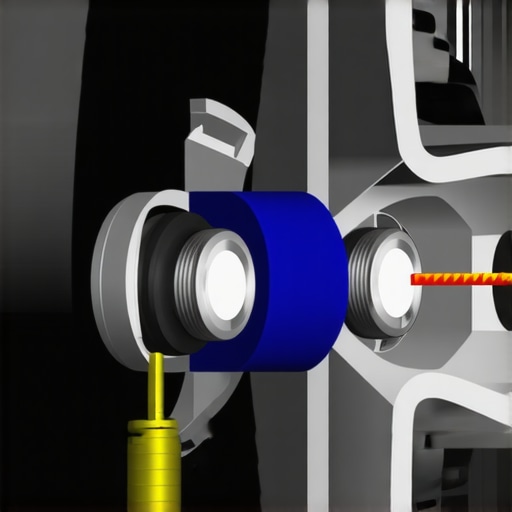
It happened unexpectedly, just as I was inching into my driveway after a long day. The car suddenly jerked, then warning lights flashed on the dashboard like a Christmas tree. I felt a ripple of panic—was my brake system failing? Turns out, a faulty wheel speed sensor was to blame, and I had no idea how much it could mess with my braking performance until I experienced it firsthand.
When Your Brakes Don’t Respond Like They Should
One day, out of nowhere, my ABS light lit up, and my stopping power felt uneven—like trying to brake through molasses on a cold day. That light signaled something was off, but I brushed it aside, thinking it was just a glitch. Spoiler alert: ignoring these signs can be risky, and I learned this the hard way. Faulty wheel speed sensors are sneaky—they can make your brakes less effective, increase stopping distances, and even cause the ABS to activate when it shouldn’t. What I didn’t realize was that these sensors are tiny, but essential, parts of your vehicle’s safety system.
In today’s post, I’ll walk you through how a faulty wheel speed sensor affects your braking, share my own slip-ups, and guide you on spotting the signs early. Trust me, catching this issue before it becomes a crisis can save you money and, more importantly, your safety.
Is Your Car’s Safety System Overhyped?
Early in my auto repair journey, I made the mistake of dismissing warning lights, thinking they were just minor inconveniences. I ignored a small thump when braking, assuming it was just normal wear. That was a mistake. According to the ultimate guide to auto repair, sensors like the wheel speed sensor are crucial for your vehicle’s safety features. Neglecting them can lead to uneven brake wear, increased stopping distances, and even total brake failure in extreme cases.
So, before you shrug off that odd feel when you brake or that warning light that blinks on your dash, remember my story. Recognizing these early signs and understanding their impact can make all the difference.
Next, we’ll explore how to identify a faulty wheel speed sensor and what steps you can take to keep your braking system in top shape. Ready to become your car’s safety champion?
Test the Sensor with a Multimeter
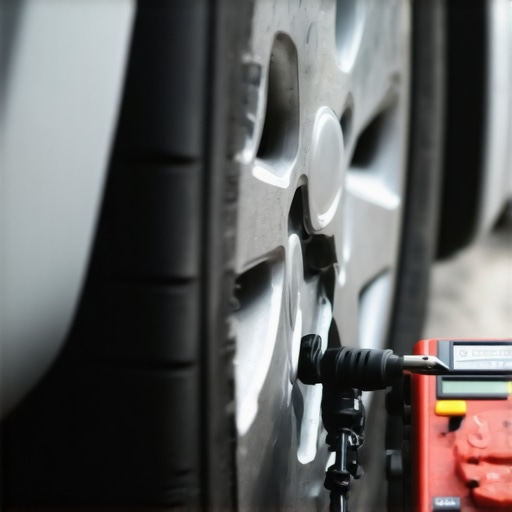
Start by locating the wheel speed sensor—typically near the hub or brake assembly. Disconnect the sensor wire carefully. Use a digital multimeter set to the ohms (Ω) scale to measure resistance. Connect the probes to the sensor terminals and check the readings against the vehicle manufacturer’s specifications listed in your repair manual. A reading of infinite resistance or zero indicates a faulty sensor. I once replaced a sensor precisely following this step, saving me from a costly dealership visit.
Inspect and Clean the Sensor
Sometimes, dirt, rust, or debris obstruct the sensor’s magnetic field, causing erroneous readings. Clean the sensor and its mounting area with a soft brush and electronic cleaner. Be gentle—aggressive scrubbing could damage delicate components. During my own repair, cleaning the sensor restored proper function, preventing the need for replacement. Regular inspection can extend your sensor’s lifespan significantly.
Check the Wiring and Connectors
Damaged or corroded wiring harnesses can mimic sensor failures. Visually examine the wiring for frays, corrosion, or broken insulation. Use a wiring tester to verify continuity from the sensor to the vehicle’s ECU. If you find damaged wiring, splice in fresh wiring or replace entire harness segments as needed. I once repaired a connector with a soldering iron, which proved more reliable than a quick fix with tape.
Replace the Sensor if Necessary
If testing and cleaning don’t restore functionality, installing a new wheel speed sensor is the next step. Align the new sensor correctly, secure it tightly, and reconnect the wiring. Clear any error codes using an OBD-II scanner. After replacement, take your car for a test drive to ensure the ABS and traction control lights stay off. Following this process saved me from future brake performance issues.
Test Drive and Confirm Repair
Drive at various speeds to see if warning lights return. Use an scan tool to verify there are no residual error codes. Confirm that braking feels responsive and consistent. Don’t skip this step; a proper test drive ensures your fix is effective. Regularly performing these checks aligns with the recommendations in auto repair best practices.
 While many car owners think they understand basic maintenance, there’s a common misconception that all auto repairs are straightforward and easily DIYable. In reality, the nuances of vehicle systems, especially during complex repairs like transmission rebuilds or sophisticated brake services, require a deeper knowledge that often goes beyond the standard advice. For instance, many believe that flushing the transmission fluid is sufficient every 30,000 miles, but experts warn that neglecting contamination sources or using incorrect fluids can lead to premature transmission failure, as detailed in this comprehensive guide.
A common myth is that brake pads wear evenly, but in reality, if the rotors are warped or calipers inconsistently applied, certain pads can wear prematurely, leading to uneven braking or even brake failure. Regular inspections are crucial, but understanding how micro-adjustments and proper calibration influence braking effectiveness is where most enthusiasts fall short.
For advanced DIYers, a trap often encountered involves not checking sensor calibration after replacing components like wheel speed sensors or ABS modules. This oversight can result in persistent warning lights or impaired safety features—an issue I faced firsthand. Proper calibration ensures your vehicle’s safety systems recognize new parts correctly. See this article for a detailed approach.
**Ever wondered whether a seemingly minor repair could have long-term consequences if overlooked?** For example, neglecting to properly service or replace transmission fluid can cause internal wear, overheating, and eventually the need for costly repairs. A study by the Auto Repair Association highlights how proactive maintenance and understanding system intricacies extend vehicle lifespan.
Recognizing these hidden details is vital for any serious car owner aiming to prevent costly breakdowns. Do you fall prey to common repair myths or overlook minor details that could save you money and hassle? Share your experiences in the comments below and let’s keep the conversation going! 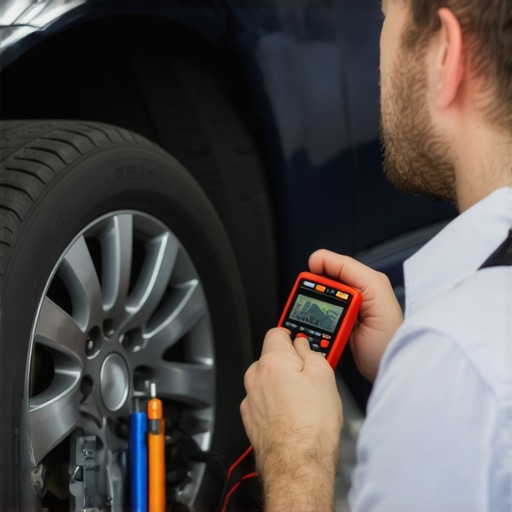
Invest in Quality Diagnostic Equipment
To keep your vehicle running smoothly over time, I rely heavily on a professional-grade OBD-II scanner like the Autel Maxisys Elite. While basic code readers are affordable, they often lack the depth required for complex diagnostics, especially when dealing with transmission or advanced braking systems. The Maxisys provides comprehensive ECU coding, live data streams, and special functions for modules like ABS, SRS, and transmission control units, enabling me to pinpoint issues before they become costly repairs. Regular use of such tools ensures I catch problems early, extending the lifespan of critical components.
Standardize Your Maintenance Routine
Creating a detailed maintenance schedule is essential. I follow recommendations from the ultimate guide to auto repair, emphasizing routine checks like fluid levels, filter replacements, and brake inspections. Using a checklist app customized for my vehicle makes it easier to track service intervals. This proactive approach minimizes unexpected breakdowns, preserves resale value, and maintains safety on the road.
Use High-Quality Replacement Parts
Replacing worn parts with OEM or certified aftermarket components ensures durability and compatibility. My go-to supplier for transmission parts, for instance, is a trusted distributor who guarantees that each item meets strict standards, reducing the chance of premature failure. Investing in quality now saves time and money down the line, especially for critical systems like brakes and transmissions, where subpar parts can compromise safety and performance.
How do I maintain my vehicle’s systems over time?
Ongoing maintenance involves more than just scheduled oil changes. It means routinely inspecting and calibrating sensors, updating software when applicable, and staying vigilant for warning signs. For example, regularly checking your brake lines for moisture accumulation, as detailed in this article, can prevent internal rust that leads to catastrophic failure. Combining these practices with good tools ensures long-term reliability and safety.
Future of Auto Maintenance Tools
Technological advancements will continue to enhance DIY capabilities, with AI-powered diagnostics and wireless sensor monitoring becoming more accessible. I predict that future tools will integrate seamlessly with smartphone apps, providing real-time health reports and recommendations, making maintenance more proactive than ever.
Venture beyond basic DIY fixes by trying out advanced diagnostic solutions like the Autel Maxisys. Not only will it help you catch issues early, but it also empowers you to make informed decisions about repairs and part replacements, ultimately saving time and money. Remember, the key to long-term vehicle health is consistency, quality tools, and a proactive mindset. Ready to upgrade your maintenance game? Try calibrating your sensors annually or after any repair, ensuring your vehicle’s systems operate flawlessly and safely.
Throughout my years of maintenance and repair, one truth stands out: paying attention to small signs can prevent major disasters. When I first ignored a blinking ABS light or an unusual feel when braking, I learned that proactive diagnosis with reliable tools like the essential car service checks can save you money and safeguard your safety. My experience taught me that understanding sensor calibration and wiring health is crucial—whether you’re replacing a wheel speed sensor or performing routine maintenance. Real breakthroughs happen when you combine intuition with professional-grade diagnostic tools, such as the top transmission repair tips and precise calibration. Remember, your vehicle’s braking system is a complex network that demands respect; neglect can lead to costly, dangerous failures. Empower yourself with knowledge about the signs of sensor failure and stay ahead with regular inspections and quality replacements. Investing in your vehicle’s health now ensures smoother, safer drives tomorrow.