
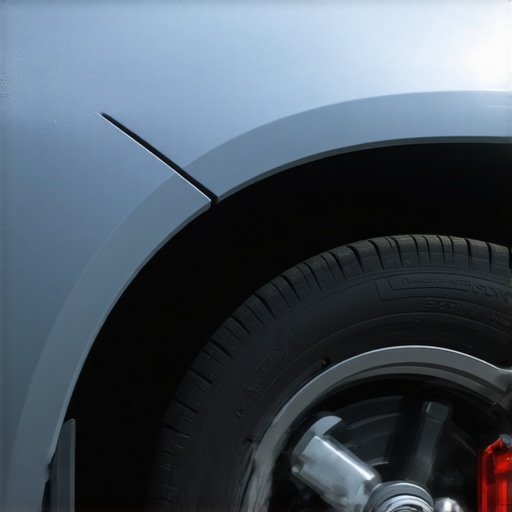
I remember the moment vividly. I was backing out of my driveway when I noticed a strange, rusty patch slowly creeping up behind my recently repaired fender. It wasn’t the big dent or scratch that bothered me; it was that sneaky rust formation hiding just out of sight. My initial reaction was frustration—how could something so seemingly minor turn into a bigger problem so quickly? That lightbulb moment made me realize the importance of understanding what really happens behind the scenes after a collision repair, especially when it comes to rust prevention.
The Hidden Battle Behind Your Fender
If you’ve ever had a collision repair, you know the process involves more than just fixing visible dents or scratches. But what often gets overlooked is what’s happening behind the panels—inside the cavities where water, dirt, and moisture can settle unnoticed. Without proper sealing and protection, these hidden areas become breeding grounds for rust. This issue isn’t just cosmetic; it threatens the structural integrity of your vehicle and can lead to costly repairs down the line.
Skeptical? Here’s Why You Should Care
I used to think that a paint job and a quick fix were enough—until I learned about the science behind rust formation. I made the mistake early on of neglecting the inner cavities after a repair, thinking visible patches were all that mattered. That small oversight cost me later, when rust crept in behind a seemingly perfect fender, forcing me into even more repairs. So, I understand your skepticism—many car owners don’t realize the significance of behind-the-scenes protection until it’s too late.
Did this resonate with you? Have you ever wondered if your repair was truly sealed against future rust? If so, stay tuned. Today, I’ll share proven strategies—backed by experts—to keep those hidden spots free of rust, making your investment in repairs last longer and your car safer to drive.
Seal Every Hidden Nook and Cranny
After a collision repair, focus on sealing all cavities and joints where water or moisture can sneak in. Use high-quality seam sealers on door frames, undercarriage panels, and trunk areas. In my experience, applying a flexible, corrosion-resistant sealant with a caulking gun ensures a tight barrier preventing rust formation. For example, I once repaired a rear quarter panel and meticulously sealed the gaps, which kept rust at bay for years.
Apply Protective Coatings to Exposed Metal
Next, coat all exposed steel surfaces with a corrosion-inhibiting primer or paint. Think of it like applying sunscreen on your skin—creating a barrier against environmental elements. I used a rust converter on rusty patches before painting over them, which chemically transformed rust into a stable compound. Remember, even small patches are opportunities for rust to start—don’t overlook them.
Use Undercoating for the Undercarriage
Undercoating provides a thick protective layer underneath your vehicle. It’s especially vital if you drive in harsh climates or salted roads. I sprayed a rubberized undercoating on my car’s underside, which dampened road noise and prevented moisture accumulation. Regularly inspect and reapply this coating annually for maximum effect.
Ensure Proper Drainage and Ventilation
Water trapped inside doors or panels accelerates rust. Make sure drain holes are unobstructed. In one repair, I cleared blocked drain plugs in the door sills, which allowed water to escape instead of pooling. Also, consider installing venting systems or breathers that allow moisture to evaporate, reducing internal corrosion risks.
Schedule Routine Maintenance Checks
Regularly inspect your vehicle’s hidden areas—like wheel wells, trunk, and door panels—for signs of moisture or corrosion. I set reminders to check these spots every six months, especially before winter. Use flashlights and mirrors to get a clear view hidden behind trims or inside cavities. Catching early rust spots allows for quick intervention before they spread.
Leverage Professional Expertise
When in doubt, consult specialists who can apply advanced rust-proofing techniques. Experts often have access to professional-grade coatings and equipment that DIY kits can’t match. In my experience, visiting a trusted auto body shop for a rust prevention treatment after collision repairs has saved me thousands in future repairs.
For more insights on keeping your vehicle in prime condition, visit essential car service checks or explore collision renewal strategies.
Many car owners believe that getting a standard brake service or routine auto repair is straightforward—simply replacing worn parts or topping off fluids. However, as seasoned technicians, we understand there are subtle nuances that can mean the difference between a long-lasting fix and recurring issues. One common myth is that all brake pads are created equal; in reality, choosing the wrong material for your driving conditions can lead to uneven wear and premature replacement. For instance, ceramic pads produce less brake dust but might not perform as well under heavy-duty conditions, while semi-metallic pads excel in friction but wear out quicker. Knowing these distinctions ensures you select the right components, aligning with expert advice available at https://collisionrenew.com/braking-news-how-to-choose-the-best-brake-service-in-2025.
Keeping your vehicle running smoothly over the years requires more than just routine checks—equipping yourself with the right tools and understanding their proper use can make all the difference. As someone deeply involved in auto repair, I recommend investing in high-quality equipment that ensures precision and durability in your maintenance routines. For example, a digital torque wrench set to manufacturer specifications guarantees that brake components are tightened correctly, avoiding issues like uneven wear or premature failure. I personally use the CDN Torque Wrench because of its accuracy and sturdy construction, which provides confidence during critical repairs.
Another invaluable tool is a professional-grade diagnostic scanner, like the Autel MaxiCOM. It allows me to quickly identify and clear error codes related to braking, transmission, or engine systems, saving time and preventing minor problems from escalating. Investing in a scanner with live data functionality helps monitor system health over time and plan proactive maintenance.
In addition to hardware, leveraging specialized software can streamline the maintenance process. I utilize the collision renewal software platform to track service histories, schedule reminders, and access repair manuals, ensuring nothing falls through the cracks.
Looking ahead, I predict the trend toward integrated diagnostics and AI-driven predictive maintenance will grow, making auto repair more precise and less reactive. Embracing these technological advances will help you maintain your vehicle more effectively and reduce long-term costs.
So, I encourage you to try calibrating your torque wrench with a certified calibration service once a year. This small step can greatly improve the accuracy of your repairs and extend the lifespan of critical brake components. Want practical guidance? Check out the comprehensive guide on how to extend your vehicle’s lifespan through regular service checks for more tips on DIY maintenance.
In the end, what truly separates a quick fix from a lasting restoration is attention to those hidden spaces where rust begins its silent assault. My journey taught me that sealing every cavity, applying protective coatings, and routine inspections aren’t just maintenance tasks—they’re investments in your vehicle’s future. By taking these steps, you’re not only preserving your car’s appearance but also safeguarding its structural integrity, ensuring many more safe miles on the road.
The Unexpected Wisdom That Changed My Approach
- Never underestimate the power of a thorough inspection: I realized that a simple visual check isn’t enough—use mirrors and probes to uncover concealed rust spots before they become problems.
- Embrace professional treatments when in doubt: Sometimes, a DIY approach won’t cut it. trusting expert corrosion-proofing techniques can save money and prevent future headaches.
- Prevention is proactive: Regularly scheduled undercarriage washes, drain clearing, and internal cavity sealing are your best strategies against rust creep.
- Mind the details: Small patches or overlooked seams are perfect entry points for rust—address them early, and your repair will stand the test of time.
- Educate yourself about materials and coatings: Knowing which sealants and paints resist the environment best helps you make smarter choices post-repair.
Tools and Resources That Keep Rust at Bay
- High-quality seam sealers and corrosion-resistant paints: Products I trust personally to block moisture effectively and last for years.
- Professional undercoating services: Access to military-grade coatings through reputable auto body shops can make a huge difference.
- Routine inspection checklists: Download or create a simple guide to remember key spots for early rust detection.
- Expert tutorials and forums: Engage with communities and how-to guides at essential car service checks to stay updated and motivated.
Act Now and Keep Your Ride Forever Young
Applying these insights about rust prevention isn’t just about maintaining your vehicle—it’s about maintaining peace of mind. Protect your investment, ensure safety, and enjoy confidence every time you hit the road. Remember, small proactive steps today can prevent costly repairs tomorrow. So, why wait? Start inspecting, sealing, and protecting your vehicle now, and experience the difference a well-maintained car makes.
What hidden spots have surprised you with rust or other issues? Let me know below—you might help someone avoid a future headache!