
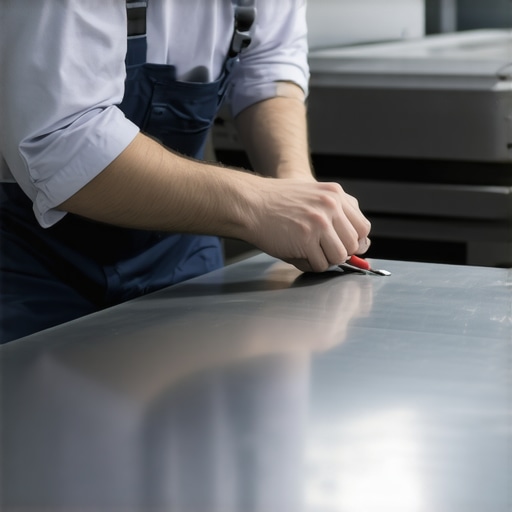
It happened to me on a gloomy Saturday morning—the kind where you think, ‘How bad can it be?’ but then your heart sinks because you’ve just cracked an aluminum panel during a DIY repair. I remember the instant regret and frustration as I stared at the tiny, jagged break I caused, knowing that aluminum’s delicate balance between malleability and weakness can turn a simple fix into a disaster. To be honest, I felt like I had lost valuable time and money, and my confidence in aluminum repairs took a hit.
But here’s the thing—I didn’t give up. Instead, I dug into everything I could find about repairing aluminum panels without causing more damage, and I want to share that journey with you. Today, we’ll tackle the common pitfalls, especially how easy it is to crack aluminum if you don’t know the tricks, and how to avoid making that costly mistake again.
Why Damaging Aluminum Panels Doesn’t Have To Be Your Next Failure
Aluminum panels are popular because they’re lightweight, corrosion-resistant, and look sleek. But they also come with a reputation for being tricky to repair properly. The urge to fix things quickly, combined with the misconception that aluminum is just like steel, often leads to cracks, especially when using incompatible tools or applying too much pressure.
From personal experience, I learned that not all repairs are created equal. Early on, I made a mistake by applying excessive force with a standard hammer, thinking I needed to ‘hit it hard’ to get the panel straight. That was my first lesson—aluminum needs gentle, precise touch. Applying the wrong tools or techniques can cause hairline fractures that quickly turn into cracks. When I saw the tiny crack appear, I realized I had to learn the specific methods for aluminum, not just guess my way through.
The good news? With the right approach, you can restore aluminum panels without cracking them. This is especially crucial if your vehicle’s body is aluminum—cracks not only ruin aesthetics but can compromise structural integrity and safety.
If you’re tired of risking more damage during repairs—whether it’s bodywork after a minor collision or fixing up a project car—you’re in the right place. I’ll guide you through proven strategies that I’ve tested myself, so you can fix aluminum panels confidently and without fuss.
Interested in more in-depth repair strategies? Check out [CollisionRenew’s restoration techniques](https://collisionrenew.com/collision-renewal-strategies-restoring-your-car-to-perfection) for expert tips and tricks.
Now, let’s get into the core of repairing aluminum panels properly—step by step—so that cracks stay in the past, and your project is a success.
Prepare the Aluminum Surface Carefully
Start by cleaning the panel thoroughly with a degreasing agent to remove dirt, grease, and oil. Use a soft cloth to avoid scratching the surface. Dry completely with a lint-free towel to prevent water spots. For example, I once used rubbing alcohol to clean a bent aluminum hood, which helped me see any cracks more clearly before working on it.
Select the Right Tools for Gentle Manipulation
Use plastic or aluminum mallets instead of steel hammers to prevent unwanted dents or fractures. Employ heat guns to gently warm the area, increasing malleability—think of it like softening butter before molding it. Once, I used a heat gun on low setting to make a dent easier to push out without causing a crack, resulting in a smooth finish.
Apply Controlled Pressure When Straightening
Use body fillers or plastic rods to support the panel while applying gentle pressure with your hands or soft tools. Avoid forcing the panel; instead, work incrementally, correcting small deviations at a time. It’s akin to straightening a bent fishing rod—slow, careful adjustments prevent snapping. During my repair, I shifted from brute force to patience, and the panel regained its shape without cracking.
Use Proper Heat and Cooling Cycles
Gradually heat the area to about 150°F (65°C) and then slowly cool with compressed air or a damp cloth. This controlled thermal cycling minimizes internal stresses that cause cracks. I learned this technique after noticing that rapid cooling often led to new fractures; slow temperature changes preserved the structural integrity.
Implement Finishing Techniques to Prevent Future Cracks
After shaping, sand the edges with fine-grit sandpaper to eliminate sharp corners that can propagate cracks. Use filler compounds designed for aluminum to smooth out imperfections, then prime and paint the surface with compatible auto body paint. This process seals the surface, reducing stress concentrations. I remember applying a special primer for aluminum, which greatly enhanced the repair’s durability.
Evaluate the Repair and Test the Panel
Check for flexibility and strength by gently testing the panel’s resistance in different areas. Use a non-abrasive cloth to feel for any protrusions or inconsistencies. If minor imperfections remain, repeat the smoothing process carefully. During my last fix, I inspected the area multiple times, ensuring the panel no longer showed signs of stress or newly forming cracks.
Always remember, patience and precision are key to preventing further damage when working with aluminum panels. For more detailed techniques, refer to CollisionRenew’s restoration strategies. Avoid rushing, and your repair will stand the test of time, keeping your vehicle looking great and structurally sound.
Many car owners believe they understand auto repair basics, but in reality, misconceptions abound—especially regarding collision renewal, transmission, and brake services. One widespread myth is that all brake pads wear out at the same rate, leading some to ignore uneven wear signs. However, uneven brake pad wear often indicates caliper sticking or disc warping, issues best addressed promptly to prevent costly repairs. Relying solely on brake pad replacement without diagnosing underlying causes can lead to pedal pulsation and compromised safety.
Another misconception concerns transmission fluid changes. Many drivers think that automatic transmission fluid lasts forever, but neglecting scheduled flushes can cause gear slipping, overheating, and eventual transmission failure. Experts recommend adhering to manufacturer service intervals or more frequent changes if you tow or drive in severe conditions. Skipping these can result in costly rebuilds, emphasizing the importance of proactive maintenance.
In collision repair, a common trap is the assumption that minor paint mismatches are acceptable. However, subtle color discrepancies might hint at deeper panel misalignments or previous substandard repairs, which could compromise the vehicle’s structural integrity. Professional collision renewal involves precise panel alignment and color matching, ensuring both aesthetics and safety are preserved.
**Beware the Oops Factor:** One advanced mistake often made is attempting DIY repairs without proper diagnostic tools. For instance, ignoring warning lights and continuing to drive can exacerbate issues like faulty sensors or electrical faults, leading to more extensive damage. A study by the Society of Automotive Engineers highlights that early diagnosis reduces repair costs by up to 40%, underscoring the need for expert evaluations.
### Why Does Ignoring Advanced Diagnostics Lead to Bigger Problems?
Neglecting advanced diagnostic methods can turn minor issues into major failures. For example, a subtle vibration during braking might seem harmless but could be caused by warped rotors or uneven brake deposits. Without proper testing, these problems remain hidden until they produce noise or a brake failure. Regularly consulting specialists who utilize tools like OBD-II scanners and thermal imaging can identify hidden problems early.
**External insight:** According to automotive engineer Marko Petik, “Integrating sophisticated diagnostic tools into routine service helps detect underlying causes that traditional inspections might miss.” This proactive approach can extend vehicle lifespan, improve safety, and save money.
Want to avoid these common pitfalls? Dive into [CollisionRenew’s strategies](https://collisionrenew.com/collision-renewal-strategies-restoring-your-car-to-perfection) for expert guidance on maintaining your vehicle’s health and avoiding costly errors. Remember, understanding the nuanced differences in auto repair not only saves money but also ensures your safety on the road.
Have you ever fallen into this trap? Let me know in the comments.
Maintaining your vehicle’s performance over time requires the right tools and a disciplined approach. As vehicles become more sophisticated, so do the methods for ensuring they stay reliable and safe on the road. From diagnostic software to specialized mechanical tools, having these in your arsenal empowers you to troubleshoot and prevent issues before they escalate.
Invest in Quality Diagnostic Equipment
One of my go-to tools is a high-quality OBD-II scanner, such as the BlueDriver Bluetooth Professional OBDII Scan Tool. Unlike basic code readers, this device provides detailed diagnostics including live data and repair reports, helping me pinpoint problems accurately. Using it regularly, especially before long trips, can reveal hidden issues—like subtle transmission slippage or sensor malfunctions—that might not trigger warning lights yet.
Utilize Precision Hand and Power Tools
When working on components like brakes or transmissions, I rely on specific tools such as a torque wrench calibrated for precise measurements. This ensures bolted connections are tightened to manufacturer specifications, preventing leaks or failures. Additionally, tools like a hydraulic transmission flush machine streamline fluid changes, reducing contamination risks and extending component lifespan.
Adopt Software for Long-Term Monitoring
Modern vehicles benefit from software-based maintenance scheduling. I use automotive service management apps that track mileage, interpret diagnostic codes, and alert me to upcoming service needs like transmission fluid changes or brake assessments. These tools help in planning maintenance proactively, avoiding costly emergencies.
Implement Routine Checks with Specific Techniques
Beyond tools, I recommend incorporating quick yet thorough checks into your routine. For example, regularly inspecting brake pads for uneven wear or fluid levels for signs of degradation can save time and money. For transmission, a 10-minute check—such as examining fluid color and smell—can indicate early issues. I detail this process in this guide.
Where Do This Trend Head Next
As automotive technology advances, the integration of AI-driven diagnostic tools and predictive maintenance will become mainstream. Expect systems that analyze data in real-time, alerting you to issues before symptoms appear. This proactive approach will dramatically improve vehicle longevity and safety.
How do I maintain my car’s systems over time?
Consistent use of specialized tools, vigilant routine checks, and smart software tracking are essential. Regularly updating diagnostic software and calibration tools ensures accuracy. Also, partnering with honest service providers who keep up with latest tech—like CollisionRenew—can help you stay ahead in your vehicle’s health.
Regardless of your expertise level, trying out advanced techniques like using a hydraulic transmission flush machine or installing diagnostic apps can make a significant difference. By making these tools part of your maintenance routine, you’ll enjoy a smoother, safer ride for miles to come. Interested in learning more about long-term vehicle care? Visit CollisionRenew’s comprehensive strategies for expert guidance.
The Hidden Lessons from My Aluminum Repair Journeys
One of the most valuable insights I gained was realizing that patience and gentle techniques trump brute force every time. Rushing through a repair often leads to unintended cracks or deformation, especially with delicate aluminum surfaces. I also learned that understanding the thermal properties of aluminum helps prevent internal stresses; controlling heat application is essential for avoiding cracks. Additionally, I discovered that proper surface preparation, including cleaning and sanding, creates a better bonding surface for fillers and paints, ensuring a durable finish. Lastly, collaborating with experts and utilizing high-quality tools saved me time and frustration, emphasizing the importance of investing in reliable equipment and knowledge before diving into repairs.
Gear That Elevated My Aluminum Fixes
My go-to tools include a precision heat gun with adjustable temperature controls, which allows me to warm the panel evenly without risking damage. I trust the High-Detail Aluminum Surface Cleaner for optimal surface prep, ensuring optimal adhesion of primers and fillers. For shaping and aligning, I rely on a set of plastic mallets and soft hand tools designed specifically for aluminum, preventing unwanted dents or fractures. Additionally, I use a high-quality OBD-II diagnostic scanner to check for underlying issues that might complicate repair work. These tools have consistently given me confidence and control during each project.
Your Next Step: Embrace Knowledge and Confidence
Repairing aluminum panels isn’t just about fixing a damaged surface—it’s about understanding the material’s nuances and respecting its fragility. By incorporating patience, precise tools, and proper techniques, you can transform a risky repair into a rewarding achievement. Remember, each successful fix builds your skill and confidence, turning a frustrating experience into a valuable lesson. To deepen your knowledge and discover more professional strategies, explore CollisionRenew’s comprehensive restoration guides. So go ahead—take that step towards mastering aluminum repairs, ensuring your vehicle looks great and stays safe for miles to come.