
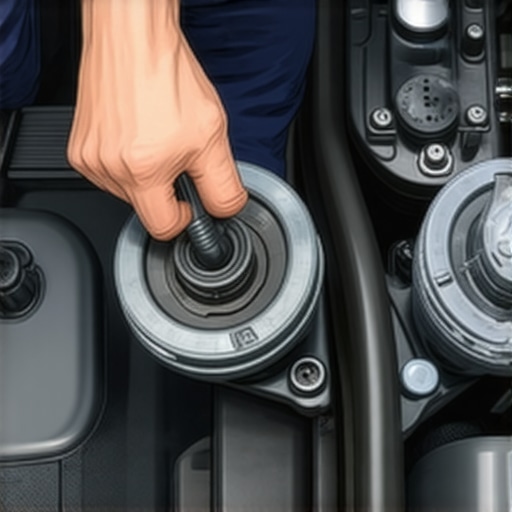
Have you ever been sitting in your car, ready to start your day, when suddenly a high-pitched whine erupts from under the hood every time you press the clutch pedal? It’s that annoying, nerve-wracking sound that seems to scream, “Hey, something’s not right!” and yet, when you push the clutch all the way in, it stops as suddenly as it started. I had this exact moment a few months ago with my own car, and let me tell you — it was more than just a run-of-the-mill squeal.
When I first heard that persistent whining, my mind rushed to the worst: transmission trouble, maybe a slipping clutch, or worse, a sign of internal damage that could cost hundreds. But after some digging, I realized it might be something far simpler, and honestly, fixable with a little know-how. That lightbulb moment led me down a path of discovery, patience, and a few mistakes along the way. Today, I want to share what I learned about diagnosing this pesky sound, so you’re not left scratching your head or anxious about that mysterious noise.
In this post, we’ll uncover the common causes of that whine, how to identify it, and—most importantly—what steps you can take to fix or prevent it. If you’re tired of that relentless squeal and want to regain peace of mind in your driving, then stick around. Because understanding whether it’s a minor tension adjustment or something more serious can save you money and stress.
Why Does that Whining Sound Jump Out at You?
The nagging noise usually comes from the clutch system or related components, often linked to the clutch release bearing, master or slave cylinder, or the tension of the clutch cable. Believe it or not, this seemingly small sound can be an early warning sign of mechanical wear or insufficient lubrication.
Early on, I made the mistake of ignoring strange noises, thinking they’d go away. But in reality, they tend to become louder and more persistent, solidifying into something that could lead to costly repairs. Regular inspection and some proactive maintenance can prevent a minor issue from spiraling into a major headache. For more pointers on extending your vehicle’s lifespan and avoiding costly breakdowns, check out [this comprehensive list of essential car service checks](https://collisionrenew.com/essential-car-service-checks-to-extend-your-vehicles-life).
So, if you’ve faced that embarrassing squeal right before shifting or have been wondering whether that high-pitched whine is normal, you’re not alone. Many drivers have been there, and the good news is that with a few simple tests, you can often pinpoint the cause of the noise without leaving your driveway.
Now, let’s get into the details—how to diagnose that whining sound and determine whether your clutch system needs a professional look or a quick fix from your toolbox. Stay tuned; it’s easier than you think to tame that troublesome squeal.
Test the Clutch Pedal
Start by pressing the clutch pedal multiple times, paying attention to the noise. A quick trick I used was to gently pump the pedal while the engine was running. If the whining heightens or diminishes, it points to components like the release bearing or the clutch cable. This simple test can reveal whether the noise is related to clutch movement or other parts.
Inspect the Clutch Release Bearing
To do this properly, safely elevate your vehicle using a jack and secure it with jack stands. Remove the transmission cover to access the clutch assembly. As I did during my own repair, look for signs of wear or damage on the release bearing—smoothness, cracks, or excessive play. If the bearing feels rough or visibly worn, it’s a prime suspect. Replacing the release bearing is akin to changing a worn-out bicycle bearing—it’s about restoring smooth operation.
Check the Hydraulic Clutch System
Next, examine the master and slave cylinders for leaks, corrosion, or insufficient fluid. Use a clear hose and a container to observe if fluid is flowing properly when you press and release the clutch. If the fluid appears aerated or the cylinder is leaking, air could be trapped, causing a whine. Bleeding the system often resolves this issue, similar to bleeding brakes to improve pedal feel.
Assess the Clutch Cable Tension
If your vehicle employs a clutch cable, ensure it’s correctly tensioned. An overly tight cable increases pressure on the release bearing, leading to whining. Loosen or tighten the cable as per manufacturer specifications, which can usually be found in your vehicle’s manual. During my experience, adjusting cable tension brought immediate relief from the squeal, saving me from a more costly repair.
Monitor the Belt and Pulley System
Sometimes, the whine isn’t from the clutch but from the accessory belt or pulleys interacting with it. With the engine off, inspect the serpentine belt for cracks or glazing. Use a belt dressing spray and see if the noise diminishes when the engine runs. If the belt is glazed or slipping, replacing it will silence the squeal and prevent further damage.
Hire a Professional if Necessary
If these steps don’t resolve the noise, it’s wise to consult a trusted mechanic. Sometimes, internal transmission issues or misaligned components require specialized tools and expertise. Remember, ignoring persistent whining can lead to expensive repairs down the line, and addressing it early can save you time and money.
For more in-depth advice on transmission health and when to call experts, check out top transmission repair tips. Proper diagnosis and timely repairs ensure your vehicle runs smoothly and quietly, giving you peace of mind on the road.
Many car owners operate under common misconceptions about vehicle maintenance, especially regarding brake service, transmission care, and collision repairs. One widespread myth is that all brake pads wear out at the same rate, but in reality, factors like driving habits and brake materials lead to significant variations. Believing one-size-fits-all solutions can cause premature replacements or overlooked issues. A crucial nuance often missed is the importance of inspecting brake fluid for moisture content, as contaminated fluid accelerates corrosion and reduces braking efficiency. Regularly checking and replacing brake fluid can extend component life and ensure safety. Additionally, many assume that transmission fluid replacement is only necessary when symptoms appear, but proactive flushing and fluid analysis can prevent costly failures, as highlighted by automotive experts. One trap to avoid is neglecting subtle signs of transmission wear, such as delayed engagement or uneven shifting, which can escalate if ignored. Advanced repairs demand more than just basic knowledge; understanding the interplay between hydraulic systems, electronic sensors, and mechanical parts is vital. Did you know that a misdiagnosed issue in the transmission might originate from a faulty wheel speed sensor affecting shift timing? Staying ahead requires a proactive approach and an awareness of these sophisticated nuances. For instance, inconsistent braking performance might be linked to ABS sensor issues—something that requires detailed diagnostics rather than just replacing components. I recommend regularly reviewing your vehicle’s health with comprehensive checks available at [Collision Renew](https://collisionrenew.com/essential-car-service-checks-to-extend-your-vehicles-life). This insight can help you avoid unnecessary expenses and ensure longer-lasting vehicle performance. Have you ever fallen into this trap? Let me know in the comments.Maintaining your vehicle over the long term isn’t just about changing fluids and replacing parts—it’s about being equipped with the right tools and adopting effective methods that ensure reliability and performance. As someone deeply involved in auto repair, I’ve learned that having a few specialized tools can make all the difference in diagnosing and fixing issues efficiently. For example, a high-quality scan tool like the Autel MaxiScan MP808 is indispensable for reading error codes and understanding what’s happening under your hood without guesswork. Personally, I favor this device because of its comprehensive code support and user-friendly interface, which allows me to quickly identify issues such as transmission errors or sensor malfunctions. We can expect that as automotive technology advances—especially with the rise of electronic control systems—digital diagnostic tools will become even more essential in everyday maintenance.
For example, when troubleshooting complex problems like a slipping transmission or uneven braking, a digital multimeter with auto-ranging capabilities helps track down electrical gremlins efficiently. I’ve relied on Fluke multimeters for years because of their accuracy and durability, particularly when diagnosing sensor wiring or testing the integrity of control modules. Additionally, a good set of socket and ratchet wrenches—preferably metric and standard sizes—are the backbone of any repair kit. For long-term results, investing in quality hand tools ensures you can perform tasks without stripping bolts or causing damage. Regularly maintaining your tools is just as crucial—keeping them clean, lubricated, and organized maximizes their lifespan and effectiveness.
Looking ahead, the trend in vehicle maintenance is moving towards greater integration of software diagnostics and remote monitoring. Technology like mobile diagnostic apps that connect to your vehicle’s onboard systems via Bluetooth is making it easier for DIY enthusiasts to understand engine health without needing to visit a mechanic each time. As these tools evolve, the ability for car owners to perform proactive maintenance will only improve.
So, how do I maintain my car’s systems over time? I follow a regular schedule of diagnostics using my scan tool to catch issues early—before they become costly repairs. Scheduling periodic fluid analysis, especially for transmission fluid, helps prevent impending failures. Remember, a small investment in the right tools and consistent maintenance routines can extend your vehicle’s lifespan and keep it running smoothly for years to come.
If you’re serious about staying ahead of potential issues, I highly recommend trying out a comprehensive diagnostic scan with a device like the Autel MaxiScan MP808. It might just save you hundreds in avoidable repairs. For more details on long-term vehicle upkeep, check out this guide on essential car service checks.
What the Unspoken Truths About Clutch Noises Can Teach You
Over the years, I’ve come to realize that the most subtle sounds from your car often carry the biggest lessons. That persistent clutch whine isn’t just a random noise—it’s a message waiting to be understood. One of the hardest lessons I learned was to trust my intuition. Ignoring early signs of wear led me down a costly repair path, but listening and acting early made all the difference. Recognizing that my vehicle was trying to tell me something gave me the confidence to diagnose and fix issues before they became emergencies. Remember, the road to vehicle longevity isn’t just about fixing what breaks but understanding what your car’s noises reveal about its health.
Tools and Insights That Made a Difference in My Auto Journey
Throughout my repair experiences, I found certain resources indispensable. My go-to book, The Ultimate Guide to Auto Repair, has been a treasure trove of practical knowledge, helping me decode complex symptoms with confidence. Pairing this with a reliable diagnostic scanner like the essential tool for vehicle health checks has allowed me to troubleshoot effectively from home. These tools didn’t just save me money—they transformed how I approach maintenance, empowering me to extend my vehicle’s life and performance. For anyone serious about their car’s health, investing in quality resources can be a game-changer.
Stepping Up for Your Car Means Embracing Expert Guidance
While DIY fixes can be satisfying, acknowledging when to seek professional help is crucial. A persistent whining might be a small issue today but a major one tomorrow if left unaddressed. Regular inspections and trusting experts at trusted repair shops ensure that your car remains in peak condition. Remember, proactive maintenance not only saves money but also keeps you safe on the road. Your vehicle’s well-being is a continuous journey—embrace the expertise available and stay ahead of potential problems. Good maintenance habits are investments in your peace of mind and your car’s reliability.
Your Next Step Toward a Quieter Drive
Now that you’ve uncovered some of the deeper lessons about clutch noises and maintenance, it’s time to take action. Whether it’s performing a simple inspection, checking fluid levels, or scheduling a professional tune-up, every step you take brings you closer to a smoother, quieter ride. Don’t let that nagging whine become a source of stress—use it as a catalyst for proactive care. Your car has been a loyal partner; with attentive maintenance, you can keep it running perfectly for miles to come. What’s the first thing you’ll check or do to improve your vehicle’s health today? Share your plans below and continue the journey toward automotive confidence.