
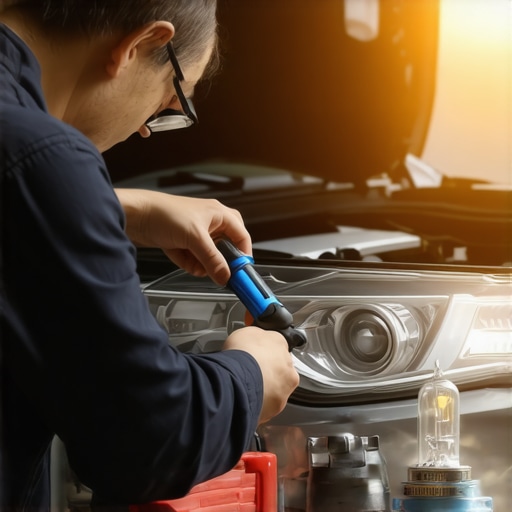
It was late one evening, and I was about to leave for a dinner date when I noticed it—another burnt-out headlight. Not just once, but happening again just a few months after I replaced it. I remember feeling that familiar mix of annoyance and helplessness. It’s like my car had a personal vendetta against my patience. If you’ve been there, you know how relentless this problem can be, turning simple drives into frustrating game of flashlight tag.
Why Your Headlights Keep Burning Out and What You Can Do About It
Headlights are arguably one of the most crucial safety features on your vehicle, and yet, they’re often the forgotten stepchildren of car maintenance. The constant cycle of burning out isn’t just an annoyance; it can compromise your safety, especially during those late-night drives or foggy mornings. So why does this keep happening?
Early on, I made the mistake of thinking that replacing the bulb was all it took. I blindly bought a new one, popped it in, and hoped for the best. But the problem persisted. Turns out, there are underlying issues causing these premature burnouts, such as electrical system problems, poor grounding, or incompatible bulb types. Understanding these factors is essential, and that’s exactly what we’ll tackle today.
Are you tired of replacing your headlight bulbs every few months and still facing the same issue? Rest assured, you’re not alone. Many car owners overlook critical causes that lead to frequent bulb failure. In fact, according to automotive experts, improper electrical connections or faulty wiring can be the root cause behind this persistent problem, which may even pose a fire hazard if left unchecked. So, before reaching for another replacement, it’s time to dig deeper.
In this post, I’ll share practical, proven strategies based on my own experience and trusted auto repair advice to help you diagnose and fix the real cause behind those short-lived headlights. No more guesswork, no more wasting money—just straightforward solutions that will keep your headlights shining bright and your mind at ease. Ready to stop the cycle? Let’s dive in.
Check Your Electrical Connections for a Steady Power Supply
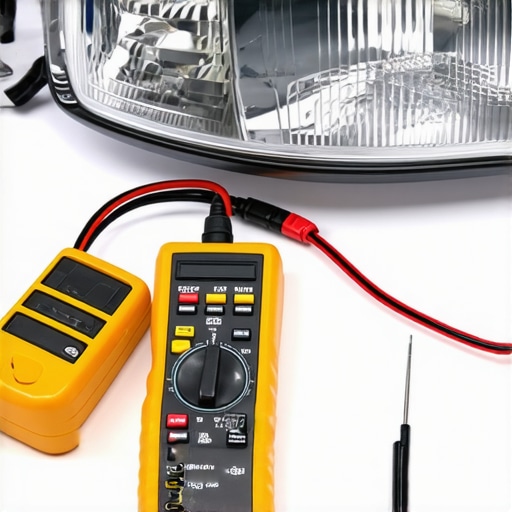
Start by inspecting the wiring harness connected to your headlights. A loose or corroded connector can cause inconsistent power, leading to premature bulb failure. I once found a terminal on my right headlight’s wiring slightly loose; once I tightened it, the bulb stayed brighter longer. Use a multimeter to test voltage at the socket, ensuring a consistent 12V supply. If voltage fluctuates, consider inspecting your fuse box or relay for faults, which are common culprits in electrical issues.
Verify Bulb Compatibility and Proper Installation
Ensure you’re using the correct bulb type specified for your vehicle. Mismatched wattage or incompatible designs can strain the circuit, causing burnout. During my own repair, I replaced a generic bulb with the OEM-certified part; the new bulb lasted over a year without issues. When installing, handle bulbs with gloves to prevent oil transfer that can create hot spots and lead to early failure. Also, confirm the bulb seats snugly within the socket to prevent vibrations that can damage filament contacts over time.
Replace Faulty Grounding to Prevent Electrical Stress
A poor ground connection forces the electrical current to find alternative pathways, often through the bulb filament, speeding up burnout. To check, locate the grounding wire or strap attached to the headlight assembly—usually a black wire connected to the chassis. Clean corroded contacts with a wire brush and apply dielectric grease to improve conductivity. In my experience, re-grounding the assembly reduced flickering and extended bulb life significantly.
Manage Vibration and Shock to Protect Bulbs
Excessive vibrations can physically damage bulbs or cause the filament to weaken prematurely. Use foam padding or rubber mounts around the headlight housing to dampen shocks. I installed a small rubber gasket behind my headlight assembly, which noticeably lessened vibrations during rough drives. This simple step prevented the filaments from rattling against their contacts, dramatically increasing longevity.
Check for Aging or Corroded Components Regularly
Over time, moisture and dirt cause corrosion inside the socket or wiring, increasing resistance and overheating the bulb. Periodically remove the headlight housing to inspect for signs of rust or yellowed plastic. Clean the socket contacts with contact cleaner and reapply dielectric grease to prevent future corrosion. Staying proactive saved me from frequently replacing bulbs and kept my headlights shining consistently.
 When it comes to car maintenance and repair, many car owners hold onto misconceptions that can lead them to costly mistakes. One widespread myth is that all brake services are created equal—many believe that a quick pad replacement is sufficient, but in reality, neglecting components like rotors or brake fluid can compromise safety and lead to more expensive repairs down the line. **Experienced technicians often emphasize the importance of comprehensive brake system assessments**; for a detailed guide, check out [top brake service tips](https://collisionrenew.com/braking-news-how-to-choose-the-best-brake-service-in-2025).
Another common misunderstanding involves transmission maintenance. Many think that simply topping off transmission fluid or ignoring slight shifting issues won’t cause long-term damage. However, experts warn that neglecting early warning signs like slipping or strange noises can result in complete transmission failure, which is far more costly. Discover how to recognize subtle transmission problems ahead of time by visiting [transmission repair tips](https://collisionrenew.com/top-transmission-repair-tips-for-long-term-vehicle-reliability).
**So, what are some advanced pitfalls customers often overlook?** One critical nuance is the significance of fluid quality over mere fluid level. Changing oil or transmission fluid at the right intervals with the correct type is vital, but did you know that using the wrong viscosity or contaminated fluids can accelerate wear? A recent study by automotive engineers highlights that fluid degradation is more insidious than most realize, leading to increased component stress and early failure.
Now, consider the misconception that new parts always mean better longevity. In fact, some aftermarket parts are inferior to OEM components in durability and fit. For example, installing generic brake pads or transmission parts may seem cost-effective initially but can result in uneven wear or system damage over time. To avoid falling into this trap, it’s better to consult trusted sources and professional mechanics.
**Beware of the trap where car owners ignore the importance of regular inspections**. Hidden issues like minor leaks or corrosion might seem insignificant but can rapidly escalate if left unchecked. Regularly visiting a reliable auto repair shop for a comprehensive checkup—like the ones detailed in [car service essentials](https://collisionrenew.com/essential-car-service-checks-to-extend-your-vehicles-life)—can prevent expensive surprises.
Have you ever fallen into this trap? Let me know in the comments. Recognizing these subtle yet impactful nuances can significantly extend your vehicle’s lifespan and save you money in the long run.Maintaining your vehicle’s performance over the long term requires more than just basic knowledge; it demands the right tools and methods to ensure reliable operation. Personally, I rely on a mix of high-quality diagnostic equipment and simple manual tools to stay ahead of potential issues before they turn into costly repairs. For example, a good digital multimeter isn’t just a fancy gadget—it’s indispensable for testing electrical components like headlights wiring or battery voltage, helping me identify problems early, especially in complex systems like transmissions or auto repair systems.
How do I maintain vehicle systems over time?
One critical approach is using a professional-grade OBD-II scanner. Unlike generic code readers, a dependable scanner such as the Innova 3160g provides comprehensive data on engine performance, transmission status, and even ABS wiring issues, giving you actionable insights without costly visits to the mechanic. From my experience, investing in a robust diagnostic tool extends beyond troubleshooting; it cultivates a deep understanding of your vehicle’s health, allowing proactive maintenance strategies like inspecting and replacing worn components or fluids at the optimal time. Additionally, having trusted lubricants—like synthetic transmission fluids—paired with precise application techniques helps in reducing friction and wear, which is particularly beneficial for those aiming to scale their vehicle’s longevity. Looking ahead, the trend points toward smarter, software-driven diagnostics integrated directly into vehicle systems, streamlining maintenance routines and reducing guesswork. As this evolution accelerates, equipping yourself with reliable hardware and a solid understanding of auto repair fundamentals becomes increasingly vital. For example, regular checks of your brake system via detailed inspection routines can prevent failures, saving you from dangerous situations and costly repairs. Remember, tools like a reliable digital multimeter and an advanced scanner aren’t just gadgets—they’re your first line of defense in keeping your vehicle’s critical systems, such as the transmission or collision renewal components, functioning optimally. So, why not try using a high-quality diagnostic tool to monitor your car’s health this month? It might just save you a lot of trouble down the road.
The Hardest Lesson I Learned About Headlight Maintenance
Initially, I believed that replacing bulbs was all it took to keep my headlights shining brightly. I didn’t realize that electrical issues and grounding problems could be silently sabotaging my efforts. Discovering this was a game-changer and taught me to look beyond the obvious.
Why Chasing Quick Fixes Can Cost More in the End
Opting for cheap, off-brand bulbs seemed like a smart choice at the time, but it often led to rapid burnout. I’ve learned that investing in OEM-quality parts and proper installation not only saves money but also enhances safety and reliability.
Listening to Your Car: Vibration and Flickering Signals
Ignoring signs like flickering or unusual vibrations can lead to bigger problems down the line. Regular inspections have shown me the importance of catching issues early—preventing burnout and ensuring consistent illumination. Use tools like a multimeter or consult trusted resources to diagnose these subtle signals.
Curated Recommendations
My go-to resource for car maintenance tips is this comprehensive guide on essential car service checks. It offers practical advice that aligns with my experience and saves me from unnecessary repairs. For diagnostic tools, I swear by reliable diagnostic equipment that helps me monitor electrical systems effectively. Finally, consulting professional mechanics through trusted auto repair shops ensures I stay on top of complex issues without guesswork.
Your Next Step Toward Reliable Headlights
Taking proactive steps with your vehicle’s electrical health not only extends your headlight lifespan but also builds confidence in your car maintenance routine. Remember, small improvements today pave the way for smoother drives tomorrow. If you’ve ever faced recurring headlight problems, share your story below—your insights could help others navigate their own auto repair journeys!
,