
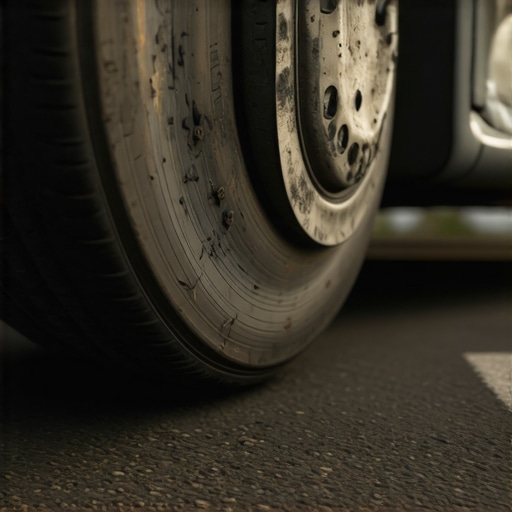
Ever been driving at a slow pace, like pulling into a parking spot, and suddenly feel that strange, almost jerking sensation when you press the brake pedal? That familiar feeling of your brakes grabbing unexpectedly can be unsettling, especially when you’re just trying to park or inch through traffic. I remember the first time it happened to me—thought I had neglected my car or that something was seriously wrong. Turns out, I was about to learn a lot about brake systems the hard way.
Getting to the Root of Brake Grabness
That weird low-speed brake grabbing sensation isn’t just annoying; it can be a sign of underlying issues that, if ignored, might compromise your safety or lead to costly repairs. From personal experience, I initially dismissed it as a minor glitch — maybe a sticky pad or a bit of dirt. But over time, I realized that this rough feeling was connected to something more serious—like warped rotors or contaminated brake fluid.
Understanding what causes this sensation is the first step toward fixing it. Often, it’s related to brake components that aren’t functioning optimally—warped brake discs, old brake pads, or even a sticking caliper. These problems aren’t just mechanical nuisances; they can impact your ability to stop smoothly and safely. So, if you’ve felt similar symptoms, don’t ignore them. Addressing brake issues early can save you from worrying about sudden brake failure during your commute or a trip to the store.
Is Brake Grabbing at Low Speeds Actually Worth the Hype?
Early on, I made the mistake of thinking this just occurred with age or minor wear. I didn’t realize that ignoring the symptoms could lead to more serious dangers — like total brake failure, which can be deadly. Moreover, neglecting small issues can result in more expensive repairs later on. Regularly checking your brake system, or consulting a trusted mechanic if you notice changes in braking feel, is essential. For a comprehensive guide on how to keep your brakes in top shape, check out this resource.
Natural stopping points like this set the stage for a deeper dive into diagnosing and fixing low-speed brake grab issues—so let’s get into the practical steps to make your brakes feel smooth and reliable again.
Inspect Your Brake Components Methodically
Begin by lifting your vehicle with a jack and securing it with jack stands; safety always comes first. Remove the wheels to expose the brake assembly. Check the brake pads for uneven wear or thinning; if pads are less than 1/4 inch thick, they need replacing. Examine the rotors for warping, scoring, or rust. I once noticed a warped rotor after a rough neighborhood parking job, and replacing it significantly improved brake feel. Clean the caliper slides with brake cleaner and a wire brush, ensuring they move freely. Sticky calipers cause consistent low-speed grabbing, so this step is crucial.
Test and Replace Worn Parts
Always test the brake calipers for sticking by pressing the brake pedal multiple times; if they don’t release smoothly, they might need rebuild or replacement. For worn-out pads or damaged rotors, sourcing quality replacements from trusted brake suppliers ensures longevity. During my first change, I learned that upgrading to ceramics provided quieter operation and better stopping power. Replace all worn components, and lubricate the caliper pistons and slides with high-temperature brake grease to prevent future sticking.
Bleed and Flush Brake Fluid
Old brake fluid absorbs moisture, leading to spongy brakes and corrosion. Open the brake fluid reservoir and attach a clear tube to the bleeder valve on each caliper, in a sequence recommended in vehicle repair manuals. Have a helper press the brake pedal gently while you open and close the bleeder valve to push out old fluid and air bubbles. I once neglected this step and found my brakes still grabbing; once I flushed the system with fresh fluid, pedal feel improved dramatically. Use the recommended brake fluid type for your vehicle, typically DOT 3 or DOT 4, which you can find info on at this repair guide.
Adjust and Test Drive
After replacing parts and flushing fluid, adjust the calipers if needed, ensuring even pad contact with the rotor. Double-check all fasteners are torqued according to manufacturer specifications. Before hitting the road, pump the brake pedal five to ten times to seat the pads properly. When you take the car for a test drive, pay attention to the braking response at low speeds; the grab should be gone, replaced with smooth, predictable stops. This practical application helped me turn a jittery, unsafe brake system into one that feels confident and reliable.
The Common Misconception About Car Maintenance
Many car owners believe that sticking to routine oil changes and occasional brake checks is enough for vehicle longevity. However, this oversimplification ignores the nuanced reality that modern cars demand a more detailed understanding of their systems. For instance, transmission fluids can deteriorate silently, impacting shifting performance long before visual signs appear. Relying solely on generic schedules without considering specific driving habits or vehicle history can be a costly oversight.
Why Do Drivers Fall for This Trap?
It’s easy to be misled by popular myths—that if a car runs smoothly, everything’s fine. The problem is, some issues creep in subtly, like a slowly slipping clutch or a developing transmission leak, which are often mistaken for normal wear. Ignoring these can lead to catastrophic failures. Expert mechanics warn that neglecting the transmission fluid condition or drivetrain components often results in expensive repairs, far beyond simple fluid top-ups. For targeted advice, check out top transmission repair tips.
The Hidden Nuance of Collision Renew
When most people think about collision repair, they imagine quick fixes or superficial touch-ups. But the real mastery involves restoring the structural integrity, aligning the frame, and ensuring all safety systems are recalibrated correctly. Failure to address these subtle but critical aspects can compromise vehicle safety or longevity. For example, improper frame straightening might seem fine visually but can lead to uneven tire wear and handling issues down the line.
Many shop owners overlook these detailed procedures, thinking cosmetic fixes suffice. However, cutting corners here is an ‘oops’ waiting to happen. It’s essential to choose a facility that understands the complex interplays of modern vehicle design, using technology like laser frame alignment. If you’re curious about how to spot a reputable collision repair shop, visit this guide.
Brakes: More Than Just Pads
When it comes to brake service, the misconception is that changing pads is all you need. But hardcore enthusiasts know the importance of inspecting rotors, calipers, and brake hydraulic lines for hidden faults. A common myth is that warped rotors are always visible; in reality, their surface might appear smooth, yet be uneven internally, causing pulsations. Advanced techniques like ultrasonic rotor measurement have revealed this nuance, preventing incomplete repairs and future unsafe scenarios. For detailed insights, see the latest brake service insights.
Have you ever fallen into this trap? Let me know in the comments.
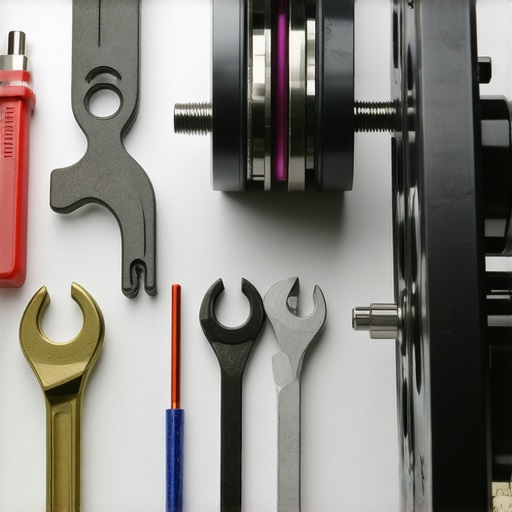
Having reliable tools at your disposal can make all the difference when it comes to vehicle maintenance, especially for critical systems like brakes, transmission, and auto body repairs. I’ve found that investing in high-quality, specialized equipment not only enhances the precision of my work but also extends the lifespan of every repair. In this section, I’ll share some of the tools I personally rely on and why they are essential for keeping your car in top shape over the years.
Precision Inspection with a Digital Car Scanner
The first step in diligent maintenance is accurate diagnostics. I prefer using a professional-grade OBD-II scanner like the BlueDriver or Snap-on Verus. These devices connect seamlessly to your vehicle’s diagnostic port and provide real-time data on engine health, transmission status, and brake system codes. What sets these scanners apart is their ability to interpret complex codes and suggest actionable solutions, saving time and preventing unnecessary repairs. Additionally, they keep a log of fault histories, making it easier to identify recurring issues before they become severe.
Reliable Brake Service Equipment
When working on brakes, having a quality brake caliper piston工具 such as the Powerbuilt Brake Caliper Tool Set is a game-changer. This set allows me to compress pistons evenly, especially on modern vehicles with electronic parking brakes. Pairing this with an ultrasonic rotor measuring device helps identify subtle warping that isn’t visible to the naked eye, preventing future pulsations and uneven wear. Regular calibration of these tools, based on manufacturer specifications, ensures consistent, safe, and efficient brake work.
Specialized Transmission Fluid Flush Machines
Maintaining the longevity of your transmission requires more than just topping off fluid; it demands a complete fluid change with minimal contamination. I personally use a commercial-grade Valvoline Power Flush Machine which allows me to efficiently swap out old transmission fluid and replace it with new, high-quality lubricant. This equipment ensures the removal of sludge and particles that can compromise shifting performance. As I continue to evolve in my auto repair practice, I see a move towards automated, diagnostic-driven transmission service systems, leading to more consistent and durable results.
How do I maintain tools over time?
Proper storage, regular calibration, and cleaning are key. For example, cleaning pressure gauges and calibrating electronic diagnostic tools annually prevent measurement inaccuracies. Using protective cases and keeping equipment clean reduces wear and tear, ensuring longevity and accuracy. Staying updated with the latest repair techniques and software updates also ensures your tools remain effective as vehicle technology advances. If you’d like to explore more about long-term maintenance strategies, visit this guide.
A Future Focus: Smart Tools Replace Guesswork
Looking ahead, the integration of AI and machine learning into automotive diagnostics promises even smarter, more predictive maintenance. These tools will analyze vast amounts of data to forecast component failures before they happen, reducing downtime and repair costs significantly. Investing in adaptable, software-centric equipment now prepares you for this upcoming evolution in auto repair technology.
Try upgrading your diagnostic setup with a professional scanner like BlueDriver; it’s one of the best ways to begin transforming your vehicle maintenance routine and catching issues early. With the right tools and regular care, you’ll keep your vehicle running smoothly and avoid costly surprises down the line.
After years of tinkering with my own vehicles and assisting friends with their auto repairs, I’ve uncovered a few hidden truths about brake systems that aren’t typically covered in manuals. These insights have transformed how I approach brake maintenance and troubleshooting, saving me time, money, and the stress of unexpected stops. Today, I want to share some of these lesser-known lessons to help fellow car enthusiasts elevate their brake game.
What I Learned About Brake System Nuances That No One Tells You
- Brake fluid quality matters more than you think. Regularly flushing your brake fluid isn’t just about preventing moisture buildup; it’s about maintaining hydraulic integrity. In my experience, using high-quality brake fluid suited for your vehicle enhances pedal feel and prolongs component life.
- Rotor surface isn’t the whole story. A rotor might look smooth externally, but internal warping can cause pulsation. Ultrasonic measurement tools have revealed hidden imperfections, reminding me that surface inspection isn’t enough—precision diagnostics matter.
- Caliper sticking isn’t always obvious. Sticky calipers cause uneven wear and grabbing at low speeds. Consistent caliper piston movement during inspections ensures safety and smoother stops, often preventing costly replacements down the line.
Tools and Techniques That Make a Difference in Brake Mastery
Investing in quality tools, like a digital rotor thickness gauge and a professional-grade brake caliper piston tool, has been a game-changer. These allow me to diagnose issues more accurately and perform repairs with confidence. For example, ultrasonic rotor measurement detects subtle warping that would otherwise go unnoticed, saving headaches later. Regular calibration and proper storage of this equipment ensure long-lasting accuracy, which is critical for precision work.
This Journey Continues — Embrace the Hands-On Approach
One thing I’ve realized is that genuine understanding comes from the hands-on experience. Reading about brake systems is invaluable, but feeling the components interact—listening for unusual noises, observing how parts move—is the real education. For those committed to extended vehicle reliability, embracing this proactive, detail-oriented mindset makes all the difference. Curious about how to enhance your auto repair skills? Check out essential maintenance tips to further inspire your journey. Remember, a well-maintained brake system isn’t just about safety—it’s about confidence behind the wheel and peace of mind.