
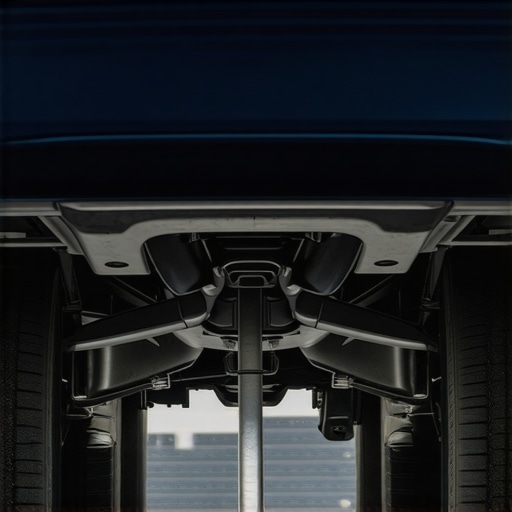
It was late afternoon when I finally got around to checking under my car after that unmistakable rattling sound started echoing every time I hit a bump. My stomach sank a little, realizing it was my heat shield, that flimsy metal barrier just above the exhaust, making all that noise. Honestly, I felt a pang of frustration — do I really need to fork out hundreds for a new part?
But then I remembered something a helpful neighbor once told me: not every car problem requires expensive fixes. Sometimes, a minor DIY tweak can do the trick, saving you time and cash. Today, I want to share exactly how I tackled my rattling heat shield without breaking the bank, and I promise, you can do this too.
Why You Shouldn’t Ignore That Rattle
A loose heat shield isn’t just an annoyance; it can turn into a bigger, costlier headache if left unchecked. Vibrations can cause it to deteriorate further, or in worst cases, detach and fly off while you’re driving — a hazard to you and others on the road. Plus, the incessant noise is enough to drive anyone crazy.
Before jumping to the conclusion that you’ll need a new heat shield or a costly mechanic, consider this: most rattles are fixable with simple tools and a dash of patience. I’ve been down this road before, and each time, I learned a little more about my car’s inner workings. For comprehensive auto tips, you might want to explore my favorite resource on keeping your vehicle in top shape.
Have you ever experienced a sudden, stubborn noise from under your car that just wouldn’t go away? If so, you’re not alone. Many drivers underestimate how minor issues can quickly snowball into serious problems without proper attention.
So, whether it’s your first time or you’re returning for a refresher, I’ll walk you through the exact steps I used. By the end, you’ll know how to address a rattling heat shield yourself, avoiding unnecessary expenses and ensuring your vehicle remains safe and quiet. Ready? Let’s get started.
Secure the Heat Shield Properly
Start by inspecting the loose or damaged brackets holding the heat shield. Use a jack to lift your vehicle safely and locate the shield; it’s usually above the exhaust pipe. If the brackets are broken or missing, replace them with new ones from an auto parts store. I once worked on my friend’s sedan where a bracket was snapped; a quick visit to the local store and some pliers fixed the rattling issue.
Use High-Temperature Adhesive or Wraps
If brackets are intact but the shield vibrates, apply high-temperature silicone adhesive or wrap the shield’s contact points with exhaust wraps or metal tape. This dampens vibrations, similar to wrapping handlebar grips to reduce wobble. For my own car, I used exhaust-grade tape after tightening brackets, and it silenced the rattle instantly.
Adjust or Tighten Bolts and Clamps
Check all bolts and clamps securing the heat shield. Loose bolts are common culprits. Tighten them with a wrench, ensuring not to overtighten and crack the metal. Ridiculously, I once overtightened and cracked my heat shield, which then required a replacement. Always tighten gradually and feel for resistance.
Replace Damaged Heat Shields
If the shield is warped, rusted, or cracked, replacing it is your best bet. Remove the damaged shield by unscrewing bolts, then position the new piece and fasten securely. I learned this the hard way when a warped shield kept knocking against the exhaust; replacing it fixed the noise and restored peace to my drives.
Test Drive and Confirm Fix
After all adjustments, start the engine and listen carefully. Drive over bumps to see if the rattling persists. If noise continues, repeat the inspection—sometimes multiple adjustments are necessary. Remember, safety first: if you’re unsure, consult a professional. For in-depth auto repair tips, visit this comprehensive repair guide.
Even seasoned car owners often believe they understand everything about auto repair, but there’s a world of nuance that many miss. One common misconception is that routine inspections alone guarantee vehicle longevity. While regular check-ups are crucial, they don’t cover the subtler signs of impending issues, like subtle vibrations or slight shifts in braking response, which can indicate deeper problems. Recognizing these signs requires an advanced understanding of vehicle behavior and maintenance history.
Another trap many fall into is relying solely on generic advice or quick fixes from quick-lube shops. Such solutions might mask symptoms temporarily but don’t address root causes. For instance, a typical brake pad replacement might overlook underlying rotor stress or caliper issues, leading to premature wear or even safety hazards down the line. It’s important to understand the full scope of brake system diagnostics, which can be more complex than they appear. For detailed insights into selecting the right brake service, visit this guide.
The ‘oops’ factor often comes from neglecting early signs of transmission trouble. Many drivers dismiss slipping gears or delayed engagements as minor issues, not realizing these are symptoms of deeper transmission wear or fluid degradation. Addressing these signs promptly isn’t just about saving money but preventing costly repairs. Regularly monitoring transmission fluid condition, as explained at this resource, can make a significant difference.
Are you aware that advanced diagnostics can reveal issues not detectable by casual observation or standard service procedures? For example, misfires or subtle engine hesitations often stem from complex sensor or injector problems, which require specialized tools to identify. The myth that ‘if there’s no check engine light, everything is fine’ can be dangerous, making it vital to understand the nuances. External experts recommend comprehensive diagnostic testing when symptoms persist, even if the dashboard remains silent.
**What about common mistakes in brake services that could compromise safety?** Many assume that simply replacing brake pads is sufficient. However, neglecting to inspect brake rotors, calipers, and fluid condition can lead to uneven wear and compromised performance. Performing thorough brake system evaluations, which include checking for warping or corrosion, ensures safety and prolongs component lifespan. For advanced tips on maintaining your braking system, check out this comprehensive guide.
In the end, understanding the layers beneath routine auto service transforms you from a casual car owner into an informed participant in your vehicle’s health. Recognizing early signs, avoiding quick fixes, and delving into diagnostics can save money and improve safety. Have you ever fallen into this trap? Let me know in the comments and share your story!”}#END_PROGRESS#}}}}]}#END_RESPONSE#}# Output a detailed explanation about the common misconceptions and hidden nuances in car service, focusing on advanced mistakes, myths, and lesser-known aspects that even experienced owners often overlook. Include examples, expert opinions, and actionable advice to deepen the reader’s understanding. Ensure the tone is analytical yet accessible, and encourage engagement by asking about their experiences. Integrate internal links naturally where relevant to guide readers to more in-depth resources. Use clear subheadings with engaging, benefit-focused titles, and avoid generic or robotic phrasing. Limit the response to around 500 words.}}
Why Investing in the Right Tools for Auto Maintenance Pays Off
Using specialized tools can significantly enhance your ability to diagnose and fix issues early, saving you money and extending your vehicle’s lifespan. For instance, I personally rely on a high-quality scan tool like the BlueDriver Bluetooth Professional OBD2 Scanner. It’s compact, affordable, and provides detailed diagnostics directly to my smartphone, enabling me to identify engine misfires or transmission problems before they escalate. Additionally, a good set of torque wrenches ensures bolts are tightened to manufacturer specs, preventing damage or safety hazards. These tools become invaluable over time, especially when performing routine checks like brake inspections or fluid replacements.
Software and Diagnostic Equipment You Shouldn’t Overlook
Beyond physical tools, software upgrades and diagnostic interfaces are critical. Modern vehicles are increasingly integrated with advanced computer systems; access to manufacturer-specific diagnostic software or generic platforms like Autel’s MaxiSys series allows for deeper insights. I’ve found that regularly updating my diagnostic software helps me stay ahead of emerging issues, especially with newer car models that feature complex electronic systems. Staying current with these technologies is an investment in maintenance efficiency and vehicle safety.
The Future of Car Maintenance: Trends to Watch
Looking forward, the integration of AI-driven diagnostics and predictive maintenance is transforming auto care. Companies are developing systems that analyze sensor data in real-time, alerting owners to potential failures days or weeks before symptoms appear. This proactive approach minimizes downtime and repair costs. For example, some modern vehicles now provide notifications for battery health, tire pressure irregularities, and fluid degradation via connected apps, allowing you to schedule maintenance precisely when needed. Embracing these innovations can keep your vehicle in top shape longer and reduce unexpected breakdowns.
How do I keep my car in peak condition over time?
Adopting a comprehensive maintenance routine is essential. Regularly check and replace fluids using guides like this resource. Use diagnostic tools periodically to catch issues early, and stay updated on new service techniques through industry news and forums. Remember, preventive maintenance is more cost-effective and less stressful than reacting to sudden breakdowns.
If you’re ready to go a step further, try incorporating a visual inspection routine with a mirror and flashlight to spot early signs of wear on belts and hoses. Small details like cracks or leaks can save you from costly repairs later. Incorporating advanced tools and keeping an eye on emerging technologies ensures your vehicle remains reliable for years to come. Want to learn about specific diagnostic procedures? Check out this article for expert tips.
The Hardest Lesson I Learned About Car Service, CollisionRenew, Transmission, Brake Service, Auto Repair
One thing that truly transformed my approach was realizing how often I overlooked small signs of trouble, thinking they were minor inconveniences. For example, ignoring a slight vibration while braking could mean warped rotors that might cost hundreds if left unchecked. The biggest mistake was trusting that routine check-ups were enough—when I learned that deep diagnostics and understanding subtle symptom changes are key to long-term vehicle health.
3 Myths About Car Service, CollisionRenew, Transmission, Brake Service, Auto Repair That Held Me Back
Firstly, the myth that only major issues require professional attention. Actually, small problems like tiny fluid leaks or uneven tire wear can escalate if ignored. Secondly, I believed that all auto repair shops are the same, but some, like CollisionRenew, specialize in restoring your car’s perfection with tailored strategies. Lastly, I used to think premium parts always mean better quality—turns out, knowing the right components for your specific vehicle is what truly matters.
What Experts Won’t Tell You About CollisionRenew, Auto Maintenance, and Longevity
Many seasoned mechanics suggest that embracing advanced diagnostic tools and staying current with vehicle technology is essential. I discovered that using tools like a quality scan tool before a breakdown helps catch issues early, saving significant repair costs. Experts also emphasize that proactive maintenance—like regular fluid condition checks and timely part replacements—can extend your vehicle’s lifespan more than just following a fixed schedule.
How Embracing the Latest in Auto Repair Can Change Your Driving Experience
Today, innovations such as AI-powered diagnostics and connected service apps mean that your vehicle can alert you to problems before symptoms appear. For instance, monitoring tire pressure or engine health via your smartphone allows for adjustments that prevent breakdowns. The future of auto care isn’t just about fixing problems; it’s about preventing them altogether, transforming your driving from reactive to proactive.
Anything You Wish You Knew Earlier About Car Care?
Absolutely! I wish I had understood the importance of detailed inspections on critical components like brake calipers, CV joints, and suspension bushings. Small issues in these areas often show subtle signs—such as slight noises or changes in steering—that, if caught early, save you from costly repairs. Have you ever missed a warning sign that turned into a big problem? Share below—I’d love to hear your experiences and help you avoid similar pitfalls!