

Ever found yourself in the middle of doing something important—say, enjoying your morning coffee or trying to finish that DIY project—and suddenly, that relentless squeak from your door hinge interrupts your focus? I’ve been there, and let me tell you, nothing tests your patience quite like a stubborn, squeaky door that just won’t stay lubricated. That high-pitched squeal can become the soundtrack of your day, making you wonder if you’re cursed or just incredibly unlucky.
It’s frustrating, isn’t it? You lube it up, hoping that the next time you swing the door open, silence reigns supreme. But nope—the squeal returns faster than you can say “grease and forget.” Over time, I realized that repeatedly applying the same solution was akin to banging my head against a wall. That’s when I discovered that a squeaky door hinge isn’t just a minor annoyance; it can be indicative of underlying issues that, if ignored, might lead to more significant problems.
Today, I’m here to share a method that finally gave me peace from that incessant squeal. We’ve all wasted time trying different sprays and oils that seem to work momentarily but fade just as quickly. I’ll walk you through a proven approach to fix a squeaky door hinge that refuses to stay lubricated, helping you regain quiet and smooth operation without breaking the bank or losing your mind.
Before we dive into the fix, I want to address a common misconception. Many people, myself included in the beginning, make the mistake of assuming that regular WD-40 or household oil will do the job forever. But in reality, these products often wear off quickly and can attract dirt, which exacerbates the squeak. Interestingly, according to professional door and furniture repair experts, using the right lubricant and proper cleaning can extend the life of your hinges significantly and prevent the squeak from coming back. For more tips on maintaining your vehicle’s critical components, you might find it useful to check out this post on preventing engine overheating [here](https://collisionrenew.com/why-your-engine-temperature-spikes-only-when-the-ac-is-on).
Now, let’s get to the root of the problem and learn how to give that squeaky hinge a proper, lasting fix. Ready to restore peace and quiet to your space? Grab your tools, and let’s get started.
Prepare Your Tools and Workspace
Start by gathering a clean cloth, a flat-head screwdriver, a spray lubricant like silicone spray, and safety gloves if desired. Clear the area around the door to prevent accidents. I remember once working on a squeaky hinge in a tight corner; having everything within reach saved me a lot of hassle.
Remove the Hinge Pins Properly
Close the door and locate the hinge pins—the metal rods holding the hinge plates together. Use the screwdriver to gently tap the bottom of the pin upwards, applying steady pressure to avoid bending or damaging it. In my case, I used a small block of wood to cushion the hammer tap, which prevented any chips or deformities, making reassembly smoother.
Clean the Hinge Components
Once the pins are out, wipe down the hinge areas with a cloth to remove dust, dirt, and old lubrication. Dirt buildup can cause the lubricant to wear off quickly, leading to squeaks. I once found thick gunk inside a hinge, which I scrubbed out with an old toothbrush before applying fresh lubricant. This step ensures no debris will hinder the new lubrication’s effectiveness.
Lubricate the Hinges Effectively
Apply a silicone spray or graphite powder directly to the hinge pins and inside the hinge barrel. Avoid thick oils like WD-40 for long-term fixes—they tend to attract dirt and require frequent reapplication. Instead, I used silicone spray last time, which provided a smoother, quieter swing that lasted weeks. Spray generously and let it seep into all moving parts.
Reinstall and Test
Insert the pins back into their hinges in the reverse order, tapping lightly with the screwdriver to seat them properly. Open and close the door several times to distribute the lubricant evenly. In my experience, a few extra light taps helped secure the pins fully, preventing any wobbling or squeaking. If needed, repeat the lubrication process for stubborn hinges.
If Squeaks Persist, Dig Deeper
Sometimes, simple lubrication isn’t enough. Worn or bent hinge parts may cause squeaks to return quickly. Check for any visible damage or excessive play in the hinge. If the hinge pin or plate is damaged, replacing the hinge may be necessary. A quick test is to lift or wiggle the hinge pin—any looseness indicates a need for replacement.
For durable fixes on other vehicle components, proper cleaning and lubrication are always key. For instance, ensuring your battery terminals are clean can prevent starting issues—read more about that here. Similarly, a vibrating steering wheel during rain might mean a worn-out power steering component you should inspect. Regular maintenance can save you from costly repairs down the line.
When it comes to automotive maintenance, many car owners operate under misconceptions that can lead to costly mistakes. One widespread myth is that all transmission issues are simply about low fluid levels, but in reality, transmission problems often involve internal wear or computer system failures that can’t be fixed with a quick fluid top-up. Professionals emphasize that diagnosing these issues accurately requires advanced diagnostic tools, like those used by experts at collisionrenew, to avoid unnecessary repairs.
How can relying on simplistic fixes hinder your vehicle’s longevity?
Overlooking the complexity of modern car systems can cause persistent problems to worsen. For example, assuming that replacing brake pads alone will resolve uneven wear ignores underlying causes like caliper malfunctions or rotor issues. These hidden factors demand a thorough inspection process that goes beyond the surface. Failing to identify and address such nuances can result in recurring problems and even safety risks. Expert sources highlight that comprehensive diagnostics are essential to ensure long-term reliability, which you can learn more about in this detailed post on uneven brake pad wear.
Benefits of proper cleaning before repairs
Many overlook the importance of cleaning components before repair or replacement, thinking it’s an unnecessary step. However, neglecting to remove dirt, grease, or corrosion from critical parts like battery terminals or sensor connectors can compromise repair quality and lead to quicker deterioration. For instance, if you ignore cleaning your battery terminals, you might experience intermittent starting issues, which could be misdiagnosed as a failing alternator. Proper cleaning—like the method described in this article—ensures a solid connection and prolongs component lifespan. Check out this guide on
cleaning battery terminals for optimal performance.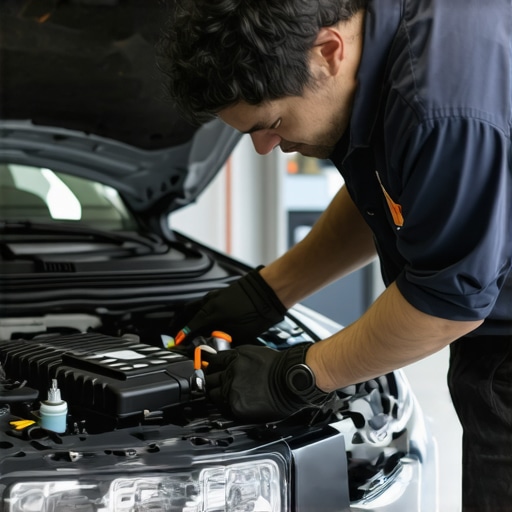
Furthermore, understanding the intricacies of your vehicle’s systems can prevent costly mistakes. For example, a car might shake only during highway speeds due to a misaligned wheel or unbalanced tires, which seems straightforward but can stem from less obvious issues like suspension component wear. Recognizing these subtleties is vital, and professional assessments often involve detailed inspections to uncover less apparent causes. For instance, if your steering wheel vibrates at high speeds, it might be linked to unbalanced wheels or even a problematic steering rack, which collisionrenew specializes in diagnosing effectively.
To stay ahead of common pitfalls, educate yourself about the complexities beneath what seems like simple repairs. Learning about systems like your vehicle’s transmission, brakes, and steering helps avoid the trap of temporary fixes that don’t last, saving money and enhancing safety. Remember, timely and precise diagnostics can mean the difference between a quick fix and hard-to-resolve damage. Have you ever fallen into this trap? Let me know in the comments.
Equip Yourself with Precision Instruments for Auto Care
Maintaining your vehicle’s optimal performance hinges on having the right tools that allow for detailed, effective repairs. My personal go-to is a high-quality digital multimeter, such as the Fluke 117, which I rely on for diagnosing electrical issues like faulty sensors or inconsistent power supplies. Its accuracy helps me determine whether problems like misfires or engine stalls are due to electrical faults or wiring harness malfunctions, which can be checked with insights from spark plug and coil diagnostics for better decision-making.
Additionally, investing in a set of precision screwdrivers with magnetic tips ensures I can access tight spots without damaging components. For cleaning difficult grime, I prefer ultrasonic cleaning devices, which effectively remove dirt from delicate parts like sensors or injectors, prolonging their lifespan and keeping performance consistent. Such tools not only enhance repair quality but also cut down on repeat service visits—a true time and money saver.
Software Solutions for Diagnostic Deep Dives
Beyond physical tools, modern automotive diagnostics heavily depend on advanced software. I use a VCM II interface connected to OEM-specific scan tools to access your vehicle’s ECU and perform comprehensive diagnostics. When I diagnose issues like transmission slipping or abnormal sensor readings, this software simplifies the analysis. For instance, regular calibration of sensors using dedicated software can improve long-term reliability, much like maintaining a bicycle chain for smoother rides. Looking ahead, AI-powered diagnostics are poised to revolutionize how we identify problems early, potentially predicting component failures before they manifest.
How do I maintain my diagnostic tools over time?
Proper calibration and timely software updates are vital to keep diagnostic tools reliable. Regularly updating firmware ensures compatibility with new car models and features, preventing misdiagnosis. I recommend setting a quarterly schedule to check calibration and download updates from the manufacturer’s website, which safeguards your investment and boosts confidence in your repairs.
If you’re serious about keeping your vehicle running smoothly and want to avoid costly breakdowns, try integrating an automotive thermal imaging camera into your toolkit. It’s invaluable for detecting heat leaks, worn brakes, or faulty wiring, acting as a non-invasive diagnostic eye. Employing such advanced tools now will prepare you for the complexities of future vehicle maintenance, where systems become increasingly sophisticated. Remember, the right equipment not only makes the job easier but also ensures your car stays reliable for the long haul.
The Hardest Lesson I Learned About Auto Care
One of the most valuable insights I gained was that consistent maintenance trumps quick fixes. Relying solely on temporary solutions like over-the-counter sprays can lead to bigger problems down the road. Investing in proper cleaning, quality lubricants, and understanding your vehicle’s systems has saved me time and money. For example, regularly checking and cleaning battery terminals prevented countless no-starts.
Why DIY Can Be Both a Blessing and a Curse
While DIY repairs are empowering, I learned that not all problems are DIY-friendly. Knowing when to call in a professional or use advanced diagnostic tools, like a digital multimeter or automotive software, has been crucial. Attempting complex repairs without proper knowledge can cause more harm than good, especially with systems like transmissions or steering. Understanding your limits is key to long-term vehicle health.
What Experts Won’t Tell You About Auto Troubleshooting
Sometimes, our intuition leads us astray. I once ignored the high-pitched squeal in my brakes, thinking it was minor. It turned out to be a sign of uneven wear and impending failure. Learning from professionals, I discovered that listening to subtle signs and inspecting as early as possible can prevent emergencies. Using tools like ultrasonic cleaners or diagnostic scan tools can reveal issues *before* they manifest into costly repairs.
My Essential Toolkit for Car Maintenance
Investing in reliable tools has made my repairs more precise and less stressful. A quality digital multimeter helps diagnose electrical issues, while magnetic screwdriver sets allow access to tight spots. Ultrasonic cleaners keep sensors and injectors pristine, extending their life. These tools have transformed my approach from guesswork to confidence, ensuring my car remains dependable.
The Power of Preventive Care and Education
Finally, staying educated about your vehicle’s systems empowers you to act swiftly and avoid unnecessary expenses. Regularly reading about common issues, like how unbalanced wheels cause vibrations or how to interpret warning lights, sharpens your instincts. By equipping yourself with knowledge and the right tools, you can enjoy a safer, smoother ride for years. What’s the one auto maintenance tip you swear by? Share below and help others become their own mechanic.